

On the third day of Huawei Connect 2024, the OEM showcased the revolutionary capabilities of the native HarmonyOS. In terms of the user experience, efficiency, and self-developed software system, it also shares a few other accomplishments.
According to Zhu Yonggang, President of Huawei Mobile Cloud, users will receive a fresh and inventive experience at their doorstep with the native HarmonyOS NEXT.
The newest system architecture serves as the foundation for the new HarmonyOS, which is powered by distributed soft buses, native intelligence, and Star Shield protection. Together with ensuring an amazing appearance, these parts also guarantee quicker, more seamless, and safer device operation.
HarmonyOS NEXT does away with all conventional foreign components. Compared to Linux, it is three times more efficient thanks to its pioneering microkernel. Because of its high level of security, this kernel has been certified at several higher industry levels.
The new self-developed OS’s intrinsic intelligence is another important component. To get the best and most complete intelligence for system apps, the company has reformed AI-centered intelligence. Celia is an excellent illustration of this element.
The Assistant
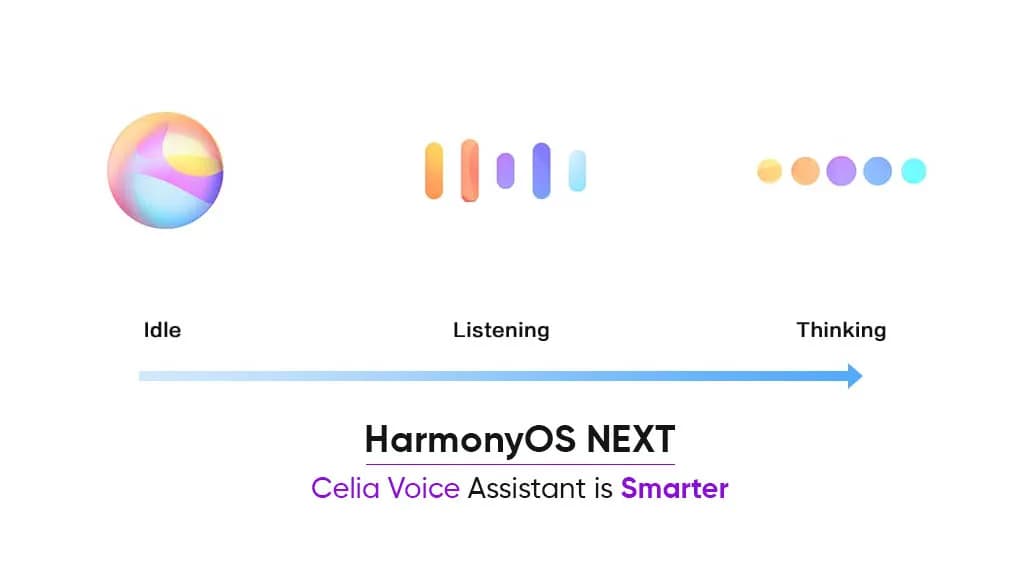
Celia has reached a higher level. It has a ton of useful services and intriguing features. It links third-party apps to the HarmonyOS native app ecosystem and empowers the expansive Pangu AI model to oversee them. A new and more intelligent virtual assistant developed by Huawei is also ready and is built on the high-level interaction of large models.
This helper is capable of thought, planning, artistic expression, and more organic user involvement. It provides a simple understanding so that users may more easily enjoy taking notes, asking inquiries, obtaining document intelligence, and recognizing dialogue on screen.
Easier multi-device collaboration
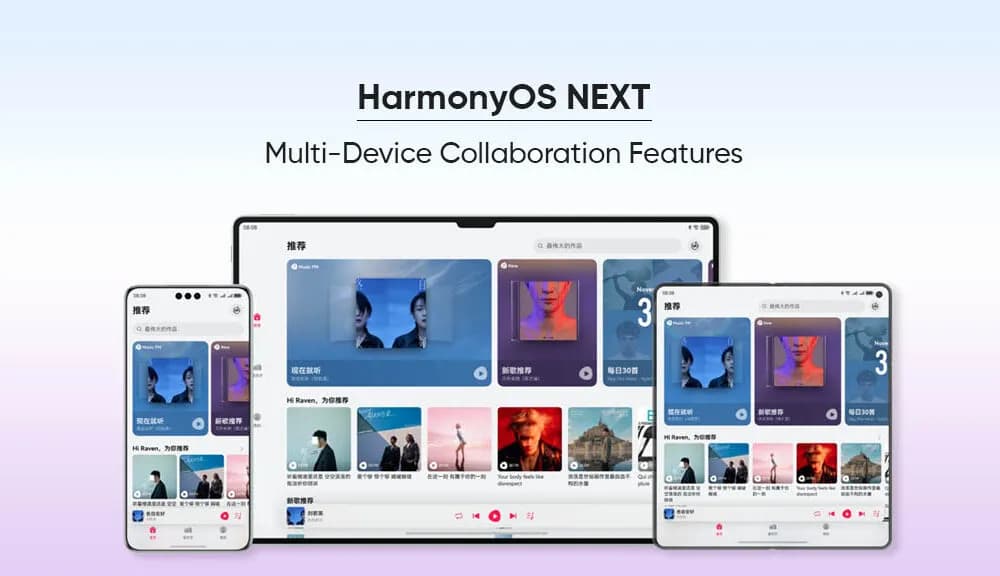
According to Zhu, the HarmonyOS NEXT provides a smooth service flow and sharing encounter. Additionally, app continuation is supported. To seamlessly carry out one device’s task on another, just bring the two devices close together and click the pop-up icon.
These gadgets might include laptops, smartphones, tablets, and even smart automobiles. Right now, the best instances of app continuation are Amap, DingTalk, and WPS. They even offer features like a copy-and-paste tool for the gallery that works across devices.
The President goes on to say that HarmonyOS NEXT’s new Star Shield Security architecture makes it the most potent OS to date in terms of security and privacy. It oversees full-process purity, system security, and kernel security.
The Huawei representative claims that HarmonyOS NEXT operates on a “one system, one ecosystem” basis. For this reason, it seeks to bring many objects and circumstances under the purview of interaction. The corporation makes an annual investment of about 6 billion yuan to support innovation inside the HarmonyOS ecosystem.
Following the release of the HarmonyOS NEXT beta, the company released more than six versions. Additionally, it got more than a million comments and ideas.
Perhaps the stable HarmonyOS NEXT version would be an extremely better software system for Huawei device owners.
Google Pixel Watch 5 (45mm)

Google Pixel Watch 4

Samsung Galaxy Watch 8


Keep Reading
Android 17 QPR2 Beta 3 arrived on August 14 as the latest preview of the December release. 9to5Google described the Friday launch as unexpected and began a running catalog of changes that was still marked as updating. As new changes are discovered, the latest entries will be placed at the top of the page. Readers […]
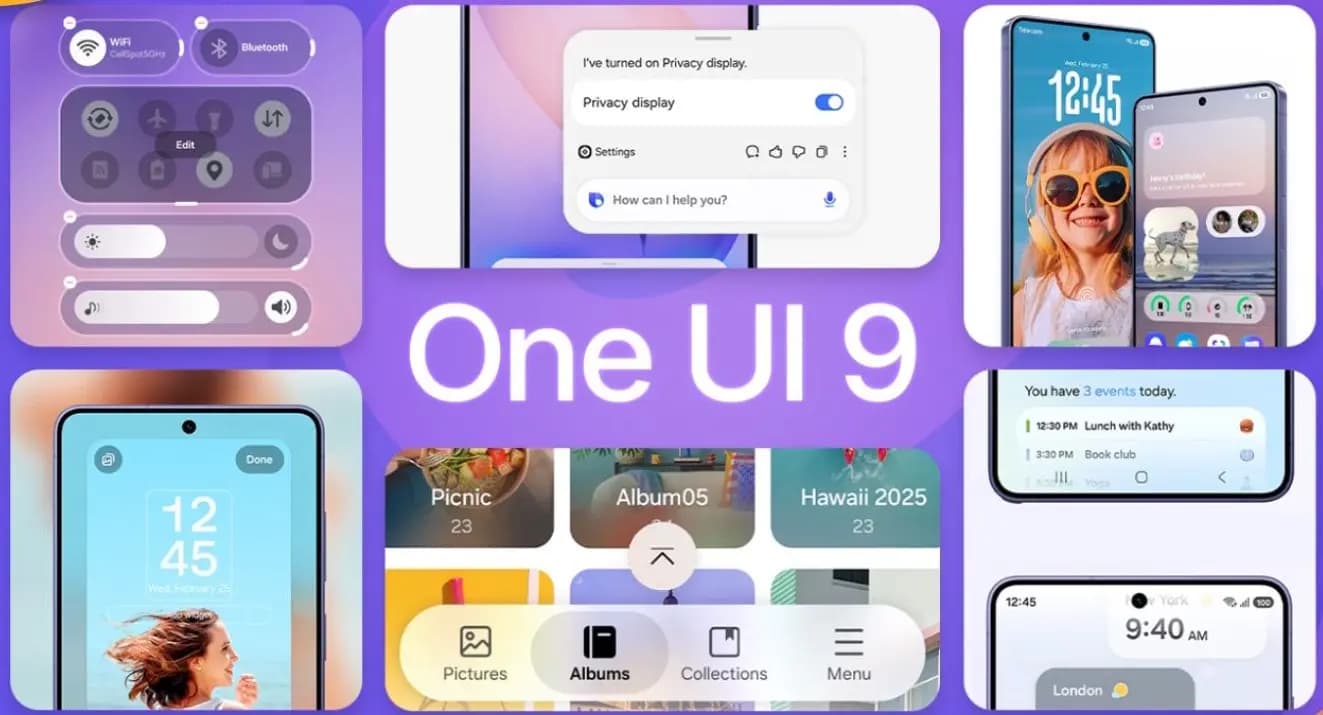
Samsung has begun rolling out the stable One UI 9 update, based on Android 17, starting with the Galaxy Z Fold 8 series worldwide, according to Memeburn. Samsung is also internally testing the update on 49 additional Galaxy phones and tablets, with the software rolling out through the rest of the year on a staggered […]
A leaked HyperOS 4 setup screen has exposed Xiaomi’s planned onboarding flow, along with a list of ten major features tied to the update. The files directly reference “Xiaomi HyperOS 4” and divide several features by device class, with some Glass effects marked exclusively for flagship models and the Q18. The leak also backs up […]
New leaks are offering the clearest look yet at HyperOS 4, and they suggest Xiaomi is preparing the biggest visual overhaul in the software’s history, including a redesigned interface and refreshed wallpapers. Liquid Glass Interface Leak Details Screenshots reportedly pulled from internal Xiaomi 18-series prototypes running an early Android 17-based build of HyperOS 4 reveal […]
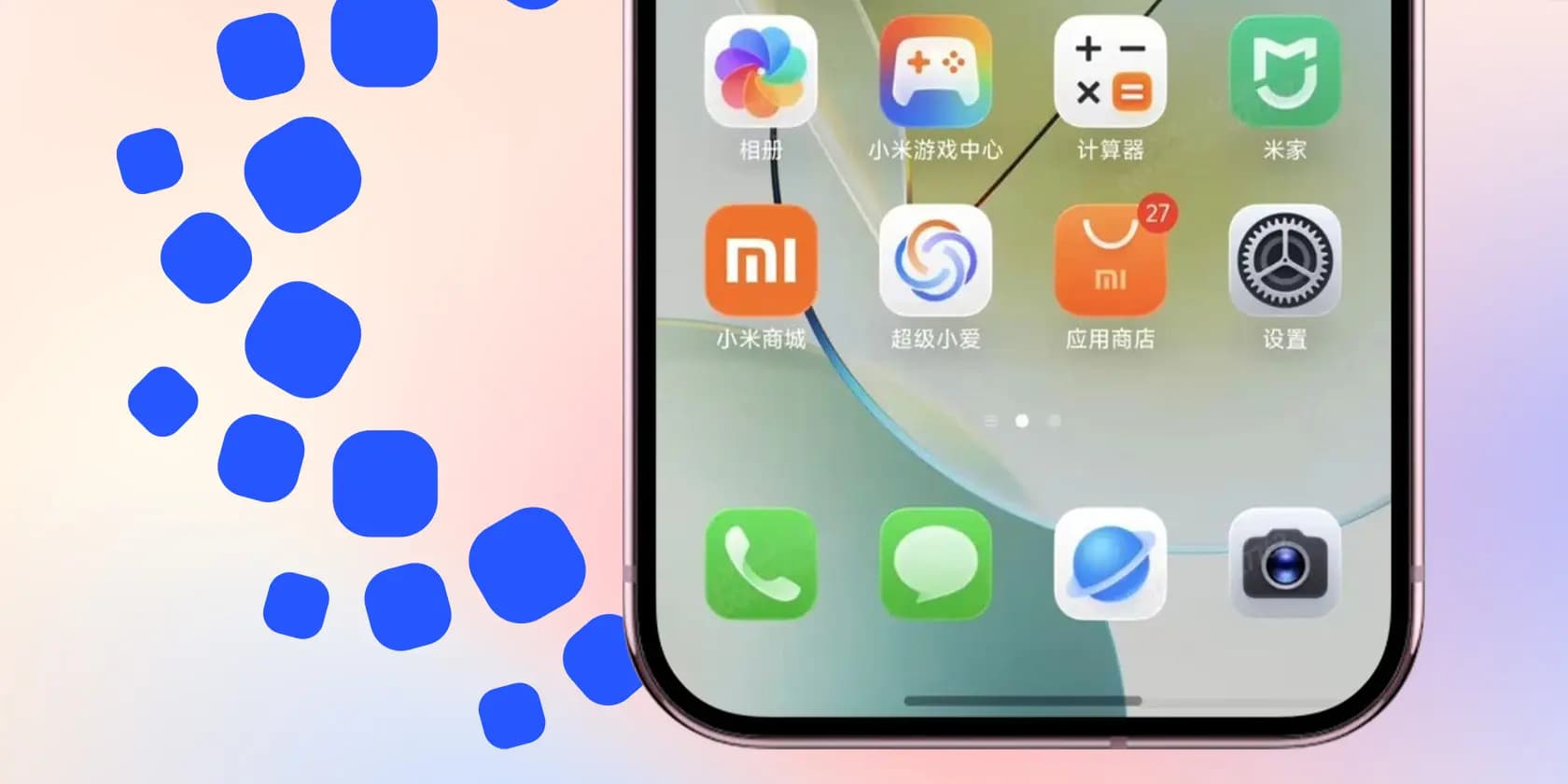
Xiaomi has started rolling out stable Android 17 to the Xiaomi 17, Xiaomi 17 Ultra, and Xiaomi 17T Pro, packaged under the HyperOS 3 label. A Confusing Label, But a Real Platform Jump The HyperOS 3 branding is the same one Xiaomi already used for its Android 16 rollout, which makes the naming a bit […]
Google is rolling out the stable Android 17 and Wear OS 7 updates for compatible Pixel phones and watches. Beyond the new features these releases bring, both updates come packed with bug fixes and general improvements aimed at smoothing out the overall experience. Many of the changes target long-standing annoyances, while several underlying improvements should […]
Comments & Discussions
Join the conversation! We use Disqus to handle comments. Click the button below to load the comment section.