

With the current rapid pace of HyperOS 2.3 development, Xiaomi has taken a major step forward in the development of its software ecosystem. The company’s strategic commitment to integrating its next-generation operating system with the upcoming release of Android 16 was demonstrated on May 27th when internal testing got underway. With Android 16 as its fundamental core, HyperOS 2.3 is positioned as a significant update that improves user experience and performance.
HyperOS 2.3 is coming fast
Development teams have initiated a comprehensive internal testing phase, deploying multiple build variants tailored for different regional markets. This strategy ensures broad compatibility across Xiaomi’s international user base.
The initial test builds include:
- OS2.0.300.1.WOCCNXM (China variant)
- OS2.0.300.1.WOCMIXM (Global variant)
- OS2.0.300.1.WOCEUXM (EEA Global variant)

Updated builds have been produced in recent development cycles; the most recent version for the EEA Global market is OS2.0.300.2.WOCEUXM. These small changes are the result of ongoing optimization and improvement initiatives inside Xiaomi’s development process.
Currently, the Xiaomi 15 flagship device—internally dubbed “dada”—is given priority in testing methods. The goal of this focused strategy is to guarantee the best possible compatibility between the new hardware and HyperOS 2.3’s sophisticated capabilities.
HyperOS 2.3 release
Xiaomi has a shorter development timetable for HyperOS 2.3 because Android 16 is expected to launch in June. Although attaining the late-June objective is still uncertain, the enhanced pace indicates a strong organizational commitment to providing a stable release.
Stay connected with the latest from Droid Tools—follow us on X @droid_tools, like our page on Facebook, check out our updates on Instagram, and follow us on Google News for real-time news, device tips, and mobile tech insights.
Google Pixel Watch 5 (45mm)



Google Pixel Watch 4

Samsung Galaxy Watch 8

Keep Reading
Android 17 QPR2 Beta 3 arrived on August 14 as the latest preview of the December release. 9to5Google described the Friday launch as unexpected and began a running catalog of changes that was still marked as updating. As new changes are discovered, the latest entries will be placed at the top of the page. Readers […]

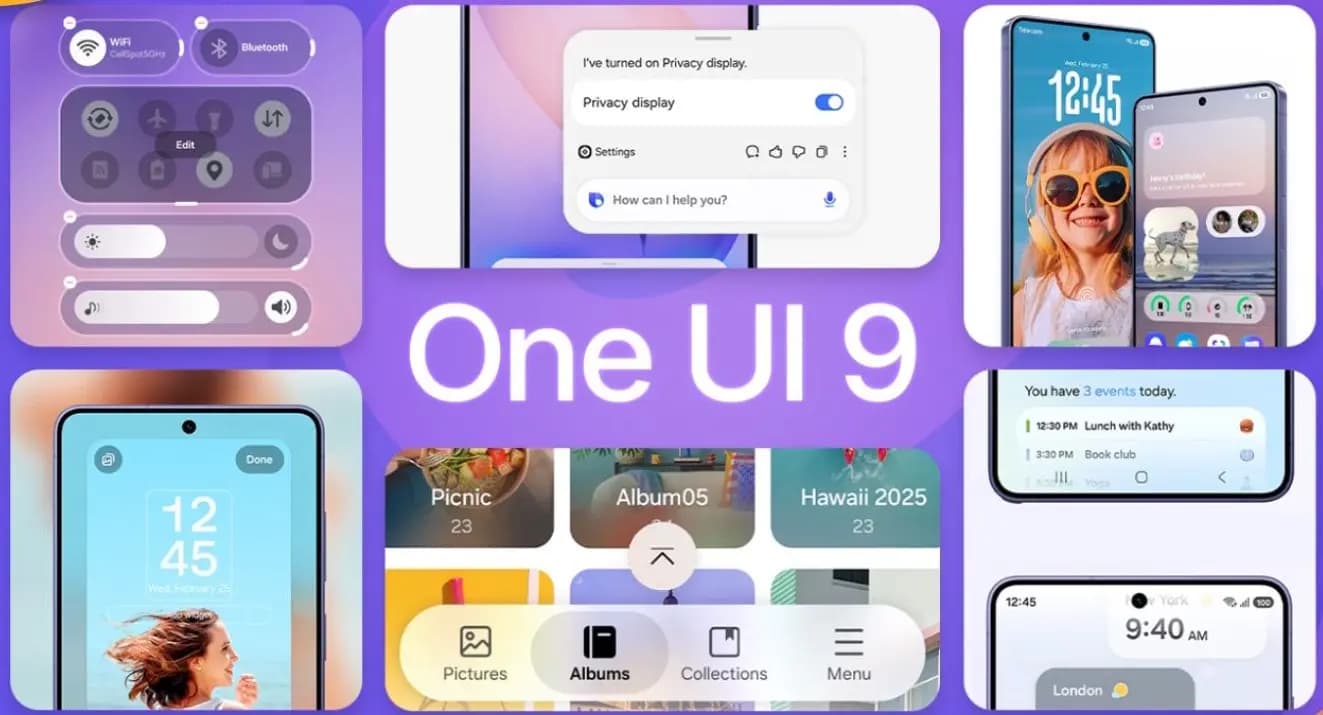
Samsung has begun rolling out the stable One UI 9 update, based on Android 17, starting with the Galaxy Z Fold 8 series worldwide, according to Memeburn. Samsung is also internally testing the update on 49 additional Galaxy phones and tablets, with the software rolling out through the rest of the year on a staggered […]
A leaked HyperOS 4 setup screen has exposed Xiaomi’s planned onboarding flow, along with a list of ten major features tied to the update. The files directly reference “Xiaomi HyperOS 4” and divide several features by device class, with some Glass effects marked exclusively for flagship models and the Q18. The leak also backs up […]
New leaks are offering the clearest look yet at HyperOS 4, and they suggest Xiaomi is preparing the biggest visual overhaul in the software’s history, including a redesigned interface and refreshed wallpapers. Liquid Glass Interface Leak Details Screenshots reportedly pulled from internal Xiaomi 18-series prototypes running an early Android 17-based build of HyperOS 4 reveal […]
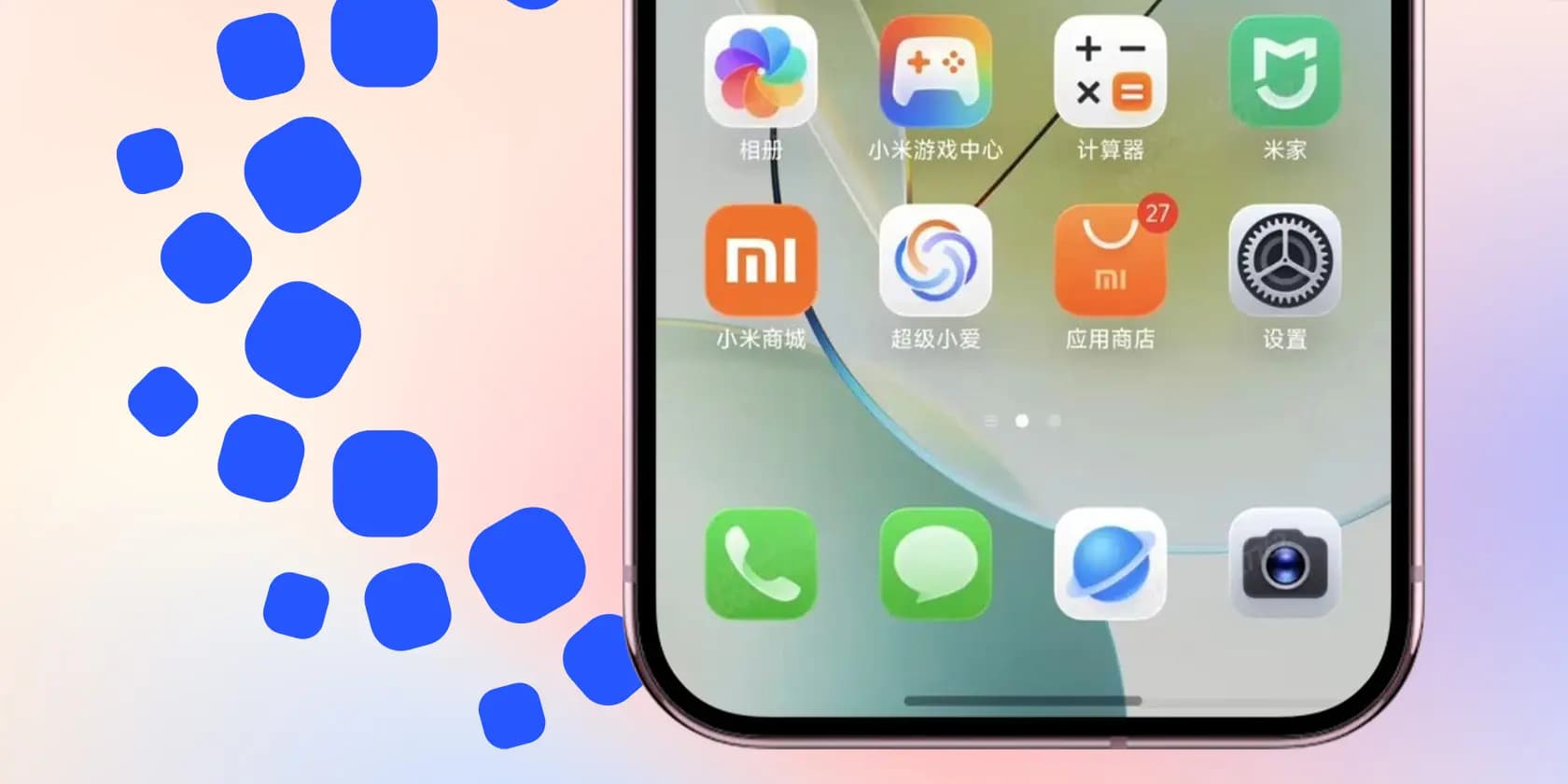
Xiaomi has started rolling out stable Android 17 to the Xiaomi 17, Xiaomi 17 Ultra, and Xiaomi 17T Pro, packaged under the HyperOS 3 label. A Confusing Label, But a Real Platform Jump The HyperOS 3 branding is the same one Xiaomi already used for its Android 16 rollout, which makes the naming a bit […]

Google is rolling out the stable Android 17 and Wear OS 7 updates for compatible Pixel phones and watches. Beyond the new features these releases bring, both updates come packed with bug fixes and general improvements aimed at smoothing out the overall experience. Many of the changes target long-standing annoyances, while several underlying improvements should […]
Comments & Discussions
Join the conversation! We use Disqus to handle comments. Click the button below to load the comment section.