Six days after Android 17's stable rollout began on June 16, a growing number of Pixel owners are dealing with a touchscreen bug that makes their devices genuinely unreliable. Swipes invert direction, taps either fail to register or fire multiple times, and screens go briefly unresponsive before recovering. Google has confirmed the bug and says ...

Six days after Android 17’s stable rollout began on June 16, a growing number of Pixel owners are dealing with a touchscreen bug that makes their devices genuinely unreliable. Swipes invert direction, taps either fail to register or fire multiple times, and screens go briefly unresponsive before recovering. Google has confirmed the bug and says a fix is in progress – but no root cause has been named, and no timeline has been offered.
That matters more here than it would for a typical post-update complaint. Touch input is the entire interface between a user and their phone. When it misfires unpredictably, the device isn’t just degraded – it’s difficult to trust for basic tasks.
The bug presents in at least three distinct ways: touch inputs register either more or fewer times than intended, top-to-bottom swipes are processed as bottom-to-top, and in some cases the screen goes fully unresponsive for several seconds before recovering on its own, as reported by Android Police last Thursday.
A Pixel 8 Pro owner described the experience concretely: after around five swipes through YouTube Shorts, the screen freezes briefly, recovers, then repeats the cycle. Upward swipes in Messages and on the home screen were scrolling downward instead, according to Phandroid. Separately, some users swiping through their X feed found the app responding in the wrong direction entirely, while others were getting no touch response at all.
What makes this particularly difficult to live with is that the symptoms aren’t constant. The screen works fine, then doesn’t, then recovers. That intermittent pattern is harder to diagnose and harder to work around than a straightforward failure. A phone that refuses to respond is frustrating; one that responds unpredictably is worse.
No one has publicly identified the root cause. Whether the issue lies in refresh rate handling, touch drivers, or gesture navigation processing is unknown. Google hasn’t said, and no independent analysis has pinpointed the source.
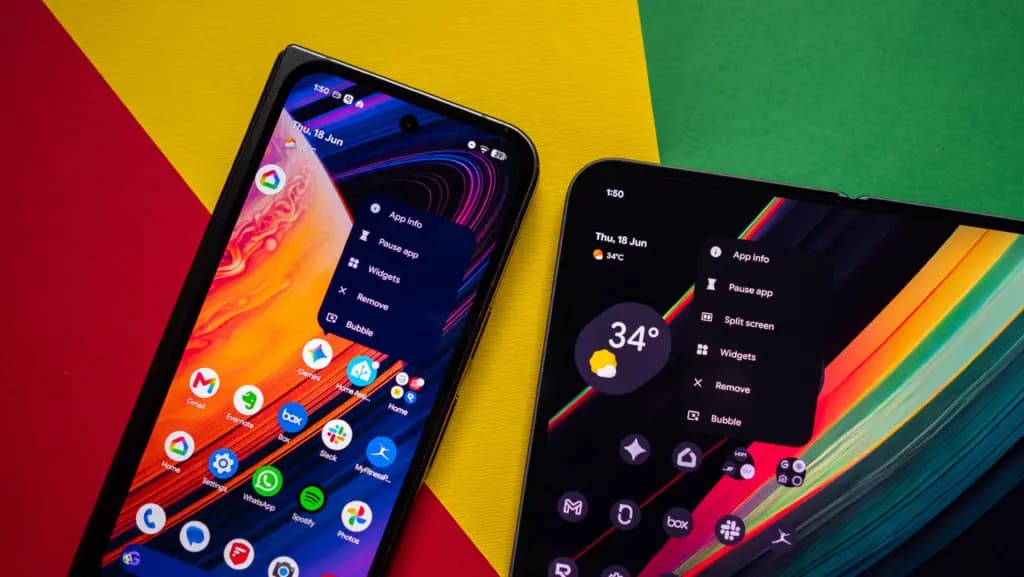
Reports cover the Pixel 7, 8, 9, and 10 series, per Phandroid. Android Police described the bug as appearing to affect the “entire Pixel lineup,” though that assessment is based on aggregated user reports from Reddit and social platforms rather than any systematic device audit.
The scale of the problem isn’t fully known. Not every Pixel running Android 17 appears to be affected, and the available evidence is community-sourced. That said, reports span multiple generations and multiple outlets, which is enough to treat this as something beyond an isolated complaint.
The cross-generation spread matters. These are four distinct hardware families with different display panels, different chipsets, and different manufacturing runs. The one thing they share is the same software update. That points directly at Android 17 as the source rather than any particular device’s hardware – and it means a software patch is the only realistic path to a real fix.
The bug has been logged in Google’s IssueTracker. The company’s official Pixel Community account on Reddit confirmed awareness and stated Google is actively working on a fix, as reported by Android Police and Phandroid. That’s the full extent of the public communication: no root cause, no timeline.
Google did offer one troubleshooting suggestion: clear the Pixel Launcher cache by going to Settings > Apps > See all apps > Pixel Launcher > Storage & cache. Users who tried it largely report it had no effect, according to Android Police.
A community-sourced workaround has also circulated. At least one user reported that toggling off “Smooth Display” in display settings resolved the issue – and the fix held even after re-enabling the feature. Android Police noted the reception has been mixed, and it doesn’t appear to work consistently across affected devices.
The absence of a reliable workaround is itself telling. Simple misconfiguration bugs typically have repeatable fixes. When one user’s solution doesn’t transfer to another device running the same software, it suggests the underlying problem is more complex – possibly involving interactions between specific hardware variants and certain Android 17 components. That doesn’t narrow the cause, but it does lower expectations for any user-side resolution before a patch ships.
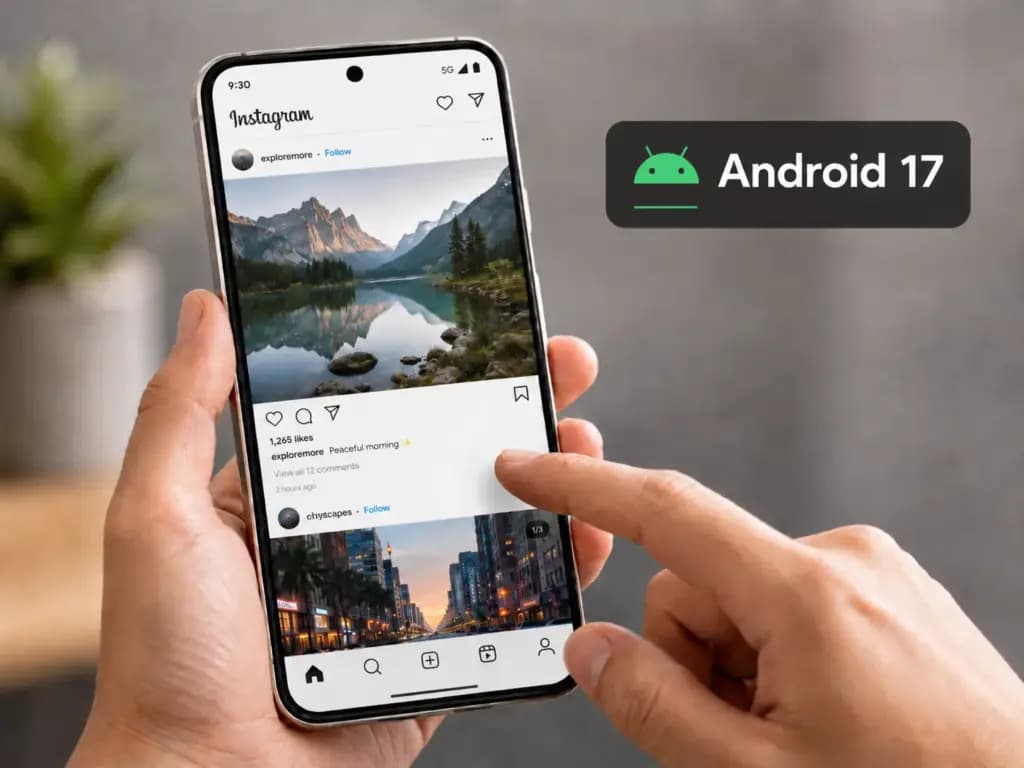
For those already running Android 17, two options exist, though neither is guaranteed to help.
Start with the Smooth Display toggle. Go to Settings > Display > Smooth Display, turn it off, then test whether touch behavior improves. The risk is zero and the effort is minimal. Results have been mixed, but it has the best anecdotal track record of the two available options. Google’s own suggestion – clearing the Pixel Launcher cache via Settings > Apps > See all apps > Pixel Launcher > Storage & cache – is worth trying as a second step, though user feedback on its effectiveness has been largely poor, per Android Police.
Beyond those two options, nothing else is confirmed to help. Monitoring Google’s Pixel Community Reddit account and IssueTracker for patch announcements is the most practical remaining step. Those are the channels where a fix timeline, if one surfaces, will appear first.
For Pixel owners who haven’t updated yet, Android Police flagged last Thursday that holding off may be worth considering. That’s not a categorical recommendation – the scale of the bug remains unclear, and not every device appears to be affected. But if reliable touch input is essential to how a phone gets used, waiting for a patch is a reasonable position. Android 17 will still be available once the fix ships.
The touchscreen issue is the most disruptive of several problems surfacing since the June 16 rollout. Wi-Fi connectivity drops and 5G instability have also been reported in the same window, according to Phandroid. A separate bug has been wiping home screen widgets for some users, removing them entirely from both the home screen and the widget picker. 9to5Google reported four days ago that Google confirmed the widget issue is tied to Work Profile users, with reports actually dating back to the February beta period, and that a fix is coming “soon.”
These are distinct bugs with separate causes. But their timing reflects a familiar pattern: Pixel phones receive Android updates first, and that comes with the corresponding downside of being first in line for whatever shipped with them.
Google’s IssueTracker acknowledgment on the touchscreen bug at least confirms the company is aware and working on it. The open question is whether a targeted hotfix arrives before the next monthly security update cycle or gets folded into it. That’s the gap affected users are currently sitting in – workarounds that might help on some devices, a fix that hasn’t arrived yet, and a timeline that Google hasn’t provided.
Apple Watch Series 12

Robert Haba is the founder and editor-in-chief of Droid Tools. A lifelong gadget enthusiast with over a decade following the Android ecosystem, he built this publication to cut through the noise and give readers honest, real-world coverage of the tech they actually use.

Track the Google Pixel update schedule, including seven-year lifespans for newer models, quarterly patch shifts, and dual Android OS release windows.

Google explained how to manage Android time zones as Canadian regions end seasonal time changes, offering steps for automatic and manual clock adjustments.

Quick Share for Windows transfers files from Android to your PC over Wi-Fi at rates up to 100MB/s, bypassing email and third-party cloud uploads.

Overnight charging exposes phone batteries to sustained high voltage and heat. Learn how Google Pixel and Samsung Galaxy settings stop cell degradation.
The next story loads as you reach the end. You can also load it using the button.


Comments & Discussions
Join the conversation! We use Disqus to handle comments. Click the button below to load the comment section.