

Zhang Guoquan, the director of mobile software for Xiaomi, has stated that the business will start testing the layered background interface in HyperOS internally in December. This impending update will improve Xiaomi phones’ multitasking capabilities by providing a more user-friendly and aesthetically pleasing background management experience. Through Zhang’s interactions with Weibo users, the functionality was made public, demonstrating Xiaomi’s ongoing dedication to enhancing the real-world user experience using HyperOS, the company’s unified operating system.
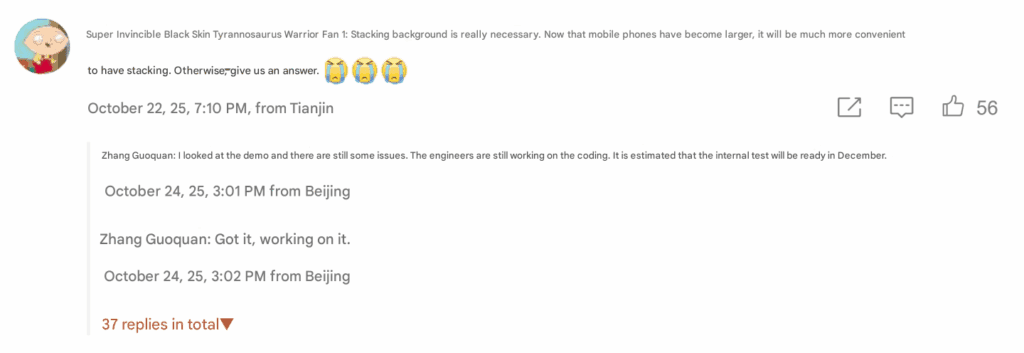
A Xiaomi devotee responded in a Weibo debate by calling for the inclusion of a stacked background interface, particularly given the larger screens of modern smartphones that necessitate more fluid multitasking capabilities. Zhang Guoquan replied, “Received, working on it,” to the comment. He then added that the functionality is currently in the demonstration stage but still undergoing optimization. The code is now being finished by programmers, and internal testing is expected to start in December.
Stacked Background Interface?
Users can see running apps as a deck of cards arranged on top of each other, from largest to smallest, depending on which card is accessed first thanks to the stacked background interface. Similar to the multitasking interfaces found in webOS (2009) and later in Apple’s iOS 9, users can swipe up to close apps or left or right to navigate between them.
In place of conventional grid-patterned task lists, this structure provides an interactive and spatial method of managing applications. It makes it possible to maximize screen real estate, which is particularly helpful on devices with large screens like the Xiaomi 15 Pro and Xiaomi Pad 7.
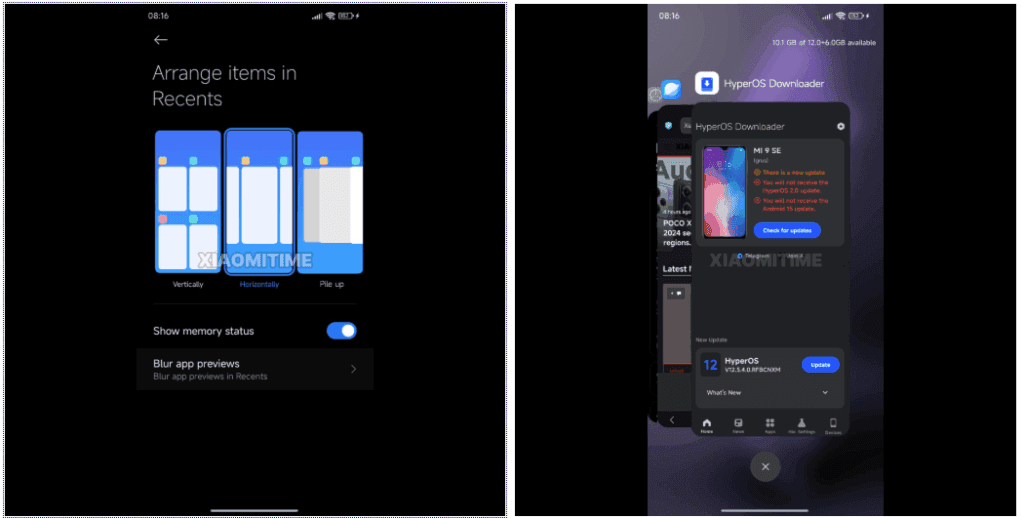
Originally developed in webOS, stacked multitasking was first used on phones like the Palm Pre, which also popularized features like wireless charging and gesture navigation, which are now commonplace on the majority of contemporary smartphones. This kind of multi-application management became popular once Apple adopted the UI in iOS 9.
With HyperOS, Xiaomi appears to be bringing back these antiquated ideas while modernizing them with fluid animations, AI enhancements, and improved performance scaling.
It is anticipated that the stacking interface will be included in HyperOS’s 2025 upgrades, maybe in the feature package that comes after HyperOS 3.1. When public testing starts, Xiaomi customers should anticipate smoother animations, more fluid multitasking, and better use of display real estate. These features are in line with Xiaomi’s overarching goal of using Xiaomi HyperConnect to build an intelligent, connected user ecosystem.
Google Pixel Watch 5 (45mm)

Google Pixel Watch 4


Keep Reading
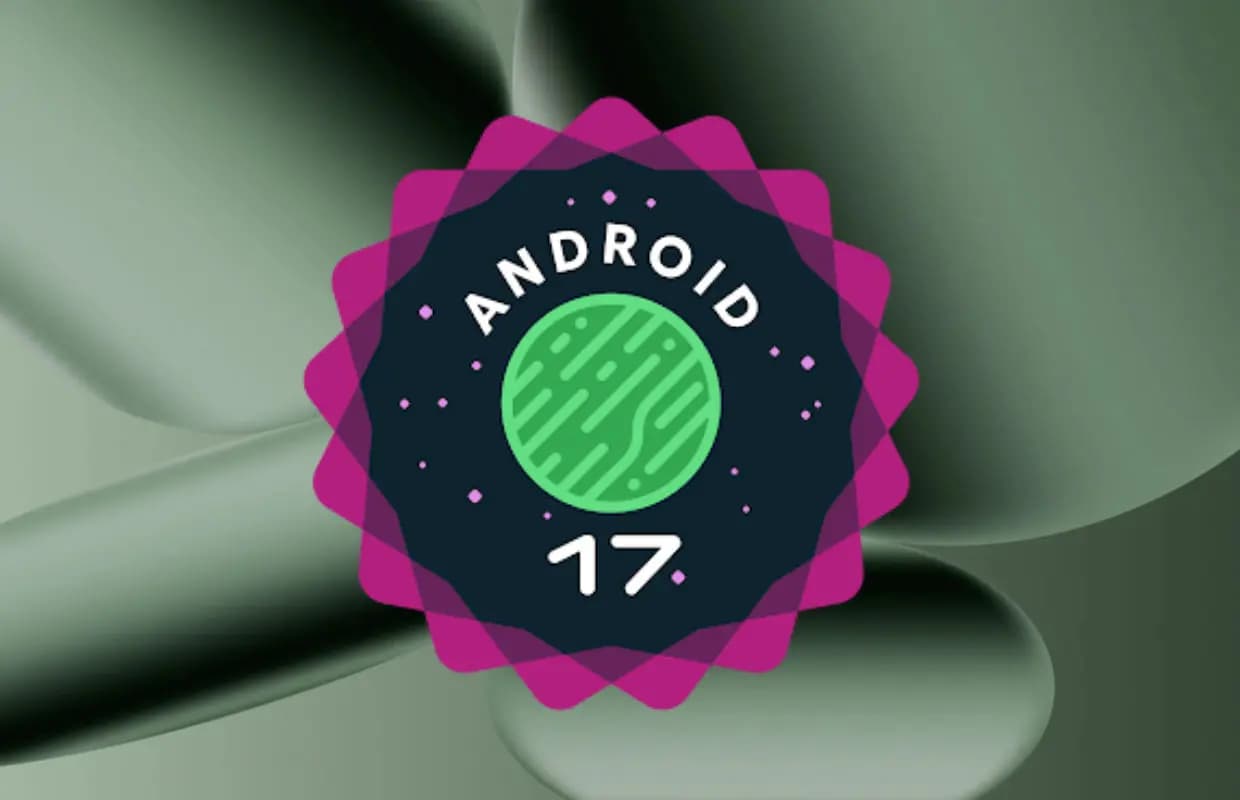
Android 17 QPR2 Beta 3 arrived on August 14 as the latest preview of the December release. 9to5Google described the Friday launch as unexpected and began a running catalog of changes that was still marked as updating. As new changes are discovered, the latest entries will be placed at the top of the page. Readers […]
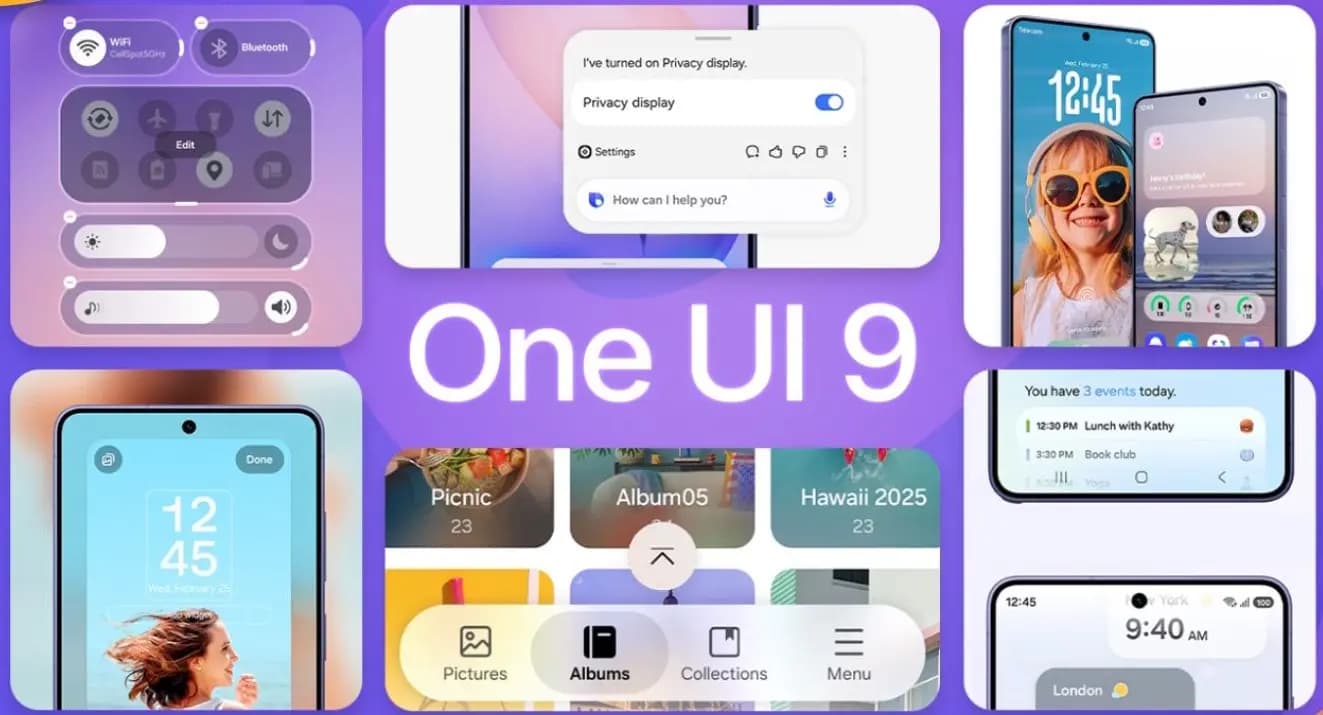
Samsung has begun rolling out the stable One UI 9 update, based on Android 17, starting with the Galaxy Z Fold 8 series worldwide, according to Memeburn. Samsung is also internally testing the update on 49 additional Galaxy phones and tablets, with the software rolling out through the rest of the year on a staggered […]
A leaked HyperOS 4 setup screen has exposed Xiaomi’s planned onboarding flow, along with a list of ten major features tied to the update. The files directly reference “Xiaomi HyperOS 4” and divide several features by device class, with some Glass effects marked exclusively for flagship models and the Q18. The leak also backs up […]
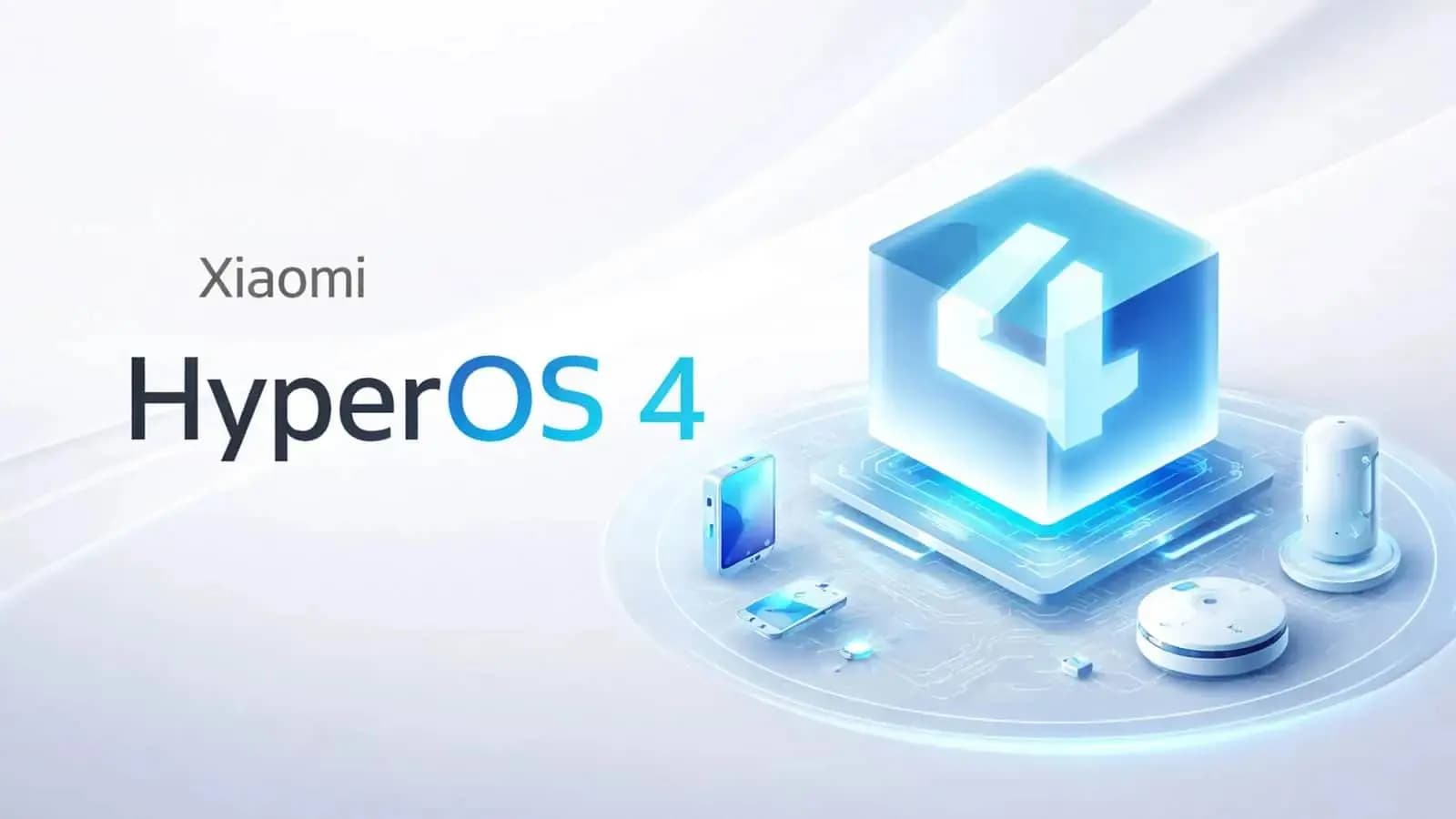
New leaks are offering the clearest look yet at HyperOS 4, and they suggest Xiaomi is preparing the biggest visual overhaul in the software’s history, including a redesigned interface and refreshed wallpapers. Liquid Glass Interface Leak Details Screenshots reportedly pulled from internal Xiaomi 18-series prototypes running an early Android 17-based build of HyperOS 4 reveal […]
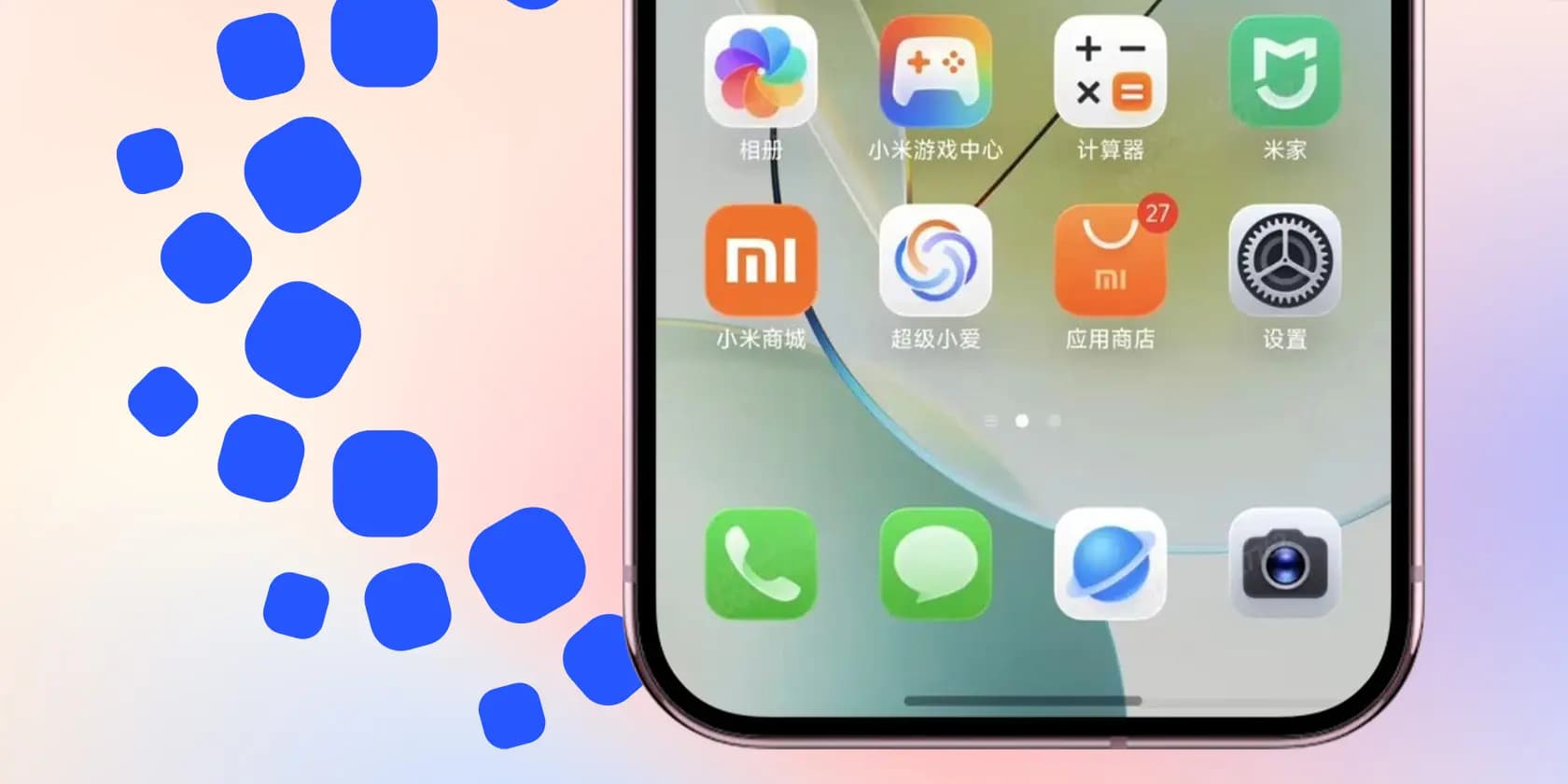
Xiaomi has started rolling out stable Android 17 to the Xiaomi 17, Xiaomi 17 Ultra, and Xiaomi 17T Pro, packaged under the HyperOS 3 label. A Confusing Label, But a Real Platform Jump The HyperOS 3 branding is the same one Xiaomi already used for its Android 16 rollout, which makes the naming a bit […]
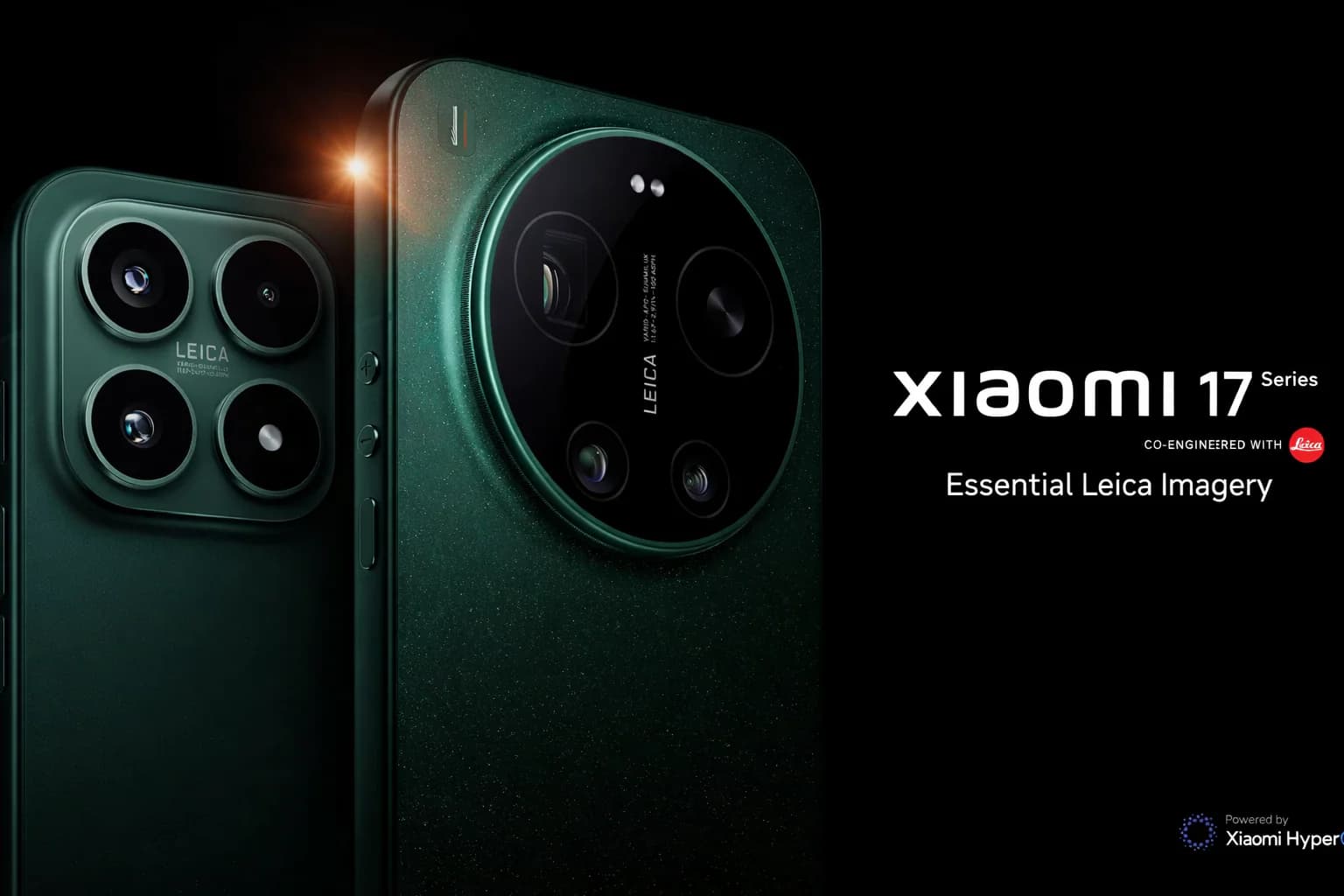
Google is rolling out the stable Android 17 and Wear OS 7 updates for compatible Pixel phones and watches. Beyond the new features these releases bring, both updates come packed with bug fixes and general improvements aimed at smoothing out the overall experience. Many of the changes target long-standing annoyances, while several underlying improvements should […]
Comments & Discussions
Join the conversation! We use Disqus to handle comments. Click the button below to load the comment section.