

The Snapdragon 8 Elite and Snapdragon 8s Gen 4 share a name but target completely distinct segments of the mobile industry. On paper, the 8 Elite is a standout. It is Qualcomm’s most sophisticated SoC, delivering maximum raw performance, AI intelligence, and multimedia capability.
The 8s Gen 4 is a leaner, more economical processor that inherits features from its more powerful sister while making a few smart compromises.
Whether you are attempting to decide whether the 8s Gen 4 will be “good enough” or whether you should stick with the full-fat 8 Elite, it is useful to consider how these two chipsets compare beyond the marketing headlines.
Performance
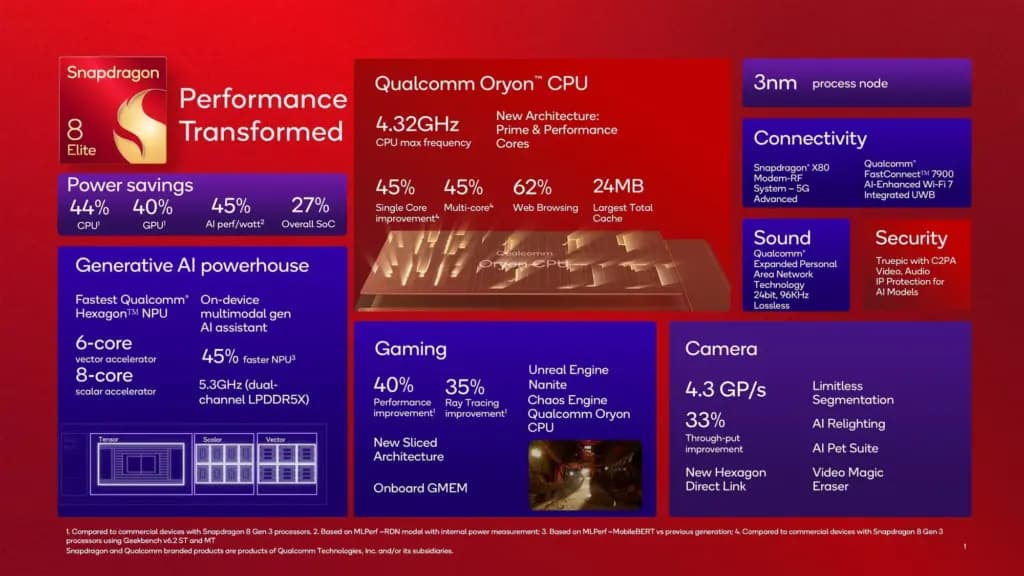
Custom silicon is at the center of this comparison, and the 8 Elite outperforms the competition. Qualcomm’s decision to use its own Oryon CPU cores in the 8 Elite is a significant move. These are not merely modifications to off-the-shelf ARM architectures; they are purpose-built, high-frequency (up to 4.47 GHz) powerhouses that provide up to 45% higher CPU performance and 44% better efficiency than the previous generation.
The 8s Gen 4, on the other hand, employs the well-known Kryo cores, which are effectively optimized ARM cores. It has a Cortex-X4 prime core clocked at 3.2GHz and seven Cortex-A720 cores—three at 3.0GHz, two at 2.80GHz, and two at 2.02GHz.
Qualcomm claims that this arrangement performs 31% better than its predecessor while consuming 39% less power. However, it should come as no surprise that it is not in the same category as the 8 Elite.
AI and on chip capatibilities
Both systems are designed with AI in mind, but there is a difference in scale. The Snapdragon 8 Elite employs a Hexagon NPU that provides higher performance per watt and supports a broader range of functions (INT4 to FP16). It also offers on-device personalization, multimodal AI processing, and the Sensing Hub, which provides improved context-aware features.
The 8s Gen 4 also features a Hexagon NPU, which is no slouch. It gets a 2x memory boost, which improves memory bandwidth and efficiency. However, it lacks some of the Elite’s more advanced AI processing functions, such as higher-precision data support and Gen AI connectors for on-device assistants and real-time personalization.
Graphics and gaming performance
The 8 Elite is designed for high-performance mobile gaming. Its Adreno GPU boasts up to 40% faster performance and 40% greater power efficiency, according to a new “sliced architecture” that balances heat and battery depletion.
It includes real-time hardware-accelerated ray tracing, Snapdragon Game Super Resolution 2.0, and Adreno Frame Motion Engine 2.0, which doubles frame speeds with little power consumption. Nanite also supports Unreal Engine 5.3, allowing developers to provide console-quality images to portable devices.
Many of these capabilities, including as ray tracing, Game Super Resolution, and the Adaptive Performance Engine, are also supported by the 8s Gen 4. However, it does not include complete support for Unreal 5.3 or the Frame Motion Engine.
The GPU in the 8s Gen 4 shares the same sliced architecture as the 8 Elite. It is merely that the former has two slices whereas the Elite chip has three, which creates a difference in performance.
Connectivity
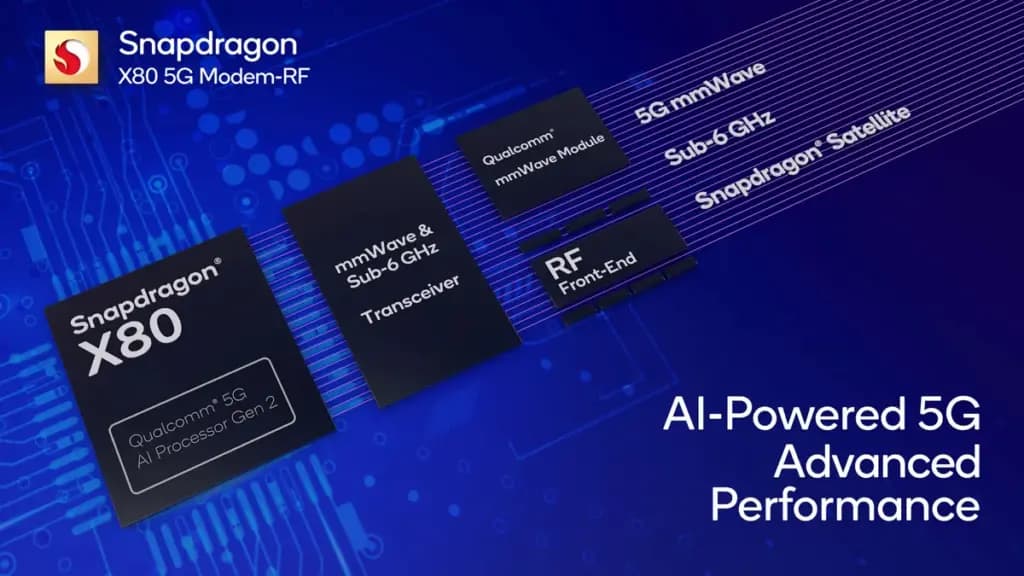
The 8 Elite includes Qualcomm’s top-tier Snapdragon X80 modem, which has peak download rates of 10Gbps and supports 6x carrier aggregation, dual SIM, and even UWB and Wi-Fi 7 with FastConnect 7900. It is also powered by Qualcomm’s 5G AI Suite Gen 3, which dynamically modifies connection parameters to save power and reduce latency.
The 8s Gen 4 makes do with a lower-end Snapdragon 5G Modem-RF System. The top download speed is 4.2 Gbps, with a restricted 4×4 MIMO arrangement. Nonetheless, it offers Wi-Fi 7 and Bluetooth 6.0 via Qualcomm FastConnect, as well as support for Snapdragon Seamless for cross-device networking.
Media and power
The 8 Elite supports QHD+ screens at 240Hz, 8K external monitors, and the HDR10+, Dolby Vision, and HDR Vivid formats. It also has Snapdragon Sound, aptX Lossless, and Quick Charge 5 for faster charging.
The 8s Gen 4 supports the majority of these features, including Snapdragon Sound, HDR video formats, Wi-Fi audio (XPAN), and Quick Charge 5, but does not support external 8K screens.
Specs comparison
| Spec | Snapdragon 8 Elite | Snapdragon 8s Gen 4 |
| Architecture | 3nm | 4nm |
| CPU Core Configuration | – Custom Oryon CPU @ up to 4.47GHz – 64-bit architecture | – Kryo CPU – 64-bit architecture– Clock speed up to 3.2GHz |
| GPU | Adreno 830 | Adreno 825 |
| NPU (AI Engine) | – Hexagon NPU – Supports INT4, INT8, INT16, FP16 – On-device personalization, fused AI, Micro Tile Inferencing | – Hexagon NPU – Supports INT4, INT8 – 2x larger shared memory for bandwidth boosts |
| Memory Type | LPDDR5X @ 5.3GHz | LPDDR5X @ 4800 MHz |
| Modem | Snapdragon X80 5G Modem-RF System – Up to 10 Gbps download – 3.5 Gbps upload – 8-carrier mmWave, 4×6 MIMO Sub-6 | Snapdragon 5G Modem-RF System – Up to 4.2 Gbps download – Likely 3.5 Gbps upload – 4×4 MIMO Sub-6 |
| Connectivity | – Wi-Fi 7 (FastConnect 7900) – Bluetooth 6.0 – UWB – AI-optimized Wi-Fi, XPAN, HBS Multi-Link | – Wi-Fi 7 (FastConnect platform) – Bluetooth 6.0 – UWB – XPAN, HBS Multi-Link |
| ISP | Spectra 18-bit Triple AI ISP – Real-time AI Relighting – Ultra Low-Light video – Truepic capture with C2PA – Video Object Eraser | Spectra 18-bit Triple AI ISP – Night Vision 2.0 (4K@30fps) – Real-time skin/sky tone correction – Always-sensing camera |
| Display Support | Up to QHD+ @ 240Hz (on-device) 8K @ 30Hz (external) HDR10+, Dolby Vision, 10-bit Rec. 2020 | Up to WQHD+ @ 144Hz (on-device) 4K @ 60Hz (external) HDR10+, Dolby Vision, 10-bit Rec. 2020 |
| Video Playback | 8K @ 60fps Supports Dolby Vision, HDR10+, AV1, H.265 | 8K @ 60fps Supports Dolby Vision, HDR10+, AV1, H.265 |
| Camera Support | – Up to 320MP single camera – 48+48+48 MP triple (ZSL) – 8K video capture @ 30fps – Video Super Resolution | – Up to 320MP single camera – 36 MP triple (ZSL) – 4K video capture @ 60fps – Motion Compensated Temporal Filtering |
| Charging | Quick Charge 5 | Quick Charge 5 |
| Security | – Qualcomm SPU – 3D Sonic Sensor Max – Face, Fingerprint, Iris, Voice – Type-1 Hypervisor | – Qualcomm TEE – 3D Sonic Sensor Max – Face & Fingerprint – Type-1 Hypervisor |
| Storage | UFS 4.0 | UFS 4.0 |
| USB | USB 3.1 Gen2 (USB-C) | USB 3.1 Gen2 (USB-C) |
At the end of the day, the Snapdragon 8 Elite is a no-compromise SoC designed for devices that want to be the best in everything. Whether it is gaming, camera, connection, or AI functionality.
In contrast, the 8s Gen 4 streamlines many of those premium experiences. It will power more cheap high-end devices (such as $500-$800 phones) while maintaining competitive gaming, AI, and photography capabilities for the majority of customers.
In short, the 8 Elite is the chip for those who want it all. The 8s Gen 4 is the model to choose if you want just enough.
Google Pixel Watch 5 (45mm)

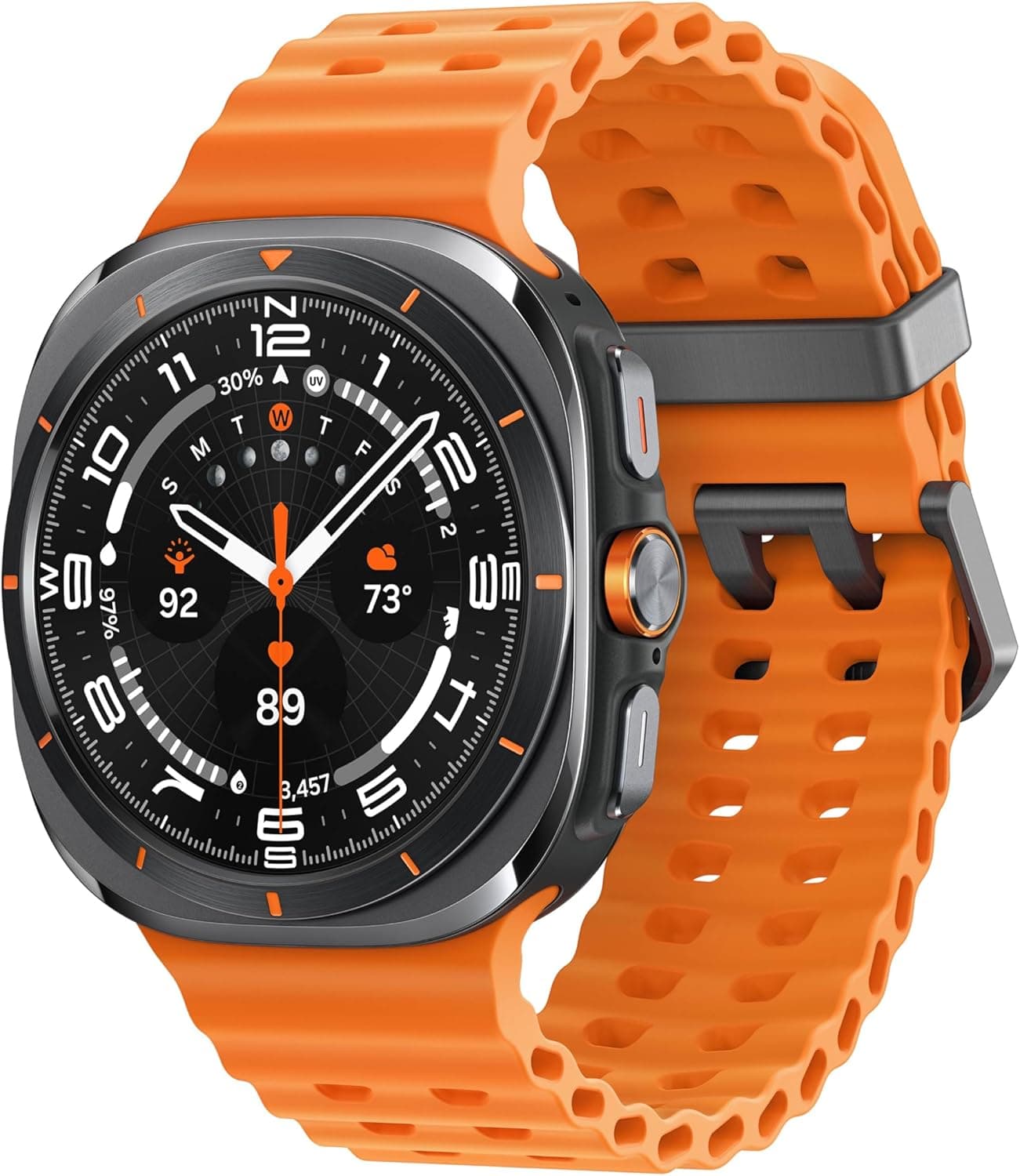
Samsung Galaxy Watch 8


Keep Reading
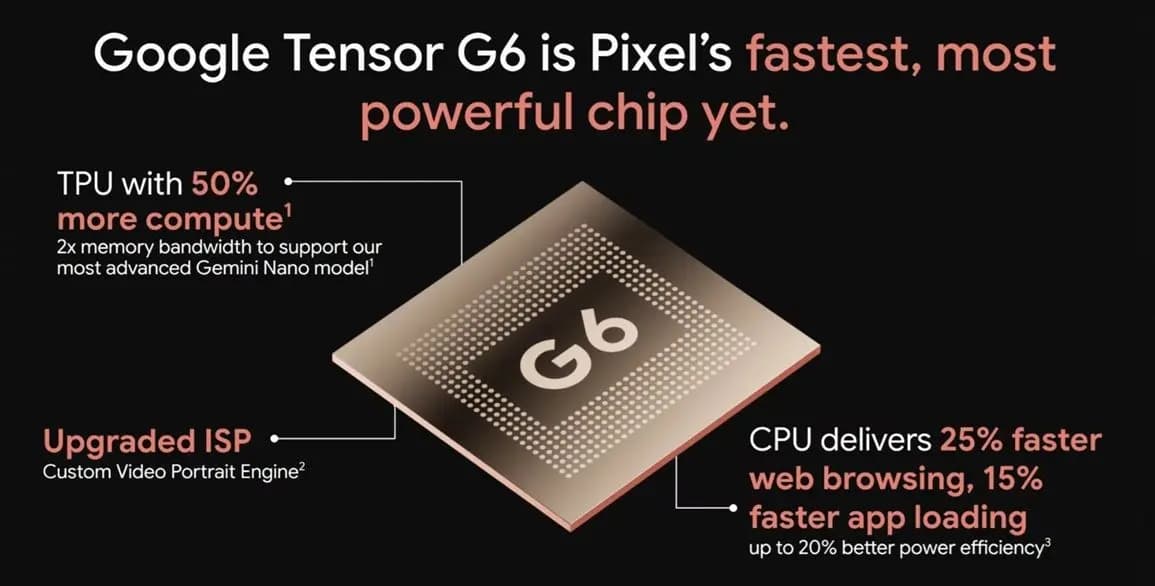
Google Tensor G6 is the custom processor powering the Pixel 11 series and Pixel 11 Pro Fold, with Google prioritizing energy efficiency and on-device AI over benchmark-leading specifications. The chip brings an upgraded CPU, a faster TPU, a new ISP, and a custom modem, enabling features that include 4K Portrait Video, Instant Night Sight, and […]
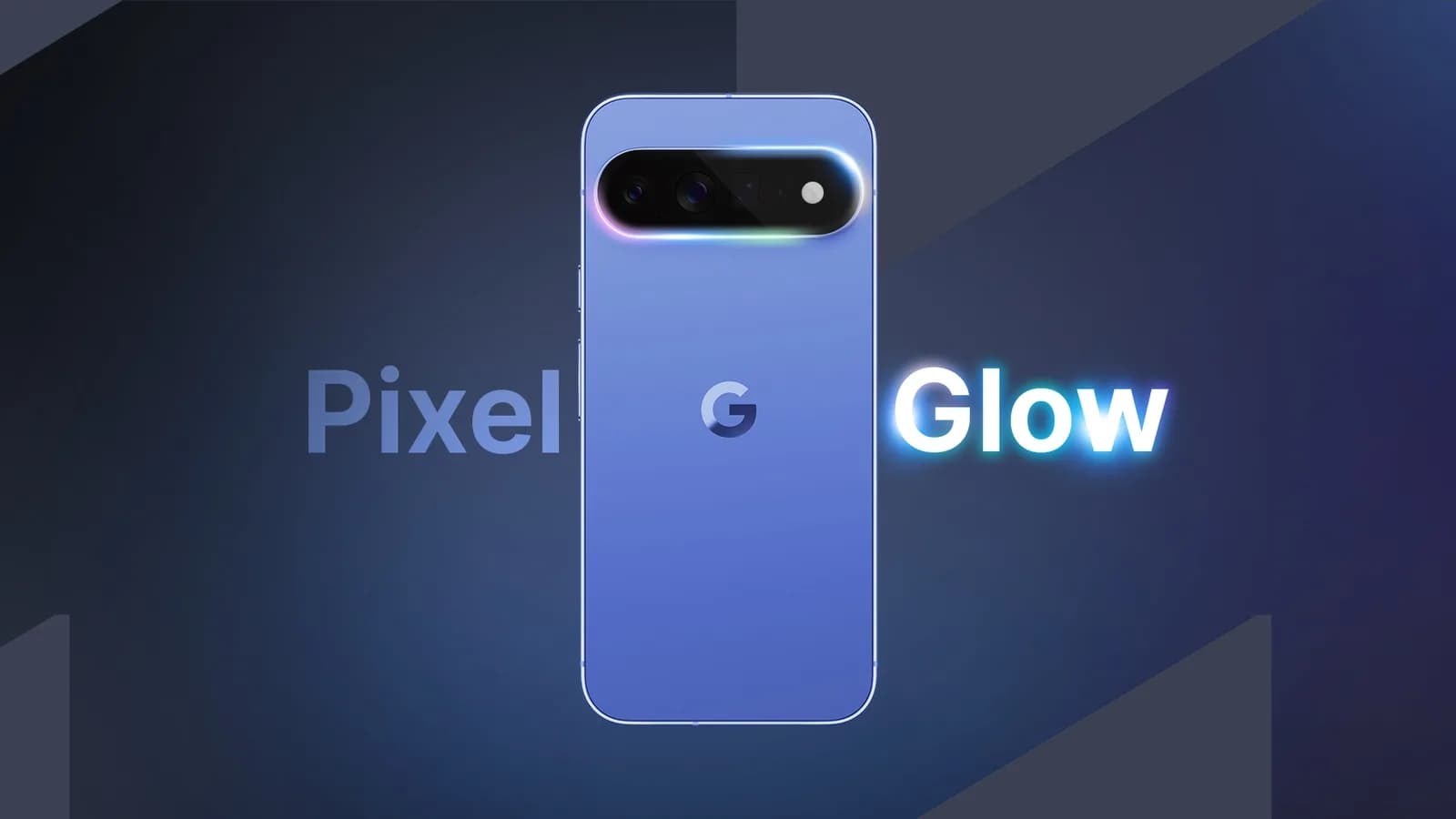
Google Pixel HiLight is the official name of the ambient LED system built around the camera flash on Google’s new Pro phones. Previously known through leaks as Pixel Glow, the feature can show favorite-contact calls and Gemini activity while the phone remains face down. It is exclusive to the Pixel 11 Pro, Pixel 11 Pro […]
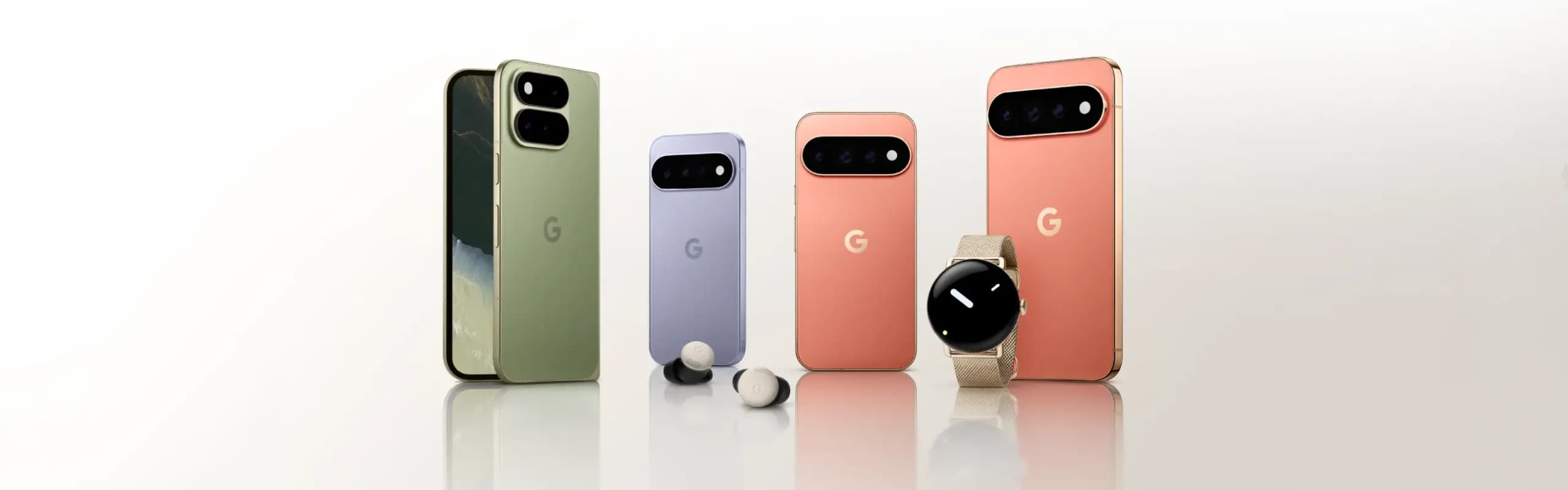
While the actual Made by Google 2026 event is still eight hours away, Google has already fully detailed the Pixel 11, Pixel Watch 5, and Pixel Tag. Here’s a rundown of everything announced at Made by Google 2026, covering the Pixel 11 lineup along with the new watch and tracker hardware. Pixel 11 The Pixel […]
Google will begin shutting down Google Assistant on Android phones starting September 4, moving users over to Gemini as the company’s default mobile voice assistant. The change comes via an email Google has started sending to users, as reported by Ars Technica. Rollout Will Happen Gradually The transition won’t happen for everyone on the same […]
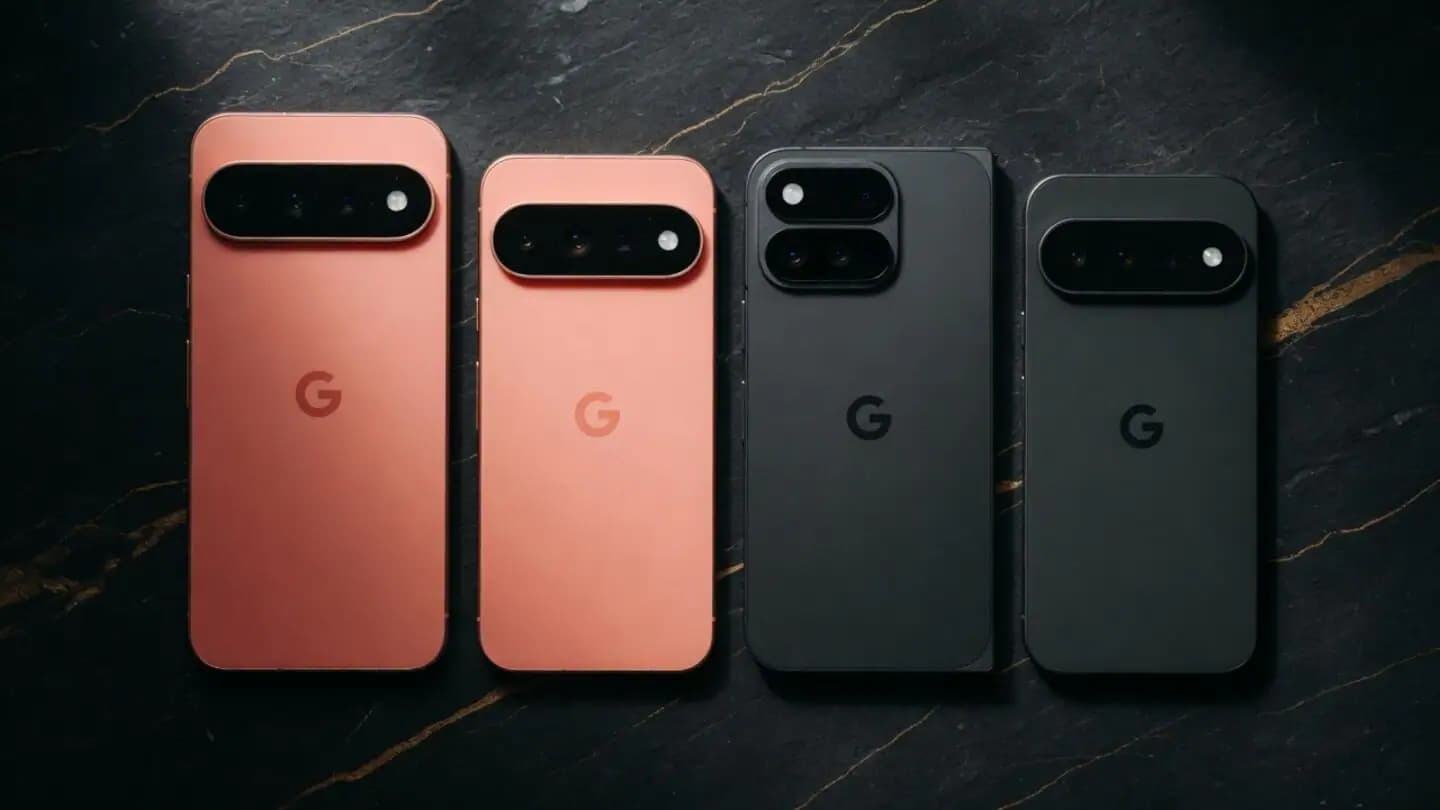
Google is set to unveil its Pixel 11 series on August 12, with the Pixel 11, Pixel 11 Pro, Pixel 11 Pro XL, and Pixel 11 Pro Fold expected to headline the company’s annual hardware event. Google is also expected to announce the Pixel Watch 5 and could introduce the Pixel Tag, its first Bluetooth […]
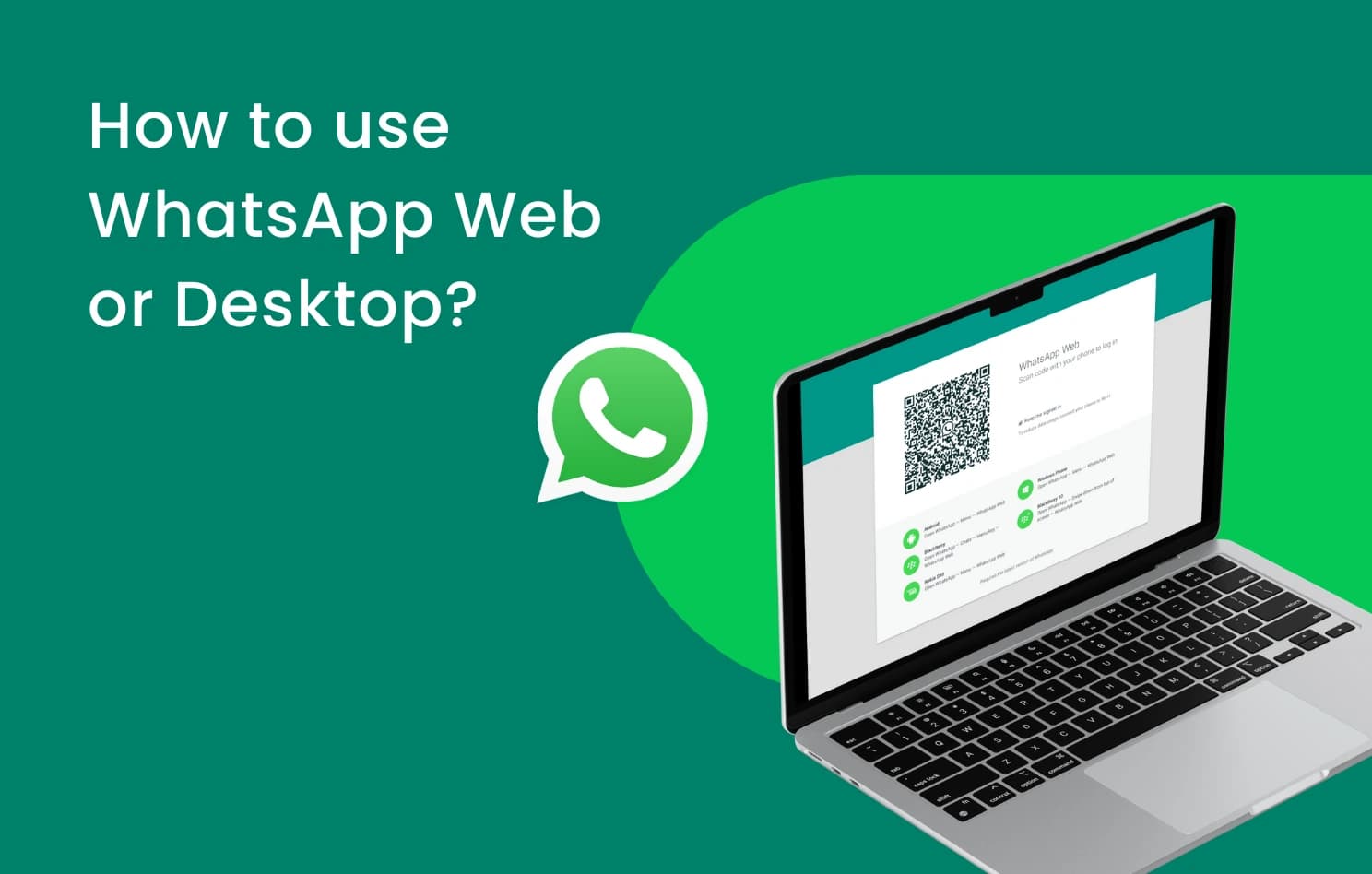
WhatsApp is finally addressing one of the biggest gaps in its web client, as WhatsApp Web now supports audio and video calls. This requires no download or installation, since it’s built directly into WhatsApp Web, which has also picked up support for screen sharing, reactions, and a dedicated Calls tab showing full call history and […]
Comments & Discussions
Join the conversation! We use Disqus to handle comments. Click the button below to load the comment section.