Google is set to unveil its Pixel 11 series on August 12, with the Pixel 11, Pixel 11 Pro, Pixel 11 Pro XL, and Pixel 11 Pro Fold expected to headline the company's annual hardware event. Google is also expected to announce the Pixel Watch 5 and could introduce the Pixel Tag, its first Bluetooth ...
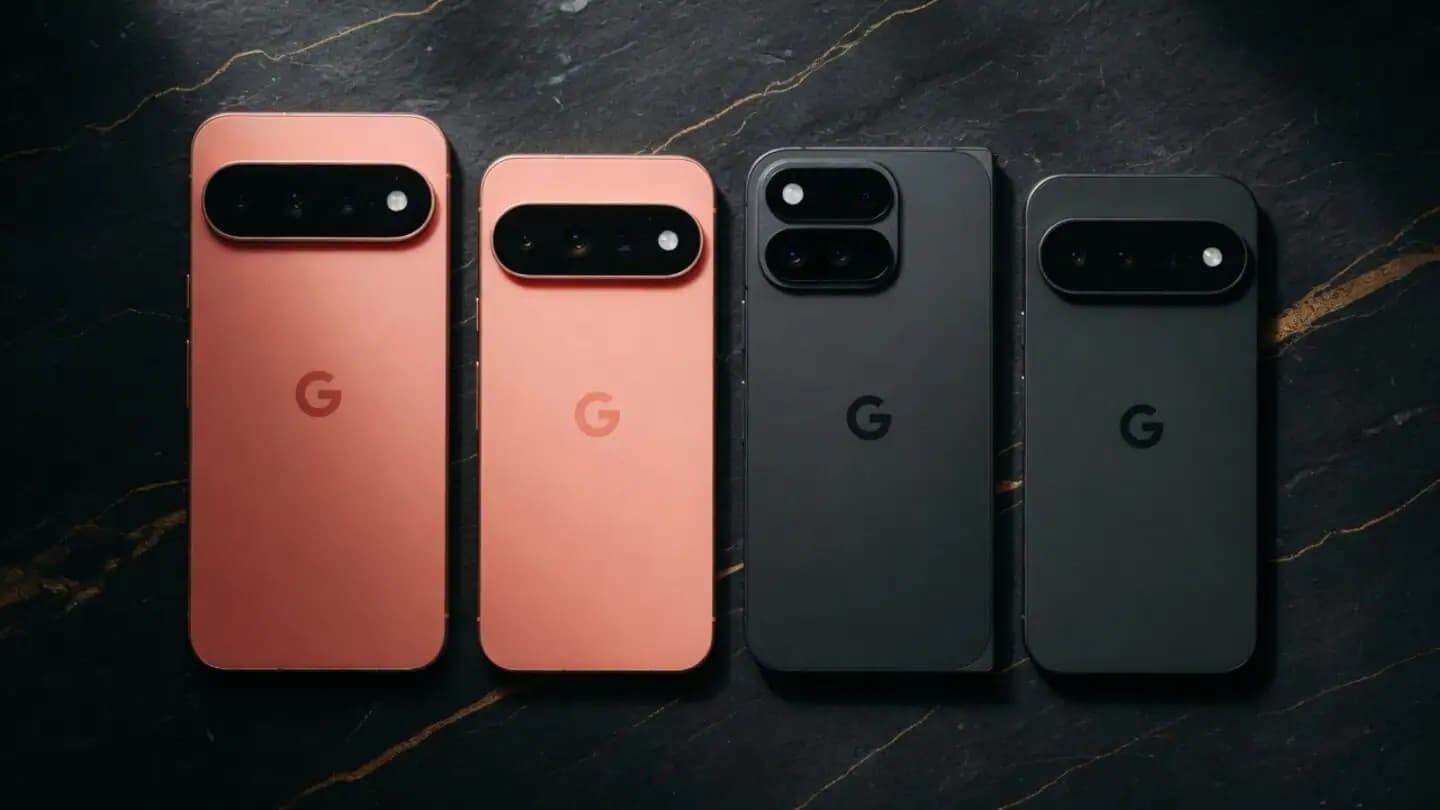
Google is set to unveil its Pixel 11 series on August 12, with the Pixel 11, Pixel 11 Pro, Pixel 11 Pro XL, and Pixel 11 Pro Fold expected to headline the company’s annual hardware event. Google is also expected to announce the Pixel Watch 5 and could introduce the Pixel Tag, its first Bluetooth tracker.
The upcoming Pixel smartphones are expected to be powered by Google’s Tensor G6 processor, with reports pointing to a 2-nanometre manufacturing process and new AI capabilities. Other reported additions include Pixel Glow, an RGB LED notification light built into the camera bar, and a MediaTek M90 modem replacing the Samsung Exynos modem used in previous generations.

Google has confirmed that the Made by Google event will take place in New York on August 12 at 6:00 pm ET, or 3:30 am IST on August 13. The company has also confirmed that Pixel 11 pre-orders will open on the day of the launch event.
The Pixel 11 is expected to serve as the entry point into Google’s flagship smartphone lineup. According to 9to5Google, the phone is likely to run on the Tensor G6 processor and ship with Android 17. Like its predecessor, the Pixel 11 could feature a triple-camera system made up of a 48-megapixel primary sensor, a 13-megapixel ultra-wide camera, and a 10-megapixel telephoto lens. A 10-megapixel front-facing camera is expected to handle selfies and video calls.
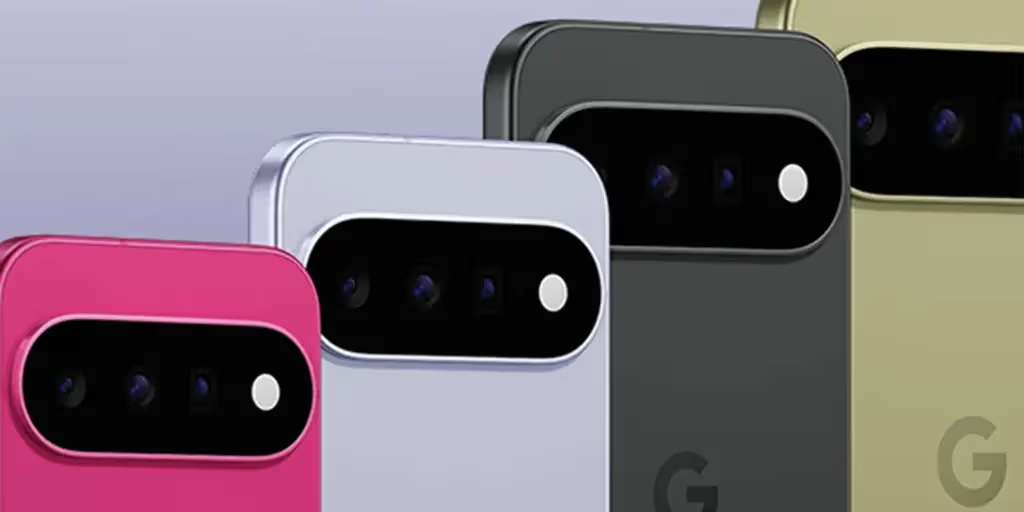
Reports suggest the smartphone could carry a battery capacity of around 5,000 mAh, with both wired and wireless charging support. The standard Pixel 11 is also expected to retain a relatively compact form factor compared to its Pro siblings.
The Pixel 11 Pro is expected to sit between the standard Pixel 11 and the larger Pixel 11 Pro XL in terms of size and features.
The phone could retain the 6.3-inch display size of the current model, but switch to a low-temperature polycrystalline oxide (LTPO) OLED panel, allowing the refresh rate to adjust dynamically based on on-screen content. Like the Pixel 11, the Pro model is expected to run the Tensor G6 processor alongside Android 17.
Camera hardware is likely to be one of the main differentiators between the standard and Pro models. Reports point to a triple-camera setup comprising a 50-megapixel primary sensor, a 48-megapixel ultra-wide camera, and a 48-megapixel periscope telephoto camera, with the telephoto expected to offer longer-range optical zoom. The Pixel 11 Pro is also expected to receive a larger battery, faster charging, and additional storage configurations.
The Pixel 11 Pro XL is expected to offer much of the same hardware as the Pixel 11 Pro, packaged in a larger body. It could feature a 6.8-inch LTPO OLED display with a 120Hz refresh rate.
The larger phone is expected to use the same Tensor G6 processor and triple-camera system as the Pro model, including a 50-megapixel primary sensor, a 48-megapixel ultra-wide camera, and a 48-megapixel telephoto camera. The biggest difference is likely to come down to battery capacity, with the Pixel 11 Pro XL expected to exceed 5,000 mAh and offer faster wired charging.
The Pixel 11 Pro Fold is expected to be Google’s most expensive device at the event and its next-generation foldable smartphone. Reports suggest the foldable could feature an internal display of around 8 inches paired with a 6.4-inch external cover screen, with both panels expected to support high refresh rates.
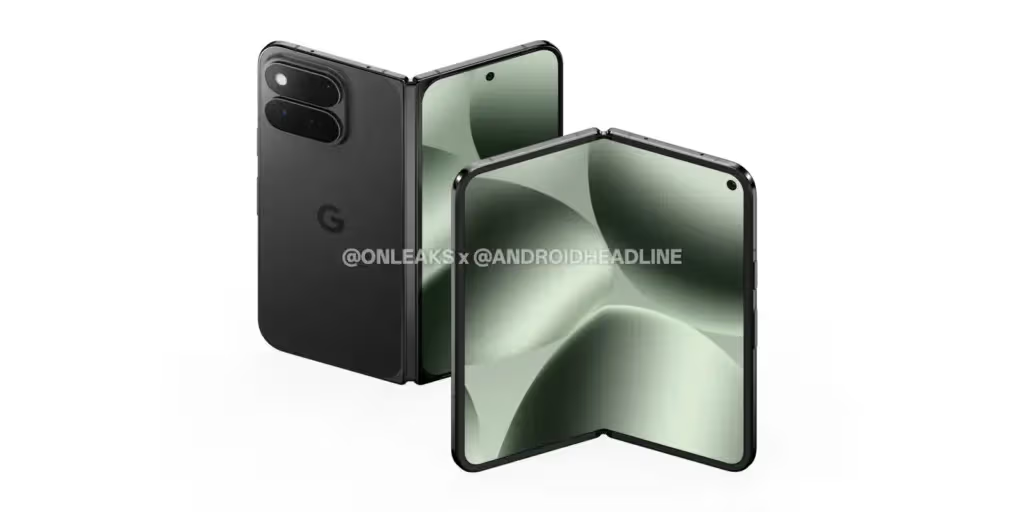
The device is expected to run on the Tensor G6 chip and could feature a triple-camera system consisting of a 48-megapixel primary camera, a 10.5-megapixel ultra-wide camera, and a 10.8-megapixel telephoto camera with 5x optical zoom. The Pixel 11 Pro Fold is also expected to bring improvements to its hinge mechanism and overall design.
The Pixel 11 series is expected to be accompanied by the Pixel Watch 5, which Google has already begun teasing ahead of the August 12 event.
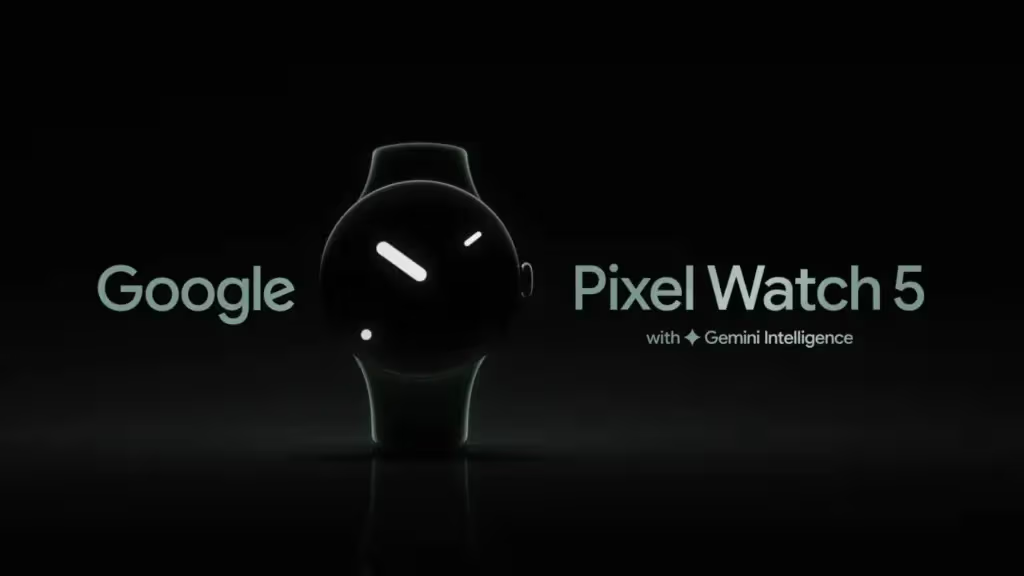
The Pixel Watch 5 is expected to come in 41mm and 45mm sizes, featuring an LTPO AMOLED display with a variable refresh rate and higher brightness. Recent information from the Google Play Console suggests the Watch 5 could retain Qualcomm’s SW5100 platform used in previous generations, rather than move to an entirely new chipset. It’s also expected to receive 3GB of RAM, up from 2GB in the previous generation, potentially supporting new Gemini Intelligence features.
The Pixel Watch 5 is expected to add more health and AI-focused capabilities. Reports suggest Gemini Intelligence could be available directly on the smartwatch, letting users access AI-powered features from their wrist. Google is also expected to continue expanding health and safety features, alongside improvements to sleep tracking.
Another product that could appear at the event is the Pixel Tag, a Bluetooth-based tracker designed to help users locate personal belongings. The device would compete with Apple’s AirTag and similar trackers from Samsung and other companies.
A Google-branded tracker would fit into the company’s broader Find Hub ecosystem, which already supports third-party Bluetooth trackers and lets users locate compatible devices and accessories. Details about the Pixel Tag remain limited, and Google has not confirmed its launch.
Pricing, battery life, and availability for any devices announced are likely to be revealed at the event itself.

Google Pixel Watch 4

Robert Haba is the founder and editor-in-chief of Droid Tools. A lifelong gadget enthusiast with over a decade following the Android ecosystem, he built this publication to cut through the noise and give readers honest, real-world coverage of the tech they actually use.

Developers can now run iOS on Android phones using a modified XNU kernel, though key features like cellular data and cameras remain broken on early ports.

Leaked European pricing for the Xiaomi 18 Pro points to a €1,449 starting price alongside smaller battery capacities and 90W charging.

Honor AI Smart Grip adjusts incoming call buttons based on your hand position as the MagicOS feature expands to Magic 6 phones and later models.

Google phone number verification reportedly links saved phone numbers across all signed-in Google accounts on an Android device without prompts.
The next story loads as you reach the end. You can also load it using the button.


Comments & Discussions
Join the conversation! We use Disqus to handle comments. Click the button below to load the comment section.