The Helio G200, MediaTek's newest chipset, was formally announced. It significantly improves the low-cost phone lineup, which is dominated by Xiaomi phones. Utilizing the advancements of its predecessor, the Helio G100, which powered the well-liked Redmi Note 14 Pro 4G, this new chip delivers significant improvements to networking and camera management. The G200 is a ...

The Helio G200, MediaTek’s newest chipset, was formally announced. It significantly improves the low-cost phone lineup, which is dominated by Xiaomi phones. Utilizing the advancements of its predecessor, the Helio G100, which powered the well-liked Redmi Note 14 Pro 4G, this new chip delivers significant improvements to networking and camera management.
The G200 is a component of MediaTek’s continuous effort to offer premium features at reasonable costs, which is exactly in line with Xiaomi’s own strategy in the smartphone market.
The MediaTek Helio G200 features the same core architecture as the previous one but with several significant upgrades:
MediaTek’s HyperEngine technology, which adjusts the network connections, display settings, and touch input while gaming, further strengthens the processor’s gaming capabilities.

One of the greatest advancements in the G200 is in its imaging abilities:
Because of these enhancements, the G200 is a desirable option for smartphone manufacturers looking to offer exceptional photography capabilities in mid-range devices.
The Helio G200 features several new connectivity features not available in the G100:

We should expect Xiaomi’s upcoming mid-range smartphones to employ this new G200 chip, as the Redmi Note 14 Pro 4G uses the Helio G100. Better gaming performance, better photography, and more reliable connectivity would all be supported by the updated specifications without significantly increasing the devices‘ price.
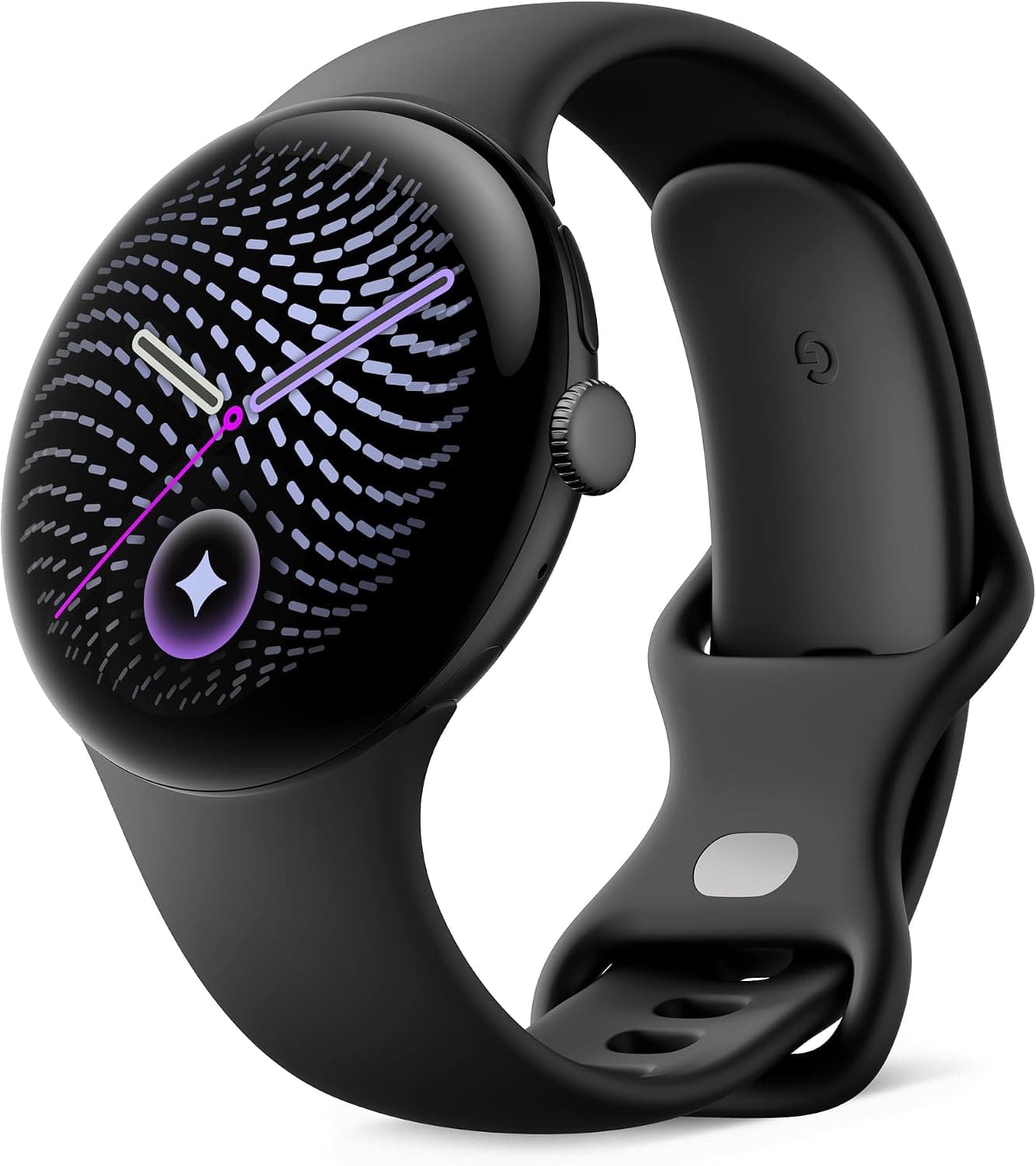
Google Pixel Watch 5 (45mm)

Robert Haba is the founder and editor-in-chief of Droid Tools. A lifelong gadget enthusiast with over a decade following the Android ecosystem, he built this publication to cut through the noise and give readers honest, real-world coverage of the tech they actually use.

Southeast Asia smartphone shipments fell 36% in Q3 2026 to 16.5 million units as memory costs climbed, while average selling prices jumped 53%.

ArcticRAT malware uses a commercial LLM to analyze stolen SMS messages, estimate victim finances, and enable full takeover of infected Android phones.
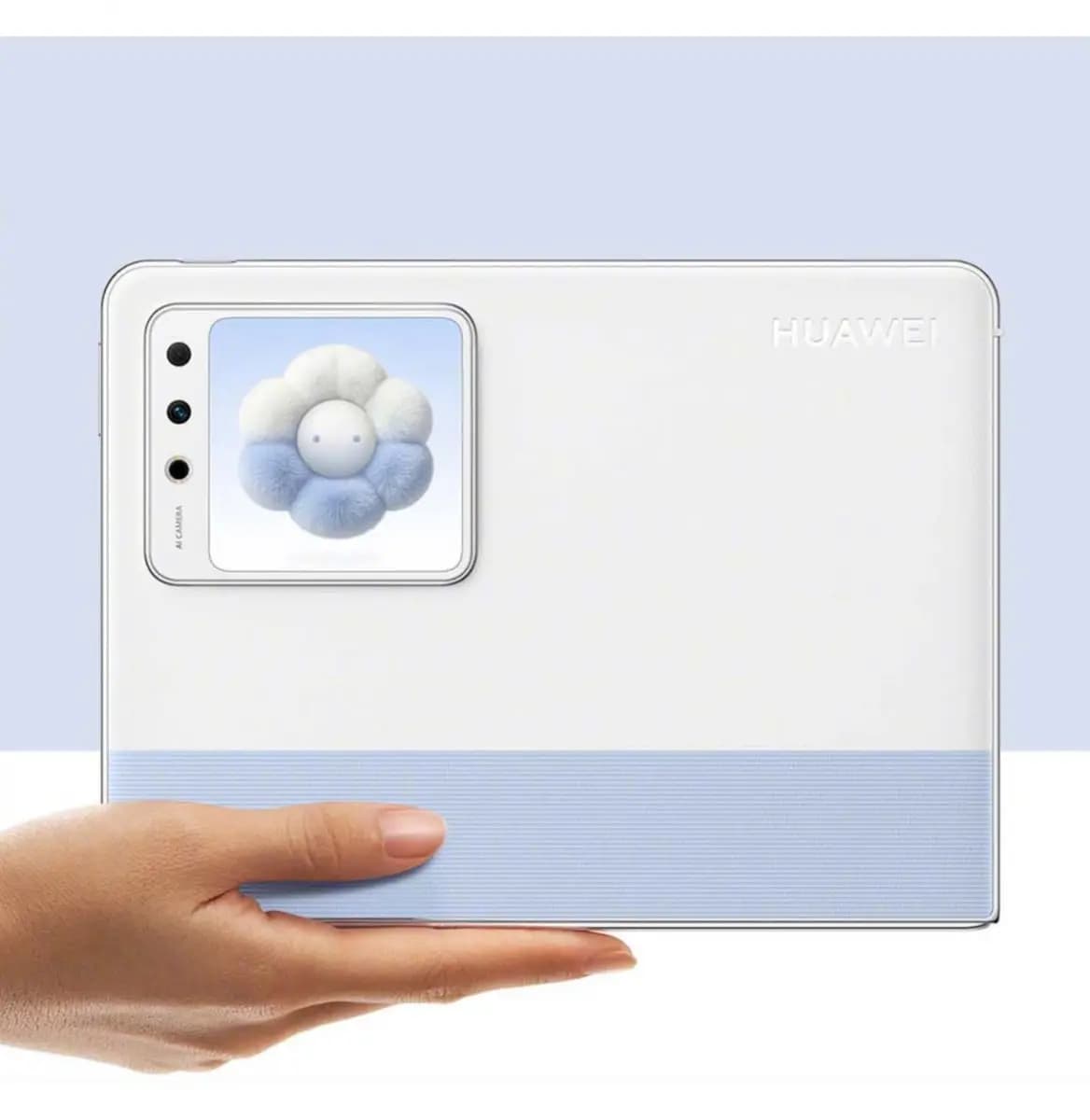
Leaked photos of the Huawei MateBook Fold S show its folding keyboard, virtual layout, possible dual-layer OLED, and November 14 pre-order date.
Huawei led the China tablet market in Q3 2026 with a 24.1% share despite higher prices and a 22.3% industry contraction, according to IDC.
The next story loads as you reach the end. You can also load it using the button.


Comments & Discussions
Join the conversation! We use Disqus to handle comments. Click the button below to load the comment section.