
Android 17 network privacy is expanding with several protections aimed at keeping apps, carriers, and outside observers from learning more than they need to know about a user’s connections. In an Aug. 27 report, Stephen Schenck at Android Authority says Google’s latest changes include Encrypted Client Hello, tighter local-network access, default Certificate Transparency, and carrier-controlled defenses against SMS Blaster attacks.
The most significant addition is Encrypted Client Hello, or ECH. The protocol addresses a gap that can remain visible even when the traffic sent between a phone and a website is encrypted: the server name requested while establishing that connection.
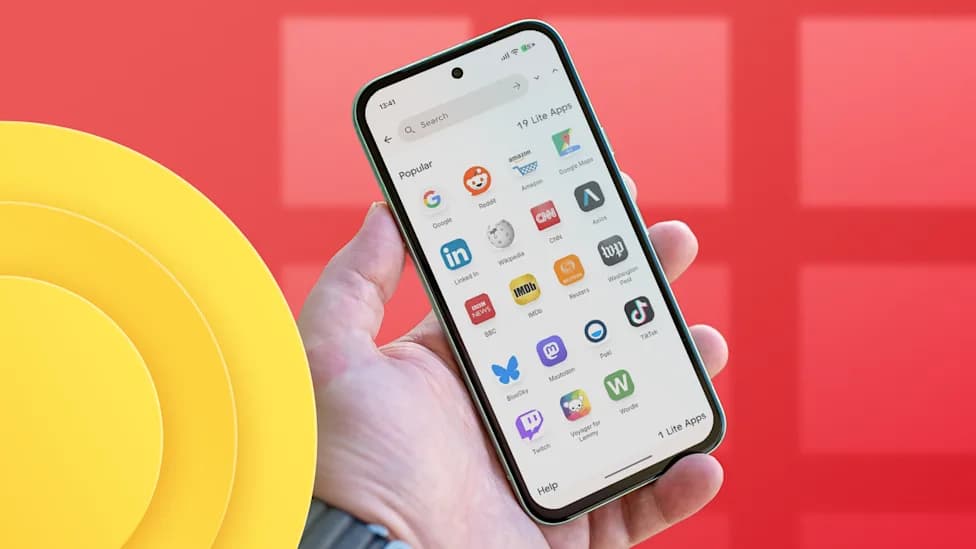
Before a phone can communicate with a website, DNS resolves the site’s name to its server IP address. That lookup has historically exposed the requested domain, allowing someone monitoring the connection to see which site a user intends to visit even if the subsequent data is encrypted.
Privacy technologies such as DNS-over-TLS have already tried to reduce that exposure. ECH takes the protection further by encrypting server names while they are being transmitted. When a site does not support the protocol, Android 17 sends random data instead, preventing an observer from using the unsupported response to draw additional conclusions about the types of sites being requested.
Google describes Android 17 as the first major mobile platform to adopt ECH broadly. Its presence across a large Android user base could give server administrators more reason to add compatible support, although the privacy benefit depends on ECH being properly deployed.
Android 17 also changes what apps can learn from a home network. The tighter rules are designed to stop applications from freely probing local devices for fingerprinting information or identifying potentially vulnerable network hardware.
Certificate Transparency is enabled by default as another network safeguard. This helps Android check that a phone is using the proper SSL certificate for the server it is contacting, reducing the risk associated with improper certificates.
The update also expands Android’s defenses against SMS Blaster attacks. These attacks use fake cellular towers to send unwanted or potentially malicious text messages, resembling the way “stingray” equipment can imitate a cell tower to identify and track phones.
Android has already been strengthening its defenses against stingray-style equipment. The SMS Blaster measure extends that work to fake towers used for unwanted or potentially harmful message delivery.
Android 17 gives carriers the ability to enable the protection without requiring action from the phone owner. That allows them to block low-security 2G connections by default, closing off the type of connection used by these fake-tower attacks.
Together, the changes address several different stages of network communication: apps inspecting a local network, phones validating server certificates, DNS-related information revealing requested sites, and devices connecting to insecure cellular infrastructure. ECH may be the headline addition, but Android 17’s wider approach is intended to reveal less information across each of those points.
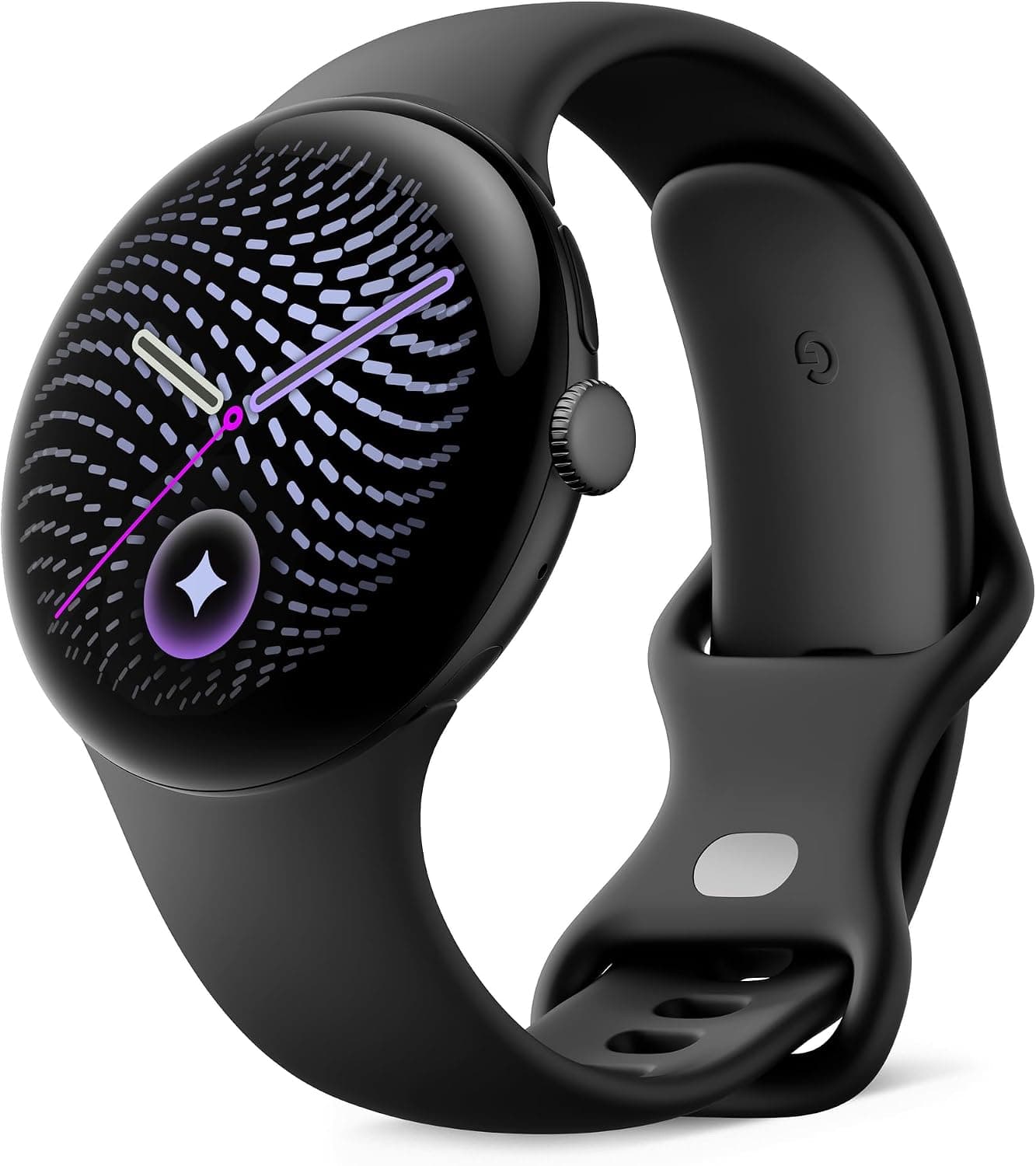
Google Pixel Watch 5 (45mm)

Robert Haba is the founder and editor-in-chief of Droid Tools. A lifelong gadget enthusiast with over a decade following the Android ecosystem, he built this publication to cut through the noise and give readers honest, real-world coverage of the tech they actually use.

Google has released Android 17 QPR2 Beta 7 for eligible Pixel smartphones and tablets, a bug-fix build that arrives even though testing for the newer QPR3 branch began last week. Carrying build number CP41.260831.016, the update adds no new interface features. It instead targets two frustrating problems that beta testers reported through the issue tracker […]

Forgetting a PIN right after setting it is a common frustration, and a new teardown suggests Android could eventually offer a way around it without resorting to a factory reset: unlocking a forgotten phone using nothing but a Google account. What the teardown found Tipster AssembleDebug dug through the code of Android 17 QPR2 Beta […]

Google has released Android 17 QPR3 Beta 1 to every still-supported Pixel device, from the Pixel 6a through the new Pixel 11 series, and the rollout arrived earlier than expected this afternoon. The update looks sizable, carrying fixes for at least 20 bugs that had carried over from QPR2. The beta ships as build DP11.260918.005 […]

The previous Android 17 QPR2 Beta 6 update mostly focused on fixing bugs that had been plaguing devices for a while, including a substantial issue that caused phones to reboot simply from scrolling through content, along with fixes for letterboxed content leaking through the status bar during app transitions and a Pixel 9 Pro Fold […]
The next story loads as you reach the end. You can also load it using the button.


Comments & Discussions
Join the conversation! We use Disqus to handle comments. Click the button below to load the comment section.