A contractor’s website has to do more than look polished on a phone. It should help a potential customer understand what the business does, where it works, and how to request a quote. Getting those basics right can be harder than it sounds, especially when a business owner is comparing developers, website platforms, and marketing …

A contractor’s website has to do more than look polished on a phone. It should help a potential customer understand what the business does, where it works, and how to request a quote. Getting those basics right can be harder than it sounds, especially when a business owner is comparing developers, website platforms, and marketing options at the same time.
For builders and repair companies, the best place to start is with the work the site needs to support. A small operation may only need service pages, a gallery, contact details, and a simple quote form. A larger company could need staff profiles, appointment scheduling, several service-area pages, or a way to manage incoming leads. Listing those requirements before talking to a developer makes it easier to compare proposals on substance rather than price alone.
Write down the tasks a visitor should be able to complete. That might mean calling the business, submitting a project description, booking an inspection, or viewing examples of completed work. Keep the list focused: every extra feature adds time to build and may create ongoing costs for hosting, updates, or support.

It is also worth thinking through how the site will be maintained. Who will update opening hours, add new project photos, or change a service area? A content management system can make routine edits simpler, but the developer should explain how it works and whether the business will need a paid subscription or ongoing assistance. Ask for a demonstration using a typical update, not just a tour of the finished homepage.
Mobile usability deserves particular attention. Customers often search for a nearby plumber, roofer, or electrician from a phone, sometimes while dealing with an urgent problem. Contact information should be easy to find, forms should be short enough to complete on a small screen, and images should not slow the page to a crawl. A beautiful desktop design does little good if the quote button is difficult to tap.
A portfolio can show visual style, but it does not tell the whole story. Ask what role the developer played in each example, whether the sites are still supported, and how the work was scoped. If the developer cannot explain how a project’s features relate to a client’s goals, the finished design may not tell you much about how your own project will be handled.
Clear communication matters from the first conversation. A reliable proposal should describe the deliverables, the number of design revisions, the expected schedule, and what is not included. It should also identify who supplies copy, photographs, and branding assets. If the scope is vague, disagreements can arise later over whether a feature was part of the agreed work.
Businesses comparing candidates should also pay attention to signs of a bad web developer, including evasive answers, promises of instant results, or an unclear approach to ownership. Osdire’s guide covers several warning signs that are useful to check before committing to a project. A marketplace can help buyers compare independent service providers, but the brief, questions, and final approval still need to come from the business commissioning the site.
Before work begins, confirm who will own the finished website, domain name, design files, and written content. The business should have administrator access to its hosting account and any tools needed to operate the site. If a developer registers the domain or sets up hosting on the client’s behalf, make sure the account can be transferred and the login details will be provided.
Ask what happens after launch, too. Some developers include a short period for fixing defects; others charge separately for maintenance. Get the terms in writing, including any costs for updates, backups, security monitoring, or help if the site goes offline. A low initial quote may not be the cheapest option if routine changes require a new paid request every time.
Payments should follow clear milestones when possible, such as approval of the design, completion of the main pages, and delivery of the working site. Define what counts as completion and how issues will be reported. On freelance platforms, check how payment protection and approval work before placing an order; for example, Osdire says a buyer’s payment is held while work is underway and released after the delivered work is approved. The practical point is to understand the process before a dispute occurs.

A website is only one part of a business’s online presence. Keep the company name, phone number, service list, and service areas consistent across its main profiles and directories. Add genuine project photographs and useful descriptions, and make sure each service page answers common customer questions rather than repeating the same generic text.
Publishing helpful articles can support that effort when the content is genuinely relevant. A repair business might explain how to spot a roof leak, what to prepare before a renovation quote, or when a damaged pipe needs urgent attention. Businesses exploring specialist publication opportunities can review construction and repairs guest posting sites, then assess whether a publication reaches the audience they want. A link from an article is not a substitute for a clear website or useful service information, and placement should fit the topic rather than exist only to collect backlinks.
Before approving a new site, test it as a customer would: open it on a phone, submit the contact form, check the phone number, and review the service-area details. A straightforward site that works reliably is usually more useful than an ambitious build with features no one maintains. Careful planning, a written scope, and retained ownership give a contractor a better chance of ending up with a tool that supports the business long after launch.
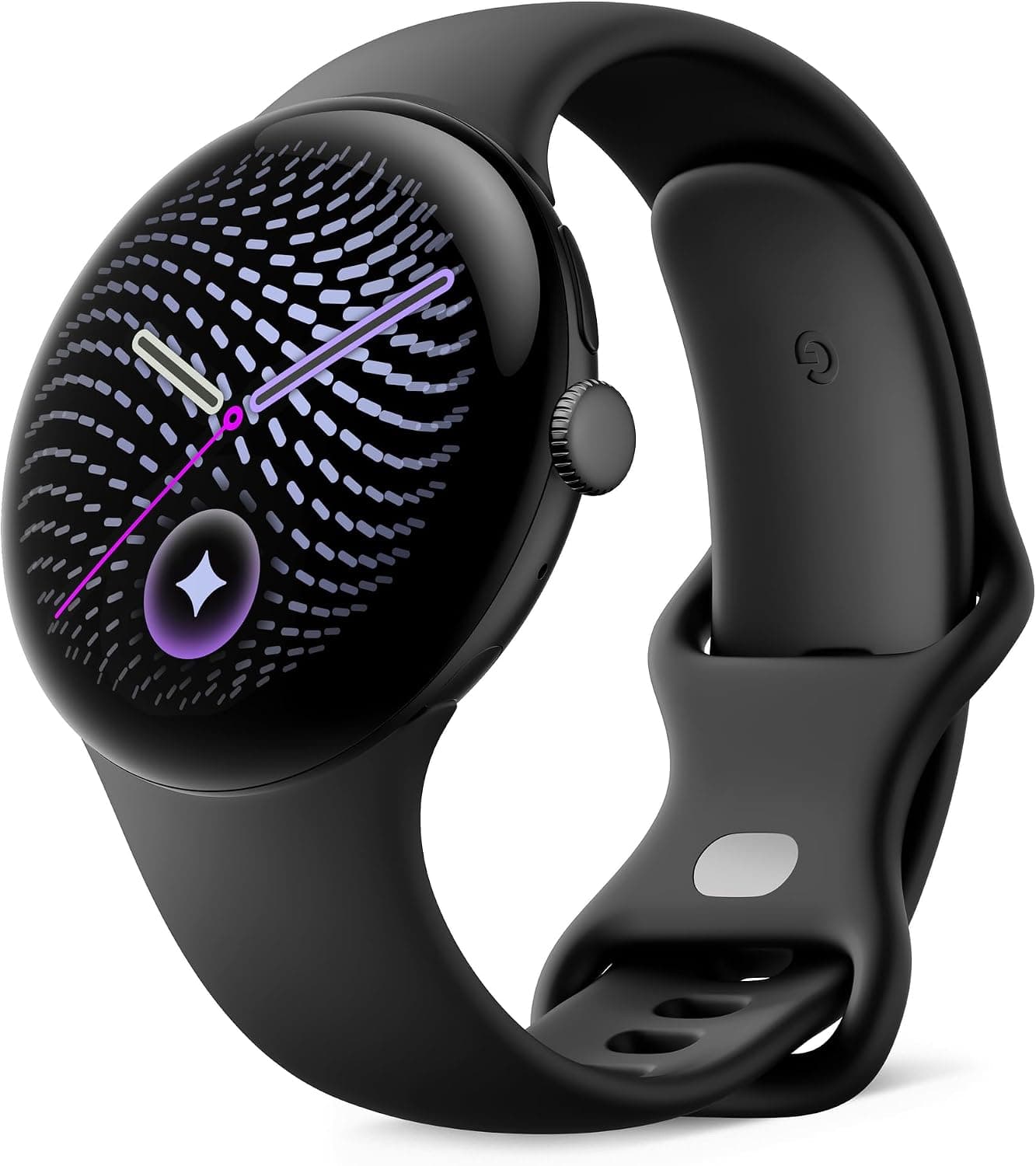
Google Pixel Watch 5 (45mm)

Robert Haba is the founder and editor-in-chief of Droid Tools. A lifelong gadget enthusiast with over a decade following the Android ecosystem, he built this publication to cut through the noise and give readers honest, real-world coverage of the tech they actually use.

Cybersecurity researchers at Huntress have uncovered a campaign where hackers built a custom ChatGPT model to trick people into launching malware on their own PCs, turning one of OpenAI's own features against its users. The campaign starts on Google search. Anyone searching for “chatgpt” might click a sponsored ad at the top of the results […]

Huawei has released its new high-performance Kirin 9050 Pro chipset, and details about the silicon's architecture are now available across CPU, GPU, NPU, modem, security, and cooling. CPU, GPU, and NPU upgrades The chip's LinxiCore CPU supports simultaneous multi-threading and delivers a 24% gain in peak single-core performance alongside a 52% gain in multi-core concurrent […]

September is usually iPhone season, but this year several Android brands are packing their very best hardware into the same four-week stretch, aiming to steal some of the spotlight. More than 20 phones are expected to launch this month alone, and here's a rundown of five of the biggest phone launches on the calendar for […]
Google's Scam Detection feature could be coming to Xiaomi phones next, according to a new APK teardown by Android Authority. The AI-powered scam-call warning tool debuted first on Pixel devices, has since expanded to Samsung's Galaxy S26 series, and has shown signs of heading to vivo phones as well, and Android Authority now says it's […]
The next story loads as you reach the end. You can also load it using the button.


Comments & Discussions
Join the conversation! We use Disqus to handle comments. Click the button below to load the comment section.