Android update policies used to be an afterthought. That's changed: Google and Samsung now guarantee seven years of both OS upgrades and security patches on their flagships, and several other brands have matched that number in the last year and a half. To find the phones worth highlighting, we set three rules: the update promise …
Android update policies used to be an afterthought. That’s changed: Google and Samsung now guarantee seven years of both OS upgrades and security patches on their flagships, and several other brands have matched that number in the last year and a half. To find the phones worth highlighting, we set three rules: the update promise had to come straight from the manufacturer, not a rumor or a projection; the phone had to be something you could actually buy today, even if that meant importing it; and we wanted a real spread of prices, not just five flagships. Here’s where that search landed.
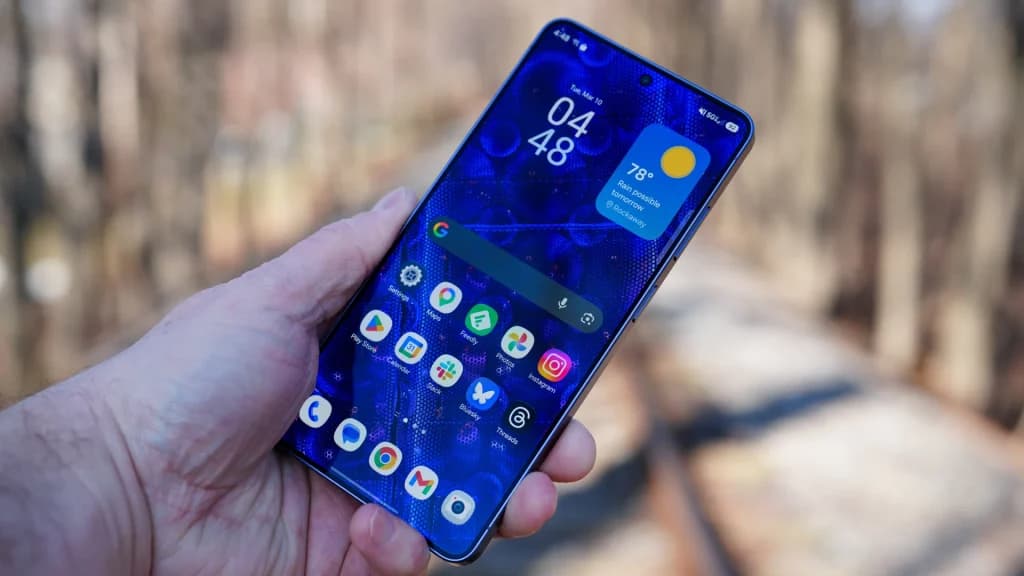
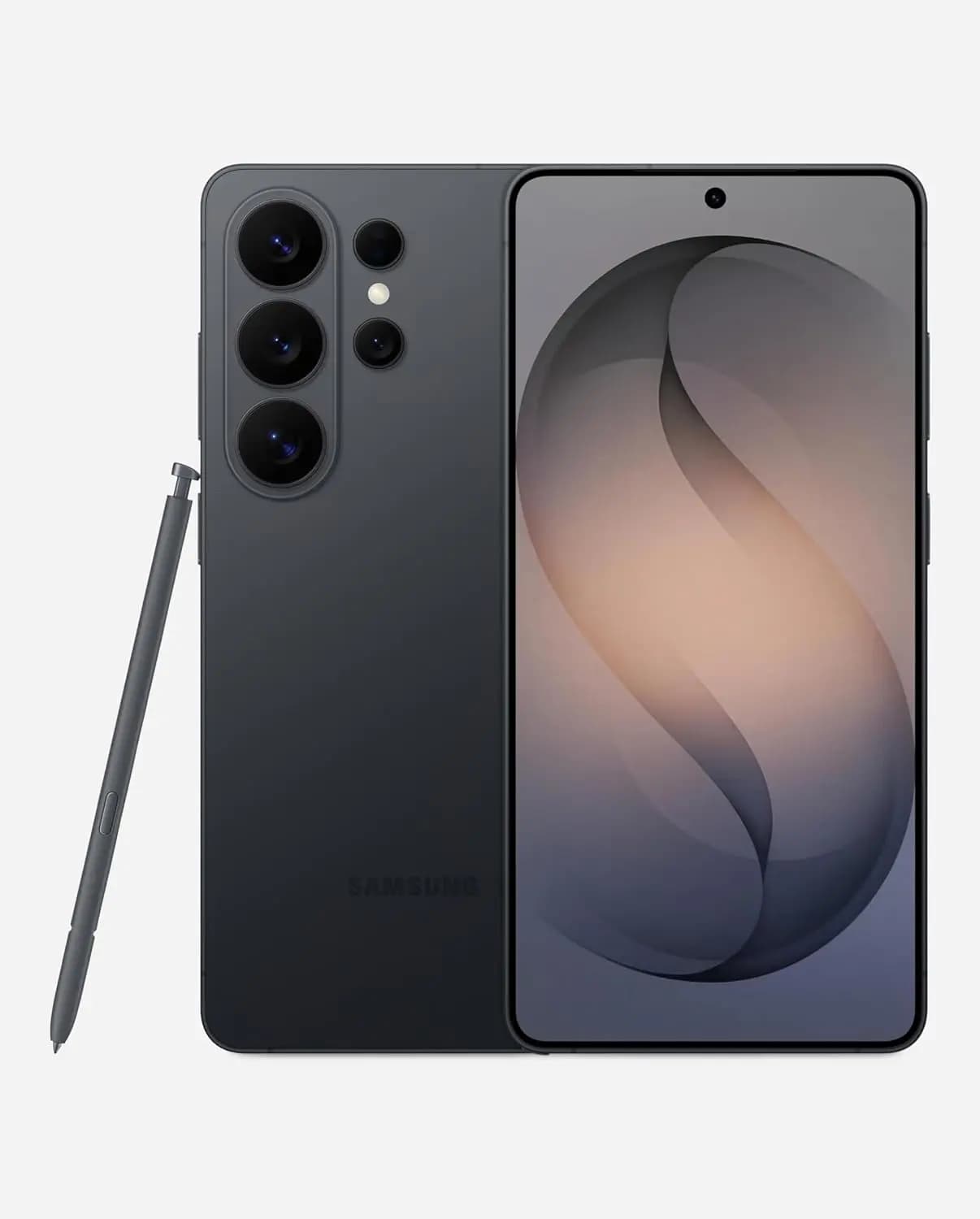
Samsung has offered seven years of Android and security updates on its Galaxy S series since the Galaxy S24, and that policy carries over to the Galaxy S26 Ultra, unveiled in February 2026. Samsung’s own security update documentation confirms the seven-year window applies across the current Galaxy S and Z lineups.
Where the S26 Ultra stands out is hardware headroom: a Snapdragon 8 Elite Gen 5 chip, up to 16GB of RAM, a 6.9-inch 120Hz display under Corning Gorilla Armor 2 glass with a Privacy Display mode, a 200-megapixel main camera, and a 5,000mAh battery. Starting at $1,299.99, it’s the most expensive phone on this list, but it’s also the one most likely to still feel fast in year seven.
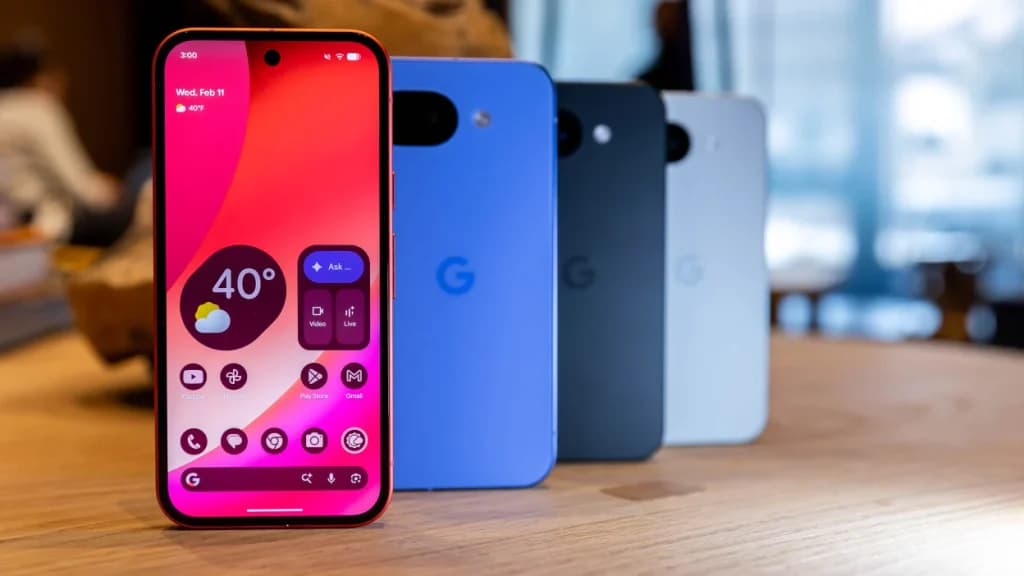
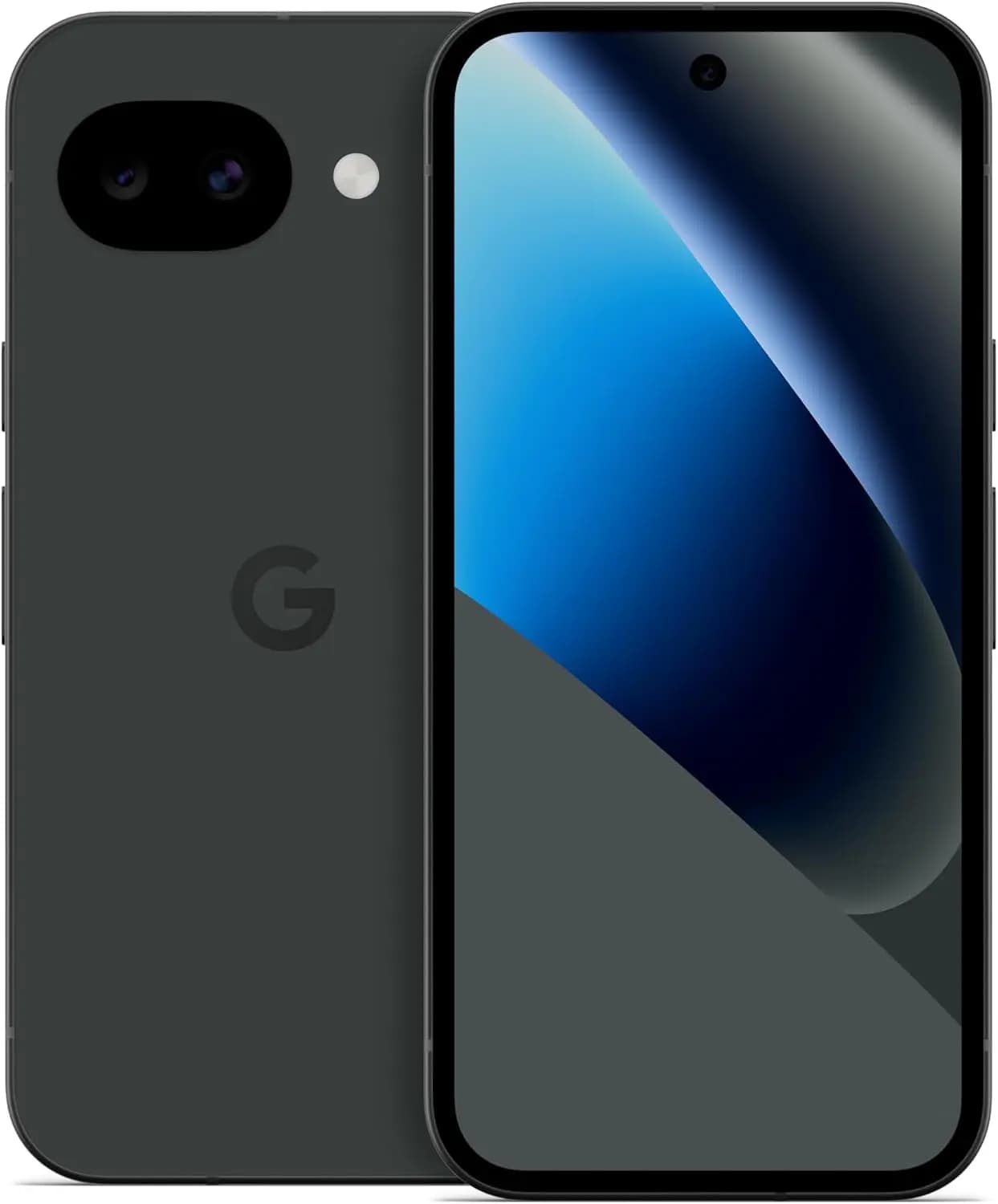
Google’s support page is unambiguous: every Pixel from the Pixel 8 onward, including the Pixel 10a, gets seven years of OS and security updates counted from the phone’s US Google Store launch date. That makes the $499 Pixel 10a the most affordable phone on this list with the full seven-year commitment, and because it’s the newest Pixel released, its support window runs the furthest into the future – into 2033.
The catch is the hardware underneath. The 10a reuses the Tensor G4 chip from the Pixel 9 series rather than the newer G5, and its 8GB of RAM falls short of what’s needed to run Google’s Gemini Intelligence features arriving with Android 17 on select devices. It’s a phone that will keep getting updates for years, just not necessarily all the same features as its pricier siblings.
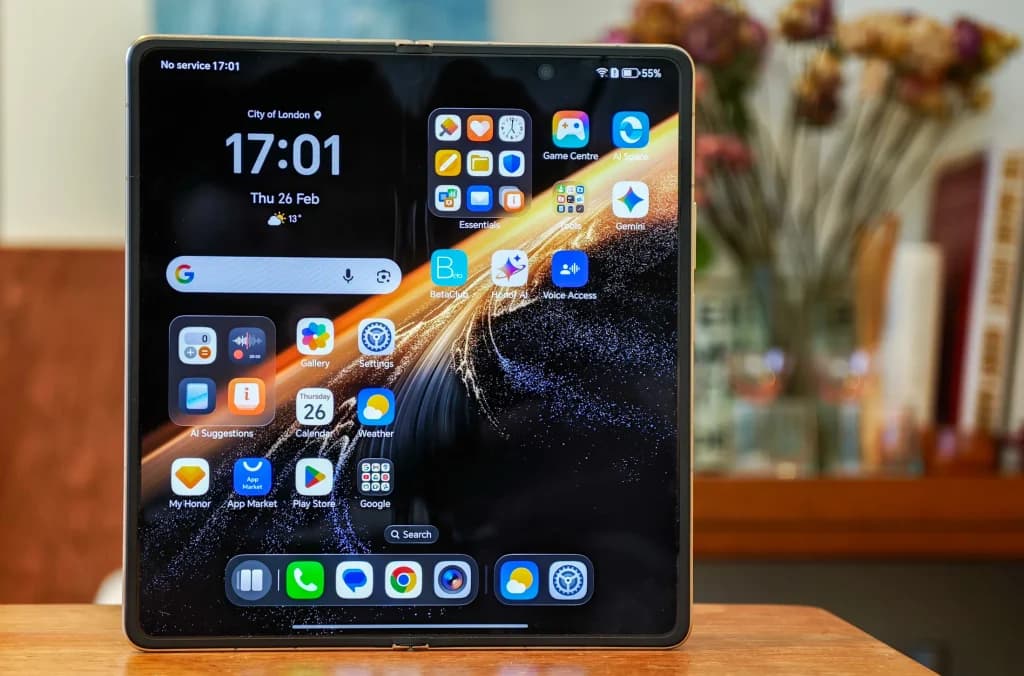
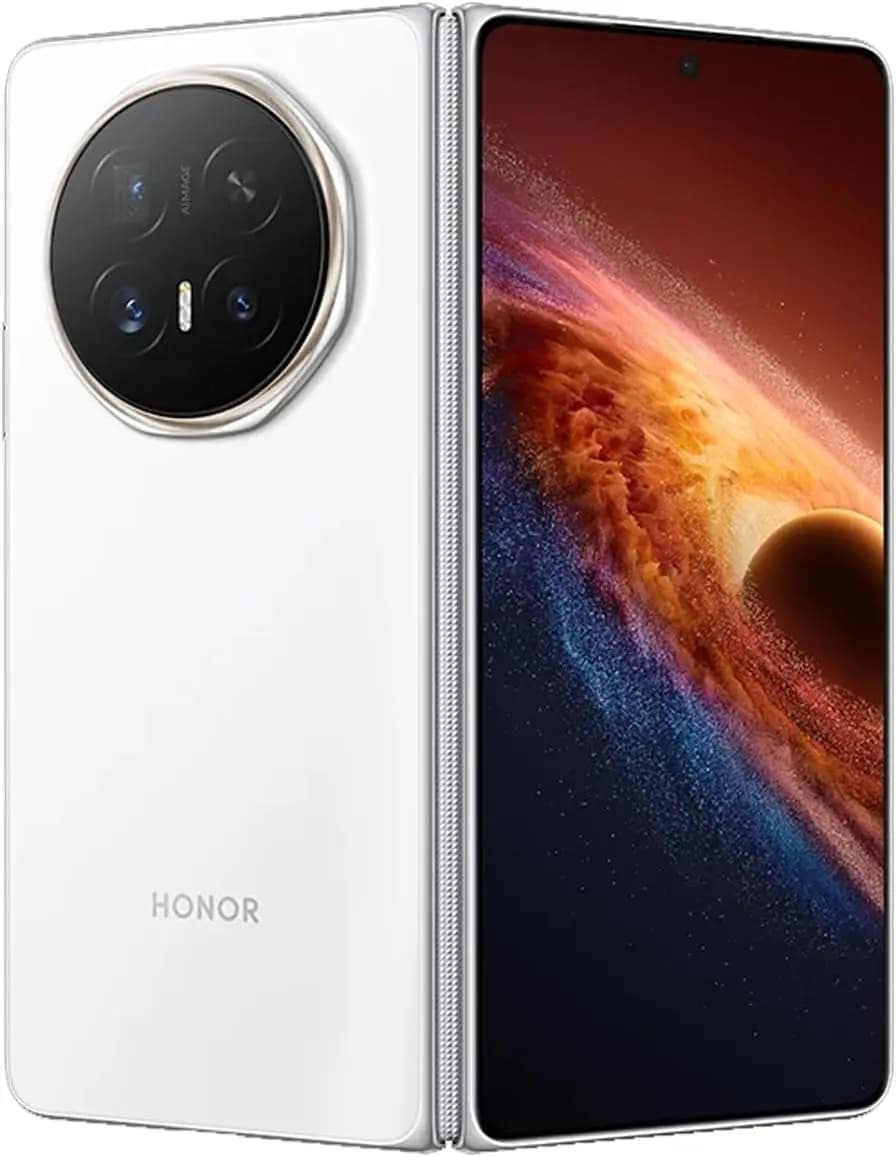
Honor confirmed in June 2026 that its Magic series, including the Magic V6, will receive seven years of Android OS and security updates – but there’s a detail worth knowing before importing one: Honor’s own announcement specifies that guarantee for EU and UK markets. The Magic V6 itself launched first in Malaysia and Singapore, where Honor hasn’t publicly confirmed the same seven-year window applies, so buyers importing it outside Europe should treat the update timeline as unconfirmed for their region.
Hardware is where the V6 impresses regardless: a Snapdragon 8 Elite Gen 5 chip, up to 16GB of RAM, a 7.95-inch internal display and 6.52-inch cover display, two 20-megapixel selfie cameras, and a body just 4.0mm thick unfolded. It’s priced around $1,900 in Malaysia, with no confirmed US availability.
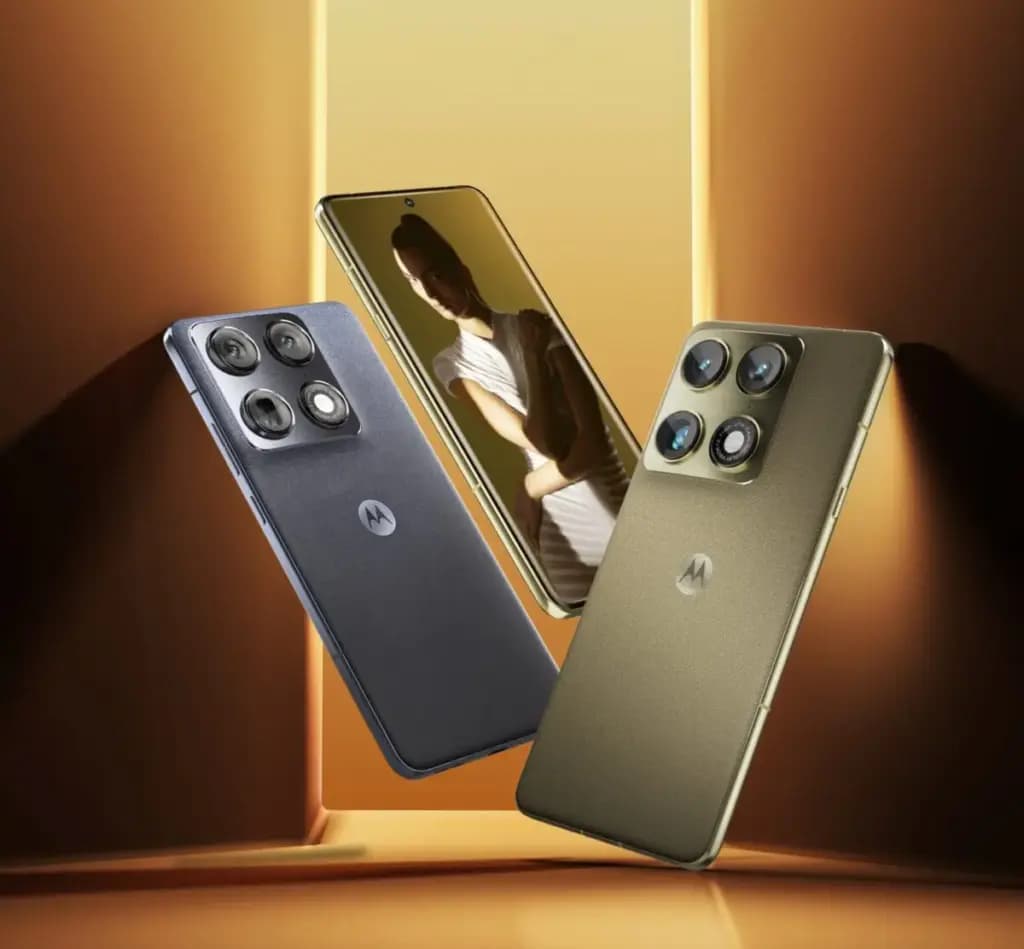
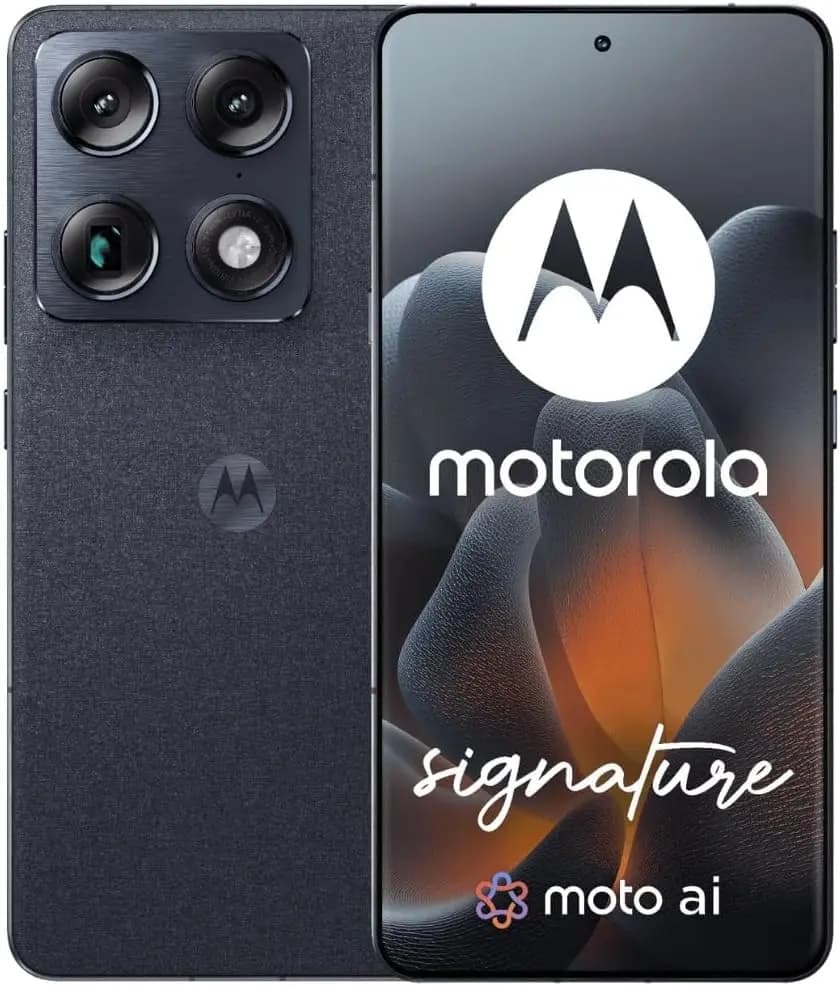
The Motorola Signature, launched in early 2026, is a genuine break from how Motorola has handled updates historically. According to statements Motorola has posted in its own community forums, the Signature is planned for up to seven major Android OS upgrades and up to seven years of security updates – support that should run into 2033. It’s worth flagging that this is unusual for Motorola specifically: most of the rest of its lineup, including the Razr line outside the Razr Fold, gets far shorter windows, sometimes just two to three years, so the Signature and Razr Fold are outliers rather than the norm for the brand.
Hardware-wise, it’s a legitimate flagship: a Snapdragon 8 Gen 5 chip, a 6.8-inch 165Hz display, up to 16GB of RAM, up to 1TB of storage, a 5,200mAh silicon-carbon battery with 90W wired charging, and IP68/IP69 dust and water resistance. Motorola has marketed it as the brand’s “new ultra-premium franchise,” pricing it at €999 – though it isn’t sold in the US.
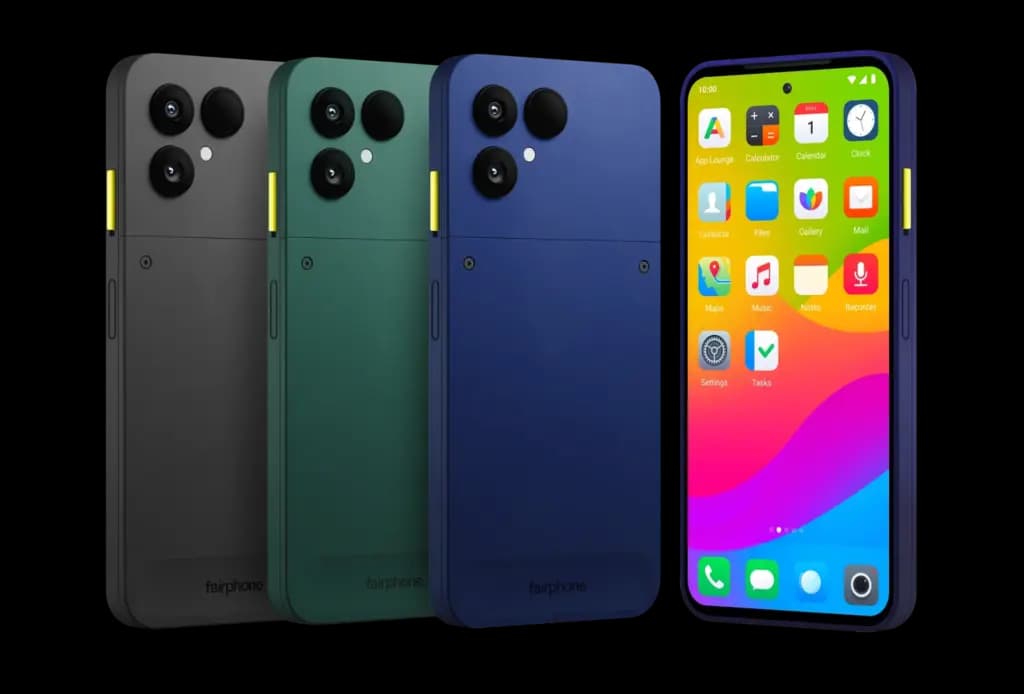
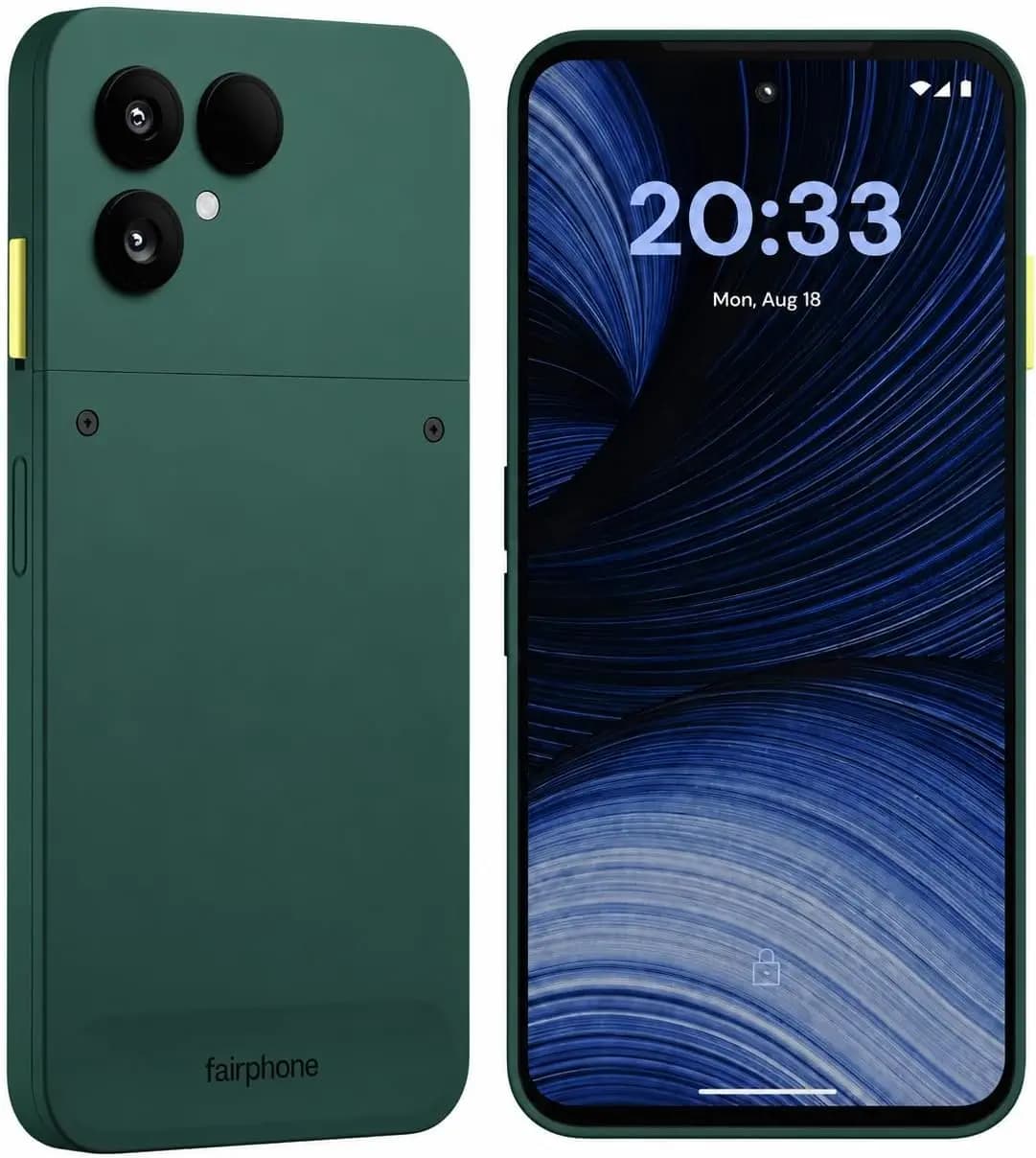
Fairphone’s whole pitch is repairability: 12 parts you can swap yourself with a basic screwdriver, including the battery and the display. That only pays off if the software keeps up, and Fairphone backs it up better than anyone else here. According to the company’s own support page, the Fairphone Gen 6 gets at least seven Android version upgrades and at least eight years of security updates, a promise that runs through the summer of 2033. That’s a year longer on the security side than Google or Samsung offer.
The Gen 6 launched in Europe in June 2025 at €599, and reached the US that October through Murena at $899. Specs are modest for the price: a 6.31-inch OLED display with a 10-120Hz adaptive refresh rate, a Snapdragon 7s Gen 3 chip, 8GB of RAM, 256GB of storage, and a removable 4,415mAh battery. It’s worth knowing that Fairphone has since released a follow-up, the Gen 6+, which just launched officially in the US in August 2026 with a faster Snapdragon 7s Gen 4 chip, 12GB of RAM, and – for the first time – stock Android instead of Murena’s /e/OS, all while keeping software support through 2033.
Plenty of other phones share the same seven-year commitment without making this list, including the Galaxy S25 series, the Galaxy S25 FE, the Pixel 9 series, and Samsung’s current foldables. If you already own one of those, you’re covered through roughly the same 2032-2033 window. Since manufacturers occasionally adjust these policies after launch, as Samsung and Google both have in the past, it’s worth checking the manufacturer’s own support page for your specific model before assuming a number you read somewhere still applies.
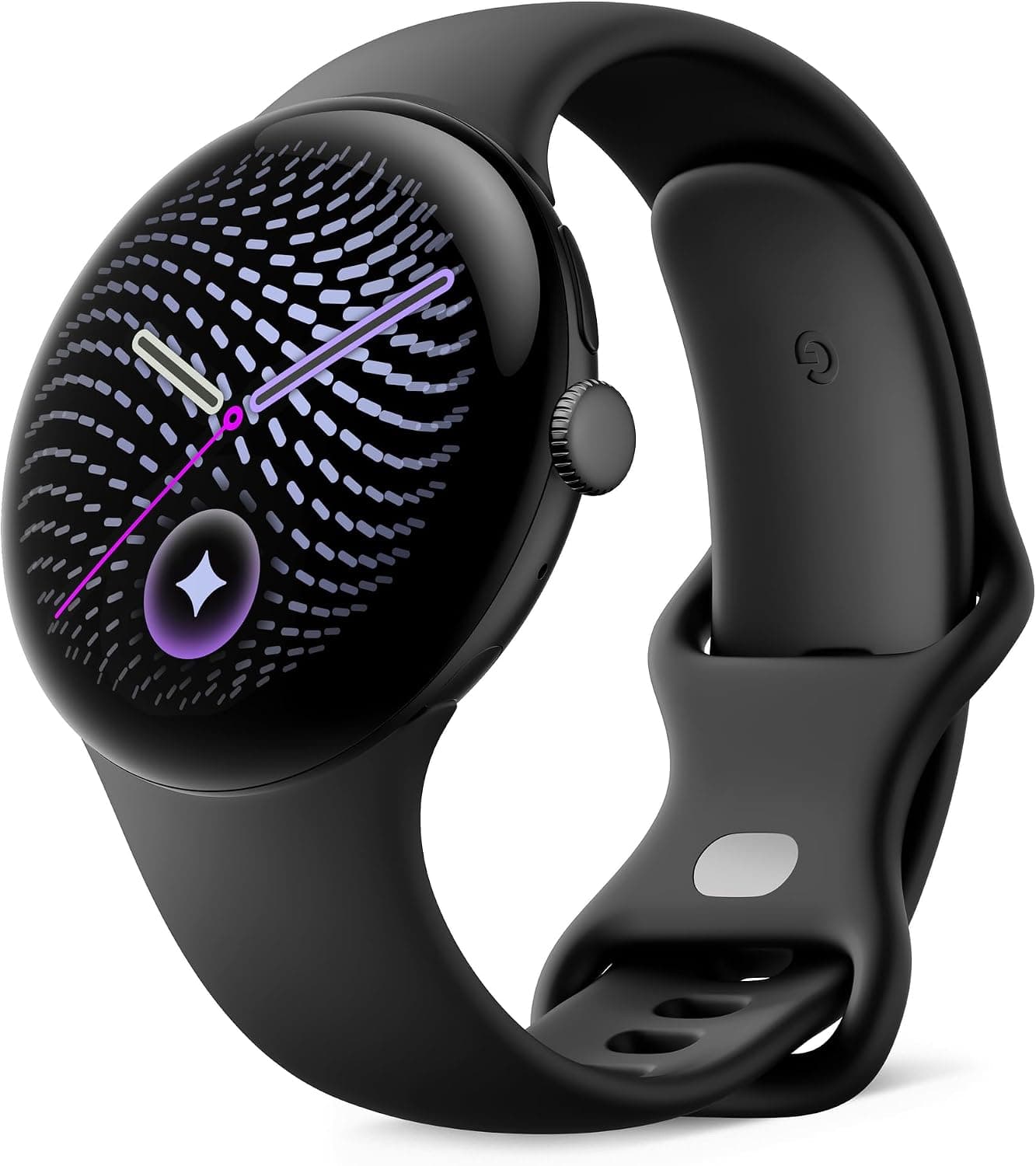
Google Pixel Watch 5 (45mm)

Robert Haba is the founder and editor-in-chief of Droid Tools. A lifelong gadget enthusiast with over a decade following the Android ecosystem, he built this publication to cut through the noise and give readers honest, real-world coverage of the tech they actually use.
Google has released Android 17 QPR3 Beta 1 to every still-supported Pixel device, from the Pixel 6a through the new Pixel 11 series, and the rollout arrived earlier than expected this afternoon. The update looks sizable, carrying fixes for at least 20 bugs that had carried over from QPR2. The beta ships as build DP11.260918.005 […]

The previous Android 17 QPR2 Beta 6 update mostly focused on fixing bugs that had been plaguing devices for a while, including a substantial issue that caused phones to reboot simply from scrolling through content, along with fixes for letterboxed content leaking through the status bar during app transitions and a Pixel 9 Pro Fold […]

Honor MagicOS 11 debuts on September 15 with a set of new features for eligible devices, ranging from a smoother, more fluid UI to a more capable AI assistant. Honor unveiled MagicOS 11 at its 2026 Global Developer Conference, and the company said the official version will open for unlimited testing right after the event, […]

Honor MagicOS 11 is set to debut tomorrow at the company's developer conference, and ahead of the official launch, one of Honor's own officials has already revealed a new Power Saving feature coming with the software. XiaoFangge, Honor's Product Maintenance and Upgrade Manager, said MagicOS 11 will include what he described as a cute Easter […]
The next story loads as you reach the end. You can also load it using the button.


Comments & Discussions
Join the conversation! We use Disqus to handle comments. Click the button below to load the comment section.