

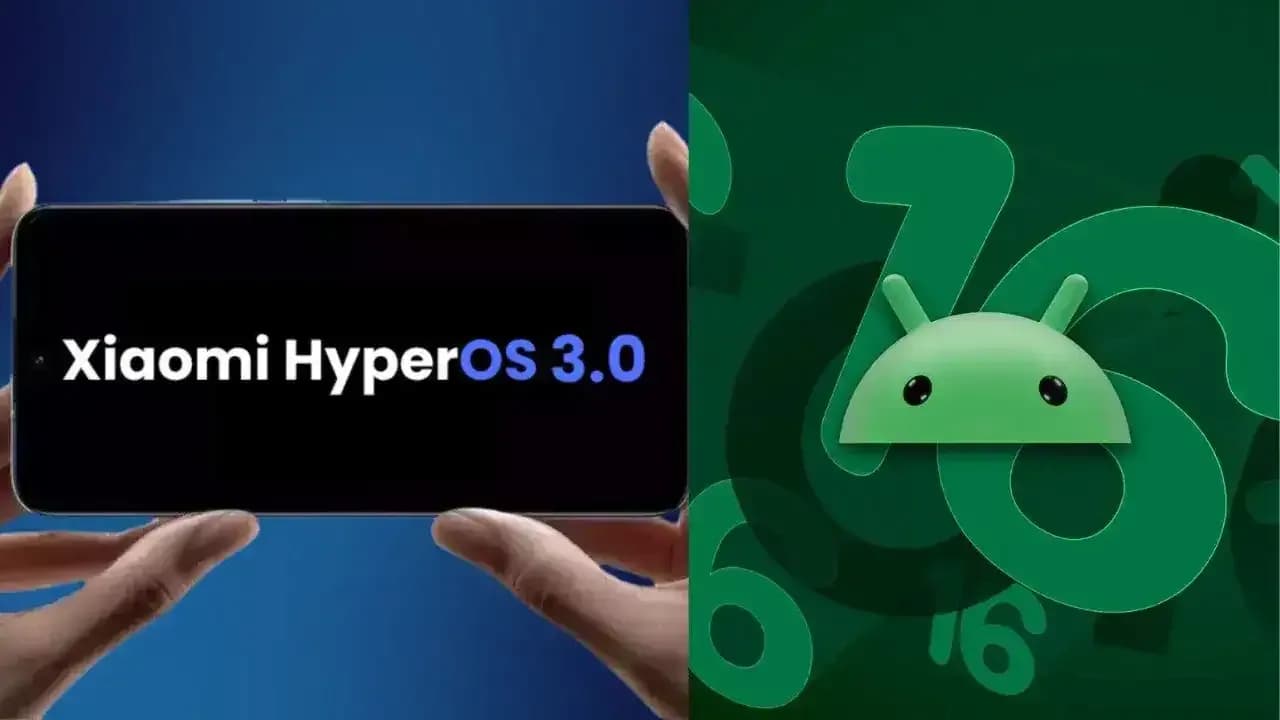
Xiaomi disproved our assumption that the Android announcements for the month were over. With the release of HyperOS 3.0, the company’s most recent version based on Android 16, its mobile devices now include notable functional and visual improvements. The selected models will soon start beta testing, and in Q4, a broader public rollout is anticipated.
What’s New in HyperOS 3.0
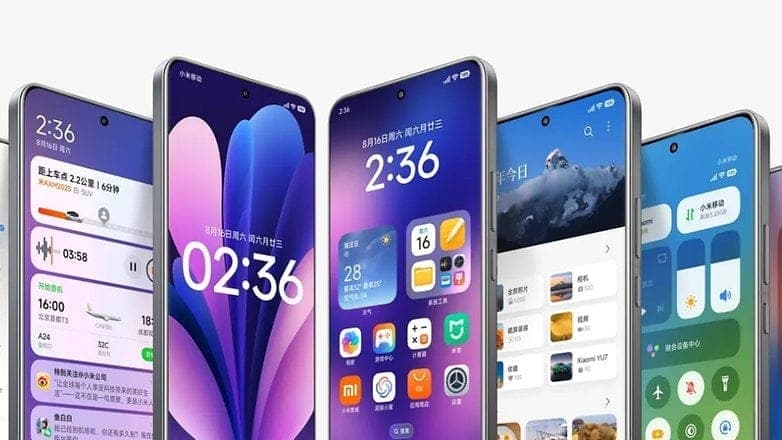
HyperOS 3.0 is based on Android 16 and incorporates key enhancements from Google’s most recent Android release. Xiaomi, however, is doing more than just skinning Android; it is also incorporating its own significant features and design modifications into smartphones and tablets.
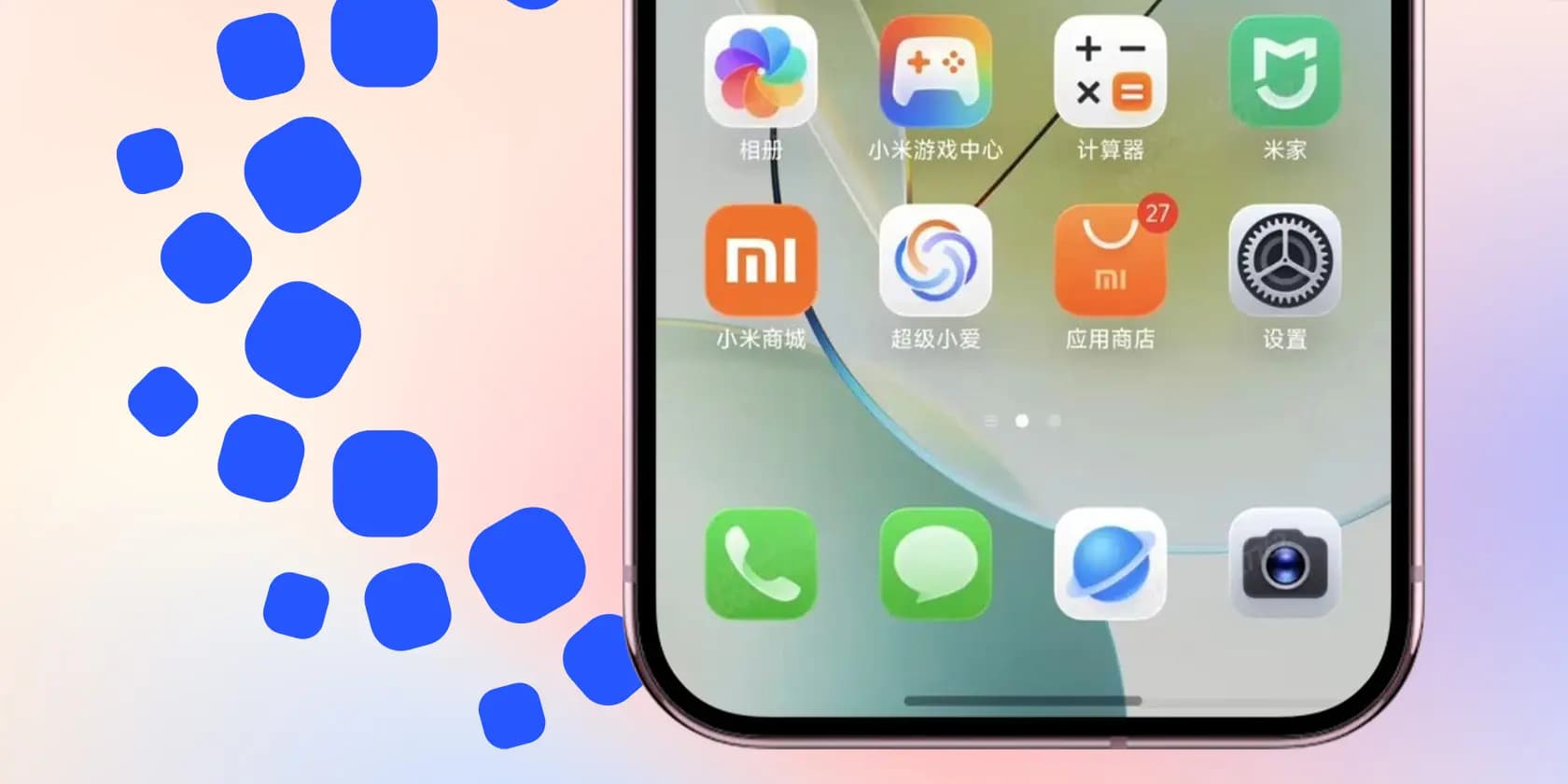
New icons, super island, and a cleaner layout
Simplified app icons that mirror iOS and have square shapes with rounded sides give the UI a new look. A flatter, simpler look is also used for the quick settings and status bar. The dialer app is completely redesigned in China. Whether this will eventually be shipped to the global ROM is unknown.
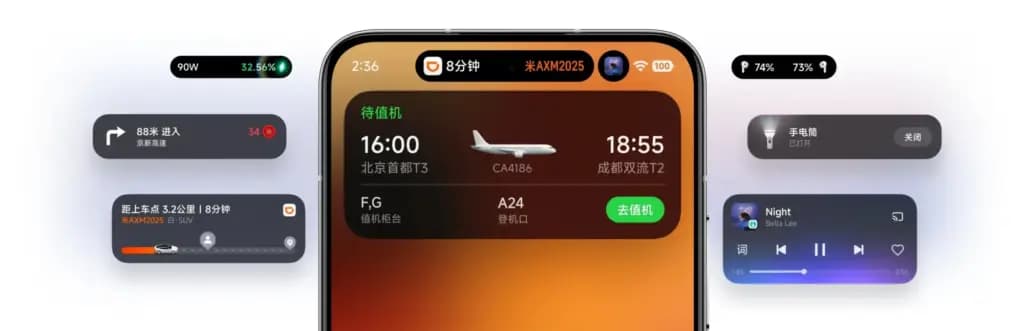
Super Island, Xiaomi’s version of Google’s Live Updates and Apple’s Dynamic Island, is one notable feature. It displays dynamic overlays for media, notifications, and app activity on the front-facing punch-hole region. For more interaction, Super Island allows dragging and expanding, unlike its competitors.
New lockscreen designs, like as animated effects that give still images movement, are powered by AI advancements. Additionally, there are more customizable choices for the home screen.
New Gallery app and upgrades for tables
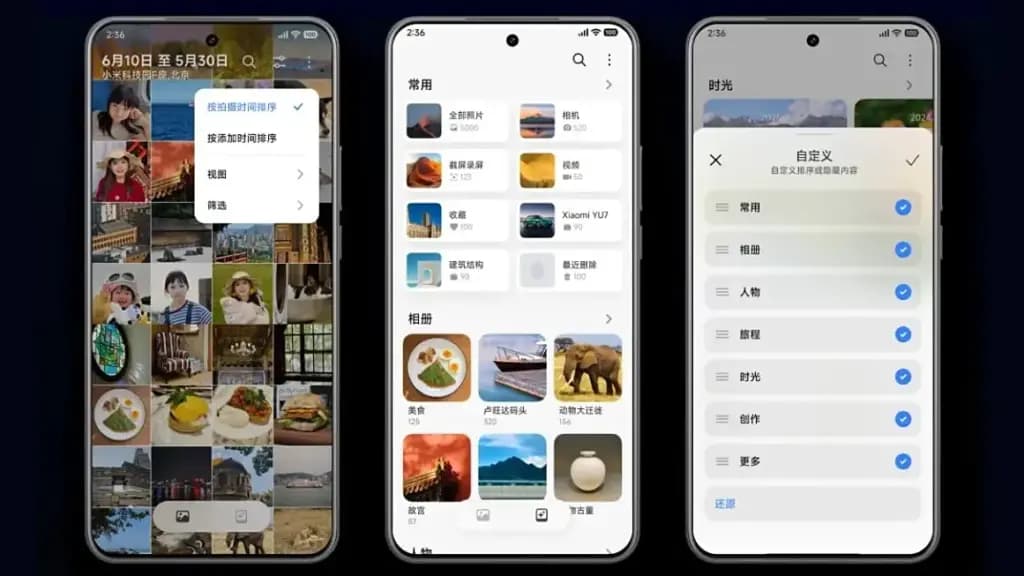
All content, including albums and folders, now have a cleaner look and better search capabilities in the gallery app. Your furry pals’ pictures and videos are automatically arranged with a new pet album feature.
Xiaomi adds adaptive window scaling and improved split-screen management to tablets. Enhancements in ultra-low latency and pressure sensitivity will be advantageous to stylus users.
Significant performance and battery improvements
HyperOS 3.0 offers significant performance improvements in addition to aesthetics. With over 100 new and improved animation effects, Xiaomi promises up to 21% less app latency and smoother system animations.
According to reports, in-game frame rendering uses 9% less energy, video playback requires 10% less power, and gaming performance is 15% faster.
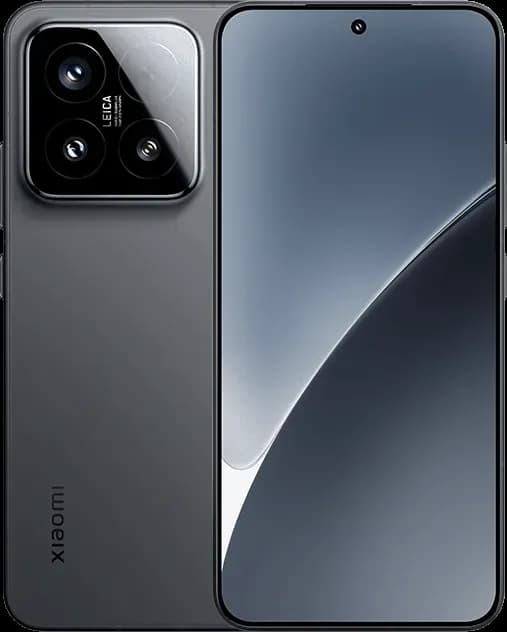
Which Devices Get HyperOS 3.0 Beta?
Xiaomi has stated that a few smartphones, tablets, and TVs will be available for the public beta, though it hasn’t yet disclosed the complete list of compatible devices. Please be aware that the gadgets on the list are Chinese versions; a different rollout timetable for models that are available worldwide will be revealed later.
| From August 29 | From September 17 | From September 30 |
|---|---|---|
| Xiaomi 15 | Xiaomi Mix Flip 2 | Xiaomi 14 |
| Xiaomi 15 Pro | Redmi K80 | Xiaomi 14 Pro |
| Xiaomi 15 Ultra | Redmi K Pad | Xiaomi 14 Ultra |
| Xiaomi 15S Pro | Xiaomi Pad 7 | Xiaomi Mix Flip |
| Redmi K80 Extreme | Xiaomi Pad 7 Ultra | Xiaomi Mix Fold 4 |
| Redmi K80 Pro | Xiaomi TV S Pro Mini-LED | Redmi K70 |
| Xiaomi Pad 7 Pro | Xiaomi TV S Pro Mini-LED 2025 | Redmi K70 Pro |
| Xiaomi Pad 7S Pro 12.5 | Redmi K70E | |
| Xiaomi Pad 6S Pro 12.4 |
Google Pixel Watch 5 (45mm)

Google Pixel Watch 4

Keep Reading
Android 17 QPR2 Beta 3 arrived on August 14 as the latest preview of the December release. 9to5Google described the Friday launch as unexpected and began a running catalog of changes that was still marked as updating. As new changes are discovered, the latest entries will be placed at the top of the page. Readers […]
Samsung has begun rolling out the stable One UI 9 update, based on Android 17, starting with the Galaxy Z Fold 8 series worldwide, according to Memeburn. Samsung is also internally testing the update on 49 additional Galaxy phones and tablets, with the software rolling out through the rest of the year on a staggered […]
A leaked HyperOS 4 setup screen has exposed Xiaomi’s planned onboarding flow, along with a list of ten major features tied to the update. The files directly reference “Xiaomi HyperOS 4” and divide several features by device class, with some Glass effects marked exclusively for flagship models and the Q18. The leak also backs up […]
New leaks are offering the clearest look yet at HyperOS 4, and they suggest Xiaomi is preparing the biggest visual overhaul in the software’s history, including a redesigned interface and refreshed wallpapers. Liquid Glass Interface Leak Details Screenshots reportedly pulled from internal Xiaomi 18-series prototypes running an early Android 17-based build of HyperOS 4 reveal […]
Xiaomi has started rolling out stable Android 17 to the Xiaomi 17, Xiaomi 17 Ultra, and Xiaomi 17T Pro, packaged under the HyperOS 3 label. A Confusing Label, But a Real Platform Jump The HyperOS 3 branding is the same one Xiaomi already used for its Android 16 rollout, which makes the naming a bit […]
Google is rolling out the stable Android 17 and Wear OS 7 updates for compatible Pixel phones and watches. Beyond the new features these releases bring, both updates come packed with bug fixes and general improvements aimed at smoothing out the overall experience. Many of the changes target long-standing annoyances, while several underlying improvements should […]
Comments & Discussions
Join the conversation! We use Disqus to handle comments. Click the button below to load the comment section.