At the worldwide launch event for the Xiaomi 15 series, Xiaomi revealed the timeline for the release of Xiaomi HyperAI and HyperOS 2.0, which are based on Android 15. These changes offer a more seamless, integrated user experience along with AI-powered improvements. The official upgrade schedule and a list of the new software’s key features are provided below.
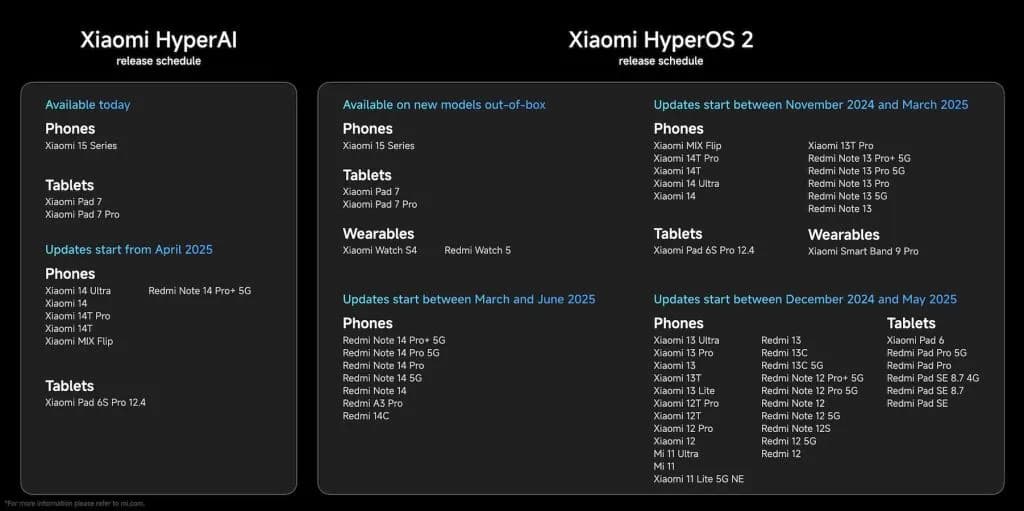
Xiaomi HyperAI Update Schedule
| Date | Models |
|---|---|
| Pre-installed on New Models | Phones: Xiaomi 15 Series Tablets: Xiaomi Pad 7, Xiaomi Pad 7 Pro Wearables: Xiaomi Watch S4, Redmi Watch 5 |
| Updates Starting Between November 2024 – March 2025 | Phones: Xiaomi MIX Flip, Xiaomi 14T Pro, Xiaomi 14T, Xiaomi 14 Ultra, Xiaomi 14, Xiaomi 13T Pro, Redmi Note 13 Pro+ 5G, Redmi Note 13 Pro 5G, Redmi Note 13 Pro, Redmi Note 13 5G, Redmi Note 13 Tablets: Xiaomi Pad 6S Pro 12.4 Wearables: Xiaomi Smart Band 9 Pro |
| Updates Starting Between December 2024 – May 2025 | Phones: Xiaomi 13 Ultra, Xiaomi 13 Pro, Xiaomi 13, Xiaomi 13T, Xiaomi 13 Lite, Xiaomi 12T Pro, Xiaomi 12T, Xiaomi 12 Pro, Xiaomi 12, Xiaomi 12S Ultra, Xiaomi 12S Pro, Xiaomi 12S, Xiaomi 12X, Redmi 13, Redmi 13C, Redmi 13C 5G, Redmi Note 12 Pro+ 5G, Redmi Note 12 Pro 5G, Redmi Note 12 5G, Redmi Note 12S, Redmi Note 12, Mi 11, Mi 11 Lite 5G NE Tablets: Xiaomi Pad 6, Redmi Pad Pro 5G, Redmi Pad Pro, Redmi Pad SE 8.7 4G, Redmi Pad SE 8.7, Redmi Pad SE |
| Updates Starting Between March – June 2025 | Phones: Redmi Note 14 Pro+ 5G, Redmi Note 14 Pro 5G, Redmi Note 14 Pro, Redmi Note 14 5G, Redmi Note 14, Redmi A3 Pro, Redmi 14C |
A potent new system engine called Xiaomi HyperCore was created to improve efficiency and performance. With quicker app launches and longer battery life, it ensures a more seamless user experience by optimizing resource management.
All Xiaomi devices can connect seamlessly thanks to Xiaomi HyperConnect. It makes it easier for users to switch between smartphones, tablets, wearables, and other smart devices in the Xiaomi ecosystem by improving multi-device synchronization.
With Cinematic Look’s sophisticated image and video processing features, users may take pictures and films with a professional-caliber touch. This function produces visually spectacular content by improving lighting, sharpness, and color grading.
AI Dynamic Wallpapers & AI Gallery customizes the user experience by utilizing artificial intelligence. The AI Gallery cleverly classifies and arranges images for convenient access and administration, while AI-powered wallpapers constantly adjust to user preferences.
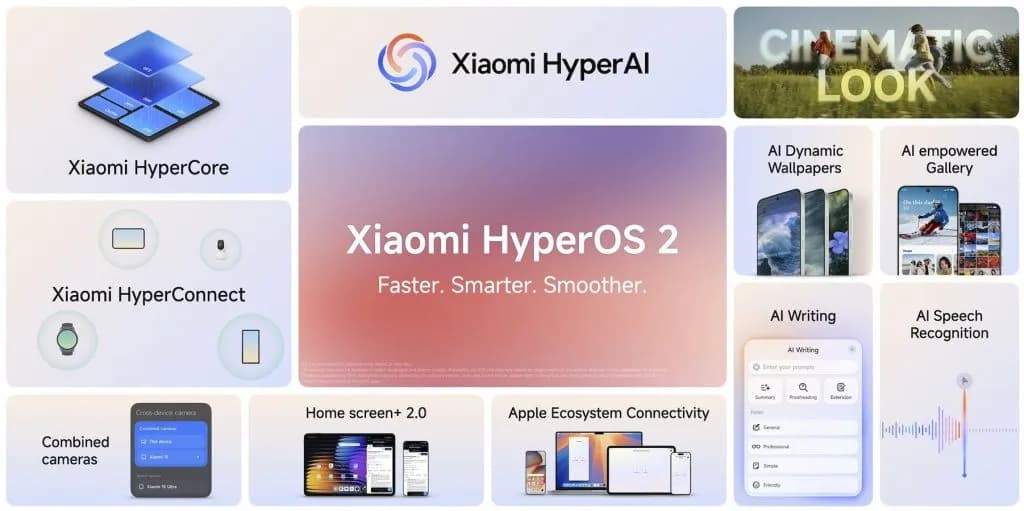
AI Speech Recognition and AI Writing offer more intelligent input techniques that improve communication. While AI Speech Recognition allows precise voice commands and real-time transcription, AI Writing assists with text summarizing, proofreading, and tone correction.
Cross-device Camera & Home Screen 2.0 enhances multitasking and ecosystem integration. With improved app categorization and interactive widgets, the new home screen layout improves usability, and users may use cameras from various devices interchangeably.
Better cross-platform compatibility is ensured by Apple Ecosystem Connectivity, which makes it possible for Xiaomi smartphones to function more effectively with Apple goods. Data exchange, notifications, and device synchronization across several operating systems are made easier by this functionality.
With a planned deployment strategy that guarantees a smooth transition between devices, Xiaomi HyperAI and HyperOS 2.0 want to provide customers with a quicker, smarter, and more seamless experience.
Google Pixel Watch 5 (45mm)

Robert Haba is the founder and editor-in-chief of Droid Tools. A lifelong gadget enthusiast with over a decade following the Android ecosystem, he built this publication to cut through the noise and give readers honest, real-world coverage of the tech they actually use.

Android Auto redesign clues emerge in the 18.0 beta update, with code pointing to a new launcher asset under the Cielo codename.
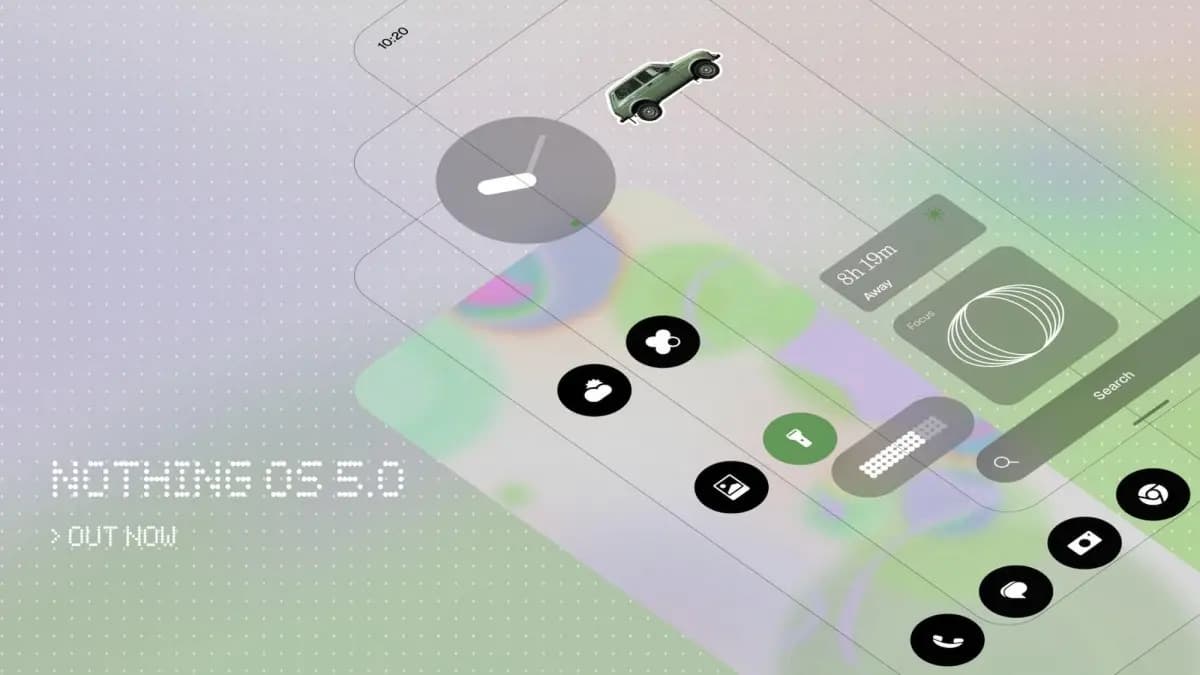
The Nothing OS 5 update brings Android 17 to Phone 3 users in a staggered rollout, adding the Geist font, AI upgrades, and a dedicated Glyph app.

Oppo has announced the ColorOS 17 upgrade, based on Android 17, for the smartphones of its parent group BBK Electronics, including OnePlus and Realme. OnePlus already announced a beta upgrade to ColorOS 17 for its OnePlus 15 flagship, and the Realme ColorOS 17 update is now on the way too. It brings a completely new […]
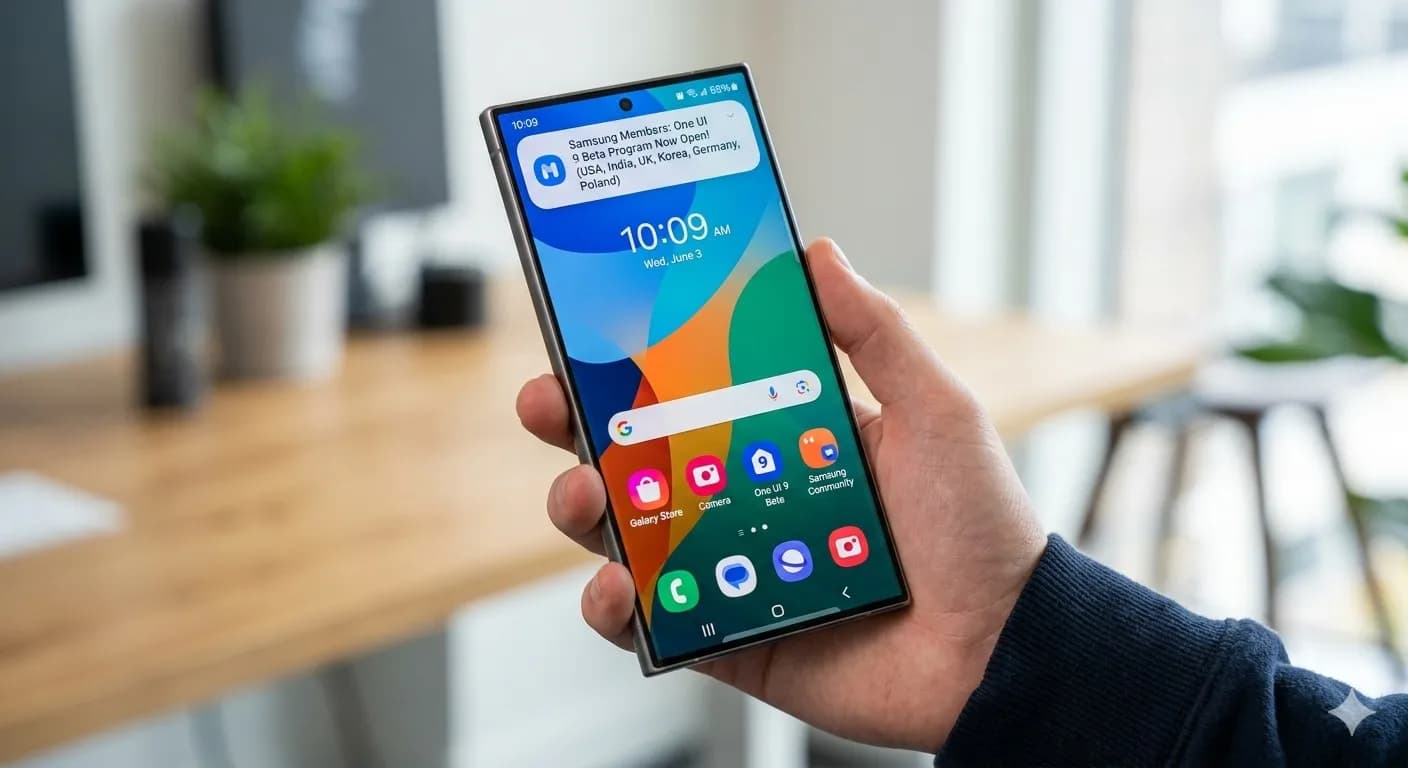
Samsung has started rolling out the Galaxy S23 One UI 9 update based on Android 17, starting with beta testers in South Korea.
The next story loads as you reach the end. You can also load it using the button.


Comments & Discussions
Join the conversation! We use Disqus to handle comments. Click the button below to load the comment section.