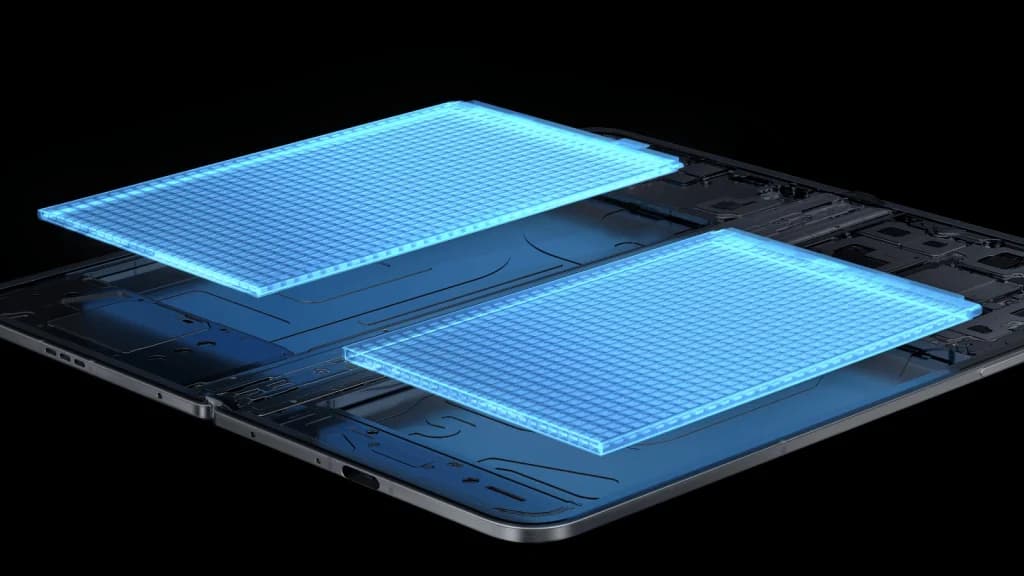
Silicon-carbon batteries expand smartphone capacities up to 10,000mAh, delivering multi-day battery life. However, charging speeds per milliamp-hour have slowed across multiple brands, likely because manufacturers are limiting power and operating temperatures to protect long-term battery longevity.

The adoption of silicon-carbon battery technology represents a major shift in smartphone hardware. By mixing traditional lithium-ion cells with silicon-carbon, manufacturers can substantially increase storage capacity without a huge increase in physical size. After remaining stuck with 5,000mAh cells as an upper limit for the best part of a decade, capacities have quickly jumped to 7,000mAh, 8,000mAh, and up to 10,000mAh in advanced devices. This increase delivers a noticeable improvement in screen-on time. Larger batteries easily last two days and can regularly push into a third day with lighter use, bringing phones closer to needing a recharge only a couple of times a week.
However, charging has become a problem with these larger batteries, as they fill up sluggishly. While a larger battery naturally takes longer to charge than a smaller one, power metrics show that the adoption of silicon-carbon cells has coincided with a general slowdown in per-milliamp-hour charging times.
OPPO’s Find X series illustrates this trend. The brand transitioned to its first silicon-carbon cell three generations ago and now packs an 8,000mAh battery into some regional versions of its latest Find X10 Pro Max. However, this capacity increase has led to SuperVOOC chargers delivering far fewer milliamp-hours per minute into the phone.
A comparison between the Find X7 Ultra and the Find X10 Pro Max highlights the difference. The battery in the Find X10 Pro Max is 60% larger, yet reaching a full charge takes 220% (2.2 times) longer. OPPO also pushes almost half as much power into the cells per minute on average across the charge cycle, resulting in a slower overall rate of charge regardless of battery size.
This pattern extends beyond OPPO. Late 2026 releases including the REDMAGIC 12 Pro (8,400mAh), vivo X500 Pro Max (7,800mAh), and Redmi Note 17 Pro Max (10,000mAh) all take 75 minutes or longer to recharge fully. They share a similar charging profile, delivering a short high-power spike when first plugged in before dropping closer to or below 30W for the bulk of the cycle. The only exception noted is the last-generation OnePlus 15, which fills its 7,300mAh silicon-carbon battery in under an hour by sustaining power above 50W for a good portion of its early charge cycle.
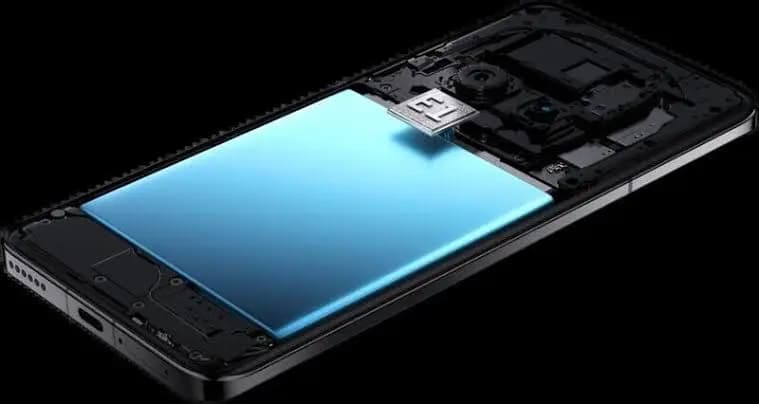
While brands might appear to be playing it safe with this technology, that is unlikely to be the entire story. Silicon-carbon has improved electron mobility that should, in theory, allow for equal or better fast-charging capabilities under the right circumstances. The chemistry is not inherently worse at fast charging than conventional lithium-ion.
Battery longevity is likely a major reason manufacturers hold back on charging speeds. While silicon-carbon offers substantially greater energy density, silicon introduces challenges compared to traditional graphite-based anodes, particularly regarding electrode expansion, degradation, and long-term cycle life. Slowing charging speeds and keeping operating temperatures lower could help mitigate some of these issues. This approach allows manufacturers to deliver higher capacity without compromising cell longevity, potentially prioritizing battery lifespan over charging speed so cells last as long as established lithium-ion alternatives before requiring replacement.
When evaluating full recharges, Samsung’s 60W charging Galaxy S26 Ultra fills its 5,000mAh lithium-ion battery in 42 minutes. Filling the 8,000mAh OPPO Find X10 Pro Max requires half an hour more, which offers less practical value for users who recharge well before running out of power.
As an illustrative example, a typical user might require about 3,000mAh to get through a full day. The Galaxy S26 Ultra provides that capacity after 17 minutes on the plug, while Google’s slower lithium-ion Pixel 11 Pro XL takes about 25 minutes. Among silicon-carbon devices, the OPPO Find X10 Pro Max takes 21 minutes to reach a similar level, and the vivo X500 Pro Max takes about 25 minutes in testing. Handset performance varies, but the time required on a charger to secure a full day of battery life differs by only a few minutes between typical lithium-ion and silicon-carbon devices.
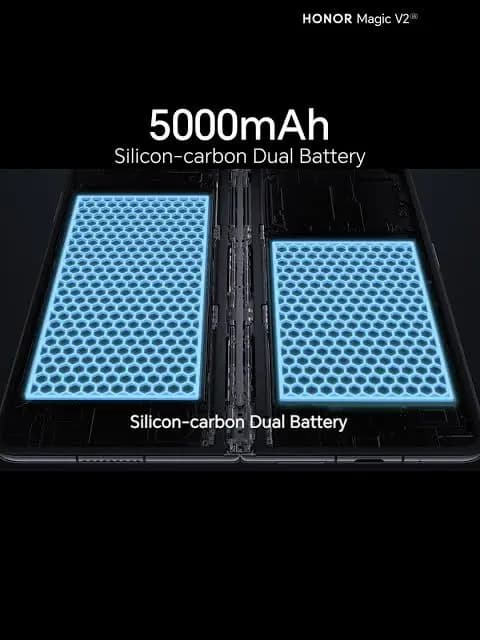
Deciding whether to buy a phone with a large silicon-carbon battery in 2027 comes down to charging habits. A larger battery offers substantially longer battery life, but it requires considerably longer charging times. Users who regularly plug in overnight already get a full day of use with power to spare from mainstream 5,000mAh lithium-ion phones. Having enough battery to last two or three days provides little everyday difference for overnight chargers, who can end up spending more time waiting for a phone to charge than they would with a smaller conventional battery.
Silicon-carbon batteries remain worthwhile for heavy users, frequent travelers, and anyone regularly away from a charger. They are especially useful for thin-profile foldable phones, like the Samsung Galaxy Z Fold 8 Ultra, which have typically struggled to match the battery longevity of traditional flagships.
For users who regularly forget to charge their phones, travel frequently, or want the freedom to go several days without an outlet, silicon-carbon batteries are a compelling upgrade. Getting a full charge requires leaving the device plugged in longer. The primary value of silicon-carbon technology is the flexibility it provides when needed, rather than simply making a phone last longer each day.

Samsung Galaxy Watch 8

Robert Haba is the founder and editor-in-chief of Droid Tools. A lifelong gadget enthusiast with over a decade following the Android ecosystem, he built this publication to cut through the noise and give readers honest, real-world coverage of the tech they actually use.

Google took down an Android TV botnet linked to Videostrong, but researchers warn that infected devices may require replacement.
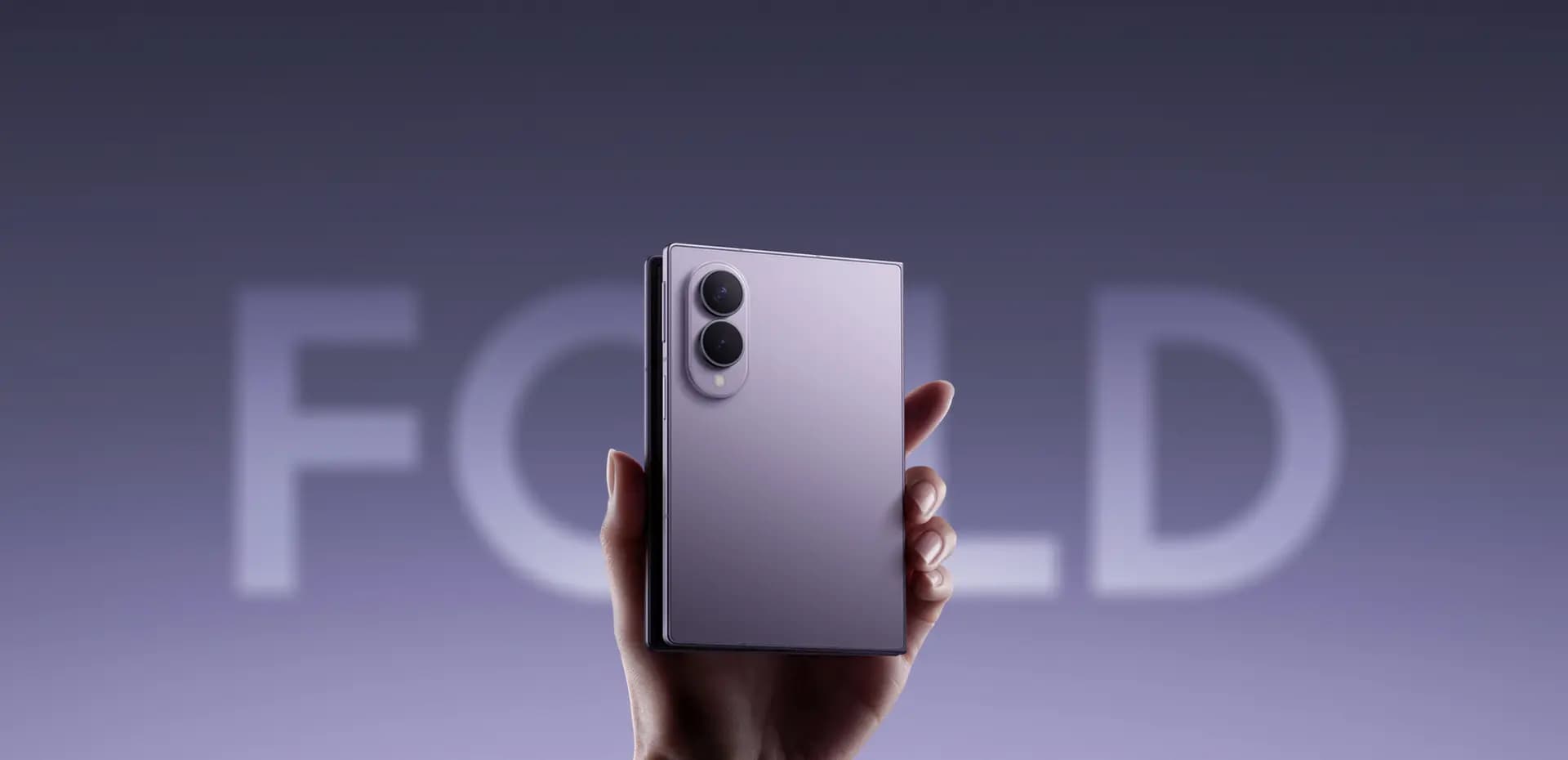
Samsung Galaxy Z Fold 8 sales reportedly rose 20% in the week after Apple released the iPhone Duo, amid reports of screen cracking on the rival device.
Qualcomm denies reports that the Snapdragon 8 Elite Extreme Gen 6 has overheating issues or that Samsung might replace it with the Exynos 2700.

The SMS of Death exploit can remotely crash Android phones via text. An October 2026 patch covers Android 14 and newer, leaving older versions vulnerable.
The next story loads as you reach the end. You can also load it using the button.


Comments & Discussions
Join the conversation! We use Disqus to handle comments. Click the button below to load the comment section.