Google clarified that its Noto 3D emoji font occupies under 220MB, while the listed 6GB RAM and 10GB storage requirements serve as safety buffers for automatic background downloads. Google has not stated whether Android users can opt out of downloading the new emoji.

Google stepped in with an explanation after hardware requirements listed for its Noto 3D emoji prompted debate among users. A Google support page confirmed that the new emoji require 6GB of RAM and 10GB of free storage, while also noting that Samsung phones will not receive the new designs.
According to Google’s Mishaal Rahman on Reddit, who verified details with the emoji design team, the new emoji do not consume 6GB of RAM or 10GB of storage. As Rahman stated: “Noto 3D emoji do not actually consume 6 GB of RAM or 10 GB of storage. Those numbers are conservative safety buffers for the automatic background download via Google Play services, not what the font itself needs to run.” The entire 3D font occupies less than 220MB, compared to roughly 3MB used by older 2D emoji.

The listed requirements are safety measures for phones downloading the font automatically through Google Play services. The 10GB free-space requirement ensures the download does not push nearly full devices into storage trouble, while the 6GB RAM cutoff helps keep lower-memory phones running smoothly. In addition, Android does not load the entire font into RAM, accessing only the emoji needed on screen to keep memory usage low. Phones shipping with the font preinstalled do not need the background download.
The 10GB free-space requirement is over 45 times the font’s actual size of less than 220MB, even accounting for temporary installation files.
User choice also remains an unanswered question. Google’s support page confirms that eligible phones download the emoji automatically when connected to Wi-Fi and charging, stating: “As long as your device meets the qualification criteria, it will automatically download the 3D emoji when it’s on Wi-fi and charging.” However, the page does not mention an option to decline the download or stick with older designs. For users who would rather save storage for something else, an opt-in option could make more sense than an automatic download based on available space. While Rahman’s explanation clears up the technical confusion, whether Google will give users that choice remains unanswered.

Cristian Penisoara is a Guides Writer and Android specialist at Droid Tools. An Android user since version 2 and a professional event photographer, he combines technical curiosity with a detail-oriented approach - every guide he publishes is tested step-by-step on a real device before it goes live.
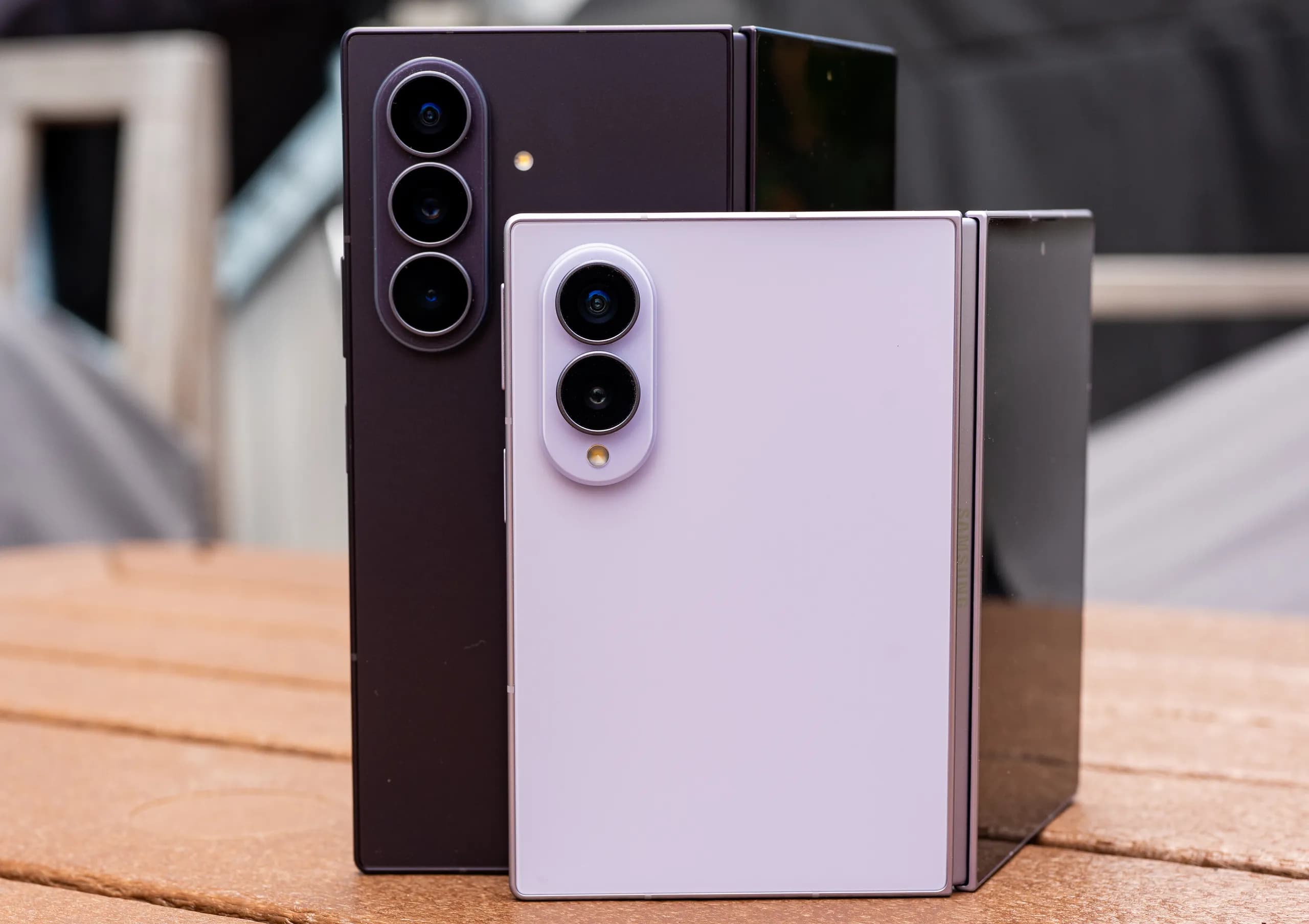
Samsung secured 69% of foldable smartphone shipments in Q3 2026 led by the Galaxy Z Fold 8, even as total market shipments slipped 2% year over year.

New US rules pause advanced TSMC chip shipments to China while customers seek licenses, creating potential production delays for brands like Xiaomi and Oppo.
One UI 9.5 brings camera upgrades to the Galaxy S26 series, subtle lock screen tweaks, and unconfirmed Now Nudge support for all 115 apps.

Developer Gustave Monce pushed the Lumia 950 on Windows 11 to 1.82 GHz on its Snapdragon 808 chip after six years of UEFI and driver work.
The next story loads as you reach the end. You can also load it using the button.

Google Pixel Watch 4


Comments & Discussions
Join the conversation! We use Disqus to handle comments. Click the button below to load the comment section.