Developer Gustave Monce has demonstrated the Lumia 950 running Windows 11 Pro reaching the processor’s full 1.82 GHz stock clock speed. The milestone follows roughly six years of work from Monce and the Windows on ARM community. Earlier Windows on ARM builds capped the Qualcomm Snapdragon 808 processor at lower operating frequencies, preventing desktop Windows from hitting full boost speeds. Progress in custom firmware, UEFI development, and driver patches now allows the phone to reach its stock frequency under Microsoft’s desktop operating system.
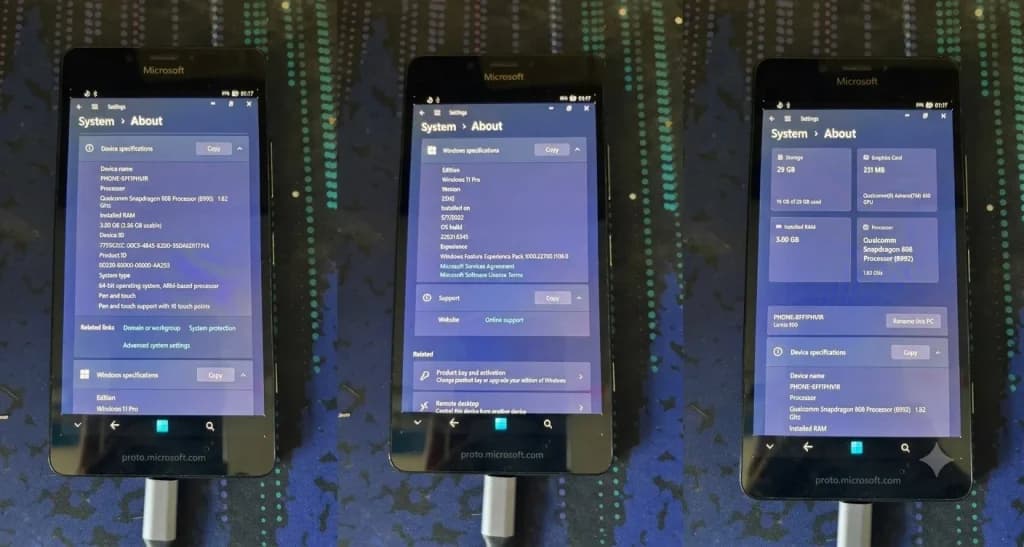
When the Lumia 950 originally shipped, its Qualcomm Snapdragon 808 combined dual high-performance Cortex-A57 cores with quad efficiency Cortex-A53 cores, with a stock peak clock speed around 1.82 GHz. Getting desktop Windows to scale frequencies properly on legacy ARM chips proved to be one of the toughest challenges in the Windows on ARM space. In earlier Windows on ARM builds on the Lumia 950, the processor often stayed capped around 780 MHz or mid-tier frequencies instead of hitting full boost speeds. Power Engine Plugin (PEP) rules, clock tables, and stability limits kept performance tightly restricted.
Unlocking the full 1.82 GHz clock speed required custom firmware, UEFI development, and driver patches. Monce shared a short video and screenshots documenting the achievement. Across the Windows Settings pages, the phone appears as PHONE-BFF1PHVIR (Lumia 950) running Windows 11 Pro, Version 23H2 (OS build 22631.6345). The settings verify the Snapdragon 808 processor clocked at 1.82 GHz on a 64-bit ARM-based architecture, complete with 10-point pen and touch support.

The shared screenshots detail the build configuration on the Lumia 950:
https://t.co/DlSRGZtgxs
— Gustave Monce 🦉 (@gus33000) November 21, 2026
Even with the CPU reaching 1.82 GHz, running Windows 11 Pro 23H2 on a Lumia 950 remains a showcase of engineering curiosity rather than a daily laptop replacement. With 3 GB of RAM, older eMMC storage speeds, and a compact 5.2-inch display, demanding multitasking and heavy web apps still test the device’s limits.
Watching a decade-old smartphone boot a modern release of Windows 11 at 1.82 GHz shows what dedicated developer work can achieve. Resources like the LumiaWOA project documentation (https://woa-project.github.io/LumiaWOA/) and the WOA-Project Lumia Drivers releases (https://github.com/WOA-Project/Lumia-Drivers/releases), led by Gustave Monce, show how community efforts keep classic hardware alive well past its official lifespan.
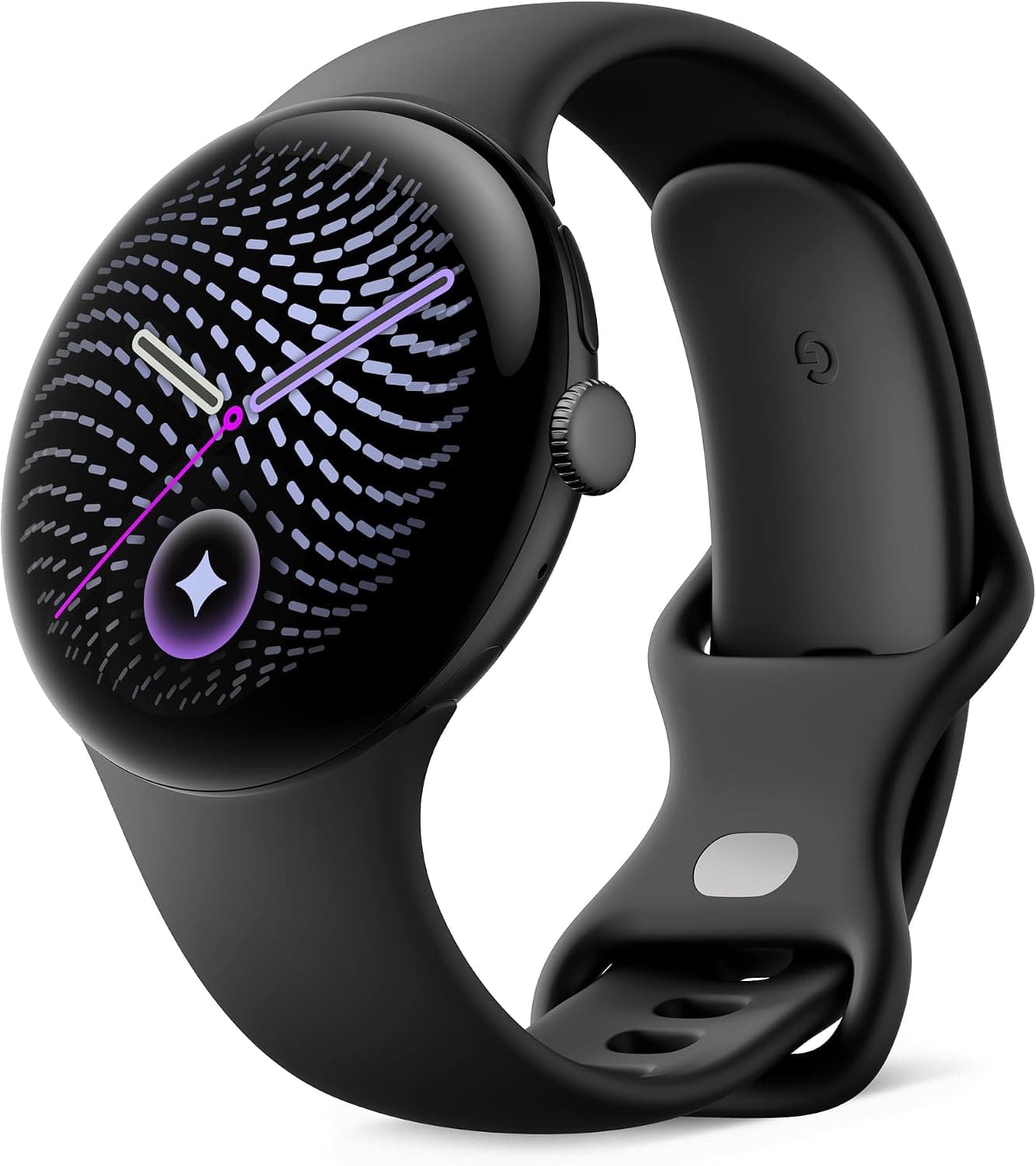
Google Pixel Watch 5 (45mm)

Luiza Mosneagu is Reviews Editor at Droid Tools. A psychologist by training and tech writer by passion, she has tested over 60 Android devices since 2020 - always for a minimum of two weeks before writing a word. Her focus is camera quality, everyday usability, and cutting through marketing claims to tell you what a device is actually like to live with.

Southeast Asia smartphone shipments fell 36% in Q3 2026 to 16.5 million units as memory costs climbed, while average selling prices jumped 53%.

ArcticRAT malware uses a commercial LLM to analyze stolen SMS messages, estimate victim finances, and enable full takeover of infected Android phones.
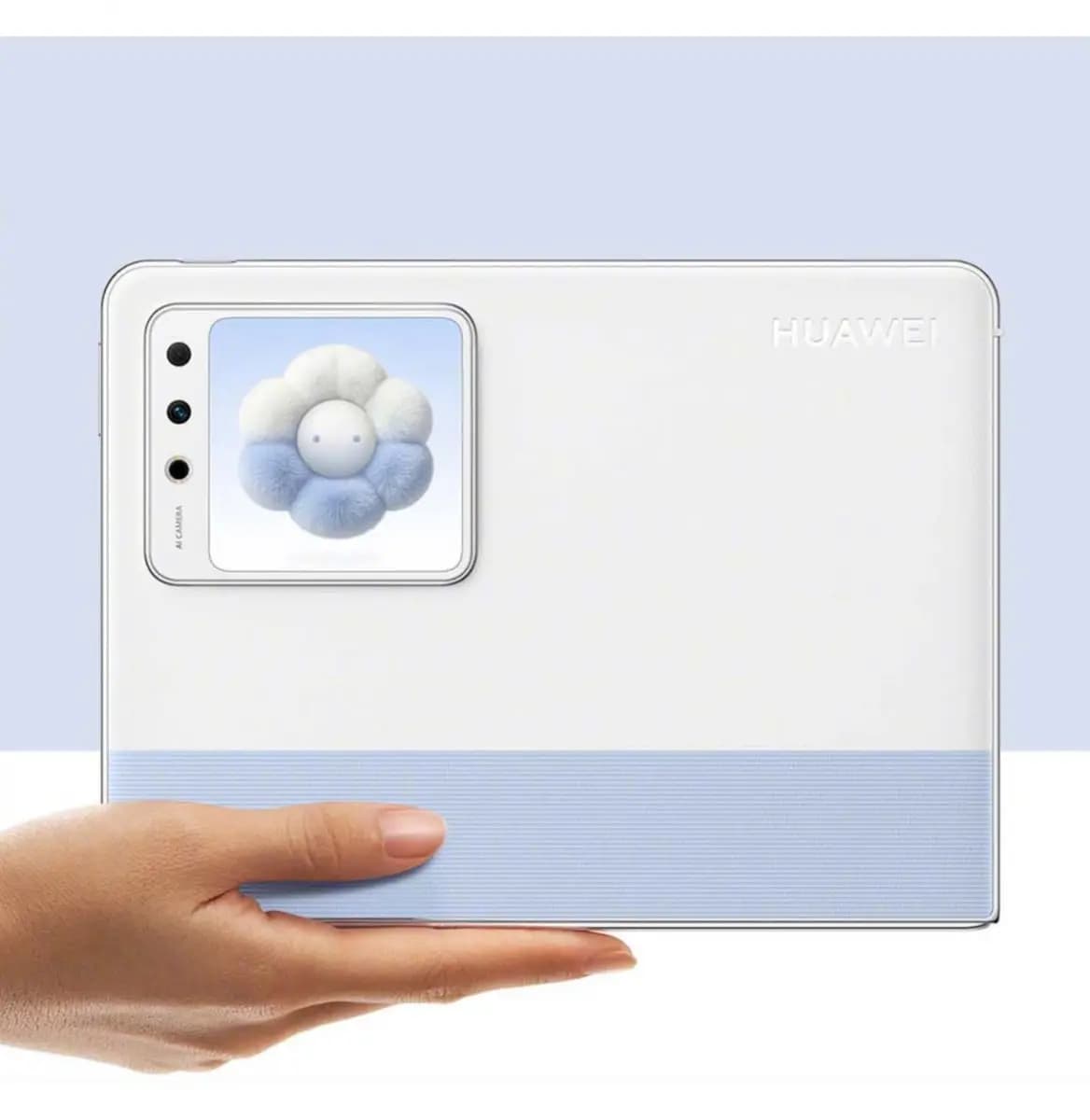
Leaked photos of the Huawei MateBook Fold S show its folding keyboard, virtual layout, possible dual-layer OLED, and November 14 pre-order date.
Huawei led the China tablet market in Q3 2026 with a 24.1% share despite higher prices and a 22.3% industry contraction, according to IDC.
The next story loads as you reach the end. You can also load it using the button.



Comments & Discussions
Join the conversation! We use Disqus to handle comments. Click the button below to load the comment section.