Google released stable Android 17 QPR2 alongside the November Pixel Drop on November 10, roughly a month early. The update brings expanded theming options, Auracast voice broadcasting, and fixes for over 200 bugs across 23 Pixel devices, while updates for other manufacturers could take months to arrive.

Google began rolling out stable Android 17 QPR2 to Pixel phones on November 10, about a month earlier than the usual December window. It shipped alongside the November Pixel Drop and security patch. While Pixel owners received the update immediately, owners of Samsung, OnePlus, or Motorola phones could wait months for updates to arrive. In some cases, anticipated features never arrive if a manufacturer excludes them from its version of Android.
The update supports 23 devices across six Pixel families, ranging from the Pixel 6a, released in 2022, to the latest Pixel 11 model. For users on the beta version, transitioning to the stable release requires leaving the beta and installing the update without losing data.

A couple of years ago, Google changed how it builds Android, moving to trunk-stable development. Every engineer works on one shared code branch, and new features are switched on with flags when ready. That approach gave Google the confidence to ship updates faster and more often without breaking things. Starting with Android 16, Google moved its major release from the third quarter of the year to the second and added a minor release with new developer APIs in the fourth. The stated goal was to line up with device launches so more phones would get new Android versions sooner.
Android 17 launched on June 16, 2026, followed by QPR1 on September 15. QPR2 arrived less than two months later alongside the November Pixel update. While Google has not stated why QPR2 arrived a month earlier than usual, the update had an extended testing period. QPR2 Beta 1 reached Pixel users on July 20. Beta 7.1 appeared in October, one week after the last preview version, with no user-facing changes. Testing for QPR3 had already begun by that time.
QPR2 provides core system functionality and APIs, while the Pixel Drop delivers features made specifically for Pixel devices. Both updates arrived together this month in a single download.
A major change in Android 17 QPR2 is the new theming experience. The new color picker in Wallpaper & Style provides four intensity levels: Bold, Bright, Soft, and Neutral. Compatible options are available in both Light and Dark versions, depending on the system theme.
The update also expands status bar settings. Users can choose whether to display all notifications, priority notifications, or none at all. Vibrations and battery percentage can also be turned on or off individually.
Google still describes the voice broadcast feature as a preview. It broadcasts audio from the phone’s microphone or connected headphones wirelessly to nearby devices using Bluetooth Auracast, functioning like a mini public-address system. Foldable owners receive a window handle to drag apps around in full-screen, split-screen, and floating-bubble modes. Pixel 11 Pro-series owners can also set the rear light to glow when favorite contacts text them.
The November patch addresses over 200 Android bugs across two patch levels, including 166 bug fixes for Pixel devices. As Google noted, the critical bug addressed this month is a framework flaw that enables remote code execution without any user action. Functional fixes resolve missing keyboards in the search bar, spontaneous increases in media volume during voice commands, charging icon fidgeting when disconnected, and stuttering scroll.
Pixels are the only Android phones where Google controls the hardware, software, and update pipeline, making them the only devices that can receive a release the day it is finished. Every other manufacturer must merge Google’s code into its software, test it on its own devices, and often obtain carrier approval before releasing it to users. As Google accelerates its timeline, the Pixel’s head start widens.
Because QPR2 is a platform release, its code eventually reaches other manufacturers’ software. For Galaxy owners, that version is One UI 9.5, expected to be built on Android 17 QPR2 and arrive with the Galaxy S27 series in early 2027. Samsung opened the One UI 9.5 beta on November 17, a week after Pixels received the finished update. The beta is limited to the Galaxy S26 series, and Samsung has not announced a date for the stable release. Samsung’s announcement focuses on camera controls, health tools, and App Lock, omitting the theming and status bar changes Pixel owners received.
Last year demonstrates how long that wait can be. Google released Android 16 QPR2 to Pixels on December 2, 2025, and Samsung opened the One UI 8.5 beta six days later. The stable release did not roll out until May 2026, reaching only newer, high-end Galaxy phones at first. If that timeline repeats, Google will have moved on before One UI 9.5 reaches Galaxy phones, as Pixel owners are already testing Android 17 QPR3, which is due in March 2027.
Other manufacturers work from code Google has finished on a timeline Google sets. While they can narrow the gap, they cannot close it entirely. To receive Android’s newest features the day they are ready, switching to a Pixel may be the only option.

Robert Haba is the founder and editor-in-chief of Droid Tools. A lifelong gadget enthusiast with over a decade following the Android ecosystem, he built this publication to cut through the noise and give readers honest, real-world coverage of the tech they actually use.
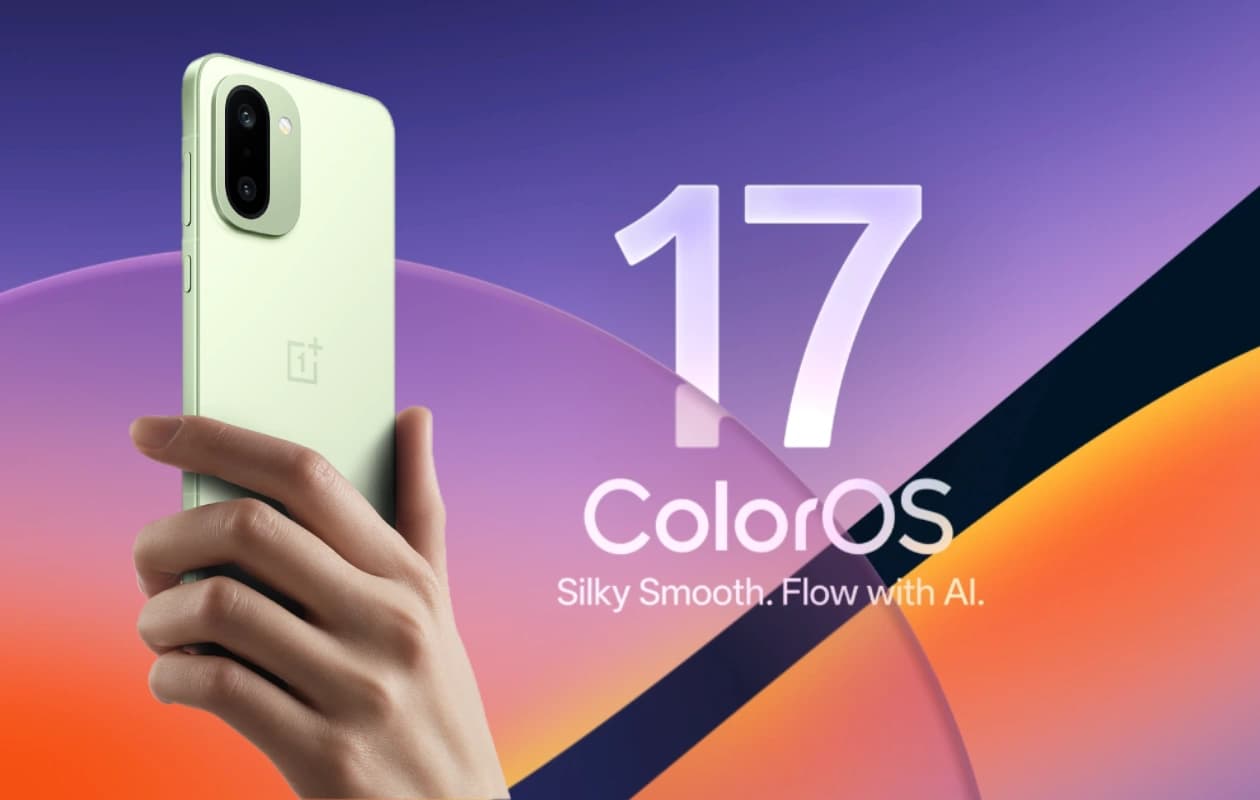
OPPO's ColorOS 17 November 2026 update rolls out in India through November 30 with photo export presets, OSee updates, O+ Connect links, and utility upgrades.
A new GrapheneOS RCS proof of concept enables encrypted messaging compatible with Google and iOS while removing the need for Google Messages.

The One UI 9.5 beta brings a 3D Live effect for lock screen wallpapers on the Galaxy S26 series, requiring a 153MB Spatial Core add-on.

A leaked One UI 10 banner inside Samsung firmware suggests a frosted glass redesign ahead of its expected launch with Android 18 next fall.
The next story loads as you reach the end. You can also load it using the button.
As an Amazon Associate, Droid Tools earns from qualifying purchases. Editorial policy


Comments & Discussions
Join the conversation! We use Disqus to handle comments. Click the button below to load the comment section.