
Xiaomi has officially stepped up its Android 17 transition after publishing a developer adaptation announcement that appears to have indirectly revealed the company’s rollout roadmap. The notice urges developers to wrap up Android 17 compatibility work before July 1, 2026 — a deadline that strongly implies stable Xiaomi HyperOS builds based on Android 17 are arriving much sooner than most anticipated. The move puts Xiaomi alongside OPPO, vivo, and Honor as one of the most aggressive Android manufacturers in preparing their ecosystems for the new platform.
According to Xiaomi’s official developer notice, developers with access to the Xiaomi 17 Ultra, Xiaomi 17 Ultra Leica Edition, and Xiaomi 17 can now install Xiaomi HyperOS 3.3 Developer Preview firmware based on Android 17 Beta 2. This is one of the clearest signals yet that Xiaomi’s Android 17 development has moved into an advanced stage. The company is pushing application developers to complete adaptation work before July 1, 2026, to ensure full compatibility with upcoming HyperOS builds.
Xiaomi hasn’t formally announced a stable Android 17 release date, but the adaptation deadline paints a fairly clear picture of what’s coming and when. Based on the company’s previous software release patterns, the likely Android 17 roadmap looks something like this:
The timeline makes clear that Xiaomi intends to keep HyperOS among the fastest-updated Android platforms in the industry.
The Xiaomi 17 lineup is shaping up to be the first stable Android 17 HyperOS platform. With Android 17 Beta 2 developer firmware already being distributed for these devices, the series is effectively serving as Xiaomi’s primary validation hardware for the new Android version. This mirrors Google’s own Pixel beta rollout strategy, where new flagship devices act as the initial optimization platform before broader expansion begins.
The urgency behind the developer adaptation push also suggests Android 17 introduces platform behavior changes substantial enough to require early preparation. The likely changes include stricter background activity limitations, enhanced permission management, improved battery optimization, new security sandboxing features, updated notification behavior, advanced AI framework integration, and better optimization for large-screen and foldable devices.
Apps that don’t adapt in time risk crashes, background execution failures, notification delays, or UI instability on Android 17 hardware. That’s precisely why Xiaomi and other major manufacturers are pressing developers to act well ahead of stable releases.
The ecosystem preparation extends well beyond Xiaomi. OPPO, vivo, and Honor have each published official Android 17 adaptation notices with the same July 1, 2026 deadline for developers. OPPO has gone furthest in spelling out the consequences, warning developers that apps failing to meet adaptation requirements could face search warning labels, device compatibility restrictions, and potential removal from app stores. That’s a strong signal of how seriously Android manufacturers are treating ecosystem stability ahead of what promises to be one of the more significant Android platform transitions in recent years.
Google Pixel Watch 5 (45mm)

Robert Haba is the founder and editor-in-chief of Droid Tools. A lifelong gadget enthusiast with over a decade following the Android ecosystem, he built this publication to cut through the noise and give readers honest, real-world coverage of the tech they actually use.
Google has officially released Android 17 QPR2 Beta 7 (build CP41.260831.016), delivering essential bug fixes to Pixel owners across several generations. The release builds on patches that arrived earlier in Android 17 QPR2 Beta 6 and in incremental builds such as Android 17 QPR2 Beta 6.1. Testing on newer Android development tracks continues at the […]
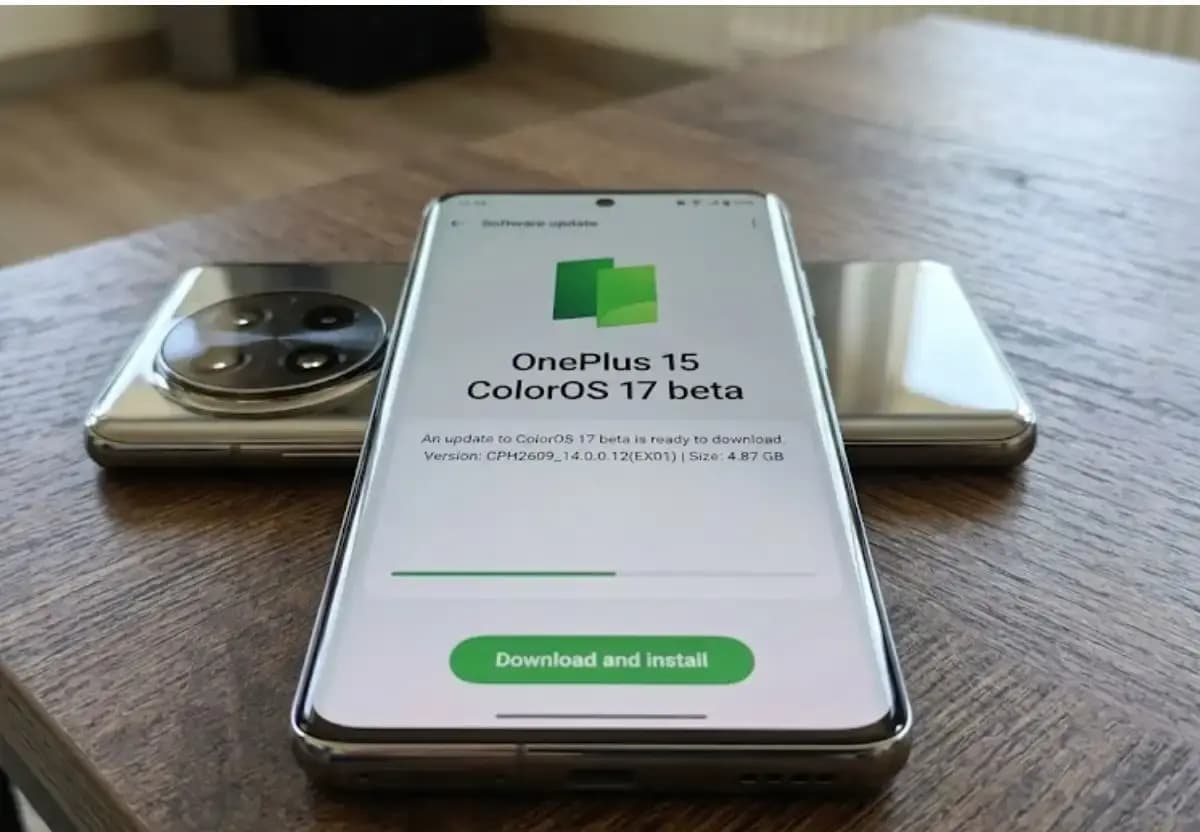
Some OnePlus 15 owners can now apply for the ColorOS 17 open beta and voluntarily move their phones from OxygenOS to ColorOS. OnePlus opened applications for the program, which for now is limited to users in India. The OnePlus 15 will be remembered as the swan song of OnePlus for its fans in the US […]

Xiaomi has confirmed that the HyperOS 4 stable update will start reaching users in China on October 15. The first batch of stable builds is meant for select Xiaomi, Redmi, and tablet owners, and the wait is nearly over. The news arrives as Xiaomi’s internal testing recruitment is scheduled to close on October 14. Because […]

Google has released Android 17 QPR2 Beta 7, the latest in a series of updates meant to fix issues and bugs affecting Android 17. The Alphabet subsidiary pushes these updates to Pixel models that still receive support from the company, and this beta reaches devices as old as the Pixel 6a. Installing it requires a […]
The next story loads as you reach the end. You can also load it using the button.


Comments & Discussions
Join the conversation! We use Disqus to handle comments. Click the button below to load the comment section.