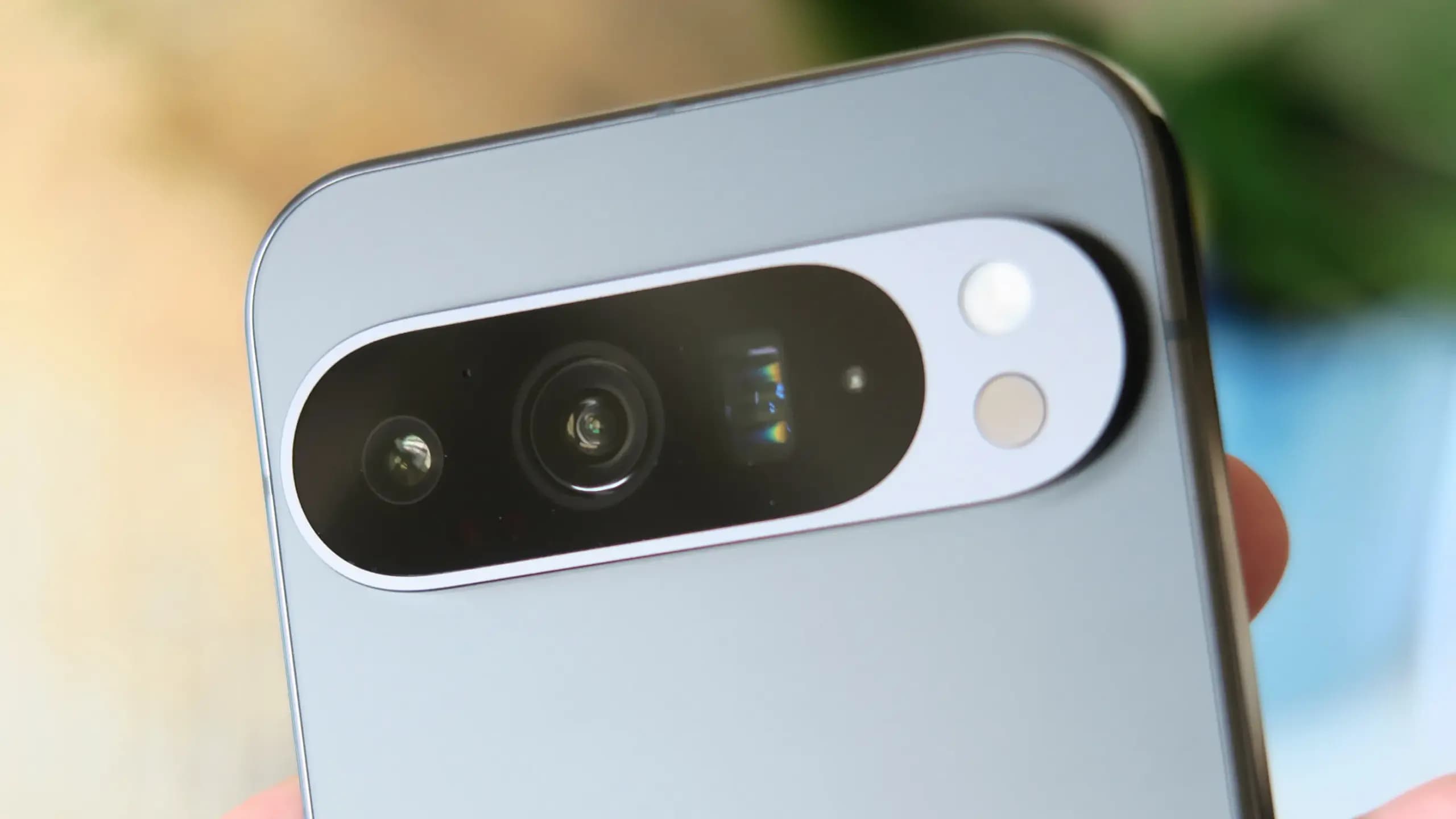
According to a recent leak, the Pixel 10 is expected to come with two major upgrades this year: a better ultrasonic fingerprint sensor and support for Qi2 wireless charging.
When Google eventually abandoned the sluggish and unreliable optical fingerprint sensors of earlier generations in favor of ultrasonic ones with the Pixel, it made a significant shift. However, it appears that the fingerprint experience will be much better with the incoming Pixel.

According to the research, when working with damp or dirty fingers, the ultrasonic fingerprint sensor will provide superior speed and responsiveness.
It’s good to note that Google isn’t discontinuing the fingerprint sensor even though their face unlock system has supported Class 3 biometric verification since the Pixel 8, which makes it safe enough for delicate operations like digital payments and banking.
Pixel devices provide consumers with more flexibility and convenience based on their requirements and surroundings by providing both fingerprint and face unlock. Google frequently teases Apple with humorous advertisements, and I anticipate one involving these biometric technologies after the release of the Pixel 10 and Pixel 10 Pro.
The Pixel 10’s support for Qi2 is another noteworthy improvement. Sadly, even though the Pixel 10 will be Qi2-ready, customers will still require a magnetic case that works with it in order to fully benefit from it.

Companies like Samsung and OnePlus, who have also introduced Qi2 support this year, have used a similar strategy. Fun fact: Although the Apple iPhone 16e does not fully support Qi2 fast charging, it is technically compatible with MagSafe.
A new look is also being applied to the Pixel 10 series. The Pro models will, as usual, keep to more subdued colors like Sterling Gray and Smoky Green, while the base Pixel 10 will be offered in Ultra Blue, Limoncello, Iris, and Midnight. The colors of the foldable Pixel 10 Pro Fold will match those of the standard Pro variants.

The Pixel 10 series will reportedly be unveiled by Google on August 20. Pre-orders will begin that same day. Beginning on August 28, the phones will be on sale.
In addition to Qi2 and an improved fingerprint sensor, the Pixel 10 series is anticipated to use Google’s first entirely proprietary processor (Tensor G5), which offers significant improvements in terms of performance, faster biometric systems, and next-generation charging technology.

Robert Haba is the founder and editor-in-chief of Droid Tools. A lifelong gadget enthusiast with over a decade following the Android ecosystem, he built this publication to cut through the noise and give readers honest, real-world coverage of the tech they actually use.

Google's Pixel 11 is a very good phone, but it is not a very new one. That is the takeaway from WIRED reviewer Simon Hill, who scored the $899 handset 8/10 and called it a slick, refined step forward from the Pixel 10, though only a small one. The short version If your phone is […]

The Honor Win2 series, made up of the Win2, Win RT2, and Win Turbo 2, is scheduled to launch in China next week. Honor revealed the designs and color options of all three phones yesterday, and it has now confirmed several of their key specifications. Honor has confirmed that the Win2 will run on the […]

Samsung is reportedly bringing three upgrades to the Galaxy S27 Ultra display next year: DC dimming, the M16 panel, and fixes for the Privacy Display introduced on the Galaxy S26 Ultra. The phone already sounds appealing on paper, and a redesign will probably drive more sales, but these screen changes are tangible improvements users should […]
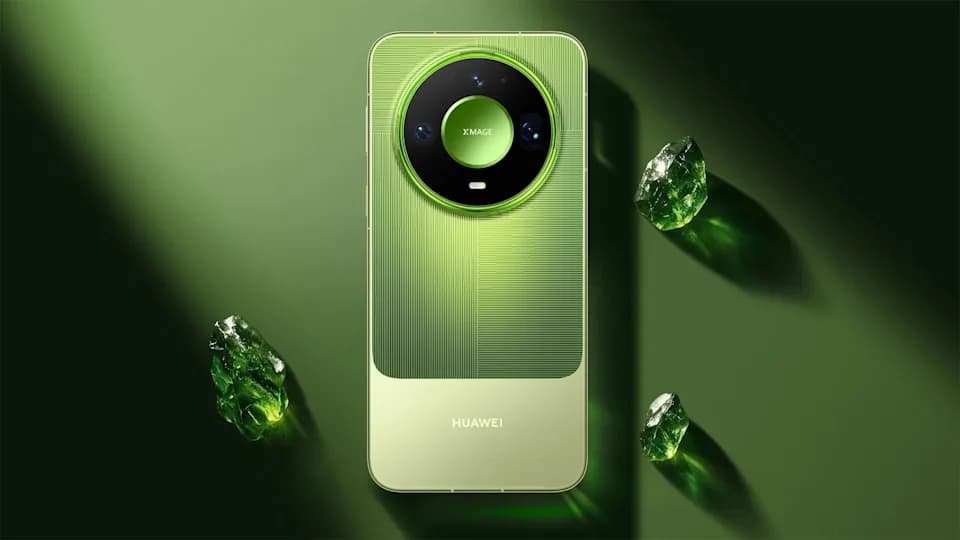
Huawei has officially unveiled the Huawei Mate 90 Pro in China, a new flagship that starts at ¥6,999 for the base 12GB + 256GB model. The phone pairs a Tandem OLED display with 12,000 nits of local peak brightness, the new Kirin 9035 processor, a 50MP variable-aperture main camera, eSIM satellite communications, and a 6600mAh […]
The next story loads as you reach the end. You can also load it using the button.


Comments & Discussions
Join the conversation! We use Disqus to handle comments. Click the button below to load the comment section.