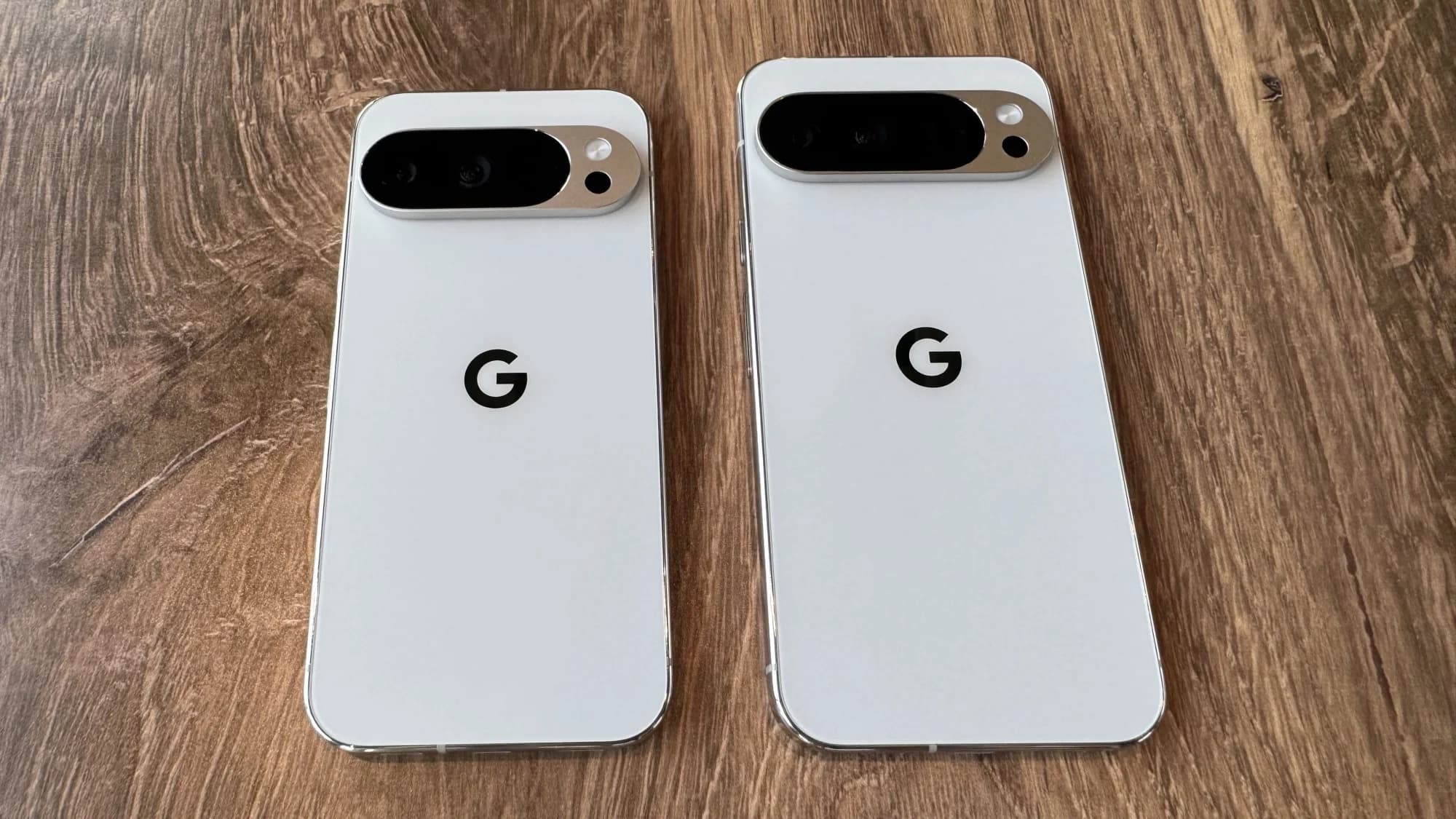
Google’s Pixel lineup now covers a fairly wide range of budgets. The Pixel 10a starts at $499 for anyone looking to spend less, while the Pixel 10, Pixel 10 Pro, Pixel 10 Pro XL, and Pixel 10 Pro Fold handle the mid-range and premium tiers. For buyers who’ve already narrowed it down to the Pixel 10 and Pixel 10 Pro but aren’t sure which way to go, here’s a breakdown of what actually separates them.
The price gap is $200 — the Pixel 10 starts at $799 and the Pixel 10 Pro at $999. That’s not a small difference, and it’s worth knowing exactly what that extra money gets you. The short answer: a better camera and a slightly improved display. Beyond those two things, the phones are more alike than different. Both run the same chip, both have 6.3-inch screens, and they weigh nearly the same. The distinction comes down to a handful of meaningful upgrades rather than a wholesale redesign.

For the majority of buyers, the Pixel 10 is the more sensible choice. It’s the first base-model Pixel to include a triple camera setup, which makes it a capable and versatile shooter – a notable step up from previous A/standard models. The OLED panel with 120Hz refresh rate and 3,000 nits of peak brightness is excellent for everyday use. There are a few things the Pro does better, but they won’t matter much for most people most of the time.

When the Pixel 10 Pro’s extra cost makes sense
The camera is the clearest differentiator. The Pixel 10 Pro packs a 50MP wide camera, a 48MP telephoto with 5x optical zoom, and a 48MP ultrawide with a 123-degree field of view. If photography is a priority, the Pro also offers more manual control within the camera app – specifically the ability to adjust ISO and shutter speed independently, rather than relying entirely on automatic settings. That level of control matters in tricky lighting conditions or when the automatic result isn’t quite right. The Pro also tends to produce stronger images in challenging environments compared to the standard Pixel 10.
The display is another area where the Pro edges ahead. It uses an LTPO OLED panel, which is sharper and brighter than the standard model’s screen. For most day-to-day tasks the difference is subtle, but it’s perceptible side by side and particularly noticeable in direct sunlight or when watching high-quality video.
Storage is the third consideration. The base Pixel 10 tops out at 256GB, with the entry option sitting at 128GB. The Pixel 10 Pro extends that with 512GB and 1TB configurations – meaningful for anyone who shoots a lot of video, doesn’t want to manage storage regularly, or simply prefers not to think about it. This matters more on Pixel phones than on some competitors because Google has never included a microSD card slot in any Pixel smartphone, so the internal storage is all there is.
If none of those three factors – camera flexibility, display quality, and storage ceiling — apply to how the phone will actually be used, the standard Pixel 10 delivers nearly the same experience for $200 less.

Robert Haba is the founder and editor-in-chief of Droid Tools. A lifelong gadget enthusiast with over a decade following the Android ecosystem, he built this publication to cut through the noise and give readers honest, real-world coverage of the tech they actually use.

Google's Pixel 11 is a very good phone, but it is not a very new one. That is the takeaway from WIRED reviewer Simon Hill, who scored the $899 handset 8/10 and called it a slick, refined step forward from the Pixel 10, though only a small one. The short version If your phone is […]

The Honor Win2 series, made up of the Win2, Win RT2, and Win Turbo 2, is scheduled to launch in China next week. Honor revealed the designs and color options of all three phones yesterday, and it has now confirmed several of their key specifications. Honor has confirmed that the Win2 will run on the […]

Samsung is reportedly bringing three upgrades to the Galaxy S27 Ultra display next year: DC dimming, the M16 panel, and fixes for the Privacy Display introduced on the Galaxy S26 Ultra. The phone already sounds appealing on paper, and a redesign will probably drive more sales, but these screen changes are tangible improvements users should […]

Huawei has officially unveiled the Huawei Mate 90 Pro in China, a new flagship that starts at ¥6,999 for the base 12GB + 256GB model. The phone pairs a Tandem OLED display with 12,000 nits of local peak brightness, the new Kirin 9035 processor, a 50MP variable-aperture main camera, eSIM satellite communications, and a 6600mAh […]
The next story loads as you reach the end. You can also load it using the button.


Comments & Discussions
Join the conversation! We use Disqus to handle comments. Click the button below to load the comment section.