

The countdown to Google’s next hardware event is moving fast. Based on Google’s established pattern, the Pixel 11 series should land before the end of summer — and we’re already well into June. Between CAD renders, spec sheet leaks, and internal codenames, there’s already a solid picture forming of what’s coming. Here’s everything known about the Pixel 11 series so far.
Google repositioned its hardware event to the summer a few years back, letting it land between Samsung and Apple launches rather than trailing behind both. That timing strategy looks set to continue in 2026. The Pixel 9 was announced on August 13, 2024, the Pixel 10 followed on August 20, 2025, and a late August 2026 announcement for the Pixel 11 series seems highly probable.
| Model | Announcement Date | Release Date |
|---|---|---|
| Pixel 9 Series | August 13, 2024 | August 22, 2024 |
| Pixel 10 Series | August 20, 2025 | August 28, 2025 |
| Pixel 11 Series | August 2026 | August 2026 |
Four models are expected, matching the lineup structure Google has used since the Pixel 9 generation: the Pixel 11 (codename “cubs”), Pixel 11 Pro (codename “grizzly”), Pixel 11 Pro XL (codename “kodiak”), and the foldable Pixel 11 Pro Fold (codename “yogi”).
On pricing, early reports suggest Google isn’t planning any major changes. The base Pixel 11 is expected to hold at around $799, with the Pixel 11 Pro at $999, the Pixel 11 Pro XL at $1,199, and the Pixel 11 Pro Fold at $1,799.

The Pixel 11 series will largely continue the design language Google established with the Pixel 9 and carried through the Pixel 10. That said, CAD renders point to one notable visual change: the camera bar housing appears to be going fully black, replacing the previous color-matched frame around the lenses with a cleaner, blacked-out look. A rumored Pixel Glow lighting system may also feature around the camera bar — more on that below.
Dimensions are expected to remain largely unchanged across the lineup:
Display technology is expected to be familiar across the board, with incremental brightness improvements as the main upgrade:
| Model | Screen Size | Resolution | Refresh Rate | Brightness |
|---|---|---|---|---|
| Pixel 11 | 6.3″ OLED | 1080 × 2424 | 60–120Hz | 2200 nits |
| Pixel 11 Pro | 6.3″ OLED | 1280 × 2856 | 1–120Hz LTPO | 2450 nits |
| Pixel 11 Pro XL | 6.8″ OLED | 1344 × 2992 | 1–120Hz LTPO | 2450 nits |
| Pixel 11 Pro Fold | 6.3″ outer / 8.0″ inner OLED | 1080×2342 / 2076×2160 | 60–120Hz (outer) / 1–120Hz (inner) | 2450 nits (outer) / 2050 nits (inner) |
The most compelling hardware story for the Pixel 11 series may be under the hood. Google is expected to move to the Tensor G6, built on TSMC’s N2 (2nm) node process — a manufacturing step that typically brings meaningful gains in thermal efficiency, battery endurance, and overall performance.

A detailed leak revealed the Tensor G6’s CPU configuration:
The same leak outlined the rest of the chip architecture. The GPU is a PowerVR C-Series CXTP-48-1536. The modem is a MediaTek M90 (MT6986D). Security is handled by a Titan M3 chip. On the AI and imaging side, the Tensor G6 reportedly includes a fully upgraded TPU and a brand-new GXP imaging coprocessor.
One slightly unusual detail from leaks is the suggestion of multiple RAM configurations depending on model or market. The Pixel 11 may ship in both 8GB and 12GB variants, while the Pro models could offer both 12GB and 16GB options. For context, the Pixel 10 came with 12GB RAM and the Pixel 10 Pro lineup offered only 16GB. Whether this reflects a component supply decision, regional variation, or a pricing strategy remains unclear.
| Pixel 11 (cubs) | Pixel 11 Pro (grizzly) | Pixel 11 Pro XL (kodiak) | Pixel 11 Pro Fold (yogi) | |
|---|---|---|---|---|
| Price | $799 | $999 | $1,199 | $1,799 |
| Model Numbers | GPQQ7 / GUJ0N / GV9X7 | G7SWN / GM45K / G9W5D | GBC0H / G4HCD / GER5L | GZDQ6 / GM2SN |
| Colors | Black, Green, Pink, Purple | — | — | — |
| RAM | 8 / 12 GB | 12 / 16 GB | 12 / 16 GB | 12 / 16 GB |
| Battery | 4840 mAh | 4707 mAh | 5000 mAh | 4658 mAh |
| Display | 6.3″ OLED, 1080×2424, 60–120Hz, 240Hz PWM, up to 2200 nits | 6.3″ OLED, 1280×2856, 1–120Hz, 240Hz PWM, up to 2450 nits | 6.8″ OLED, 1344×2992, 1–120Hz, 240Hz PWM, up to 2450 nits | Inner: 2076×2160, 1–120Hz, up to 2050 nits / Outer: 1080×2342, 60–120Hz, up to 2450 nits |
| Size | 152.8 × 72 × 8.5mm | 152.7 × 71.8 × 8.4mm | 162.7 × 76.5 × 8.5mm | 155.2 × 150.4 × 4.8mm (unfolded) / 155.2 × 76 × 10.1mm (folded) |
The rear-facing temperature sensor introduced on the Pixel 8 Pro is reportedly being dropped from the Pixel 11 Pro and Pro XL. First suggested by CAD renders and backed up by spec leaks, Google appears to be clearing that space for something new.
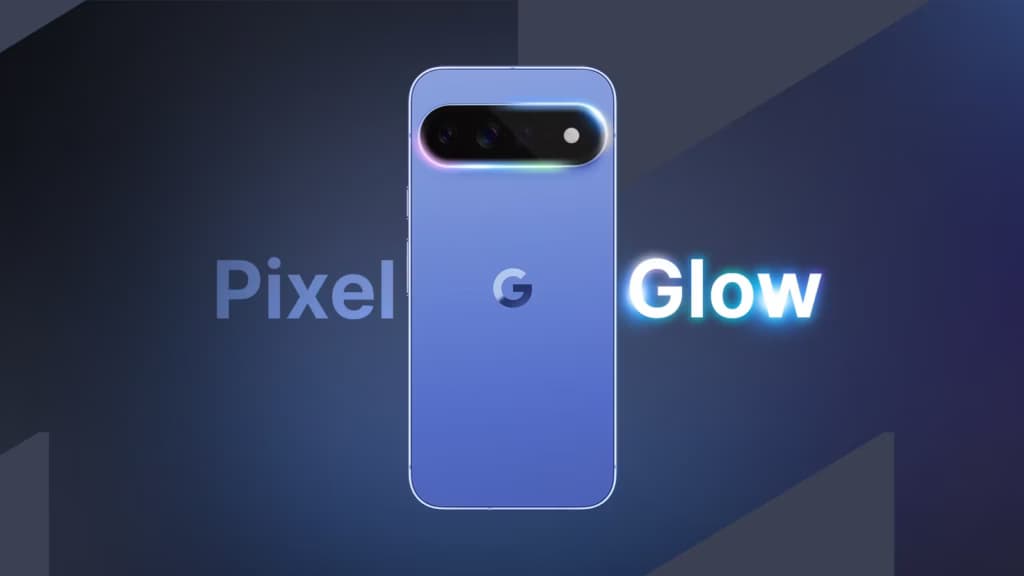
In its place comes “Pixel Glow” — a new integrated RGB LED system that wraps around the camera bar frame. According to leaks, it will function as a customizable notification light and status indicator, flashing different color patterns depending on the alert type. There may also be an RGB element embedded within the camera bar itself, occupying the space the temperature sensor previously used. The concept draws obvious comparisons to Nothing’s Glyph Matrix system, albeit in a more compact form.
The actual camera hardware remains unconfirmed beyond internal codenames: chemosh, vesta, bastet, barghest, and chonky. Early rumors suggest the primary chemosh sensor will use an upgraded 50MP main module, but specific lens configurations for each model haven’t been revealed yet.
This roundup will be updated as more concrete information surfaces ahead of the expected August launch.

Luiza Mosneagu is Reviews Editor at Droid Tools. A psychologist by training and tech writer by passion, she has tested over 60 Android devices since 2020 - always for a minimum of two weeks before writing a word. Her focus is camera quality, everyday usability, and cutting through marketing claims to tell you what a device is actually like to live with.

Samsung is reportedly bringing three upgrades to the Galaxy S27 Ultra display next year: DC dimming, the M16 panel, and fixes for the Privacy Display introduced on the Galaxy S26 Ultra. The phone already sounds appealing on paper, and a redesign will probably drive more sales, but these screen changes are tangible improvements users should […]
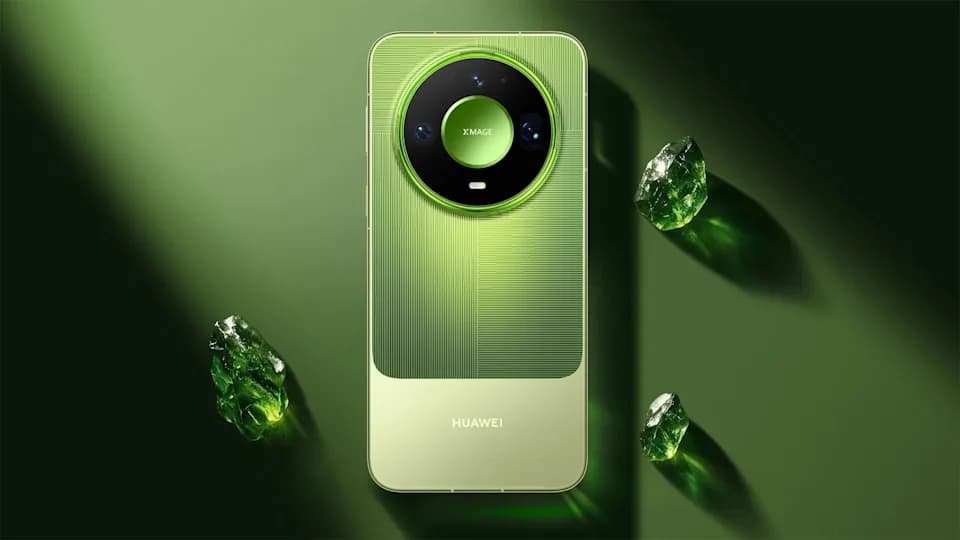
Huawei has officially unveiled the Huawei Mate 90 Pro in China, a new flagship that starts at ¥6,999 for the base 12GB + 256GB model. The phone pairs a Tandem OLED display with 12,000 nits of local peak brightness, the new Kirin 9035 processor, a 50MP variable-aperture main camera, eSIM satellite communications, and a 6600mAh […]

Google has brought back its Pixel Referral Program on the US Google Store with a fresh coat of paint, giving anyone who's been nudging friends toward a Pixel phone a way to actually get rewarded for it. The relaunch follows last month's Pixel 11 launch, and the setup is simple: share a referral code with […]

Android Headlines has published exclusive renders showing the Google Pixel 11a for the first time, following its earlier report on the phone under the codename “Formosan” back in January 2025. Google appears to be sticking with a design similar to the past two years, but the internals are getting a major upgrade this time: the […]
The next story loads as you reach the end. You can also load it using the button.


Comments & Discussions
Join the conversation! We use Disqus to handle comments. Click the button below to load the comment section.