On the third day of Huawei Connect 2024, the OEM showcased the revolutionary capabilities of the native HarmonyOS. In terms of the user experience, efficiency, and self-developed software system, it also shares a few other accomplishments.
According to Zhu Yonggang, President of Huawei Mobile Cloud, users will receive a fresh and inventive experience at their doorstep with the native HarmonyOS NEXT.
The newest system architecture serves as the foundation for the new HarmonyOS, which is powered by distributed soft buses, native intelligence, and Star Shield protection. Together with ensuring an amazing appearance, these parts also guarantee quicker, more seamless, and safer device operation.
HarmonyOS NEXT does away with all conventional foreign components. Compared to Linux, it is three times more efficient thanks to its pioneering microkernel. Because of its high level of security, this kernel has been certified at several higher industry levels.
The new self-developed OS’s intrinsic intelligence is another important component. To get the best and most complete intelligence for system apps, the company has reformed AI-centered intelligence. Celia is an excellent illustration of this element.
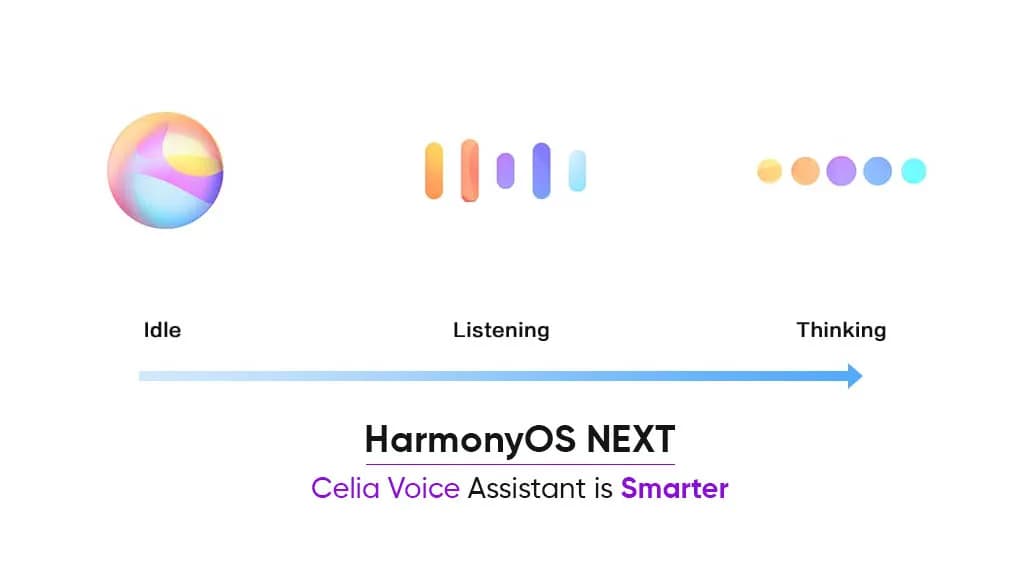
Celia has reached a higher level. It has a ton of useful services and intriguing features. It links third-party apps to the HarmonyOS native app ecosystem and empowers the expansive Pangu AI model to oversee them. A new and more intelligent virtual assistant developed by Huawei is also ready and is built on the high-level interaction of large models.
This helper is capable of thought, planning, artistic expression, and more organic user involvement. It provides a simple understanding so that users may more easily enjoy taking notes, asking inquiries, obtaining document intelligence, and recognizing dialogue on screen.
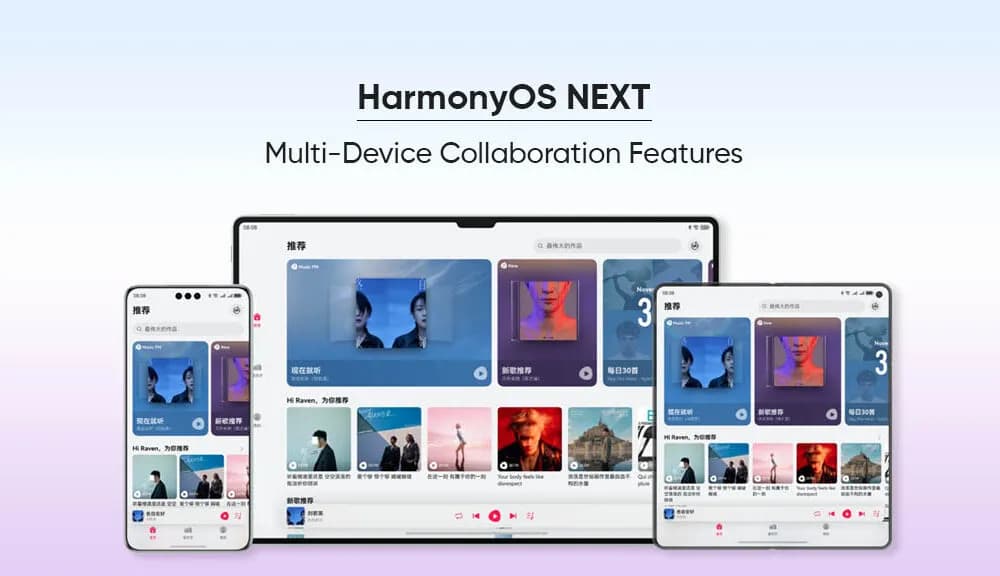
According to Zhu, the HarmonyOS NEXT provides a smooth service flow and sharing encounter. Additionally, app continuation is supported. To seamlessly carry out one device’s task on another, just bring the two devices close together and click the pop-up icon.
These gadgets might include laptops, smartphones, tablets, and even smart automobiles. Right now, the best instances of app continuation are Amap, DingTalk, and WPS. They even offer features like a copy-and-paste tool for the gallery that works across devices.
The President goes on to say that HarmonyOS NEXT’s new Star Shield Security architecture makes it the most potent OS to date in terms of security and privacy. It oversees full-process purity, system security, and kernel security.
The Huawei representative claims that HarmonyOS NEXT operates on a “one system, one ecosystem” basis. For this reason, it seeks to bring many objects and circumstances under the purview of interaction. The corporation makes an annual investment of about 6 billion yuan to support innovation inside the HarmonyOS ecosystem.
Following the release of the HarmonyOS NEXT beta, the company released more than six versions. Additionally, it got more than a million comments and ideas.
Perhaps the stable HarmonyOS NEXT version would be an extremely better software system for Huawei device owners.

Apple AirPods Pro 3

Robert Haba is the founder and editor-in-chief of Droid Tools. A lifelong gadget enthusiast with over a decade following the Android ecosystem, he built this publication to cut through the noise and give readers honest, real-world coverage of the tech they actually use.
The Sony Xperia 1 VII Android 17 update is rolling out in Europe with desktop mode and visual tweaks, though it omits the newer AI Camera Assistant.

Samsung is rolling out the Galaxy S24 One UI 9 update based on Android 17, with Verizon publishing new build numbers for the base, Plus, and Ultra models.
The Xiaomi October update brings 25 security patches to 15 devices in China and Europe, with wider global availability expected to follow.

The HyperOS 4 stable update is rolling out in China for Xiaomi 17, Redmi K100, and Pad 8 devices, bringing HyperCore optimizations and visual redesigns.
The next story loads as you reach the end. You can also load it using the button.


Comments & Discussions
Join the conversation! We use Disqus to handle comments. Click the button below to load the comment section.