Android and iOS still dominate mobile software almost everywhere, and escaping that duopoly is close to impossible even for advanced users. In the US, the options mostly come down to iOS 27 on the upcoming iPhone 18 Pro or Android 17 on phones like the Pixel 11 and the Galaxy Z Fold 8. Huawei, one of the world’s leading smartphone makers, now appears ready to challenge that setup by finally expanding HarmonyOS outside China.
Huawei made its intentions clear during its HarmonyOS Ecosystem Conference last weekend, where the company said it’s serious about expanding the software into global markets. Eric Xu (Xu Zhijun), Huawei’s Deputy Chairman and Rotating Chairman, said the company is looking forward to running pilot programs with HarmonyOS in other countries, according to a report in Chinese. During a talk titled “The construction of the Harmony OS ecosystem is a marathon without a finish,” Xu said the success of an operating system is ultimately measured by its ability to go global.
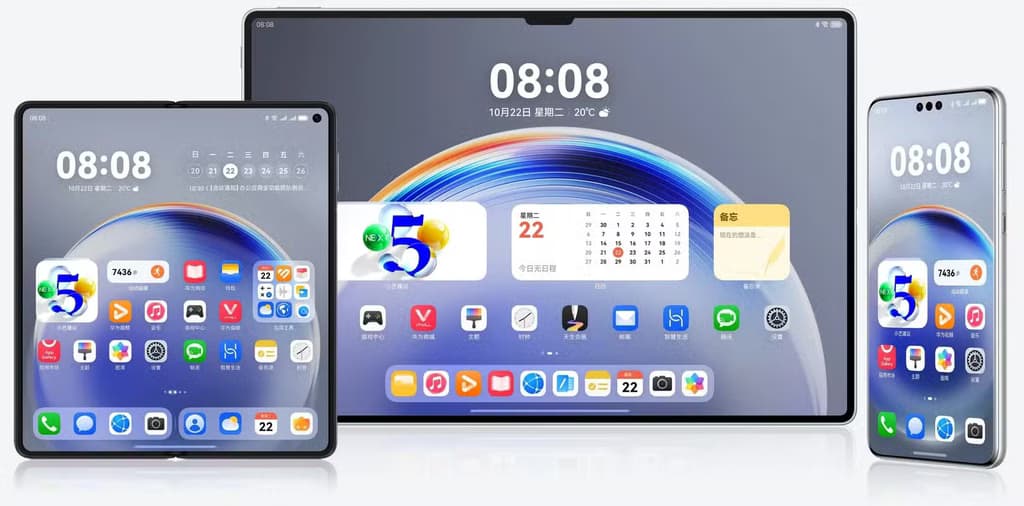
HarmonyOS itself was born out of necessity: Huawei developed the platform after it was banned from buying any US-origin technology and lost access to Google’s version of Android. In its earliest smartphone releases, the OS still ran Android apps, but that compatibility disappeared once Huawei introduced HarmonyOS Next in 2024, cutting the software off from the wider Android app ecosystem. To help fill that gap, Huawei now says more than 400,000 applications are available for HarmonyOS phones, with 100,000 of those built natively for the platform rather than ported over.
One detail Xu left out was any timeline for that global rollout. Pilot programs could plausibly launch within the next few months, but there’s also a real chance they never materialize – Huawei has made similar comments about expanding HarmonyOS globally before without following through with actual software releases in those markets.
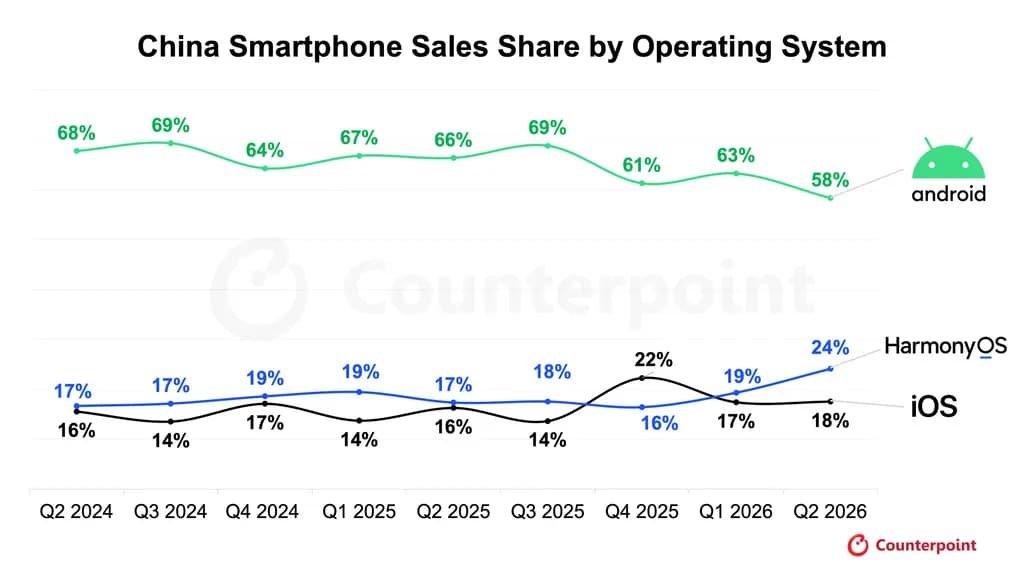
The stakes look very different outside the US, though. In China, HarmonyOS powered 24% of phones sold in the second quarter of 2026, ahead of iOS at 18%, according to Counterpoint Research. Globally, the research firm put HarmonyOS’s share of smartphone sales at just 5%.
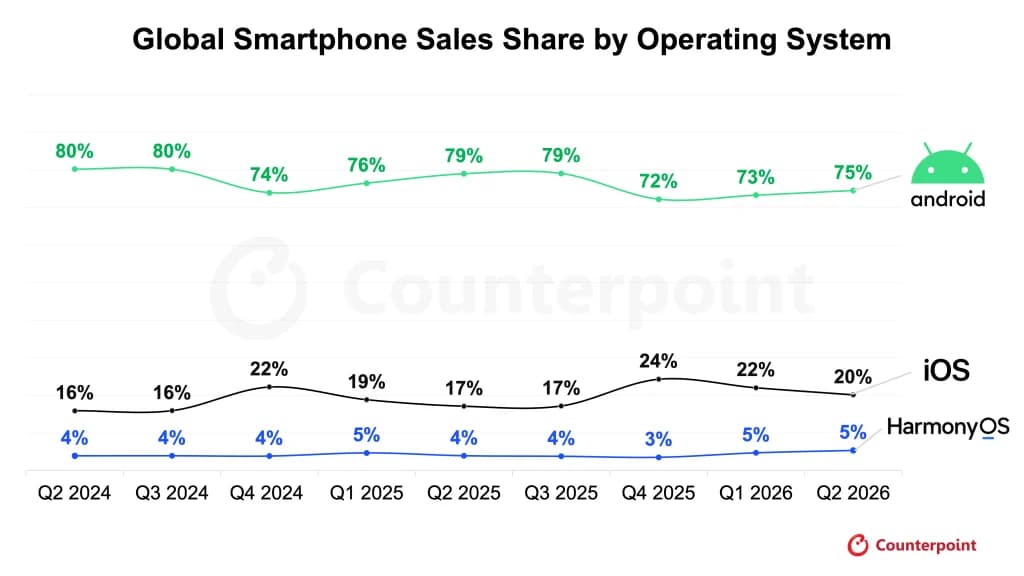
That kind of gap suggests HarmonyOS is unlikely to gain real traction in the US, but a Huawei comeback in other markets looks far more plausible. Consumers in Europe, Latin America, and several other regions have responded well to the company’s phones in the past, which is an important starting point for any relaunch. Huawei is also one of the very few companies capable of securing an essential app ecosystem in many countries, something few rivals can match. If that ecosystem work is paired with competitive hardware at a competitive price, HarmonyOS could realistically become a viable third option in at least some markets outside China.
Google Pixel Watch 5 (45mm)

Robert Haba is the founder and editor-in-chief of Droid Tools. A lifelong gadget enthusiast with over a decade following the Android ecosystem, he built this publication to cut through the noise and give readers honest, real-world coverage of the tech they actually use.

Android Auto redesign clues emerge in the 18.0 beta update, with code pointing to a new launcher asset under the Cielo codename.
The Nothing OS 5 update brings Android 17 to Phone 3 users in a staggered rollout, adding the Geist font, AI upgrades, and a dedicated Glyph app.

Oppo has announced the ColorOS 17 upgrade, based on Android 17, for the smartphones of its parent group BBK Electronics, including OnePlus and Realme. OnePlus already announced a beta upgrade to ColorOS 17 for its OnePlus 15 flagship, and the Realme ColorOS 17 update is now on the way too. It brings a completely new […]
Samsung has started rolling out the Galaxy S23 One UI 9 update based on Android 17, starting with beta testers in South Korea.
The next story loads as you reach the end. You can also load it using the button.


Comments & Discussions
Join the conversation! We use Disqus to handle comments. Click the button below to load the comment section.