An American Heart Association study indicates pairing fitness trackers and blood pressure monitors with AI can predict hypertensive crises up to three days in advance. Participants who received an alert and medication within 24 hours saw crisis occurrences drop by 61% and emergency hospital visits decrease by 45%.
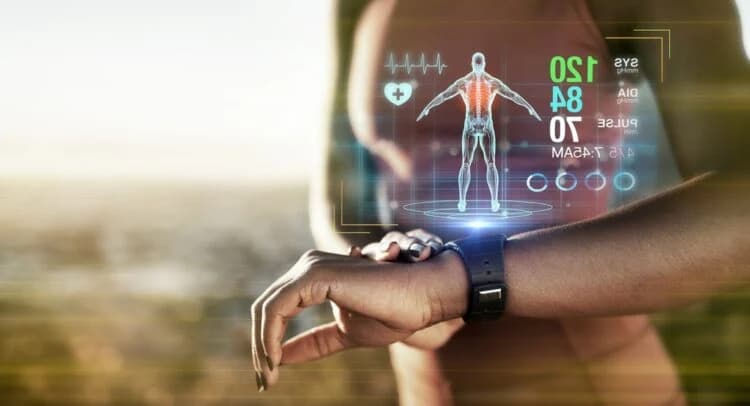
Wearable devices have expanded into multiple form factors, including screenless smart bands, smart rings, and smartwatches. Sensing hardware has progressed from basic light-based heart rate tracking to taking electrocardiogram readings, tracking sleep, detecting signs of sleep apnea, and identifying spikes in blood pressure. Research courtesy of the American Heart Association indicates that mass-market wearables can help predict episodes of dangerously high blood pressure, or hypertensive crises, up to three days in advance. The 12-month study involved more than 4,000 participants living with stage 2 high blood pressure.
A hypertensive crisis can lead to acute organ damage, and abrupt blood pressure spikes during such episodes are linked to stroke, kidney damage, fluid backup in the lungs, and heart attack. These episodes are recognized as a major cause of emergency department visits for heart-related issues. The American Heart Association notes that uncontrolled and untreated high blood pressure can eventually lead to serious health risks, including heart failure, stroke, heart attack, vision loss, and atherosclerosis.

As part of the study, participants wore a portable cuff-style blood pressure monitor alongside a fitness tracker. The portable cuff measured blood pressure during workouts and while participants were asleep. The wrist-worn wearable tracked heart rate and heart rate variability (HRV), a metric available on most current devices and linked to general stress levels. According to American Heart Association experts, processing data from both devices through an AI model can predict whether an individual is at risk of a hypertensive crisis, providing an opportunity to seek urgent medical care.
Out of the thousands of people who took part in the study, 312 experienced episodes of dangerously high blood pressure spikes. The study noted that participants whose blood pressure did not fall during sleep had five times higher chances of experiencing a hypertensive crisis. The research team tracked multiple metrics, observing blood pressure levels during sleep and waking hours and how they shifted over time relative to heart activity. Even though the study is limited in scope, the researchers consider it a major milestone in determining whether blood pressure patterns can warn at-risk people in time.
Timely intervention significantly improved outcomes. Among participants who received an alert from the AI-powered sensing system and obtained proper medication from a healthcare expert within the first 24 hours, the chances of a hypertensive crisis dropped by 61%, and emergency hospital visits decreased by 45%. In an official press statement, the AHA reported: “Among participants who had a positive alert, about 32% experienced a hypertensive crisis, while 97.4% of patients who did not have an alert remained crisis-free.”
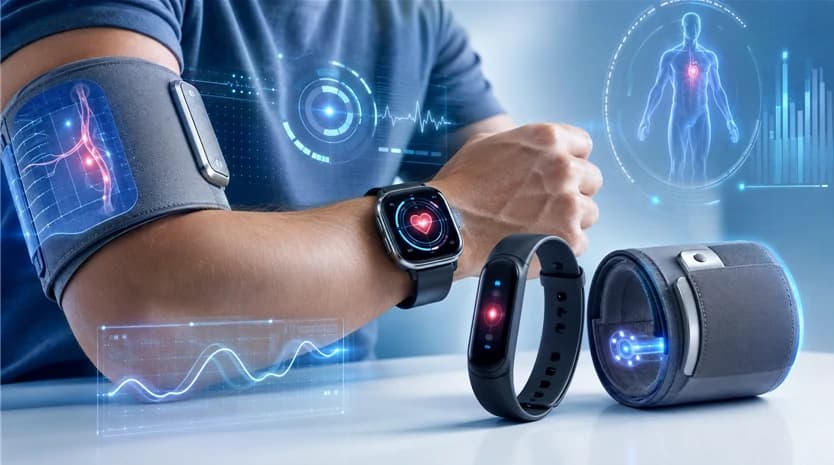
Wearable devices have not reached a stage where they can replace medical-grade tools that measure heart activity and blood pressure. While models such as the Apple Watch Series 12 and Samsung Galaxy Watch 9 detect blood pressure fluctuations and notify users, they do not provide specific systolic and diastolic values, which medical-grade cuff monitors measure. The smartwatches do collect other biomarkers, including heart rate, HRV, and blood oxygen saturation.
Huawei took a different design path with the Watch D3. Its strap contains a micropump-powered miniature oscillometric cuff that physically inflates around the wrist within an 11.3mm chassis, allowing the watch to measure systolic and diastolic blood pressure values directly.
Healthcare experts note that while wearable devices are advancing rapidly, they should not be treated as alternatives to medical-grade equipment. Their primary function is showing trends and serving as an early warning system for broad body functions and wellness patterns.

Samsung Galaxy Watch 8

Luiza Mosneagu is Reviews Editor at Droid Tools. A psychologist by training and tech writer by passion, she has tested over 60 Android devices since 2020 - always for a minimum of two weeks before writing a word. Her focus is camera quality, everyday usability, and cutting through marketing claims to tell you what a device is actually like to live with.

Google is rolling out a Pixel Watch battery drain fix via app updates after battery life dropped to roughly 12 hours across multiple watch generations.
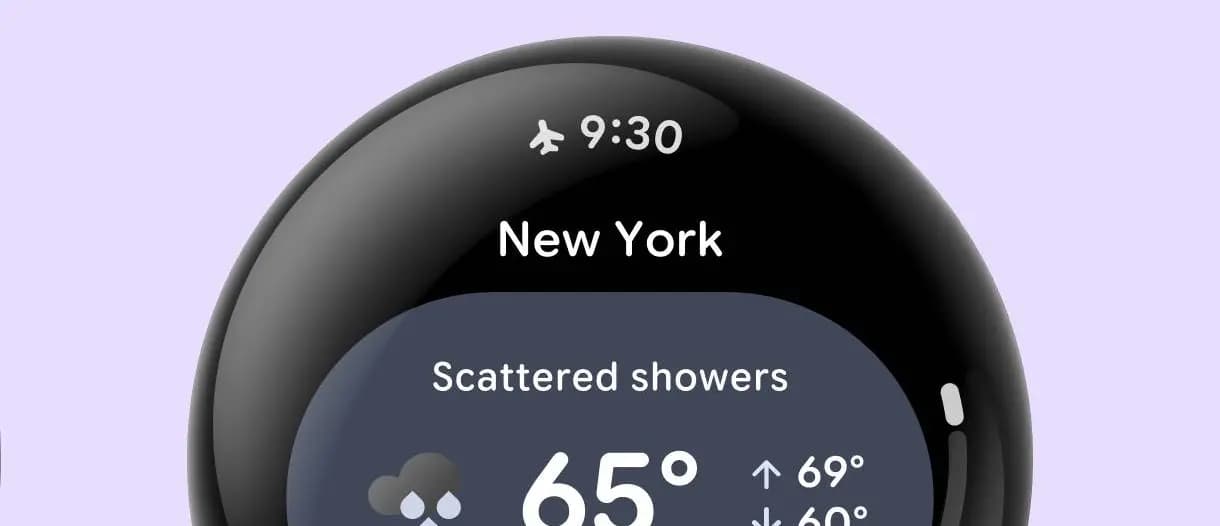
Google confirmed that the Wear OS 8 status bar will display the time and system icons in smartwatch apps, with one indicator shown at a time by priority.
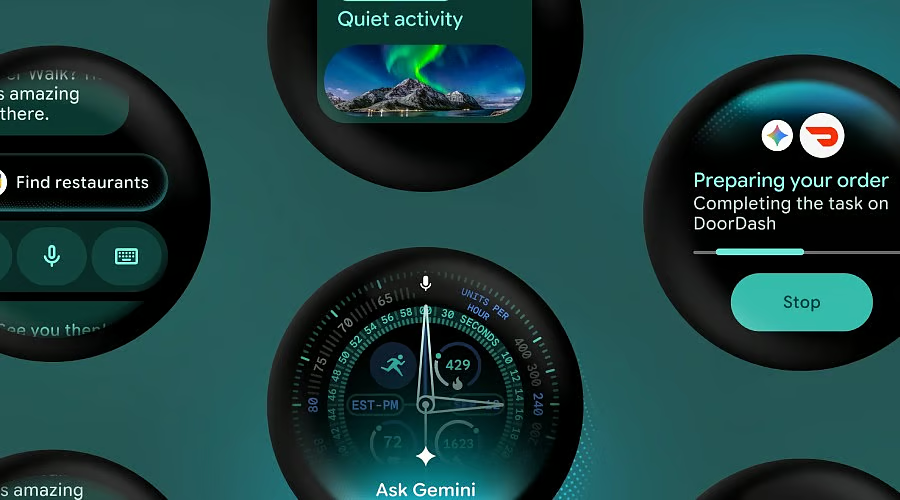
A Wear OS system status bar has debuted in Google's canary emulator, previewing in-app indicators that are planned for a future update after Wear OS 7.1.

Garmin CIRQA vibration alerts are now rolling out in firmware 4.20, adding call and text notifications alongside three activity tracking updates.
The next story loads as you reach the end. You can also load it using the button.


Comments & Discussions
Join the conversation! We use Disqus to handle comments. Click the button below to load the comment section.