Huawei has released its new high-performance Kirin 9050 Pro chipset, and details about the silicon's architecture are now available across CPU, GPU, NPU, modem, security, and cooling. CPU, GPU, and NPU upgrades The chip's LinxiCore CPU supports simultaneous multi-threading and delivers a 24% gain in peak single-core performance alongside a 52% gain in multi-core concurrent ...

Huawei has released its new high-performance Kirin 9050 Pro chipset, and details about the silicon’s architecture are now available across CPU, GPU, NPU, modem, security, and cooling.

The chip’s LinxiCore CPU supports simultaneous multi-threading and delivers a 24% gain in peak single-core performance alongside a 52% gain in multi-core concurrent performance. The redesigned CPU architecture is arranged as:
1 Prime core plus 2 performance cores for heavy-load tasks
4 efficiency cores for multitasking
2 little cores for everyday, daily-use features
With this setup, devices running the Kirin 9050 Pro can load files up to 50% faster than those using the Kirin 9030 Pro.
On the graphics side, a new Maleoon GPU supports 50 MRPS real-time ray tracing and brings a 142% upgrade in rendering performance, made possible by hardware-accelerated ray tracing compute units and a doubled cache size.
The chip’s Da Vinci Architecture NPU supports what’s described as the industry’s first on-device deployment of a multimodal MOE LLM, with 30 billion total parameters and 2 billion activated parameters. Specifically, the chip runs the Pangu Large Language Model (30B-A2B) locally, powering smart file management features across the system.

Huawei’s Balong modem also returns with the Kirin 9050 Pro, improving ground 5G access and pushing the satellite paging success rate up by 42%. Satellite communication through China’s Tiantong and BeiDou networks is said to see connection speeds up to 40% faster.
On security, the Kirin 9050 Pro uses dual-chip-level protection backed by Post-Quantum Cryptography certification and EAL5+ CCRP security certifications, aimed at safeguarding user data and online content access. A “Rapid heat dissipation” system is also built in to keep performance steady under sustained heavy loads.
Huawei has not disclosed the chipset’s manufacturing process node. Overall, the company says the chip delivers a 42% performance improvement over the Kirin 9030 Pro, which suggests it could be comparable to a TSMC 3nm process, though this hasn’t been confirmed. The Huawei Mate XT 2 Ultimate Design is the first phone to ship with the Kirin 9050 Pro, with the upcoming Mate 90 series expected to follow.

Samsung Galaxy Watch 8

Robert Haba is the founder and editor-in-chief of Droid Tools. A lifelong gadget enthusiast with over a decade following the Android ecosystem, he built this publication to cut through the noise and give readers honest, real-world coverage of the tech they actually use.
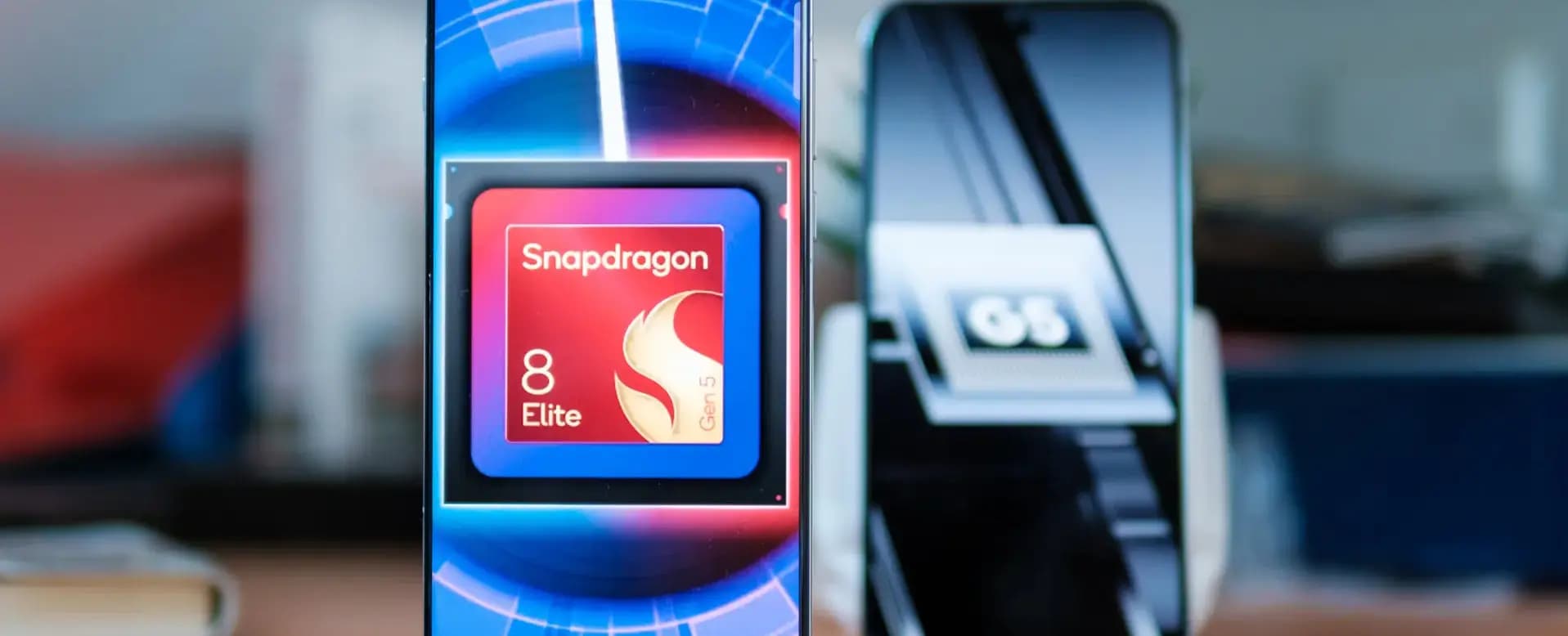
The Linux Terminal app now runs on Qualcomm Snapdragon 8 Elite Extreme Gen 6 hardware, verified on the REDMAGIC 12 Pro.

The ColorOS 17 rollout began on November 5 for OnePlus and realme devices, introducing Fluid Cloud alerts, AI editing tools, and cross-brand file sharing.

A new leak suggests the Huawei Nova 17 series could launch next month with a 200MP main sensor, a 50MP telephoto camera, and a Kirin 8 series chip.

Samsung may open a One UI 9.5 beta soon after test firmware appeared for the Galaxy S26 Ultra, ahead of an expected release alongside the Galaxy S27.
The next story loads as you reach the end. You can also load it using the button.


Comments & Discussions
Join the conversation! We use Disqus to handle comments. Click the button below to load the comment section.