
In March, Huawei is probably going to speed up the HarmonyOS NEXT public beta release. For a few mid-range phones and flagship tablets, the business is presently concentrating on closed beta testing. However, it might soon expedite software testing for the general public.
The HarmonyOS NEXT public beta program will begin operating on the fast track in March, according to FixedFocus. The new update will soon be available to users who have been waiting for it.
According to official information, the HarmonyOS NEXT closed beta second wave for the MatePad Pro 12.2, Nova 13 series, and Nova 12/Pro has begun. Next month, these models might go into public beta testing. Owners of the corresponding devices can get ready for installation and take advantage of certain stable software.
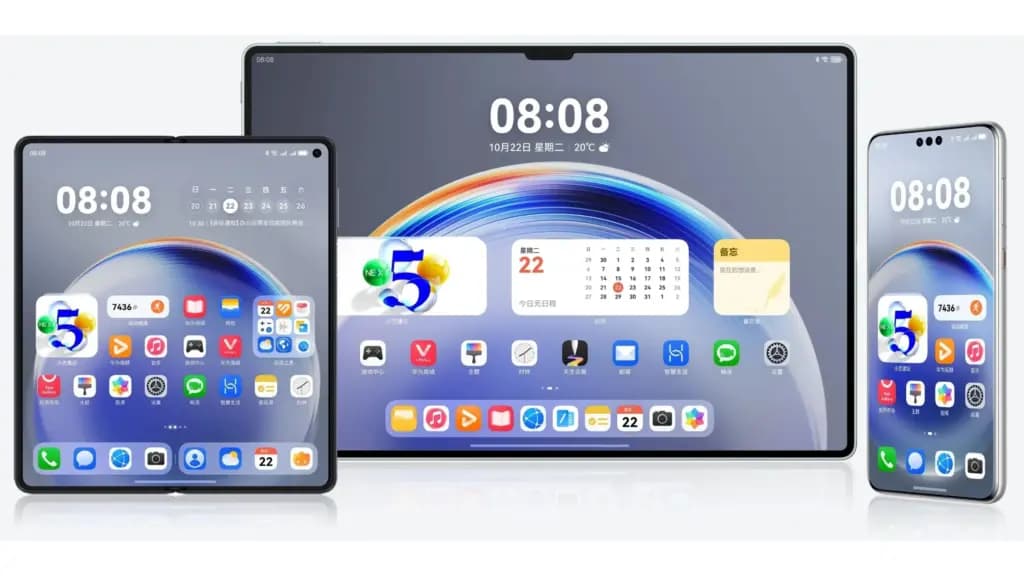
According to the tipster, NEXT will be pre-installed on the Pocket 3 foldable, which is anticipated to make its debut next month. In the meantime, work on the HarmonyOS PC version might also start in earnest in March.
The estimated weight of the public beta firmware is 2.0GB. The size of the software package may differ depending on the model. We advise having 8 to 10GB of storage available so that the update may be installed without any problems.
Since HarmonyOS NEXT has the ability to erase all data for improved optimization, make a backup of your device’s data in beforehand. For a smooth installation process, make sure you have a reliable internet or Wi-Fi connection. The battery needs to be charged, which you can do quickly!
In October of last year, the business started the HarmonyOS NEXT public beta test. The Mate 60 series, Mate X5, and MatePad Pro 13.2 2024 tablet were among the flagship products for which it was first made available. It then made its way to Pocket 2 and Pura 70.
The HarmonyOS NEXT public beta pool now includes devices such as the MatePad Pro 11 2024 tablet and the Nova 12 Ultra/Star Edition. Compared to the closed beta versions, it provides a little more stable software experience. Huawei plans to expand this batch of smartphones in the near future.

Google Pixel Watch 4

Robert Haba is the founder and editor-in-chief of Droid Tools. A lifelong gadget enthusiast with over a decade following the Android ecosystem, he built this publication to cut through the noise and give readers honest, real-world coverage of the tech they actually use.

Samsung is rolling out the Galaxy S24 One UI 9 update based on Android 17, with Verizon publishing new build numbers for the base, Plus, and Ultra models.
The Xiaomi October update brings 25 security patches to 15 devices in China and Europe, with wider global availability expected to follow.

The HyperOS 4 stable update is rolling out in China for Xiaomi 17, Redmi K100, and Pad 8 devices, bringing HyperCore optimizations and visual redesigns.

The Samsung One UI 9 update based on Android 17 is expanding to the Galaxy A56, Galaxy A36 5G, Galaxy S23 line, and foldables in select regions.
The next story loads as you reach the end. You can also load it using the button.


Comments & Discussions
Join the conversation! We use Disqus to handle comments. Click the button below to load the comment section.