

Honor introduced a new term to the industry, “Agentic OS,” on the opening day of MWC26 in Shanghai, outlining several defining characteristics of this operating system concept along with features that will arrive for users through the upcoming MagicOS 11 update.
The reveal took place during the MWC 26 first-day event on June 24, where Honor laid out its vision for a next-generation, AI-driven operating system for its mobile devices, branded Agentic OS.
Fang Fei, President of Honor’s Product Line, explained that the features tied to this new operating system, along with its rollout milestones, will reach Honor device owners through MagicOS 11.
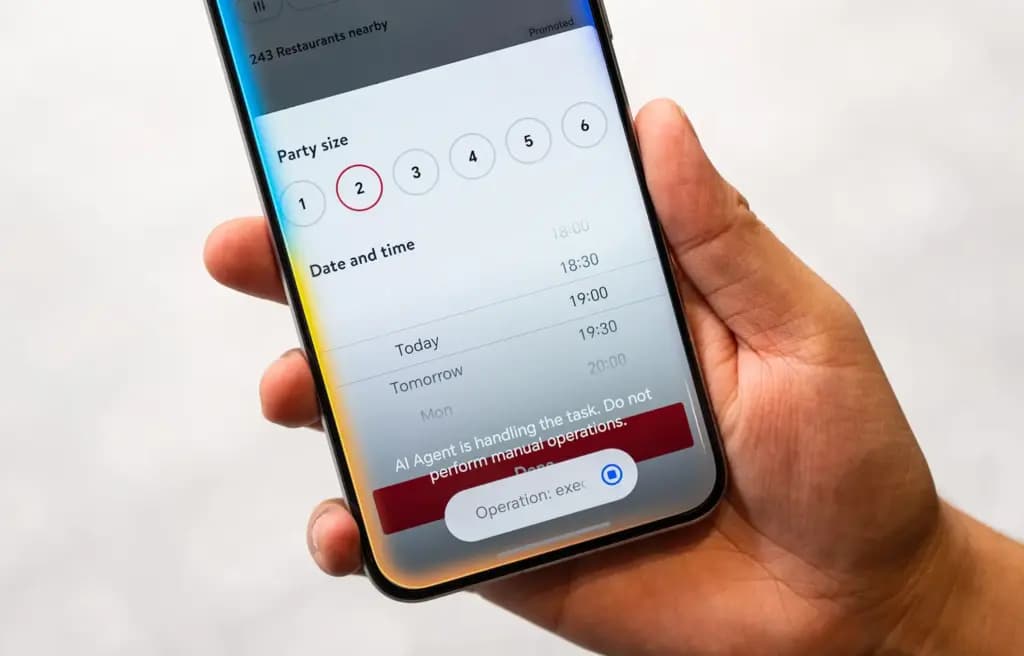
According to Fang, the new system is built around a distinct design framework anchored by four core capabilities: intent-driven operations, more realistic interactions, an AI-powered Agentic kernel paired with supporting components, and native cross-platform connectivity.
Some of these capabilities — particularly the enhanced interaction elements — may surface in the upcoming MagicOS release, though exact implementation details remain unclear at this stage.
Fang described Agentic OS as a system designed to connect with users on one side while interpreting real-world context, and simultaneously linking with cloud-based models on the other side to draw on additional computing power. The goal, according to Fang, is to strengthen the broader AI service ecosystem surrounding Honor’s devices.
Beyond that, an Agentic OS-powered device is positioned to function as its own cluster — combining computing power, sensors, interaction capabilities, and other advanced technical functions into a single cohesive unit rather than operating as a conventional standalone device.
The announcement follows Honor’s recent introduction of the ROBOT PHONE, a new form factor that signals the company’s broader ambitions. With Agentic OS, Honor appears to be pushing traditional operating system design toward a more human-centered model, built around three foundational pillars of AI: perception, planning, and action.
“These three core points of the AI agent will drive the entire industry to complete a full-dimensional reconstruction of product form, human-computer interaction logic, and system user experience, essentially making existing smart hardware a complete overhaul with AI technology.”
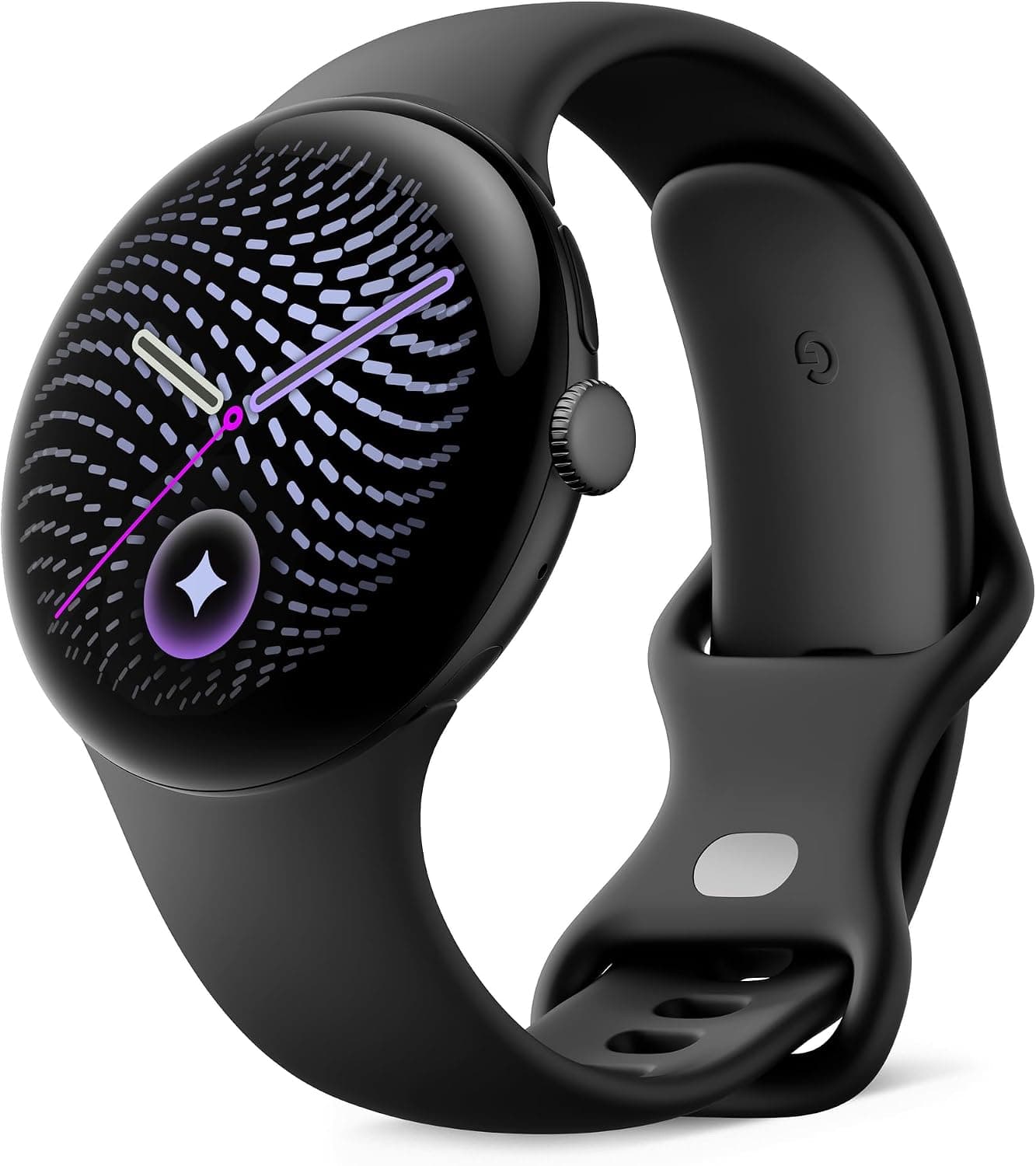
Google Pixel Watch 5 (45mm)

Luiza Mosneagu is Reviews Editor at Droid Tools. A psychologist by training and tech writer by passion, she has tested over 60 Android devices since 2020 - always for a minimum of two weeks before writing a word. Her focus is camera quality, everyday usability, and cutting through marketing claims to tell you what a device is actually like to live with.

Google has officially released Android 17 QPR2 Beta 7 (build CP41.260831.016), delivering essential bug fixes to Pixel owners across several generations. The release builds on patches that arrived earlier in Android 17 QPR2 Beta 6 and in incremental builds such as Android 17 QPR2 Beta 6.1. Testing on newer Android development tracks continues at the […]
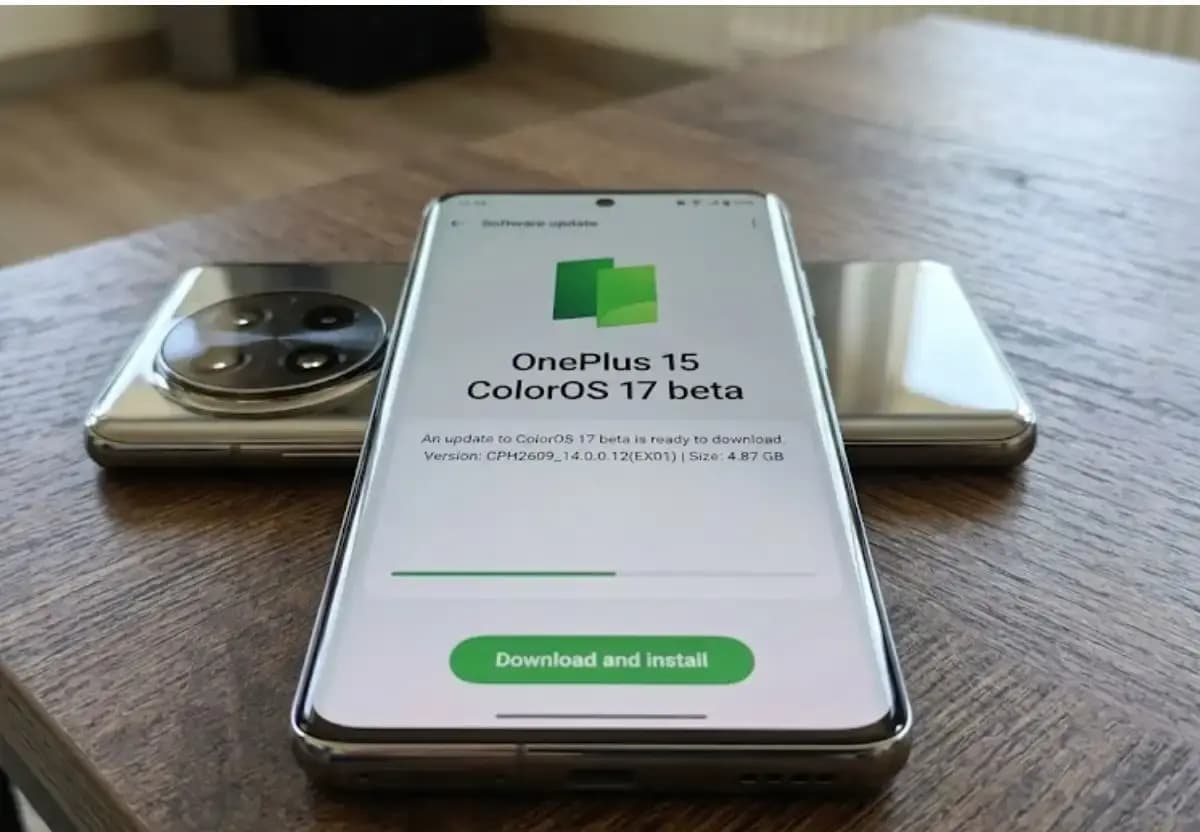
Some OnePlus 15 owners can now apply for the ColorOS 17 open beta and voluntarily move their phones from OxygenOS to ColorOS. OnePlus opened applications for the program, which for now is limited to users in India. The OnePlus 15 will be remembered as the swan song of OnePlus for its fans in the US […]

Xiaomi has confirmed that the HyperOS 4 stable update will start reaching users in China on October 15. The first batch of stable builds is meant for select Xiaomi, Redmi, and tablet owners, and the wait is nearly over. The news arrives as Xiaomi’s internal testing recruitment is scheduled to close on October 14. Because […]

Google has released Android 17 QPR2 Beta 7, the latest in a series of updates meant to fix issues and bugs affecting Android 17. The Alphabet subsidiary pushes these updates to Pixel models that still receive support from the company, and this beta reaches devices as old as the Pixel 6a. Installing it requires a […]
The next story loads as you reach the end. You can also load it using the button.


Comments & Discussions
Join the conversation! We use Disqus to handle comments. Click the button below to load the comment section.