

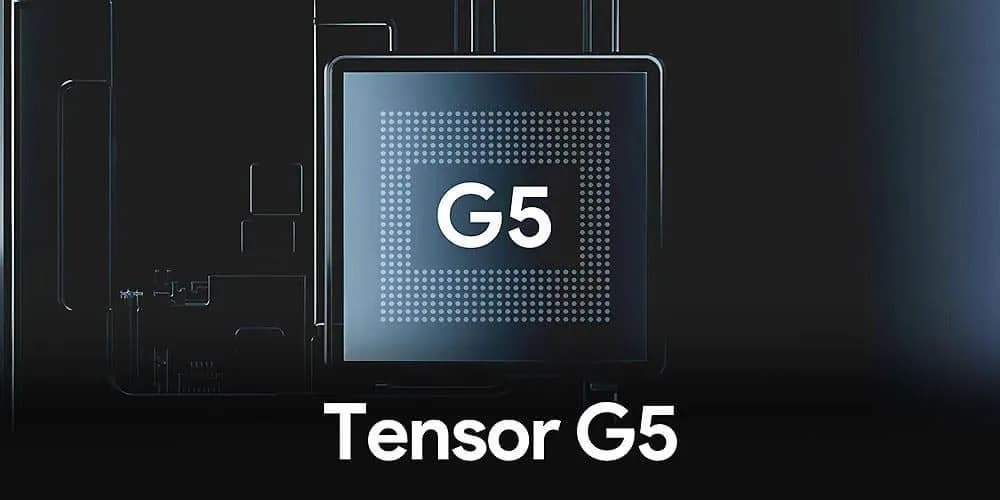
Later this year, Google plans to release the Pixel 10 series. The Tensor G5, the first chipset in the range to be manufactured by TSMC rather than Samsung, will power the phones. Although some would anticipate significant performance improvements, rumors suggest otherwise.
The designs of Google’s next flagship phones are now visible thanks to the leak of renders of the Pixel 10, Pixel 10 Pro, and Pixel 10 Pro XL. Although Google’s next-generation Tensor G5 is one of the anticipated advancements for the Pixel 10 series, it now looks like the chipset could not be much of an improvement in practice.
Following four generations of Tensor chipsets made by Samsung, Google has reportedly hired TSMC to produce the Tensor G5 on its 3nm node. Although that would typically give rise to expectations of much better performance from the G5, the next-generation chipset is currently predicted to be exactly the same as the SoC from the previous year. According to leaker Chunvn8888, fans of the Pixel series can anticipate that the Tensor G5 will function similarly to the Tensor G4, with the sole distinction being a transition to TSMC’s methodology.
The claim is also not unfounded—last year, purported Tensor G5 benchmarks appeared with scores comparable to those of the Tensor G4. Even though such tests were probably conducted on an early prototype, it does not seem likely that the finished product would have much more power. It is rumored that the Tensor G5 would only support UFS 3.1 storage, even outside of benchmarks. This is surprising because even the Snapdragon 8 Gen 3 from 2023 already provided compatibility for UFS 4.0.
In any case, as Google markets the range for its real-world performance, fans of the series are unlikely to worry much that the G5 is the most recent model to lag considerably behind the competition. Customers of the Pixel 10 series may appreciate efficiency and long-term performance more now that TSMC’s 3nm node is being used.

Google Pixel 9 Pro
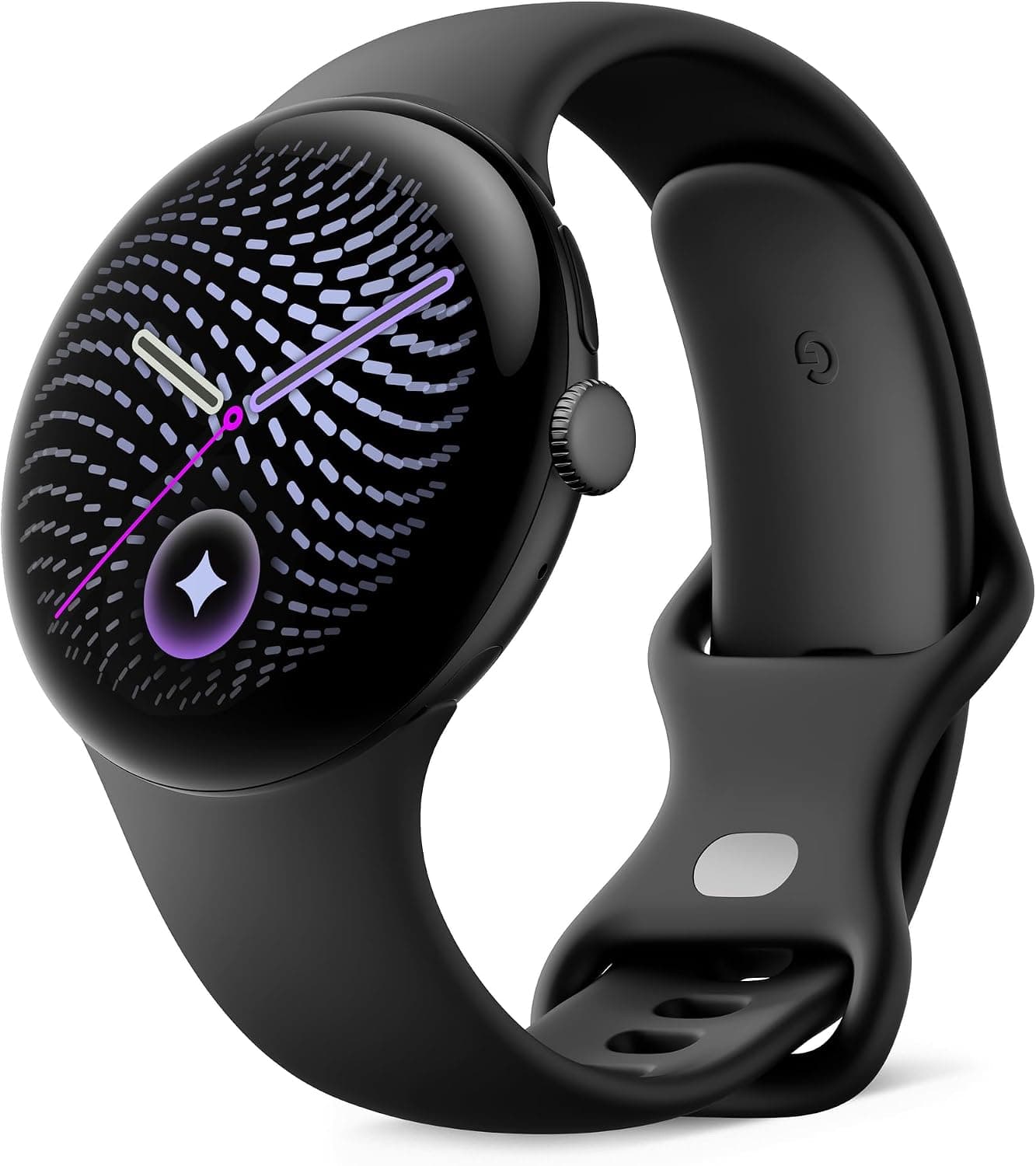
Google Pixel Watch 5 (45mm)


Samsung Galaxy Watch 8



Robert Haba is the founder and editor-in-chief of Droid Tools. A lifelong gadget enthusiast with over a decade following the Android ecosystem, he built this publication to cut through the noise and give readers honest, real-world coverage of the tech they actually use.




Comments & Discussions
Join the conversation! We use Disqus to handle comments. Click the button below to load the comment section.