Becoming a HyperOS Beta Tester will let you to test and install HyperOS Mi Pilot releases before anybody else does. After your application is accepted, you can test and report on HyperOS Beta releases prior to their release. Becoming a HyperOS Beta tester is a fairly easy process. You won't be able to create apps ...

Becoming a HyperOS Beta Tester will let you to test and install HyperOS Mi Pilot releases before anybody else does. After your application is accepted, you can test and report on HyperOS Beta releases prior to their release. Becoming a HyperOS Beta tester is a fairly easy process. You won’t be able to create apps if there isn’t a beta program in place. We can state, however, that HyperOS 2.0 will reopen the Beta program.

The following steps must be followed if you wish to participate in Xiaomi’s HyperOS beta testing program:
Please ensure that you have the latest version of the Mi Community app. This is a mandatory application to enroll in the Beta Program.
Please carry out the following steps to join the Beta Program:

When you sign up for the beta program, you can run across certain issues. The answer to those issues is right here.

You will get points when you answer some of the basic questions in Beta/Pilot Program. You will need at least 60 points to get applied.
You can answer questions following by Xiaomi Community > “ME” > “Beta testing” > “Recruiting Test” > “Respond”.
Reapply Required: If you are a current Xiaomi ROM Beta Tester, note that you must reapply to the HyPerOS Beta program. The permissions that you have previously applied to the user account will continue to function for a few days.
Beta Program supports all Global ROMs including MI, EEA, etc. If you want to apply in India, you can try this form.
You will know this because, if you are accepted, you can see that there is a button in the test page from Recruiting named “Passed”.
Means your application is being considered. The decision can be made within 7 working days.
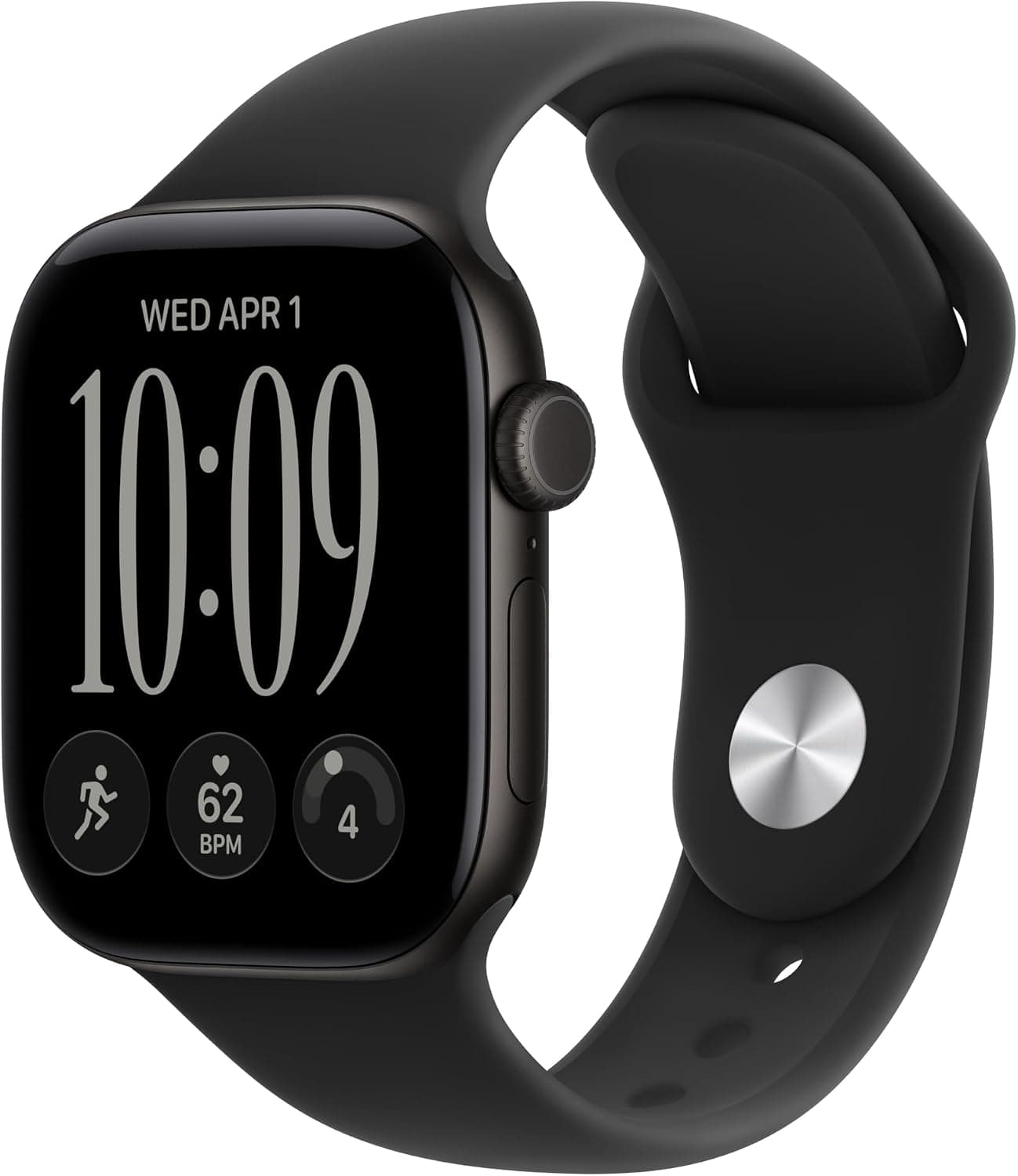
Apple Watch Series 12

Robert Haba is the founder and editor-in-chief of Droid Tools. A lifelong gadget enthusiast with over a decade following the Android ecosystem, he built this publication to cut through the noise and give readers honest, real-world coverage of the tech they actually use.

Sony is rolling out the Xperia 10 Android 17 update to the Xperia 10 VIII and VII with new interface tools, while omitting select flagship capabilities.

GrapheneOS rolled out the Linux 6.18 kernel to the Pixel 10 lineup, with Pixel 11 support expected if Android 17 QPR2 delivers required MTE firmware.

Xiaomi began rolling out the final Android 17 HyperOS 4 update for eligible Xiaomi, Redmi, and Poco devices, featuring UI updates and performance gains.

Track the Samsung One UI update schedule as One UI 9 reaches Galaxy S24 and older flagships, alongside support timelines for Galaxy phones and smartwatches.
The next story loads as you reach the end. You can also load it using the button.


Comments & Discussions
Join the conversation! We use Disqus to handle comments. Click the button below to load the comment section.