Android 17 has just arrived on Google Pixel phones, and it's set to reach Xiaomi devices soon as well. For Xiaomi users, though, this upgrade carries considerably more weight than usual — the upcoming HyperOS 4 skin is reportedly bringing a substantial software and architectural overhaul rather than the typical incremental yearly refresh. Beyond the …

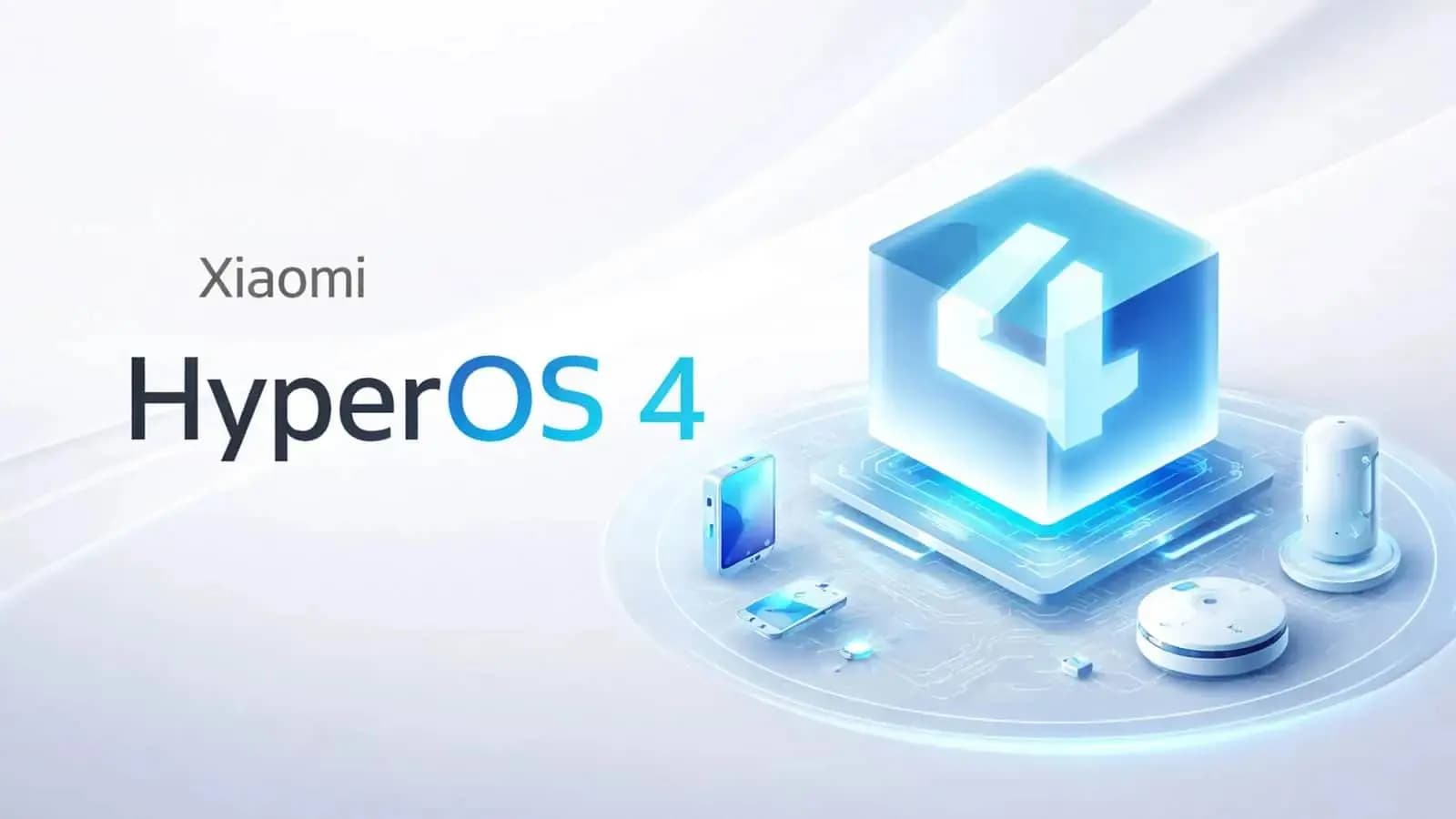
Android 17 has just arrived on Google Pixel phones, and it’s set to reach Xiaomi devices soon as well. For Xiaomi users, though, this upgrade carries considerably more weight than usual — the upcoming HyperOS 4 skin is reportedly bringing a substantial software and architectural overhaul rather than the typical incremental yearly refresh.
Beyond the under-the-hood changes, HyperOS 4.0, built on Android 17, is expected to bring a wave of visual upgrades, an interactive lock screen island, deeper contextual AI productivity tools, and stronger privacy and security features. There’s a fair amount to look forward to here.
For anyone wondering when the update will actually land on their Xiaomi phone, this rundown covers eligible devices, the expected release timeline, and what’s coming with HyperOS 4.
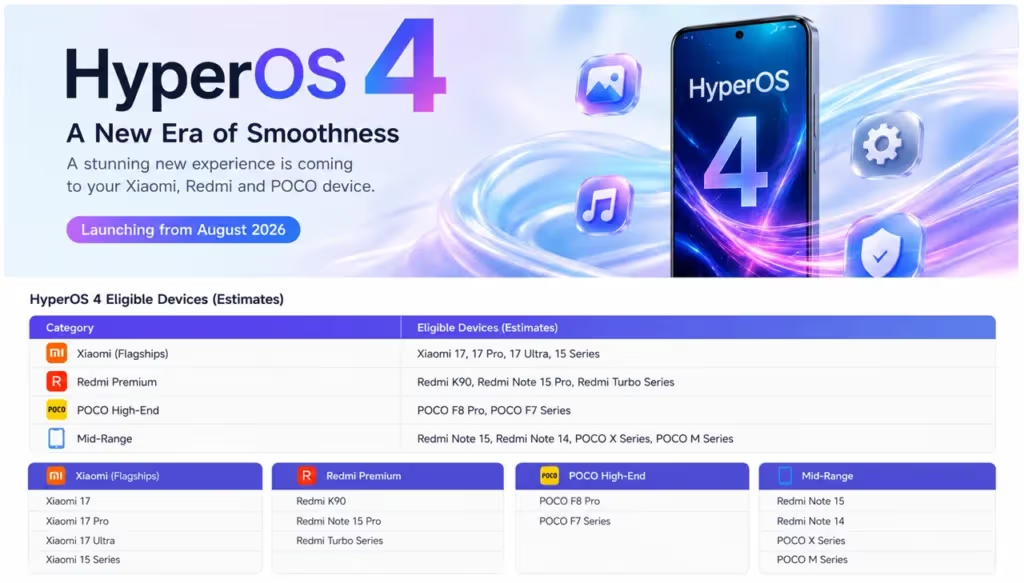
Note: Xiaomi hasn’t published an official list of HyperOS 4-supported devices yet. The list below is compiled based on the company’s existing software update policy, so it should be largely accurate, though not officially confirmed.
Xiaomi devices
Xiaomi 17, Xiaomi 17 Ultra, Xiaomi 17T, Xiaomi 17T Pro, Xiaomi 15, Xiaomi 15 Pro, Xiaomi 15 Ultra, Xiaomi 15T, Xiaomi 15T Pro, Xiaomi 14, Xiaomi 14 Pro, Xiaomi 14 Ultra, Xiaomi 14T, Xiaomi 14T Pro, Xiaomi 14 Civi, Xiaomi 13T, Xiaomi 13T Pro, Xiaomi Mix Flip
Redmi devices
Redmi Note 15, Redmi Note 15 4G, Redmi Note 15 Pro, Redmi Note 15 Pro 4G, Redmi Note 15 Pro+, Redmi Note 15 Special, Redmi Note 14 4G, Redmi Note 14 Pro, Redmi Note 14 Pro+, Redmi Note 14S, Redmi Turbo 5, Redmi 15, Redmi 15 4G, Redmi 15C, Redmi 15C 4G, Redmi 15A, Redmi A7, Redmi A7 Pro, Redmi A7 Pro 4G, Redmi A5, Redmi Pad 2, Redmi Pad 2 Pro, Redmi Pad 2 9.7
POCO devices
POCO F8 Pro, POCO F8 Ultra, POCO F7, POCO F7 Pro, POCO F7 Ultra, POCO F6, POCO F6 Pro, POCO X8 Pro, POCO X8 Pro Max, POCO X7, POCO X7 Pro, POCO X6 Pro, POCO M8, POCO M8s, POCO M8 Pro, POCO M7 4G, POCO M7 Plus, POCO C85, POCO C85 4G, POCO C85x, POCO C81, POCO C81 Pro, POCO C81x, POCO C71, POCO Pad X1, POCO Pad M1, POCO Pad C1
If a device appears on this list, it’s very likely to receive the HyperOS 4 update.
It’s worth noting that Xiaomi hasn’t announced update policies for a number of devices, particularly entry-level and budget models, which makes it harder to confirm whether they’ll get Android 17. To keep this list as reliable as possible, devices with uncertain update status were left off.
An exact date hasn’t been announced, but Xiaomi has officially confirmed that HyperOS 4 will be unveiled in July or August. This timing most likely refers to the China launch, with a global announcement following a few weeks later.
As with previous HyperOS releases, a beta program will run before the stable rollout reaches the public. Leaker Digital Chat Station has revealed which phones will be part of the first HyperOS 4 beta wave in China: Xiaomi 17, Xiaomi 17 Pro, Xiaomi 17 Pro Max, Xiaomi 17 Ultra, Xiaomi 17 Max, Redmi K90, Redmi K90 Pro Max, and Redmi K90 Pro Max Champion Edition.
Last year, HyperOS 3 was unveiled in China in August, with the global launch following in September. If Xiaomi follows the same pattern this year, the global rollout for HyperOS 4 would likely begin around October 2026.
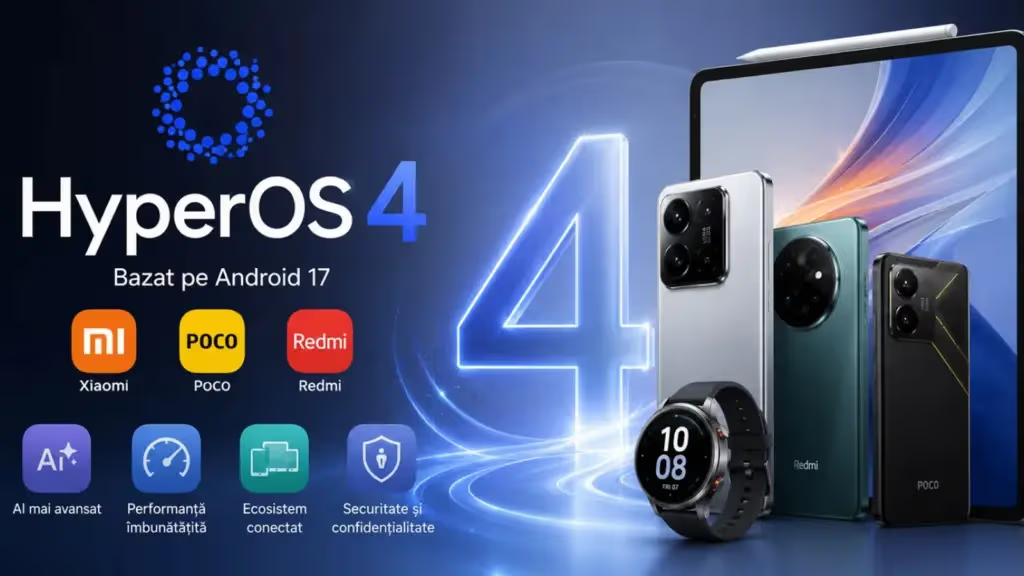
While the official launch is still weeks away, several leaks have already painted a picture of what’s coming. Reports suggest Xiaomi is heavily focused on a “Zero-Legacy” framework built specifically for Android 17, under which the company is aggressively stripping out old legacy code and SDKs to cut down on system bloat.
Xiaomi is reportedly rewriting core system applications and frameworks using Rust and Flutter, aiming to improve memory safety, background task optimization, and UI consistency across devices. This should translate into lower RAM usage, faster boot times, and fewer animation stutters.
Xiaomi previously gave a glimpse of its liquid-glass design language in HyperOS 3, and that aesthetic is expected to go deeper in HyperOS 4 — fluid visuals, glossy overlays, frosted-glass transparency effects, and more advanced bounce animations are all reportedly part of the plan. One leak suggests Xiaomi could also expand its Leica partnership to bring a Leica-inspired color palette into HyperOS 4.
Several leakers have also pointed to a possible privacy screen feature that narrows viewing angles, similar in concept to Privacy Display on the Galaxy S26. The key difference is implementation: Samsung’s version relies on hardware, while Xiaomi is reportedly trying to achieve a similar effect through software alone — which will make for an interesting comparison once both are available.
On top of that, HyperOS 4 is expected to bring smarter cross-device multitasking, more refined background task management, and deeper contextual AI tools built for everyday workflows.
Alongside these features — and likely several others yet to surface — the next major Xiaomi software upgrade will also incorporate a range of improvements originating from Google’s own development work on Android 17. It’s shaping up to be a substantial update package, and there’s plenty of anticipation building around what it will actually look like once it lands.
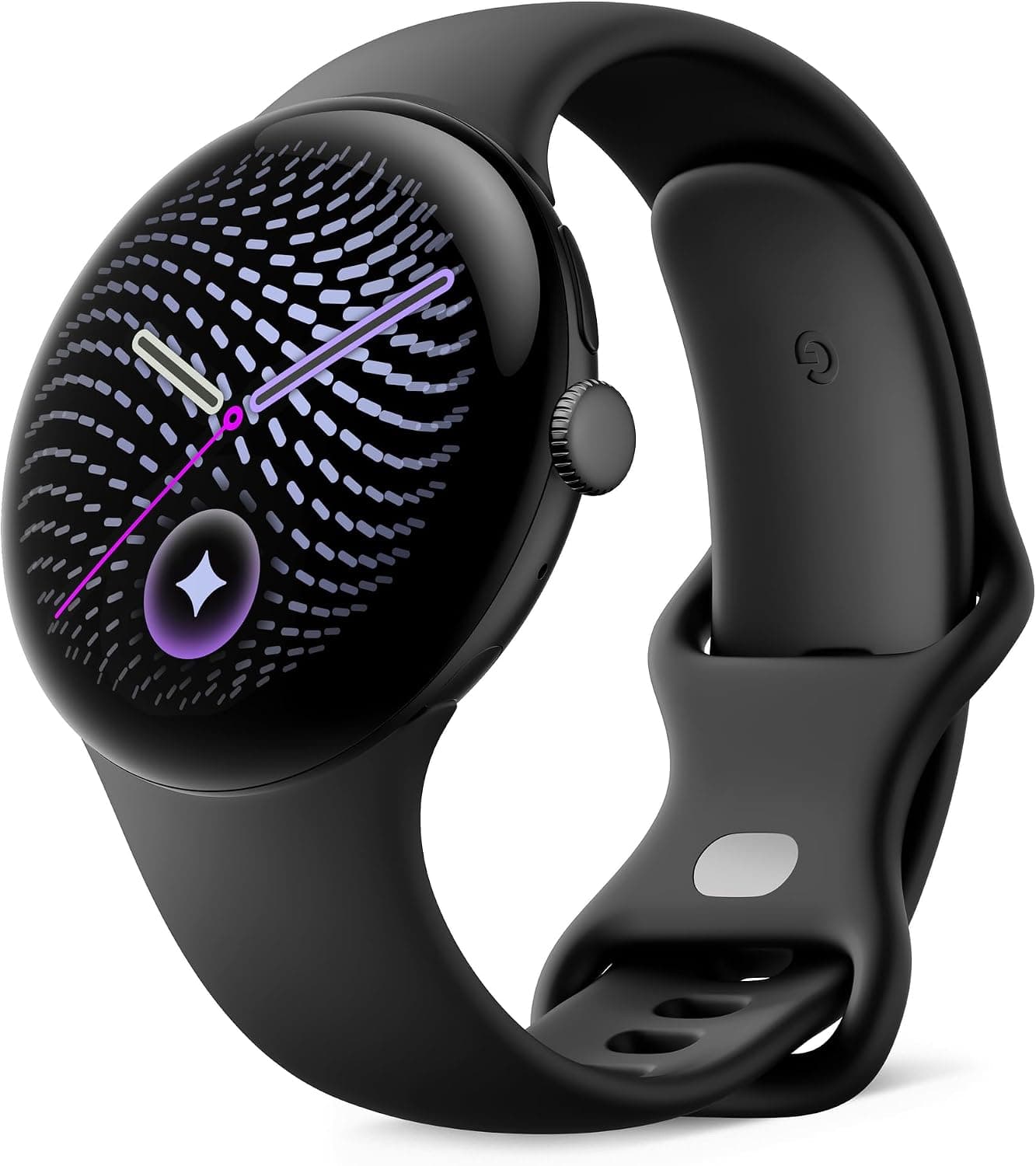
Google Pixel Watch 5 (45mm)

Cristian Penisoara is a Guides Writer and Android specialist at Droid Tools. An Android user since version 2 and a professional event photographer, he combines technical curiosity with a detail-oriented approach - every guide he publishes is tested step-by-step on a real device before it goes live.
Google has released Android 17 QPR3 Beta 1 to every still-supported Pixel device, from the Pixel 6a through the new Pixel 11 series, and the rollout arrived earlier than expected this afternoon. The update looks sizable, carrying fixes for at least 20 bugs that had carried over from QPR2. The beta ships as build DP11.260918.005 […]

The previous Android 17 QPR2 Beta 6 update mostly focused on fixing bugs that had been plaguing devices for a while, including a substantial issue that caused phones to reboot simply from scrolling through content, along with fixes for letterboxed content leaking through the status bar during app transitions and a Pixel 9 Pro Fold […]

Honor MagicOS 11 debuts on September 15 with a set of new features for eligible devices, ranging from a smoother, more fluid UI to a more capable AI assistant. Honor unveiled MagicOS 11 at its 2026 Global Developer Conference, and the company said the official version will open for unlimited testing right after the event, […]

Honor MagicOS 11 is set to debut tomorrow at the company's developer conference, and ahead of the official launch, one of Honor's own officials has already revealed a new Power Saving feature coming with the software. XiaoFangge, Honor's Product Maintenance and Upgrade Manager, said MagicOS 11 will include what he described as a cute Easter […]
The next story loads as you reach the end. You can also load it using the button.


Comments & Discussions
Join the conversation! We use Disqus to handle comments. Click the button below to load the comment section.