

Google is enhancing Android security with AI-driven scam detection across Messages and Phone, utilizing on-device Gemini models and automated link analysis to identify fraud attempts.
Google is expanding Android scam detection with several security upgrades designed to identify and thwart increasingly complex fraud attempts. The central update introduces an optional Enhanced protection mode inside Google Messages. When enabled, the messaging client connects to high-end Gemini cloud models through a private architecture to gauge a sender’s intentions. Google notes that this system issues warnings even when an attacker tests an unfamiliar tactic.
Alongside cloud processing, the Enhanced safeguard uses on-device Gemini Nano models to inspect suspicious web links that previously escaped detection, including freshly created domains used for malware or phishing. When potential threats arise, redesigned warnings present additional checkpoints, such as clearer explanations, to encourage users to think carefully before tapping. Similar link warnings previously required Android Advanced Protection or were restricted to specific regions.
Other enhancements help identify scams during voice calls and screen sharing sessions. Screen sharing now conceals sensitive data, such as banking details and account passwords, inside Chrome and WebView environments rather than restricting protections to native applications. Google is also rolling out defenses against unauthorized call forwarding. The system alerts users if a perpetrator attempts to quietly redirect calls to another phone number or asks the victim to enter a forwarding code.

At the same time, existing notification scam alerts are rolling out to “hundreds of millions” more devices, according to Google. That expansion covers handsets from Motorola along with Chinese smartphone makers including Honor, OnePlus, and Xiaomi.
Not every scam detection tool is guaranteed to operate on every Android phone. Enhanced Protection in Google Messages requires hardware compatible with AICore, such as the Pixel 6, Galaxy S24, Galaxy Z Fold 6, and Galaxy Z Flip 6. Dedicated Gemini Nano link checks demand newer platforms, including the Pixel 10, Galaxy S26, Galaxy Z Fold 8, and Galaxy Z Flip 8. In contrast, the link checkpoints are more accessible, requiring Android 6 or later when they arrive later in October.
The remaining tools follow staggered release schedules. The screen sharing privacy protections require at least Android 15. The call forwarding defense is scheduled for early December on Pixel phones and “other select devices,” while the expanded notification warnings are expected later this year. These software additions do not remove personal responsibility. Users still need to remain skeptical of incoming text messages and verify suspicious links, though Google’s setup functions as a safety net against more creative scammers.
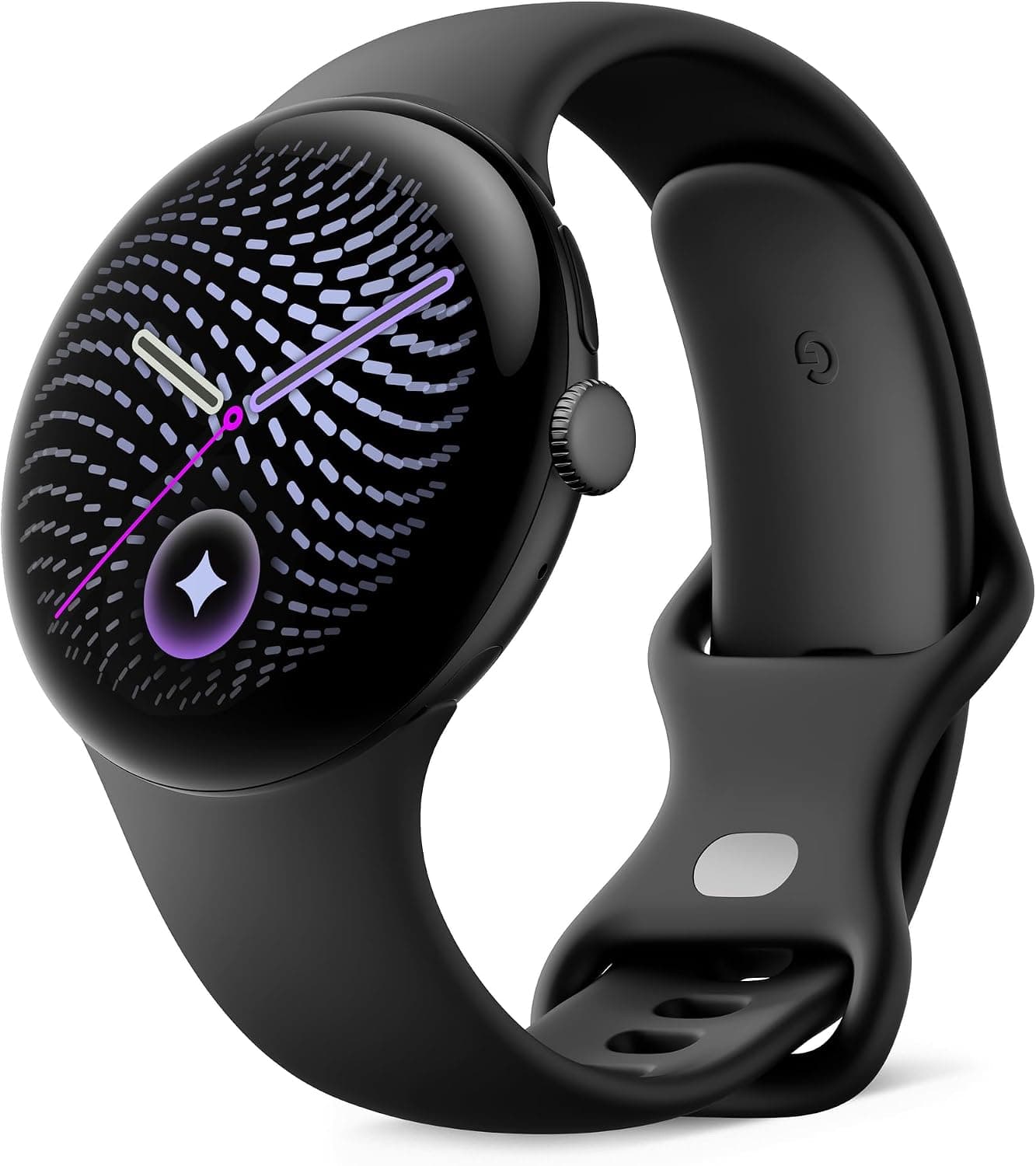
Google Pixel Watch 5 (45mm)

Luiza Mosneagu is Reviews Editor at Droid Tools. A psychologist by training and tech writer by passion, she has tested over 60 Android devices since 2020 - always for a minimum of two weeks before writing a word. Her focus is camera quality, everyday usability, and cutting through marketing claims to tell you what a device is actually like to live with.

Shoppers who buy low-cost Android phones from online marketplaces may be getting malware that was planted on the device before it ever reached them, Bitdefender has found. The Midnight Mimosa malware campaign runs on budget Android phones from several brands built on MediaTek platforms. The malicious code ships inside the firmware, is already there when […]

Bitdefender has discovered and analyzed a campaign dubbed Midnight Mimosa, in which malware comes preinstalled in the firmware of low-cost Android devices built on MediaTek platforms. The infection is persistent, runs as a pre-installed firmware system app, and can’t be removed through normal uninstall procedures. Anyone who switches on an affected device finds the malware […]
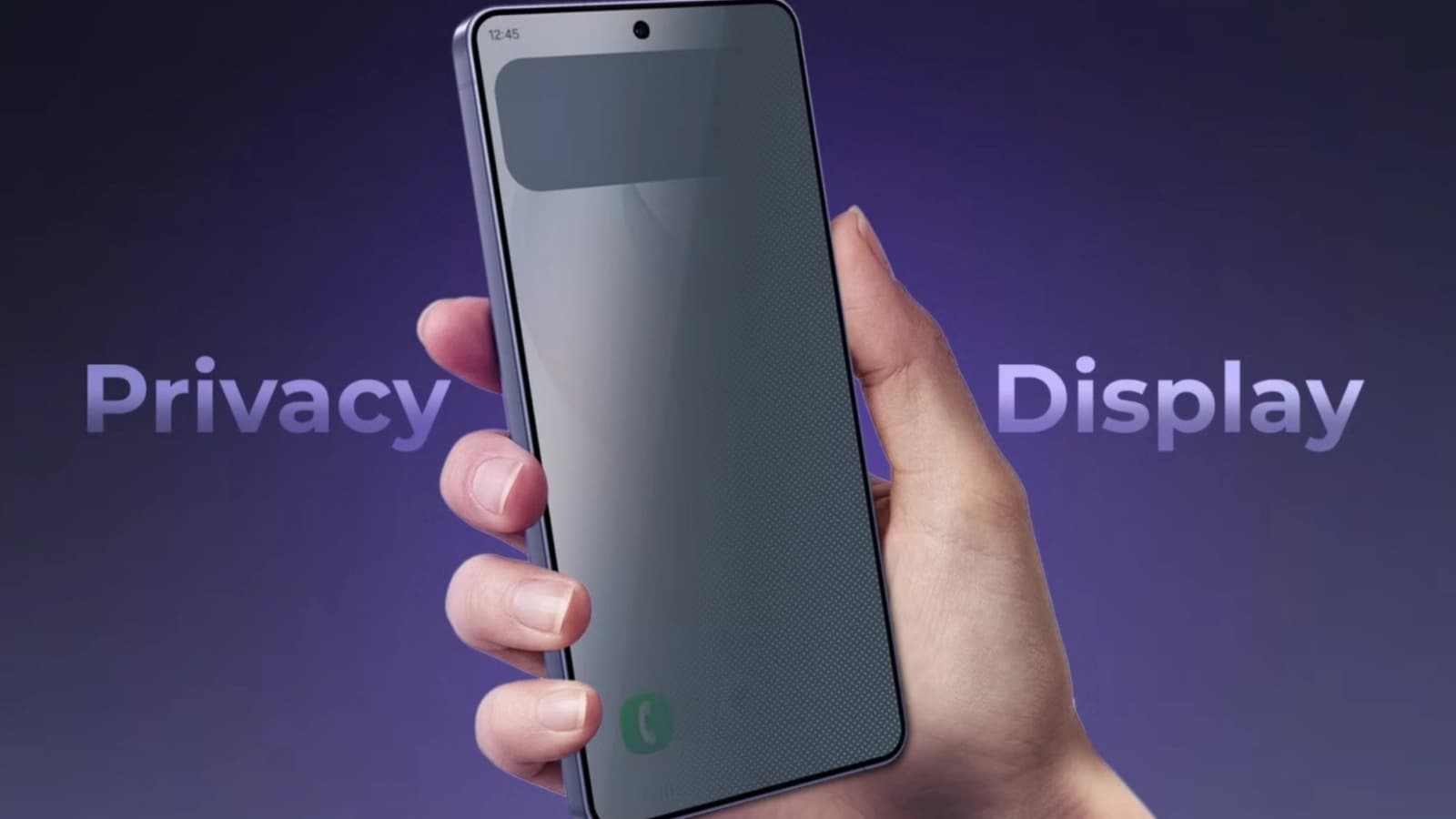
The Galaxy S27 Ultra display may avoid the compromises that held back its predecessor, according to a PhoneArena opinion piece. The writer cites an industry insider who said during a Q&A session on X (formerly Twitter) that Samsung is going to improve the display quality that suffered on the Galaxy S26 Ultra. What went wrong […]

WhatsApp is testing a new way to keep selected conversations off a person's linked devices, such as a laptop, tablet, or secondary phone. The company is expanding Advanced Chat Privacy with a new restriction that limits a chat to each participant's primary phone, and renaming the setting to Restricted Chat to make its purpose clearer. […]
The next story loads as you reach the end. You can also load it using the button.


Comments & Discussions
Join the conversation! We use Disqus to handle comments. Click the button below to load the comment section.