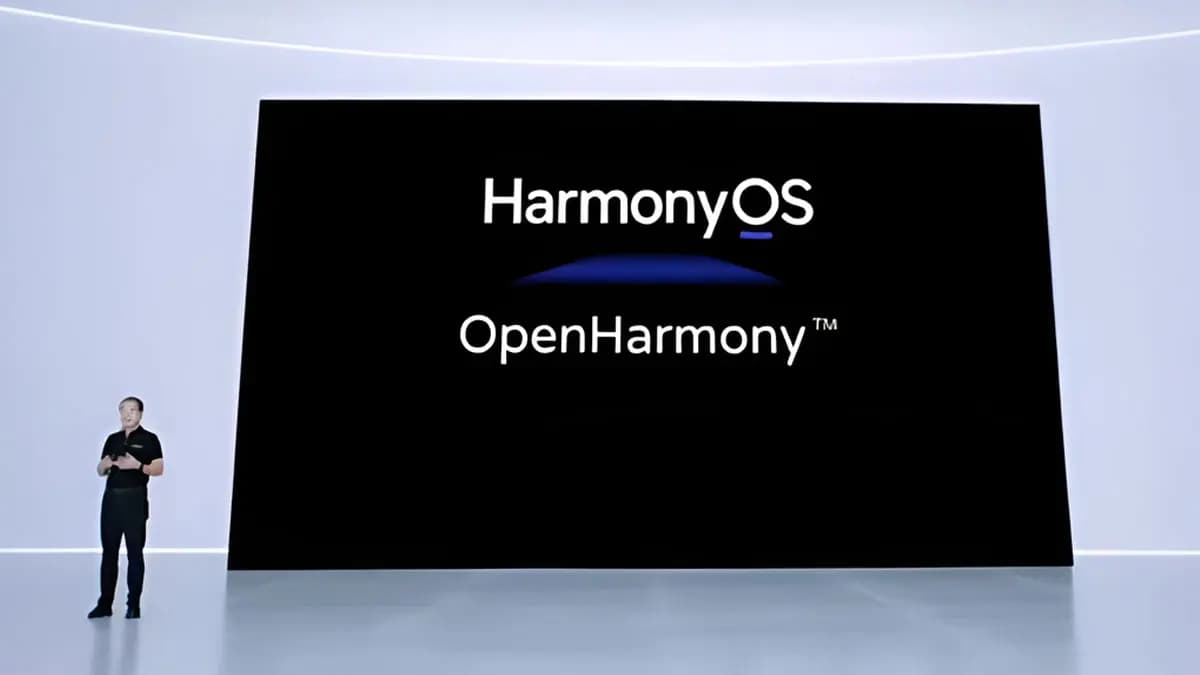
A few hours before Huawei officially unveiled HarmonyOS 7.0 at HDC 2026, the company quietly dropped OpenHarmony 7.0 Beta 1 — a pre-release build that had first surfaced three weeks earlier and has now been formally released as a public testing framework for device makers and developers.
OpenHarmony serves as the open-source foundation that device manufacturers and software developers use to build custom operating systems for smartphones, tablets, and IoT devices. This Beta 1 release brings a range of new capabilities spanning ArkUI, ArkWeb, ArkTS, camera management, media handling, and more.
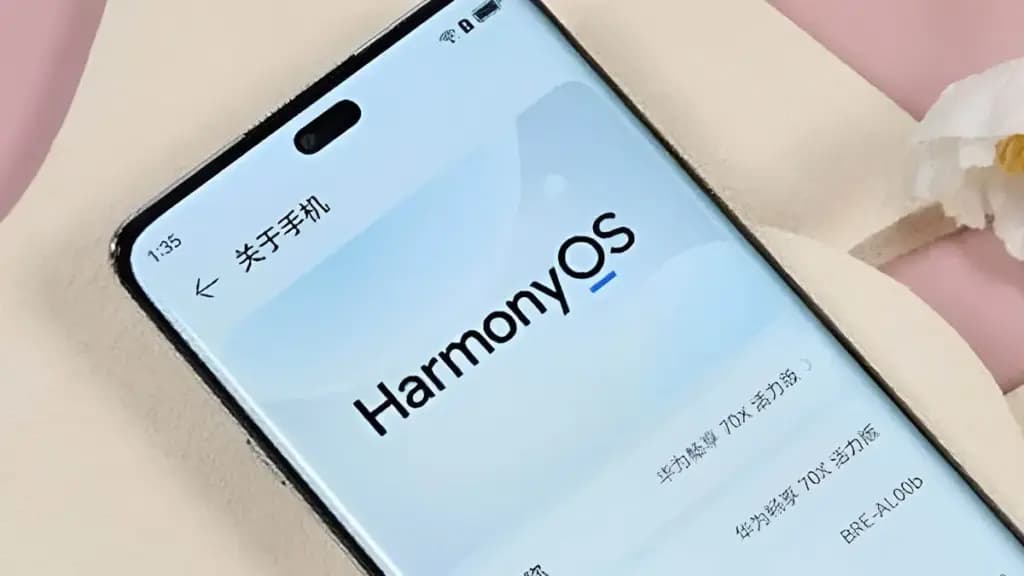
On the UI and application side, the update introduces dynamic layout containers, global reuse of custom components, and a redesigned window management system. Notification handling gets more flexibility with support for custom notification ringtones, while granular per-app controls have also been expanded. ArkWeb receives optimized web page control capabilities and a kernel upgrade to Chromium 144, along with URL whitelist control support.
The full list of changes is detailed below.
Application Framework
- The “Last Exit Information” field in the Ability section now supports retrieving the exit reason.
- The AbilityStage context includes a new launchElement field, informing the application which Ability is being loaded when onCreate is called in AbilityStage — enabling dynamic resource loading.
- The AbilityStage component manager adds a callback for when the first Ability is about to be created, plus a callback for when a process starts from an application snapshot.
- Added support for retrieving the application name using a specified package name and clone index.
- C API now supports managing ModularObjectExtensionAbility, including querying information and handling connection and disconnection.
Media
- The C API adds a callback function for privacy protection settings, used to respond to privacy events triggered during screenshots and screen recordings.
- The C API now supports retrieving multi-screen recording capability information and selecting multiple screens for recording via DisplayID.
Camera Management
- Added support for creating deferred preview output objects that can be added to data streams in place of standard preview outputs, with Surface configuration support for deferred preview.
- New professional camera capabilities added to photo and video modes, covering flash, optical image stabilization, exposure, manual focus, ISO sensitivity, and physical aperture settings.
Background Task Management
- The countdown reminder instance object now includes repeatInterval and repeatCount parameters.
Basic Communication
- Added support for obtaining Wi-Fi connection information via C API.
- Added playback status broadcast support for A2DP and SCO broadcast events.
Network Management
- TLS now supports certificate chain verification, with the ability to handle up to 1,000 certificates by passing in an array.
Content Embedding Service
- A newly added Content Embed service provides a framework for cross-application document embedding and collaborative editing, offering encapsulated client and server development interfaces to simplify the implementation of cross-app document collaboration.

Google Pixel Watch 4

Google Pixel 9
Keep Reading
New leaks are offering the clearest look yet at HyperOS 4, and they suggest Xiaomi is preparing the biggest visual overhaul in the software’s history, including a redesigned interface and refreshed wallpapers. Liquid Glass Interface Leak Details Screenshots reportedly pulled from internal Xiaomi 18-series prototypes running an early Android 17-based build of HyperOS 4 reveal […]

Xiaomi has started rolling out stable Android 17 to the Xiaomi 17, Xiaomi 17 Ultra, and Xiaomi 17T Pro, packaged under the HyperOS 3 label. A Confusing Label, But a Real Platform Jump The HyperOS 3 branding is the same one Xiaomi already used for its Android 16 rollout, which makes the naming a bit […]

Google is rolling out the stable Android 17 and Wear OS 7 updates for compatible Pixel phones and watches. Beyond the new features these releases bring, both updates come packed with bug fixes and general improvements aimed at smoothing out the overall experience. Many of the changes target long-standing annoyances, while several underlying improvements should […]

Android 17 has just arrived on Google Pixel phones, and it’s set to reach Xiaomi devices soon as well. For Xiaomi users, though, this upgrade carries considerably more weight than usual — the upcoming HyperOS 4 skin is reportedly bringing a substantial software and architectural overhaul rather than the typical incremental yearly refresh. Beyond the […]

Android 17 QPR1 Beta 6 has arrived for Google Pixel devices, bringing a mix of new features and bug fixes. This release also marks the Platform Stability milestone for the operating system, laying the groundwork for its transition toward a stable release. Alongside the specific bug fixes Google detailed for this build, the update introduces […]

Honor introduced a new term to the industry, “Agentic OS,” on the opening day of MWC26 in Shanghai, outlining several defining characteristics of this operating system concept along with features that will arrive for users through the upcoming MagicOS 11 update. The reveal took place during the MWC 26 first-day event on June 24, where […]


Comments & Discussions
Join the conversation! We use Disqus to handle comments. Click the button below to load the comment section.