Motorola announced the Signature 27 flagship for November 2026 with Qualcomm's 2nm Snapdragon 8 Elite Extreme processor, a 200MP periscope zoom, and Qira cross-device AI. The hardware directly rivals Google and Samsung flagships, while US pricing and real-world camera performance remain unconfirmed ahead of launch.
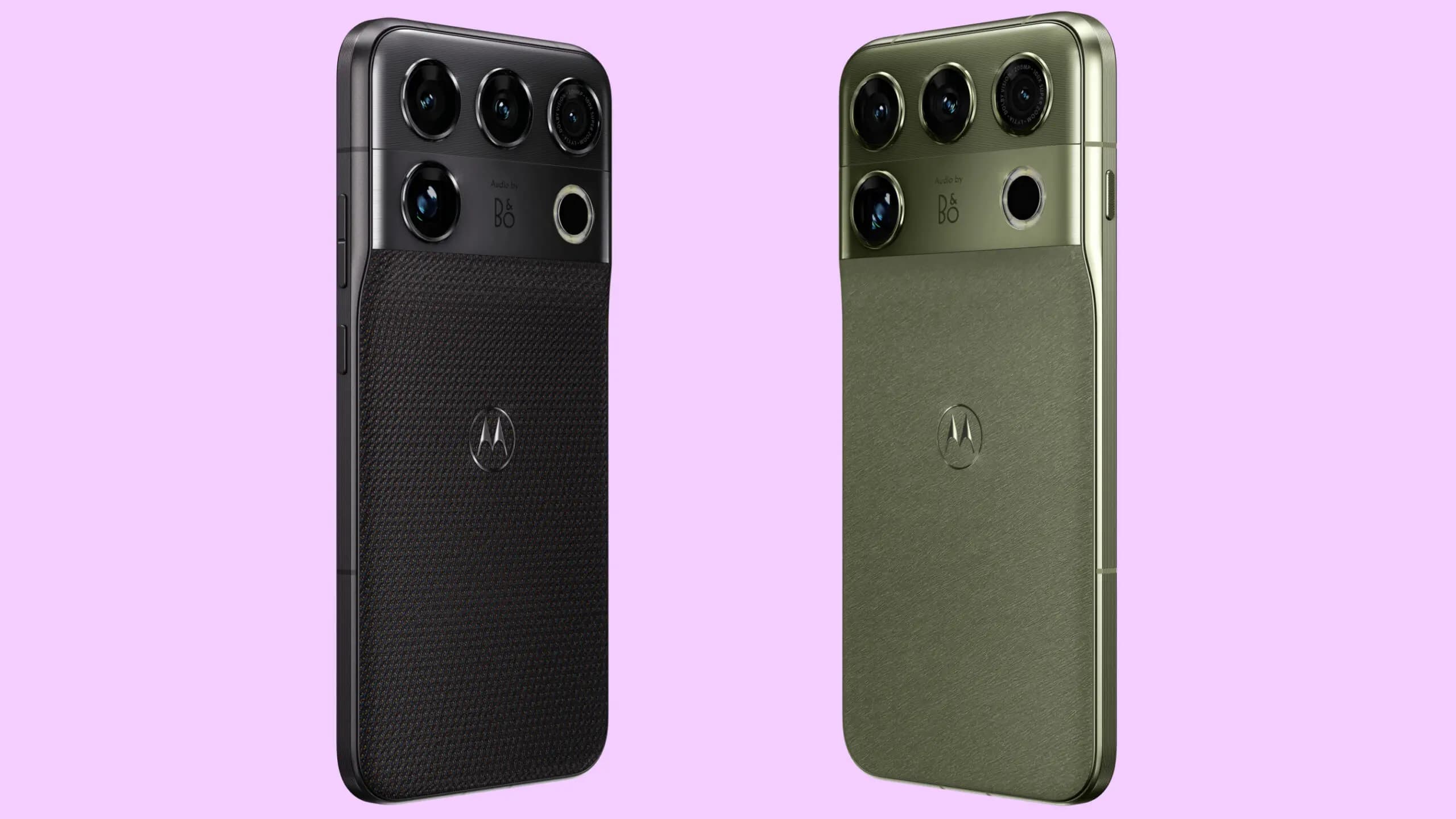
The Motorola Signature 27 is scheduled for release in November 2026, introducing hardware and software designed to compete with Google Pixel and Samsung Galaxy flagships. Motorola’s announcement highlights Qualcomm’s newest processor, a multi-layer cooling system, an upgraded periscope camera, and cross-device artificial intelligence integration.
While Google built Tensor around on-device AI features while accepting slower raw performance, the Signature 27 emphasizes compute throughput and cellular performance. Motorola fitted six antennas to double download speeds and assist with cloud AI tasks, positioning the device directly against current market leaders.

The Signature 27 uses Qualcomm’s Snapdragon 8 Elite Extreme Gen 6, one of two 2nm processors Qualcomm announced at Snapdragon Summit in September 2026. Its two fastest cores run at up to 5.01GHz, compared to 4.11GHz on the Tensor G6 in Google’s Pixel 11 Pro. Google designed Tensor silicon around on-device AI workloads and accepted lower raw speeds, whereas Motorola opted for Qualcomm’s Extreme chip.
Qualcomm states that the Extreme chip delivers 13 percent faster CPU performance and a 44 percent faster GPU than the Snapdragon 8 Elite Gen 5. That earlier chip powers Samsung’s Galaxy S26 Ultra, meaning Samsung’s flagship uses an older processor until its next Galaxy release. Motorola also added six antennas, which it says double download speeds and help with cloud AI features. Additionally, the processor’s security features led GrapheneOS to select the Signature 27 as its first officially supported non-Pixel phone.
Processors throttle when heat accumulates, and mainstream flagships typically handle this with a standard vapor chamber. Gaming devices go further, such as the Infinix GT 50 Pro with its liquid-cooling loop. Motorola chose a middle approach called ArcticMesh, stacking diamond-infused thermal gel, liquid metal, and copper mesh with a redesigned 3D vapor chamber. Motorola claims this vapor chamber is 40 percent larger than the one in the original Signature. The system is designed to maintain steady performance during gaming, AI workloads, and long video recordings, though heat dissipation in a thin chassis remains a practical constraint.
The camera configuration departs from competing setups. Samsung equips the Galaxy S26 Ultra with a 200MP main camera sensor. Motorola places its 200MP sensor on the periscope telephoto camera alongside a 50MP Sony LYTIA 910 main sensor. Vivo and Xiaomi have shipped 200MP periscopes since 2024, but neither Google nor Samsung currently offers this on their flagships. Motorola includes Super Zoom Pro, using generative AI to reach 100x zoom. Google’s Pixel 11 Pro reaches 120x, but its 48MP telephoto sensor provides fewer base pixels to crop before AI fills in detail.
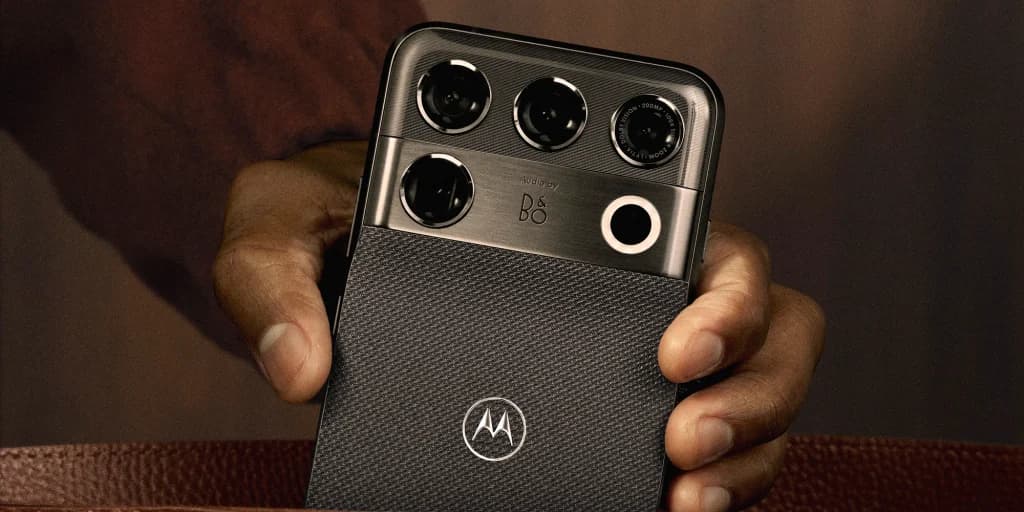
Evaluating the 200MP sensor requires inspecting 30x samples given Motorola’s prior zoom performance. Video recording offers another point of comparison with Pixel’s established reputation. Motorola’s Video Enhancement Engine analyzes scenes before and during recording, adjusting color tones in real time. It pairs with 3.5-degree optical image stabilization hardware and Qualcomm’s image stabilization to keep handheld video steady. In contrast, Google’s Video Boost processes video after capture via Google Photos cloud servers, requiring an internet connection and capping recordings at 10 minutes. Real-time processing on the Signature 27 avoids post-recording cloud upload delays if output quality matches Video Boost.
Motorola committed to seven years of operating system upgrades for the Signature 27, matching promises from Google and Samsung. Early movement on Android 17 supports that commitment. Motorola opened an Android 17 beta in February 2026 and began distributing stable builds in August, starting with the original Signature. The rollout covers more than 50 Motorola phones, marking a shift for a brand previously regarded as slow with software updates.

Android 17 also introduces Qira, a personal AI assistant developed by Lenovo and Motorola to replace Moto AI on supported devices. With user permission, Qira connects to Gmail, Google Calendar, Slack, and Outlook to execute supported tasks. Its Catch Me Up feature compiles missed emails, chat updates, and calendar changes into a single summary. Lenovo states that Qira runs on-device where possible and encrypts personal information stored locally. Qira is not exclusive to the Signature 27; it extends to select Edge, Signature, and Razr phones, Lenovo PCs with 16GB of memory, and the Moto Watch Ultra.
Qira requires Motorola or Lenovo hardware for the full experience. Because the Signature 27 also ships with Google Gemini, Qira must deliver capabilities Google’s assistant does not provide on the same phone. It works alongside Smart Connect, Motorola’s application for linking phones to PCs, tablets, TVs, or monitors. Smart Connect supports file sharing, screen mirroring, and Windows 10 and 11 integration through a PC application. While Samsung and Pixel offer similar functionality through Link to Windows, Motorola’s combination of Qira and Smart Connect builds an independent ecosystem layer on top of Android.

These specifications do not make Pixel or Galaxy devices obsolete, and many Pixel users will not switch solely for GrapheneOS support. Even so, the 2nm Snapdragon processor, 200MP periscope telephoto, and real-time video tuning apply pressure to Google and Samsung in areas they typically lead. A capable cross-device assistant could also prompt both competitors to improve their own offerings. Motorola has not released US pricing, leaving final evaluation to hands-on reviews when the phone arrives in November 2026.
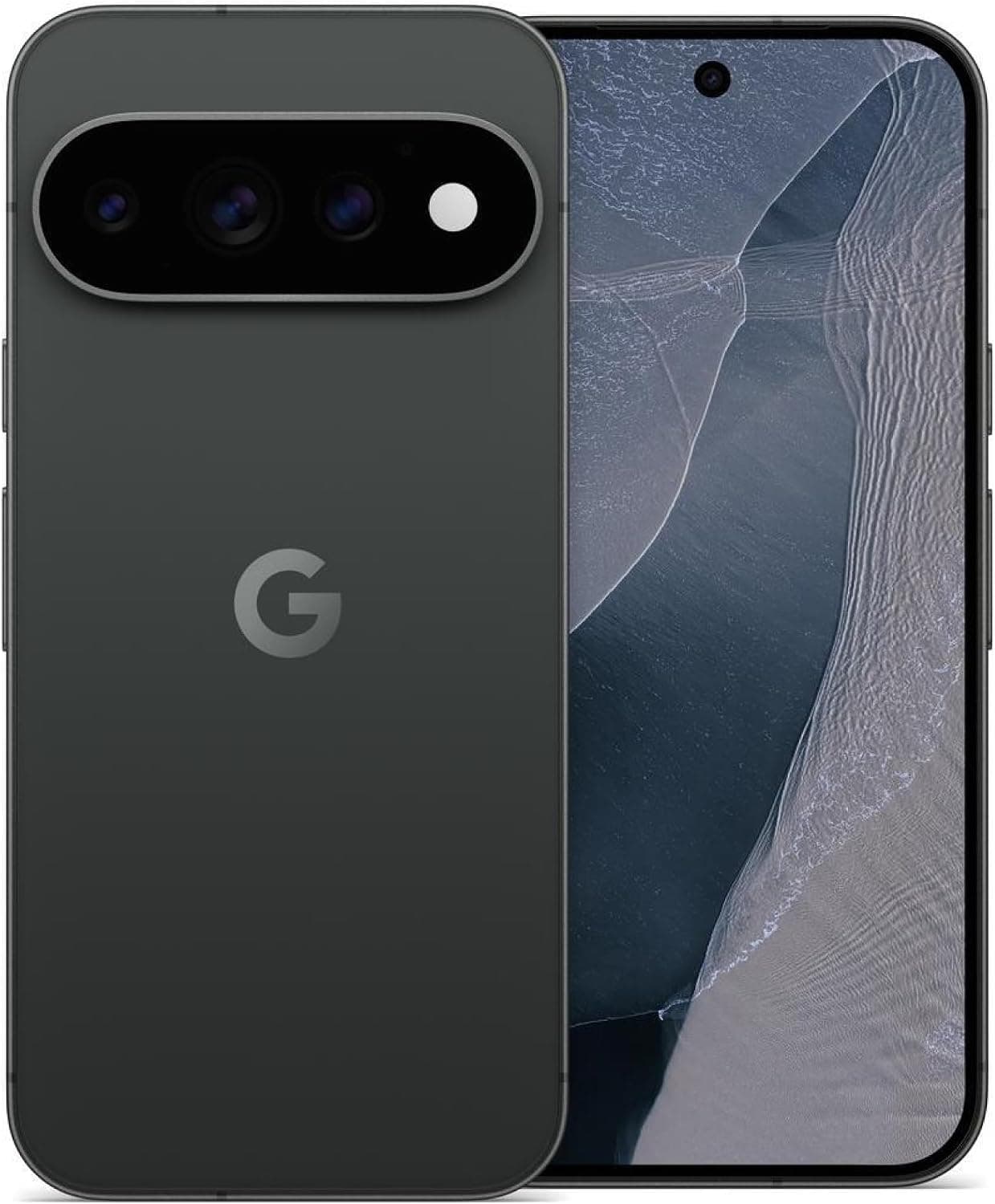
Google Pixel 11 Pro

Luiza Mosneagu is Reviews Editor at Droid Tools. A psychologist by training and tech writer by passion, she has tested over 60 Android devices since 2020 - always for a minimum of two weeks before writing a word. Her focus is camera quality, everyday usability, and cutting through marketing claims to tell you what a device is actually like to live with.
Weibo leaks suggest the Huawei Starlight series may include the OSTA O1 and O1 Pro, featuring distinct displays, new camera modules, and prices from 1999 yuan.
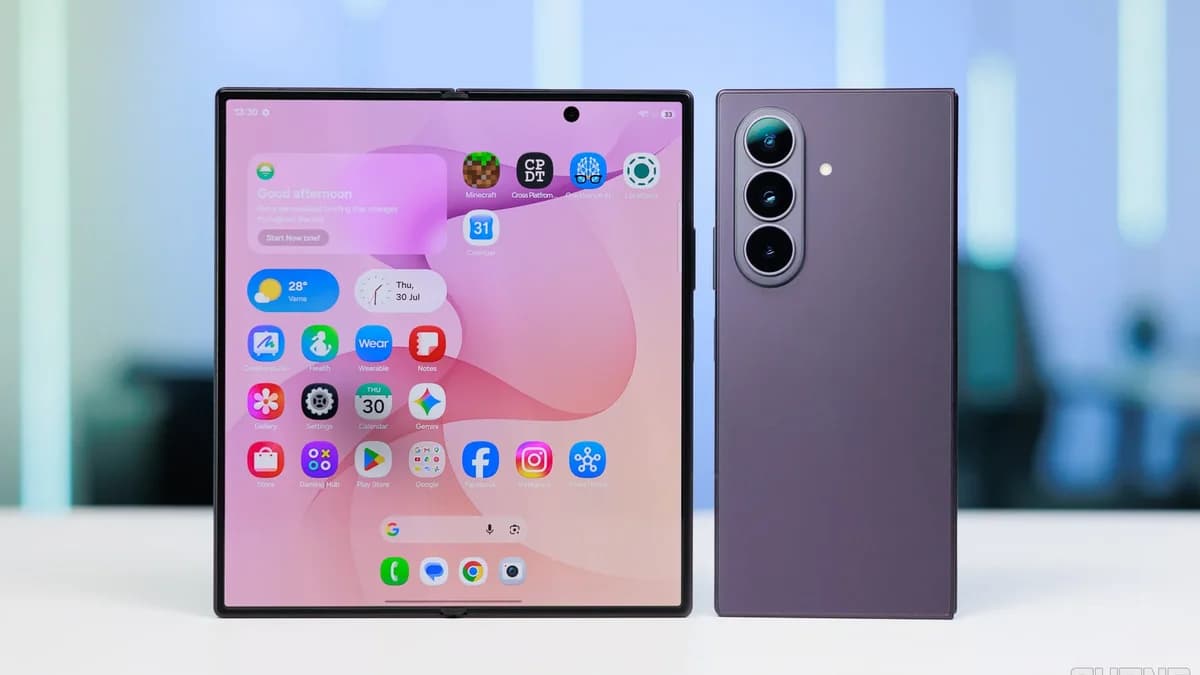
Early leaks detail Galaxy Z Fold 9 camera specs, pointing to a 200MP sensor for the Ultra and a dual 50MP setup for the standard model.

Huawei Pura X View sales topped 750,000 units in China, per analyst RDobservation, as third-party sellers raise prices amid supply shortages.
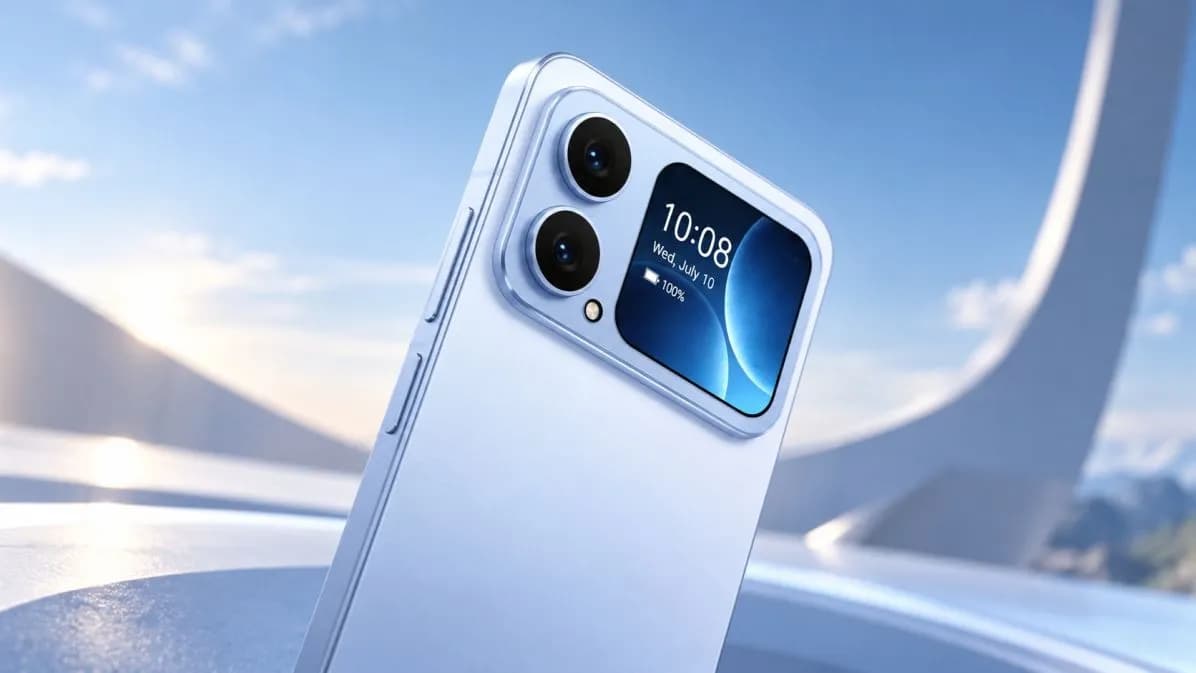
The Honor 700 series has received China's network certification across three models, featuring a rear screen, teleconverter support, and a large battery.
The next story loads as you reach the end. You can also load it using the button.


Comments & Discussions
Join the conversation! We use Disqus to handle comments. Click the button below to load the comment section.