In the lead-up to its anticipated release next month, Google's Pixel 9a is just leaking. We have a brief hands-on video today that demonstrates its absence of a camera bump. Here, we can see the phone in its Obsidian color scheme, which is simply black to those of us who are not Google users. The ...

In the lead-up to its anticipated release next month, Google’s Pixel 9a is just leaking. We have a brief hands-on video today that demonstrates its absence of a camera bump.
Here, we can see the phone in its Obsidian color scheme, which is simply black to those of us who are not Google users. The Pixel 9a’s extremely small camera bump—we mean, so minuscule in thickness—is also readily apparent, which means that it will not be the thinnest phone on the market by any means and that it will not contain high-end camera sensors, which call for considerably larger camera humps.
According to rumors, the Pixel 9a will be launched on March 19 and go on sale on March 26. With 128GB of storage, it will start at $499, while 256GB will cost $599. 8GB of RAM, a 6.28-inch OLED screen with a maximum brightness of 2,700 nit, the Tensor G4 SoC at the center, a 48 MP primary camera, a 13 MP ultrawide, and a 5,100 mAh battery are all included in both models. It will come pre-installed with Android 15 and be available in Porcelain, Iris, and Peony in addition to Obsidian.

Google Pixel Watch 4

Robert Haba is the founder and editor-in-chief of Droid Tools. A lifelong gadget enthusiast with over a decade following the Android ecosystem, he built this publication to cut through the noise and give readers honest, real-world coverage of the tech they actually use.

Early CAD renders suggest the Samsung Galaxy S27 Ultra camera design may switch to a horizontal bar housing larger sensors and improved cooling hardware.
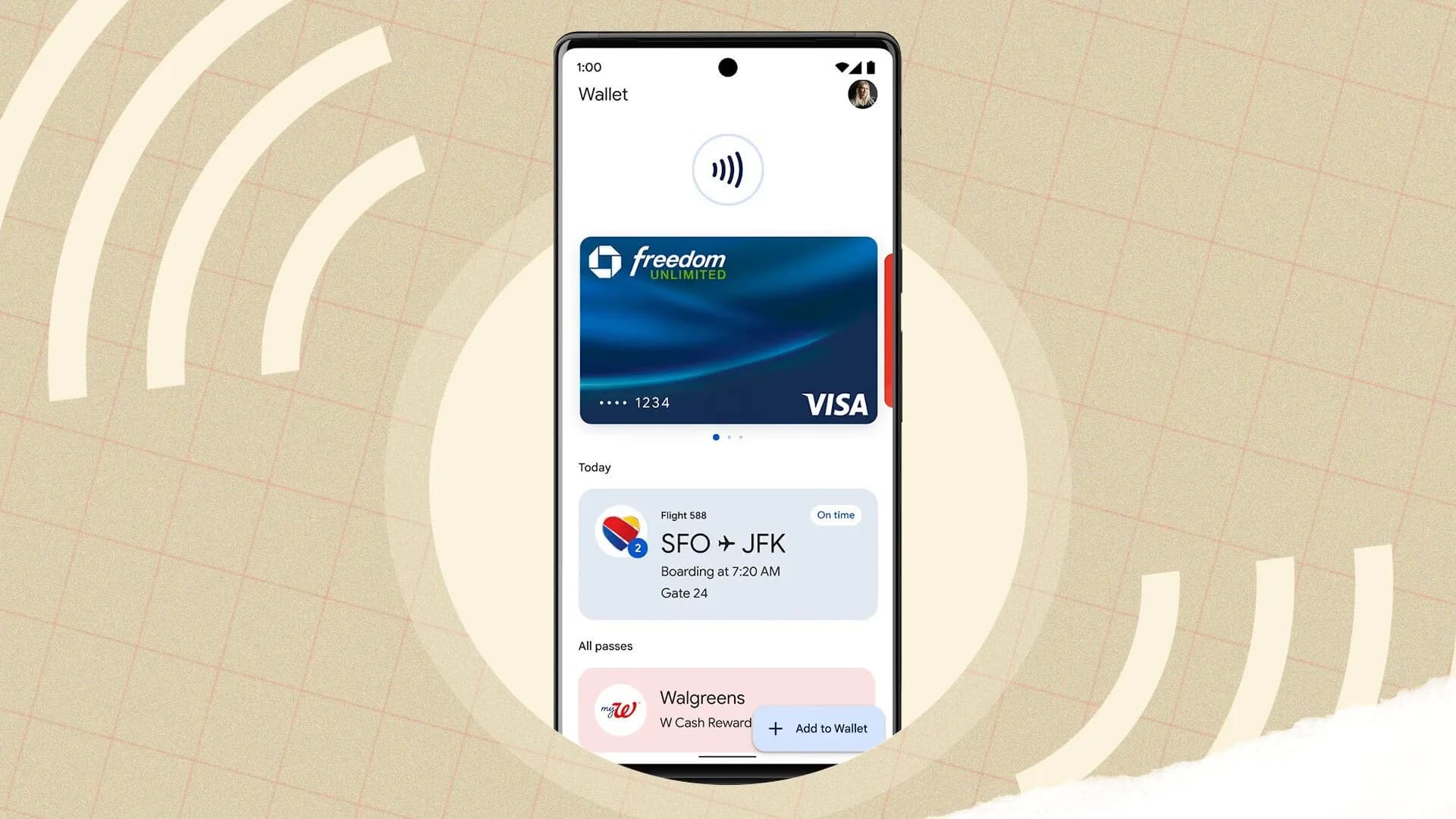
A new Google Wallet Tap to pay setting may let users verify their identity before each purchase while still requiring phones to stay unlocked.

Samsung may use Exynos for the Galaxy S27 Ultra as Qualcomm faces thermal issues ahead of a reported mid-October fix deadline.

Developers can now run iOS on Android phones using a modified XNU kernel, though key features like cellular data and cameras remain broken on early ports.
The next story loads as you reach the end. You can also load it using the button.


Comments & Discussions
Join the conversation! We use Disqus to handle comments. Click the button below to load the comment section.