

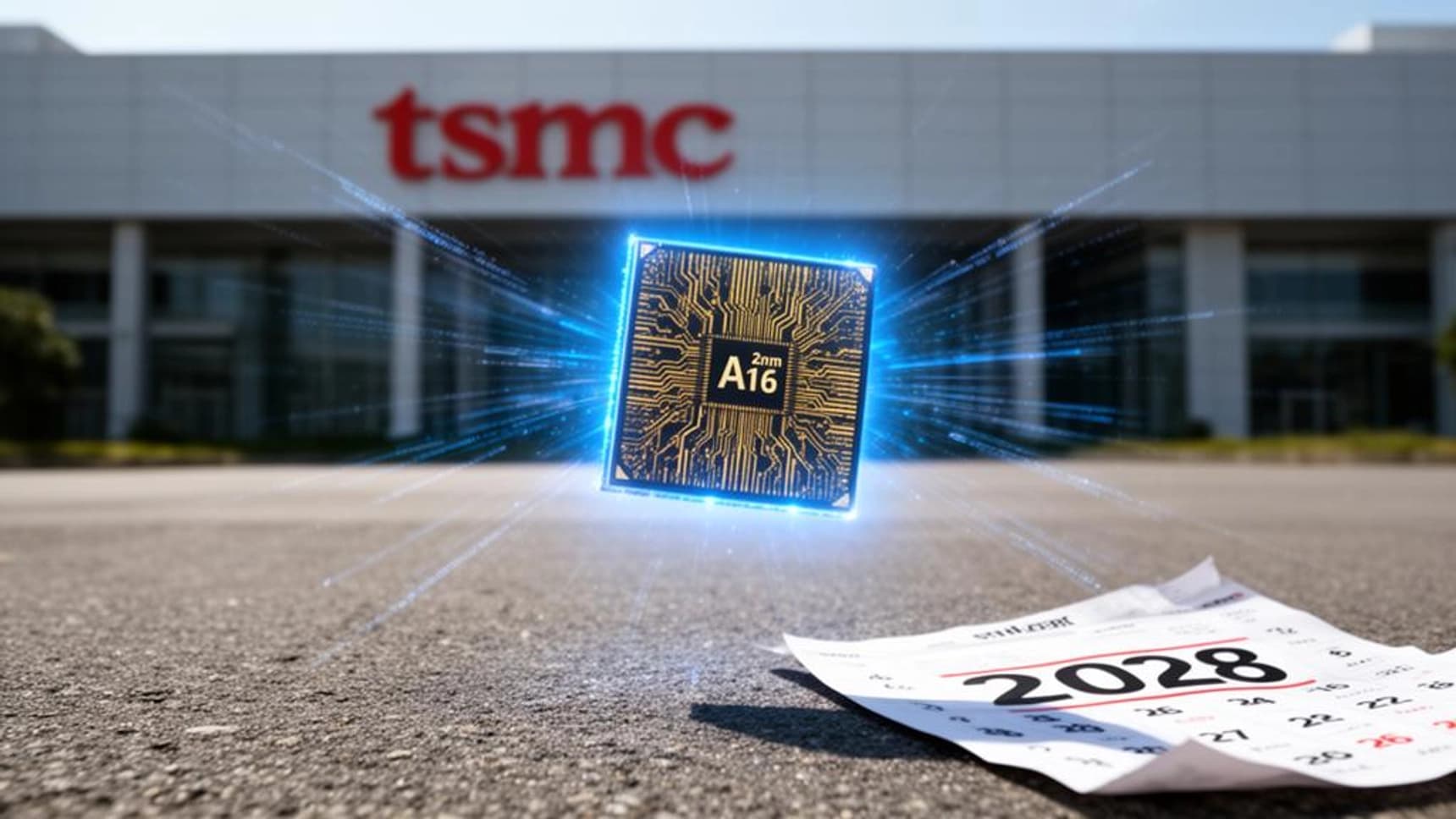
The industry’s most advanced and cutting-edge node is the 2nm process node, and TSMC leads the next generation of powerful chips. The Taiwanese chip giant has succeeded in achieving yields that are advantageous for mass-producing 2nm wafers, but sadly, this is insufficient to fulfill the demand for mobile SoCs and AI processors, forcing smartphone manufacturers to choose silicon downgrades later this year.
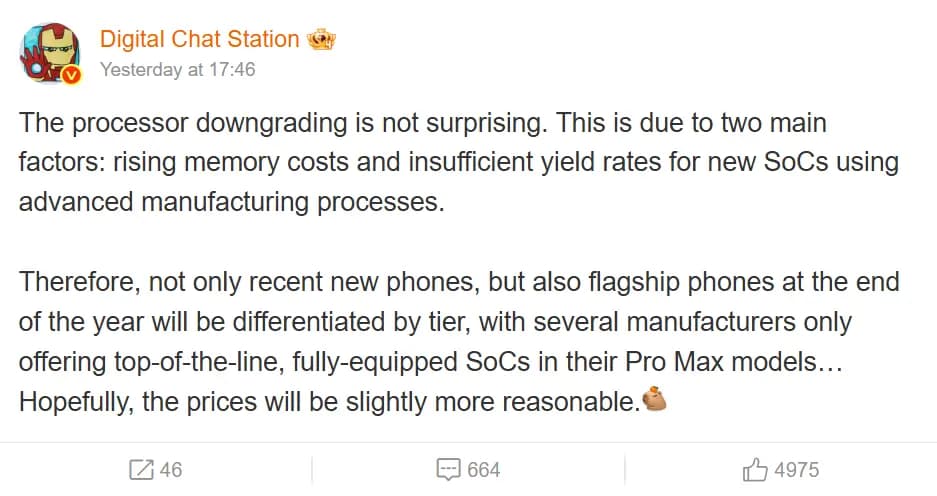
A trustworthy Chinese tipster, Digital Chat Station, claims that due to the chip crisis and growing memory costs, several smartphone manufacturers would only provide fully equipped SoCs in their premium “Ultra” or “Pro Max” versions. It doesn’t take long to figure out where the fingers are pointing, even though the tipster doesn’t specifically state “TSMC.”
AI and mobile are vying for the same advanced nodes, making the supply shortage even worse, even though the Taiwanese chip maker faces significant challenges in mass-producing advanced wafers on a wider scale. Industry reports state that Apple, Qualcomm, Nvidia, and AMD have locked up significant allocations, effectively selling out most of the N2 capacity through 2026. According to reports, Apple alone has more than half of the original N2 capacity.
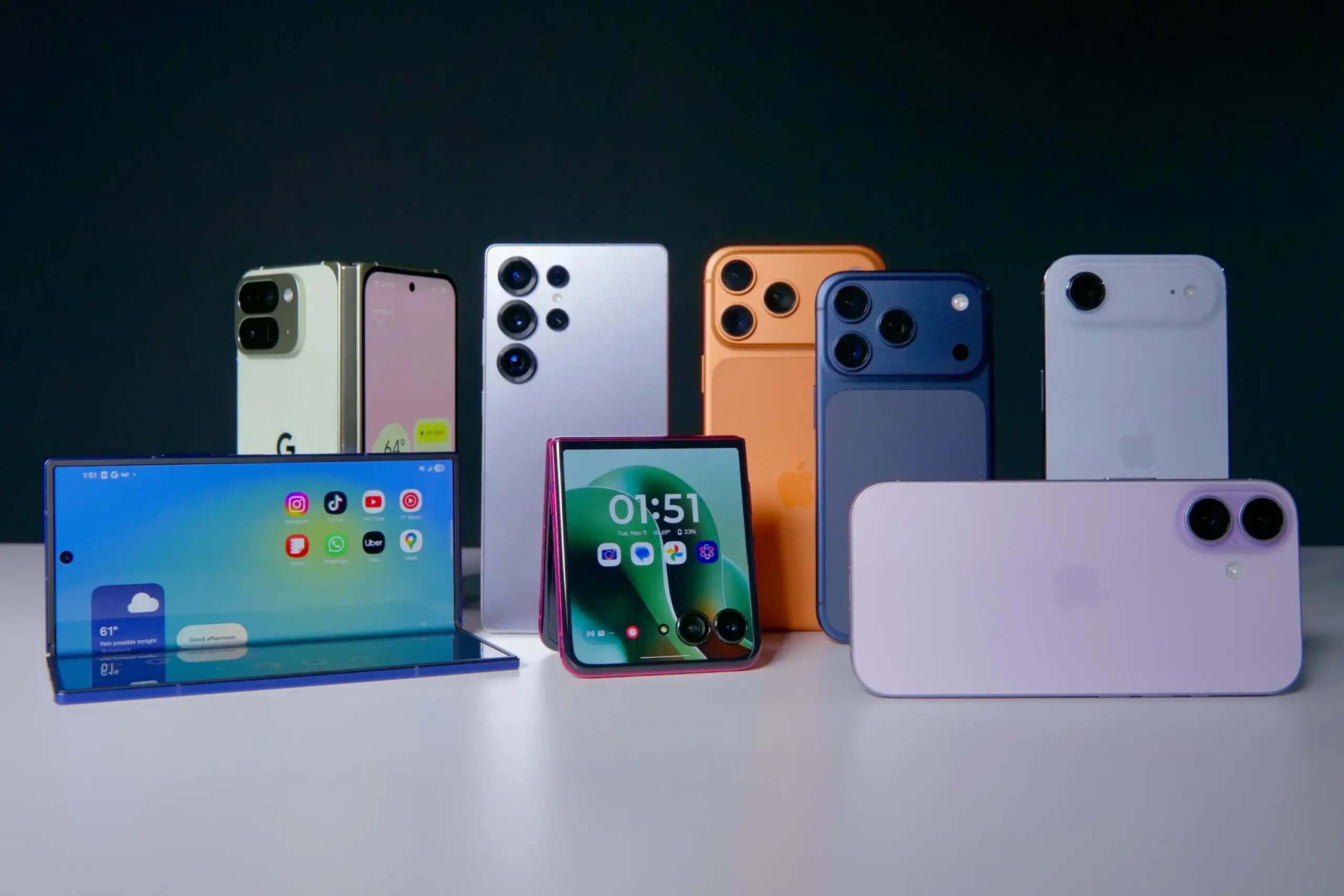
The most well-known substitute for TSMC is Samsung, but it is having even more difficulty increasing its 2nm GAA yields. As a result, smartphone manufacturers have a limited supply, therefore it wouldn’t be shocking if premium processors were only used in high-end devices. This explains why Qualcomm’s dual-chip launch strategy is said to include the Snapdragon 8 Elite Gen 6 and Snapdragon 8 Elite Gen 6 Pro. With the A20 and A20 Pro, Apple is reportedly using a similar strategy.
According to reports, MediaTek, which offers the Dimensity 9600 and Dimensity 9600 Pro, is also using the same approach. The more expensive silicon will be saved for high-end phones, while the less expensive SoC will be available for less expensive phones. The DRAM problem is one of the primary causes of the anticipated increase in smartphone prices.
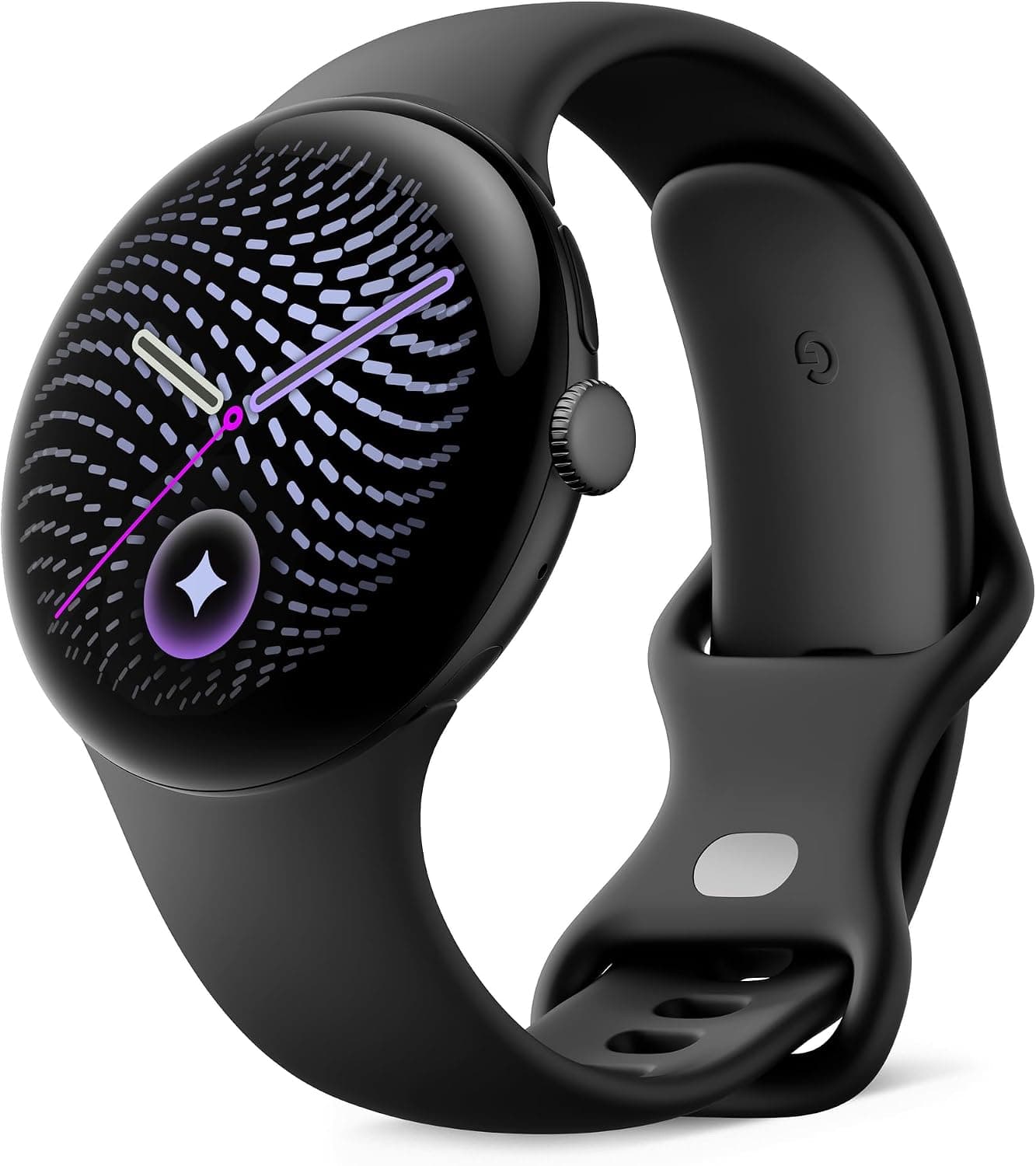
Google Pixel Watch 5 (45mm)
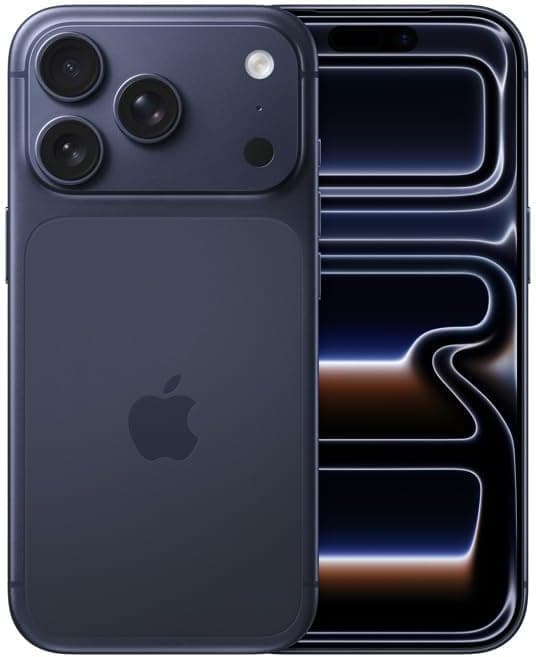

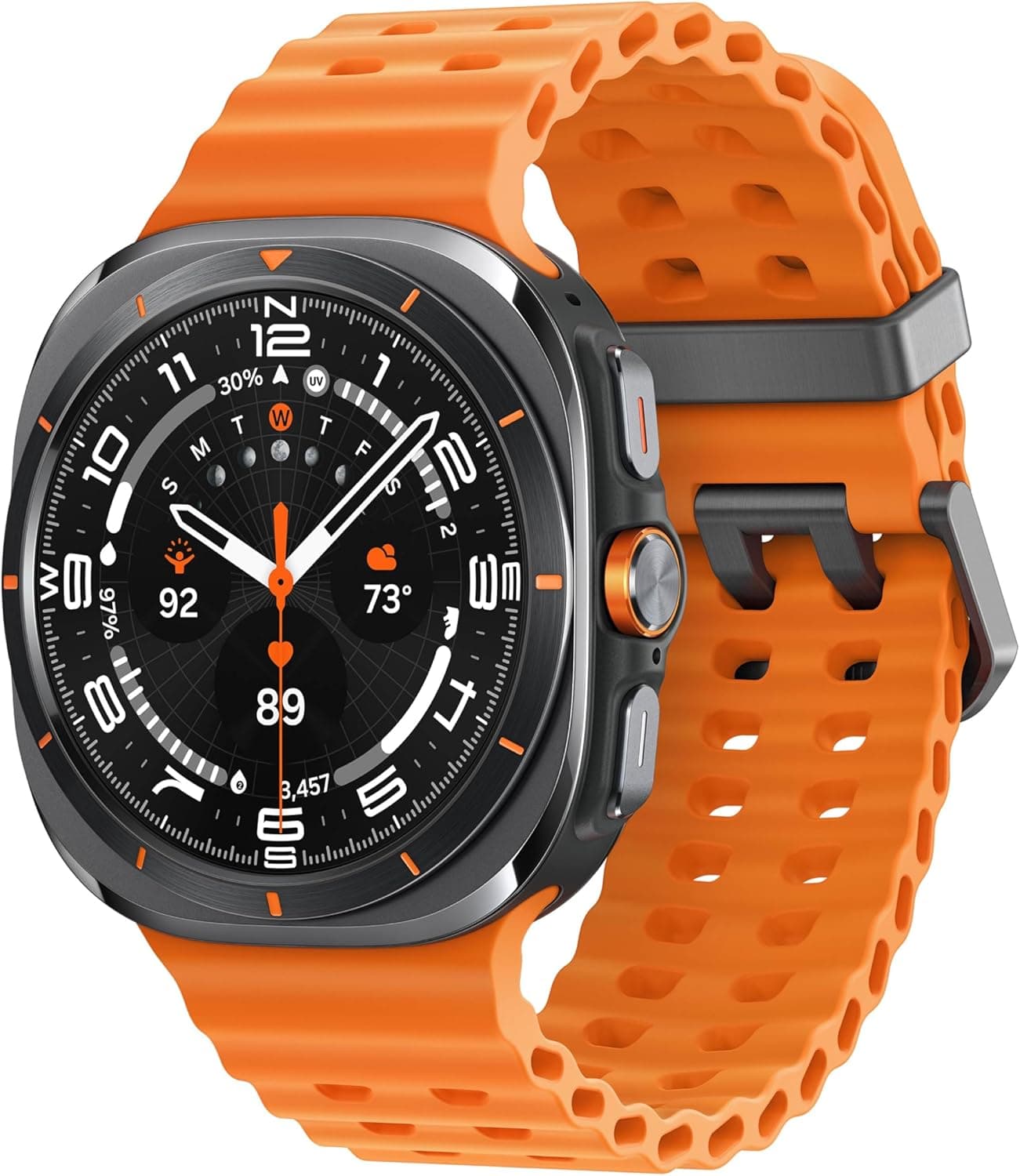

Google Pixel Watch 4

Robert Haba is the founder and editor-in-chief of Droid Tools. A lifelong gadget enthusiast with over a decade following the Android ecosystem, he built this publication to cut through the noise and give readers honest, real-world coverage of the tech they actually use.


Comments & Discussions
Join the conversation! We use Disqus to handle comments. Click the button below to load the comment section.