
Google is making 64-bit apps the main focus of Android for phones and tablets. To get app creators in shape and accomplish this goal, years of transition policy were required. We discovered a few weeks back that the Pixel 7 and 7 Pro couldn’t install 32-bit apps, possibly indicating that the firm was prepared to put a stop to 32-bit Android. However, until recently, no formal statement on the subject has been made.
The Pixel 7 series has been recognized as the first Android smartphones to exclusively run 64-bit software in the most recent entry on the Android Developers Blog. The majority of the letter is devoted to quantifying the advantages of doing away with 32-bit support, including gains in CPU performance of up to 25%, an additional 150MB of RAM allocation, support for better security tools, quicker OS updates, and more.

The company anticipates an additional wave of 64-bit-only devices as time goes on, including Google’s own Pixel Tablet, not the least of which is the requirement that devices with Armv9 CPUs (i.e., chipsets like Qualcomm’s Snapdragon 8 Gen 1 or later) forgo 32-bit support in order to run Android 14 out of the box.
Google isn’t entirely abandoning 32-bit apps for devices like budget phones, Wear OS watches, and Android TVs. The company says it’s committed to making sure that the Play Store will continue to accept, host, and serve 32-bit apps for 32-bit devices.
But while there are cost incentives to keeping lower-grade parts on such hardware, pressures also exist to improve the bottom end of the Android mobile experience where there may be greater susceptibility and sensitivity to bugs and exploits — notably, Android 13 Go edition has bumped the minimum RAM requirement from 1GB to 2GB. Money and Moore’s Law seem like conflicting principles here, but eventually, something has to give.

Samsung Galaxy Watch 8

Robert Haba is the founder and editor-in-chief of Droid Tools. A lifelong gadget enthusiast with over a decade following the Android ecosystem, he built this publication to cut through the noise and give readers honest, real-world coverage of the tech they actually use.

Samsung tests the 2nm Exynos 2700 for the Galaxy S27 series, aiming for 12% faster speeds and lower processor costs than Qualcomm components.

The iVANKY ultra-slim magnetic power bank is 50% off at Walmart for $15, providing 20W wired and 7.5W wireless charging in a 0.3-inch thick design.
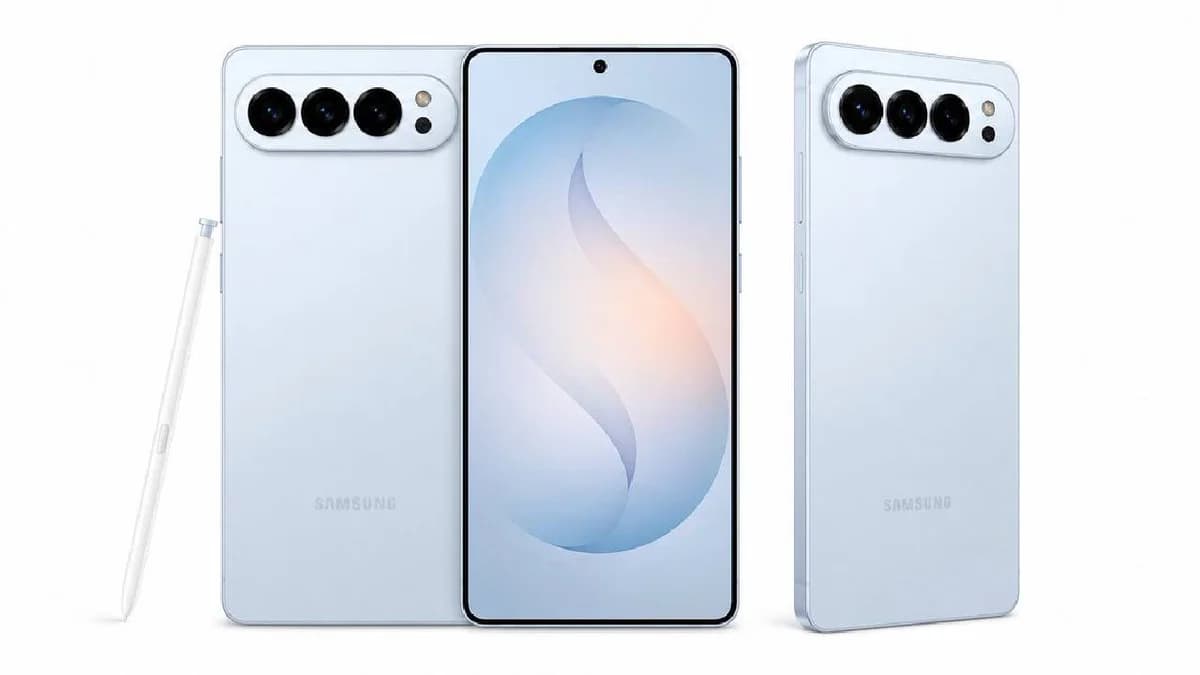
Samsung's Galaxy S27 RAM options may include 8GB variants to offset rising memory prices, alongside potential storage tier differences.

Android 17 QPR 3 Beta 2 lets Pixel owners lock Quick Settings connectivity to prevent thieves from disabling network tracking on stolen phones.
The next story loads as you reach the end. You can also load it using the button.


Comments & Discussions
Join the conversation! We use Disqus to handle comments. Click the button below to load the comment section.