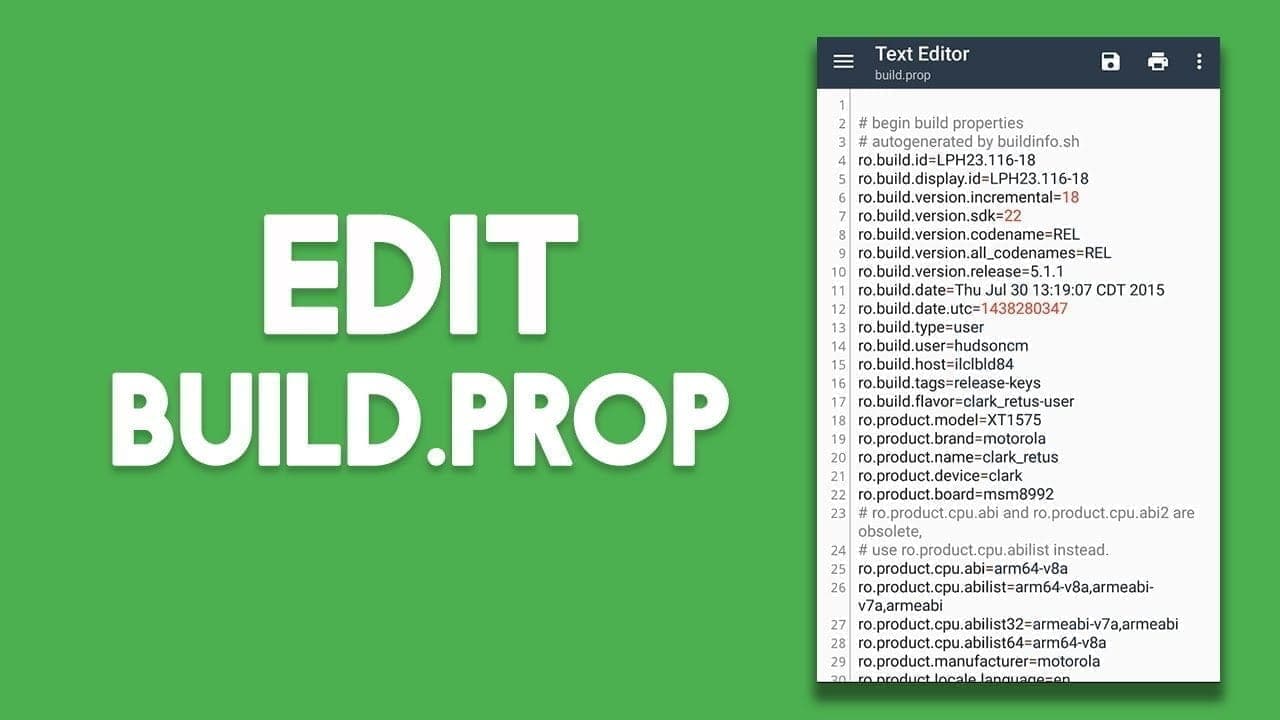

Android is one of the most preferred operating systems out there, simply because of the customizability it offers.
Almost every element of one’s computer can be modified by the consumer, and even tweaked in some ways to make sure their devices work better. All of this depends primarily on the config file of your computer, that is, the file build.prop. This file contains all of your device’s configuration data as well as the Android framework built on it. Many power users alter this file in order to further tweak their computer. We have recently done an article for your Android device on some of the coolest build.prop tweaks. Unfortunately, though, because this is a system file, the general principle is that a rooted computer is required. Ok don’t worry, because there’s still a way around that.
So, if you’re an Android user looking to the build.prop file on their Android device but don’t have root access, read on, as we share with you our guide on how to edit build.prop without root access:
To begin with, download and install ADB and Fastboot drivers onto your system, as shown here.
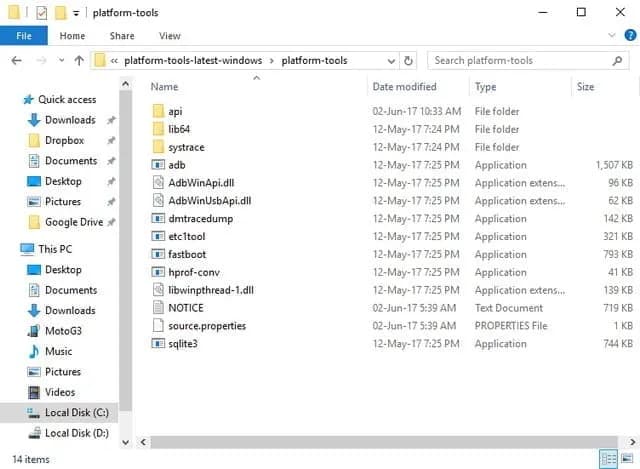
Install an advanced text editor like Notepad++ or Sublime Text on your system. This is will be used later on to edit the build.prop file.
Next up, switch off your device and head over to the recovery mode. Once there, tap on “Mount”. A list of all the partitions on your device will open up. Make sure the checkbox next to ‘System’ is checked, and the checkbox next to “Mount system partition read-only” is unchecked.
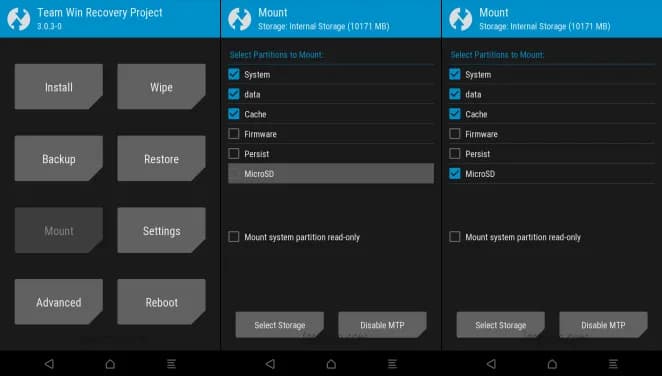
Once you’ve mounted the /system partition, connect your device to your PC and open the ADB window. Once there, type in the following command to transfer the build.prop file onto your system:
adb pull /system/build.prop <path to save file>Now that your build.prop file has been transferred to your system, you can edit it easily using the text editor you downloaded previously. To do so, simply right-click on the build.prop file and select “Edit with Notepad++” or any other text editor that you may have downloaded.
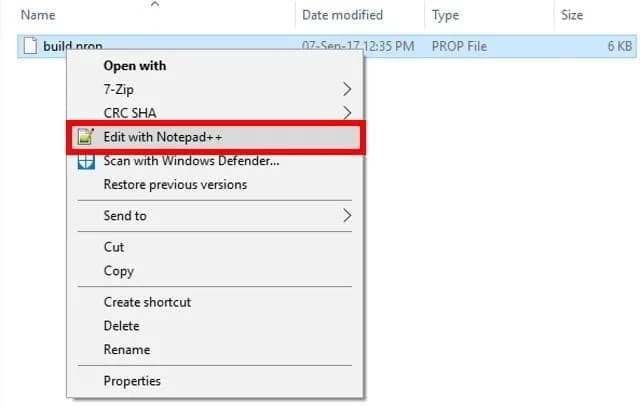
A new Notepad++ window should now open and you should easily be able to modify the build.prop file. Once you’re done with your edits, simply save the changes.
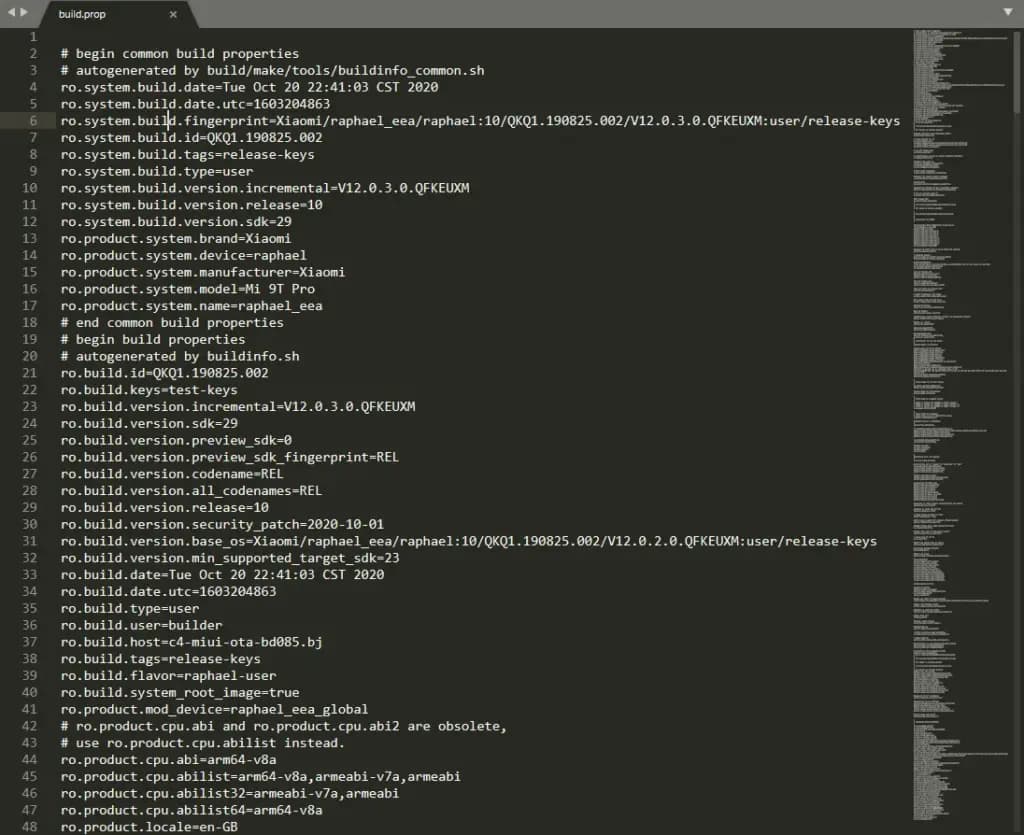
Now that you’ve edited the build.prop file, we need to transfer it back to your device. To do so, run the following command in the ADB window:
adb push <path to your file>/system/build.propNow that you’ve transferred the modified build.prop file, you need to set its permissions as well. To do so, open up the ADB shell by typing in the following command:
adb shellOnce you’re inside the ADB shell mode, type in the following command to set the right permissions:
chmod 644 /system/build.prop
And that’s it. You can now close the ADB window. Your build.prop file has now been modified as per your preferences.
It will help you get something out of your Android device by changing your build.prop file. Android’s greatest advantage over other operating systems is its level of customizability, which relies largely on the build.prop file. And while not everyone has root access, using the above form, one can still change their build files. Note that whatever you are doing with your build.prop file, just in case, always and always have a backup available. Well, this is all from my hand, but in the comments section below, I’d love to hear the various tweaks you tried to implement on your computer.
Google Pixel 11 Pro

Cristian Penisoara is a Guides Writer and Android specialist at Droid Tools. An Android user since version 2 and a professional event photographer, he combines technical curiosity with a detail-oriented approach - every guide he publishes is tested step-by-step on a real device before it goes live.

Quick Share for Windows transfers files from Android to your PC over Wi-Fi at rates up to 100MB/s, bypassing email and third-party cloud uploads.

Overnight charging exposes phone batteries to sustained high voltage and heat. Learn how Google Pixel and Samsung Galaxy settings stop cell degradation.
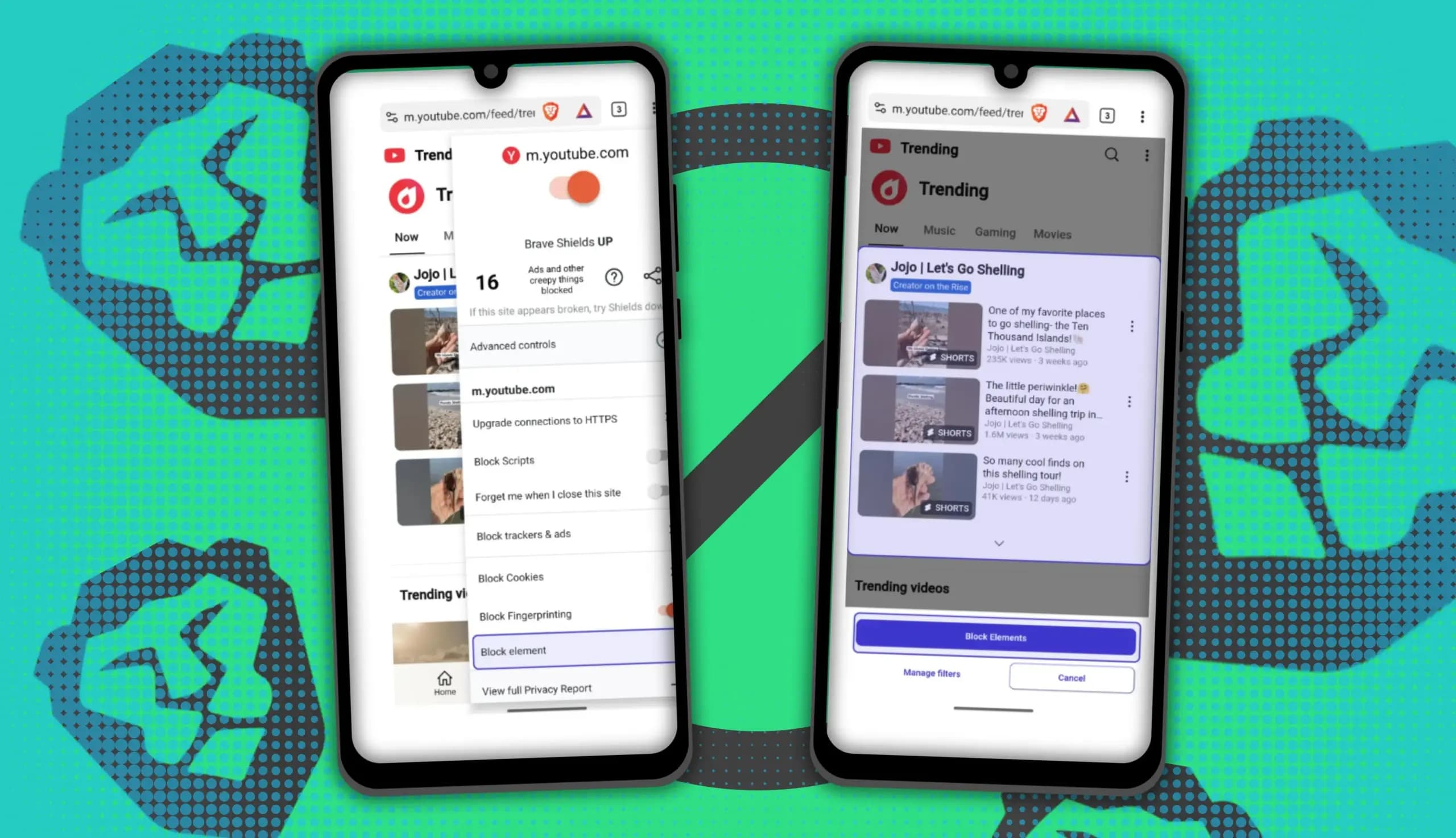
You can block ads on Android more effectively by pairing Brave’s Aggressive Shields setting with the system’s Private DNS feature. The setup filters ads at both the browser and system levels, takes only a few minutes to configure, and avoids the battery drain and VPN conflicts that come with dedicated ad-blocking apps. Why one ad […]

Behind a two-tap recharge sits a surprising amount of plumbing. Every prepaid network has its own rules about what can be topped up, in which denominations, and how quickly credit posts to a SIM. MobileTopUP hides that complexity behind a single form: pick a country, enter a number, choose an amount. What the coverage map actually covers […]
The next story loads as you reach the end. You can also load it using the button.


Comments & Discussions
Join the conversation! We use Disqus to handle comments. Click the button below to load the comment section.