OSCristian Penisoara
Xiaomi announces Android 17 HyperOS 4 update schedule for eligible devices
Xiaomi began rolling out the final Android 17 HyperOS 4 update for eligible Xiaomi, Redmi, and Poco devices, featuring UI updates and performance gains.

Browse all articles, news, and guides tagged with mi on Droid Tools.
Xiaomi began rolling out the final Android 17 HyperOS 4 update for eligible Xiaomi, Redmi, and Poco devices, featuring UI updates and performance gains.
With HyperOS 4, Xiaomi intends to make significant changes. The old MIUI code is entirely removed by the business. The system becomes more stable and quicker as a result. In August 2026, HyperOS 4 will be available. It turns into the initial “Zero-Legacy” version. In HyperOS 3.1, Xiaomi begins to clear up outdated code. The
Xiaomi has begun releasing the latest testing release for these 12 models after launching a new HyperOS 3.1 Beta Program for the second batch of its smartphones. To improve the user experience, the most recent version includes a few improvements. The latest beta, which includes features like Live Updates and Stacked Recent Apps Menu, has
The latest version of Xiaomi's HyperOS is almost here, and it looks like there will be a lot of changes. Xiaomi HyperOS 3.1 appears to be attempting to improve the appearance of their software by drawing inspiration from well-known skins. There is a significant hitch, though, that could let some users with outdated specs down.

One of the Android oems speeding up the release of Android 16 is Xiaomi with HyperOS 3.0 skin. The company has now disclosed the whole list of smartphones and tablets that will receive the significant OS update, including Redmi and Poco models, in response to last month's introduction of HyperOS 3.0, which is based on
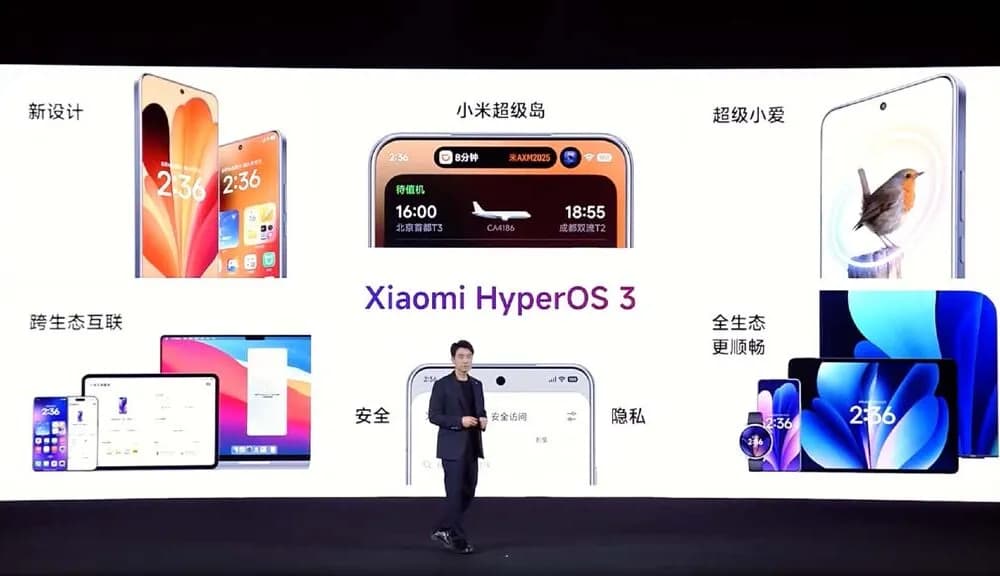
A number of cutting-edge features from the soon-to-be released Android 16 will also be included in Xiaomi's eagerly anticipated HyperOS 3, setting a new standard for mobile operating systems for the company's diverse range of devices. HyperOS 3 will deliver cutting-edge capabilities that will transform how people use their devices as Xiaomi develops its ecosystem
In October 2023, Xiaomi unveiled their new Android-based operating system, or Android skin as some of you could refer to it. It was the successor of MIUI and is called HyperOS. Sincerely, HyperOS ended up looking a lot like MIUI, and although it did provide some nice modifications, it also brought about some unfavorable ones.
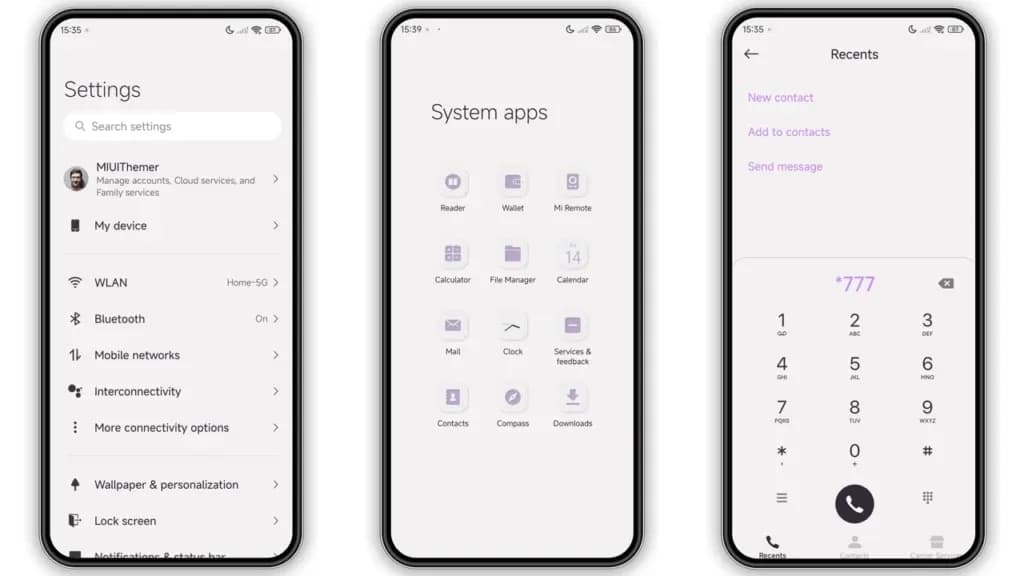
The cross-ecosystem LivePhoto transmission compatibility of HyperOS 2 was formally revealed by Xiaomi, enabling smooth live photo sharing between Xiaomi phones, Xiaomi Pads, iPhones, and iPads. Grayscale mode is supported, and the feature is progressively being made available in batches. The enhancement is one of the actions Xiaomi is taking to create a comprehensive ecosystem
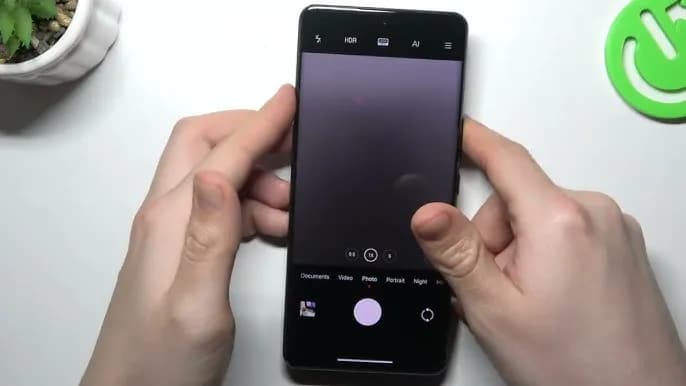
Earlier this year, MIUI 12 made its debut, and Xiaomi has completed rolling out the stable update to most devices in its portfolio. The new skin of Xiaomi offers a variety of new features, including an enhanced dark device-wide mode, AI-assisted calling features, Interactive Always-on Display, new visual interface, system animation tweaks, and much-needed privacy