

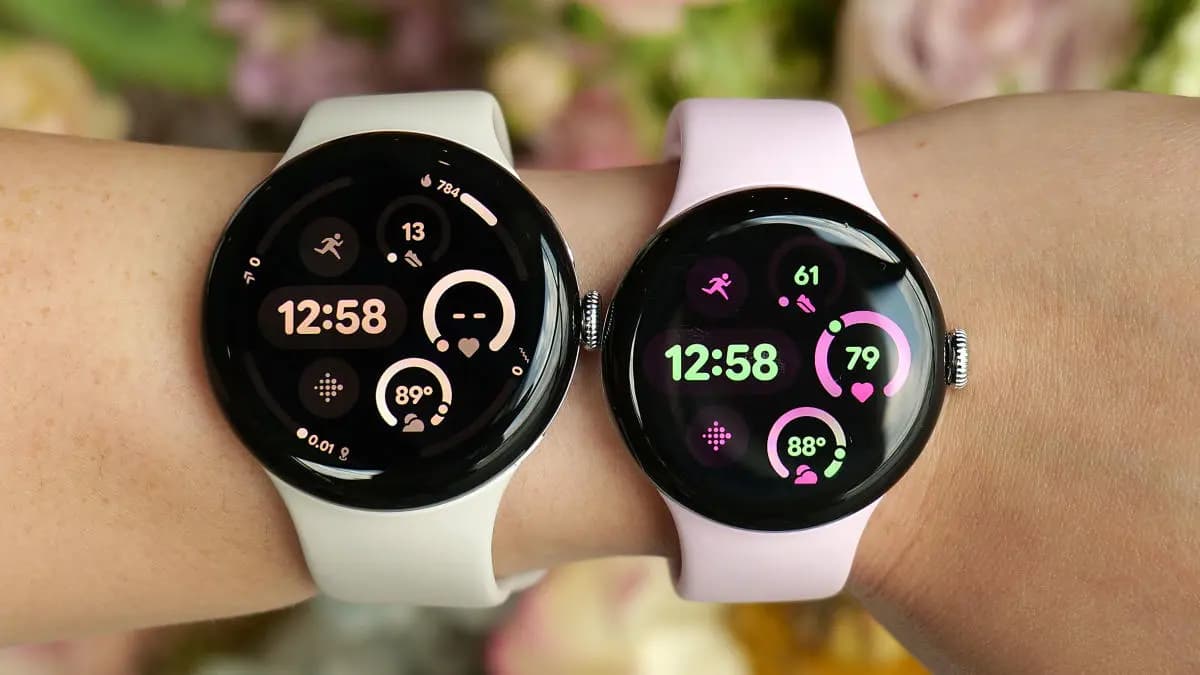
A potentially life-saving capability is being added to the Pixel Watch 3 for the first time. Google said in a blog post that the FDA had approved its Loss of Pulse Detection feature.
Your heartbeat is tracked by the feature. Your watch will immediately switch on more precise infrared LEDs and search for motion data if your heart stops beating, which could be caused by cardiac arrest, respiratory or circulatory failure, overdose, or poisoning.
The Watch 3 will initiate an audio alarm and countdown if it detects that you are not responding. If you do not react, the watch will use your phone or LTE connection to summon emergency services, let them know you do not have a pulse, and provide your position.
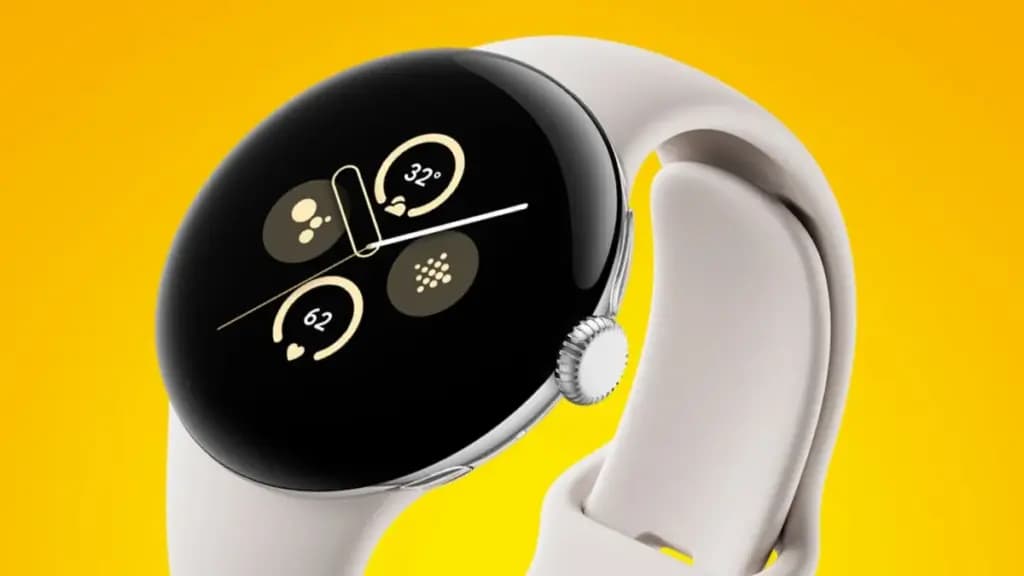
According to Google, the watch will be able to distinguish between a real cardiac event and the user taking it off. Although safety features like crash and fall detection are not new, they are not as good as this one, which is why the FDA had to approve it first.
Heartbeats are tracked by other watches, although they do so far less frequently than the Pixel Watch 3. For instance, the Apple Watch automatically measures heart rate every three to seven minutes.
Google collaborated with cardiologists.
Speaking to The Verge in August, Sandeep Waraich, senior director of product management for Pixel wearables, explained that pulse detection is a combination of pulse, heartbeat, contact with skin, and “a bunch of other things like motion.”
Google collaborated with cardiologists to develop the feature by learning what a pulse loss on watch insights looks like. An AI system was developed using that data and tested on hundreds of thousands of hours of real-world user data from a wide range of individuals. Google next replicated the kinds of falls that would mirror someone abruptly losing their pulse by using stunt actors wearing tourniquets, which would artificially generate a loss of pulse.

Google Pixel Watch 4

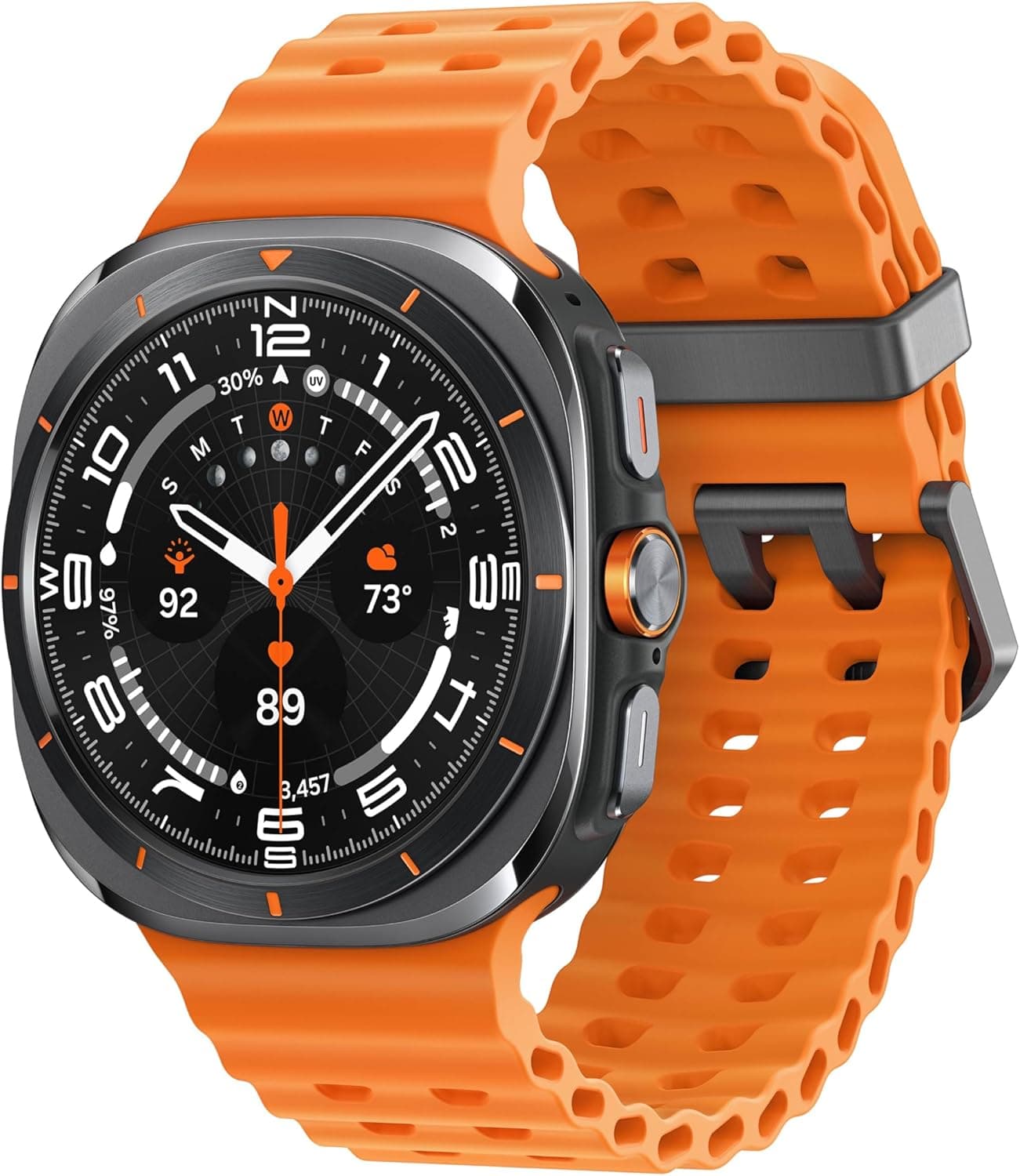
Samsung Galaxy Watch 8


Keep Reading
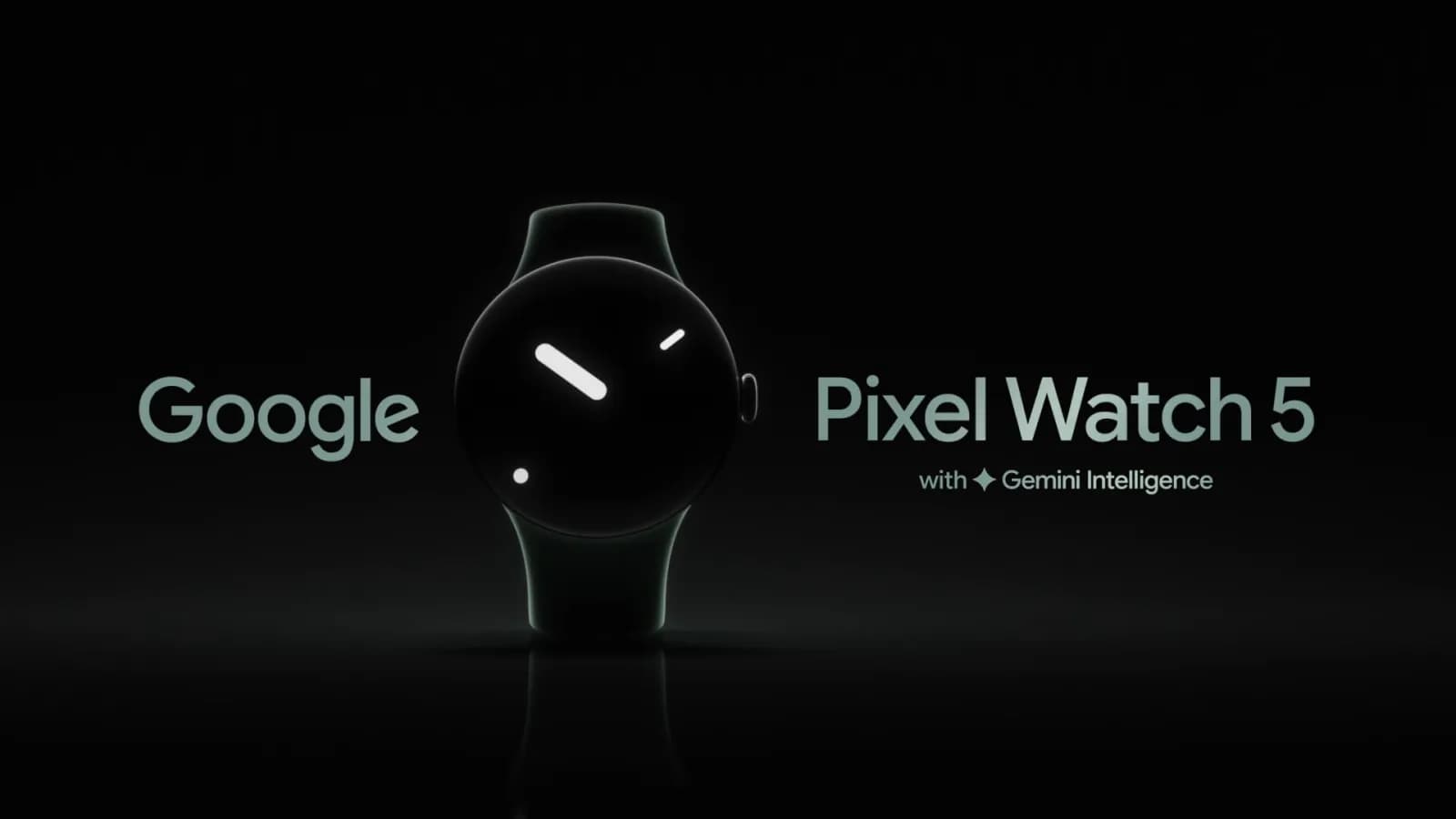
Google Pixel Watch 5 has officially launched with larger batteries, twice the storage of its predecessor, an accelerated Snapdragon processor, and a broad set of health, fitness, sleep, and Gemini features. Preorders opened on August 12, 2026, with prices starting at $399 and general availability scheduled for August 20. According to Android Authority, Google revealed […]
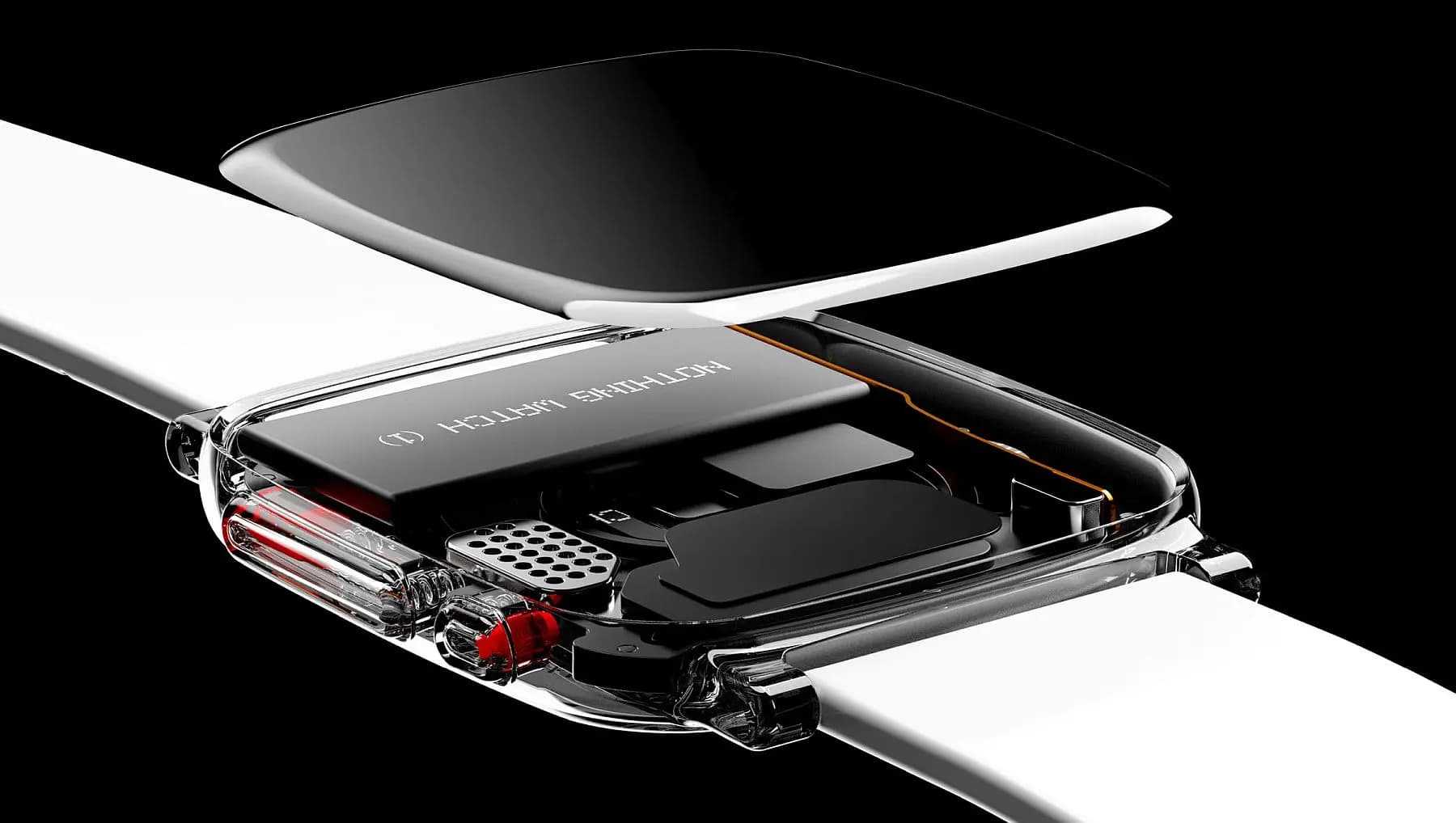
Nothing might finally be putting its own name on a smartwatch, and the rumored specs suggest it could be the company’s first real entry into Wear OS. Nothing’s First Self-Branded Smartwatch Reportedly Coming in September While there’s reportedly been some turbulence behind the scenes at Nothing recently, the company appears to be moving ahead with […]
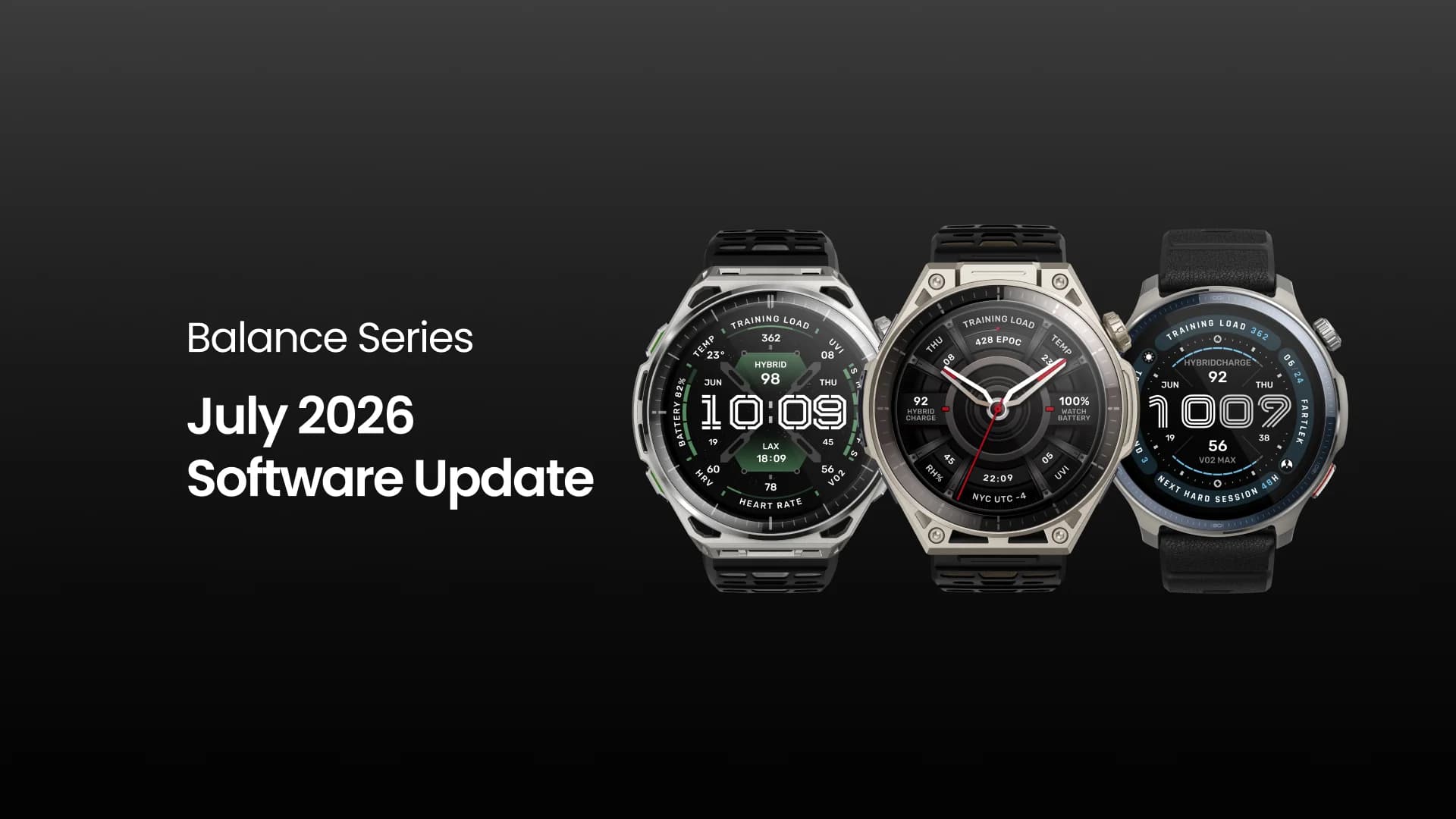
Zepp Health has released a new firmware update for select Amazfit smartwatches in the Balance and Cheetah series, adding fresh functionality for both training sessions and everyday use, including a new Bluetooth speaker mode. What’s Included in Firmware 6.2.104.6 The rollout covers firmware version 6.2.104.6, now reaching three devices: the Amazfit Cheetah 2 Ultra, the […]
Following recently leaked official renders of the Galaxy Watch 9 and Galaxy Watch Ultra 2, the full specifications for both upcoming smartwatches have now surfaced as well. The details come from WinFuture, starting with the Galaxy Watch 9, which is expected to be the more affordable of the two. Here’s what the leak reveals about […]
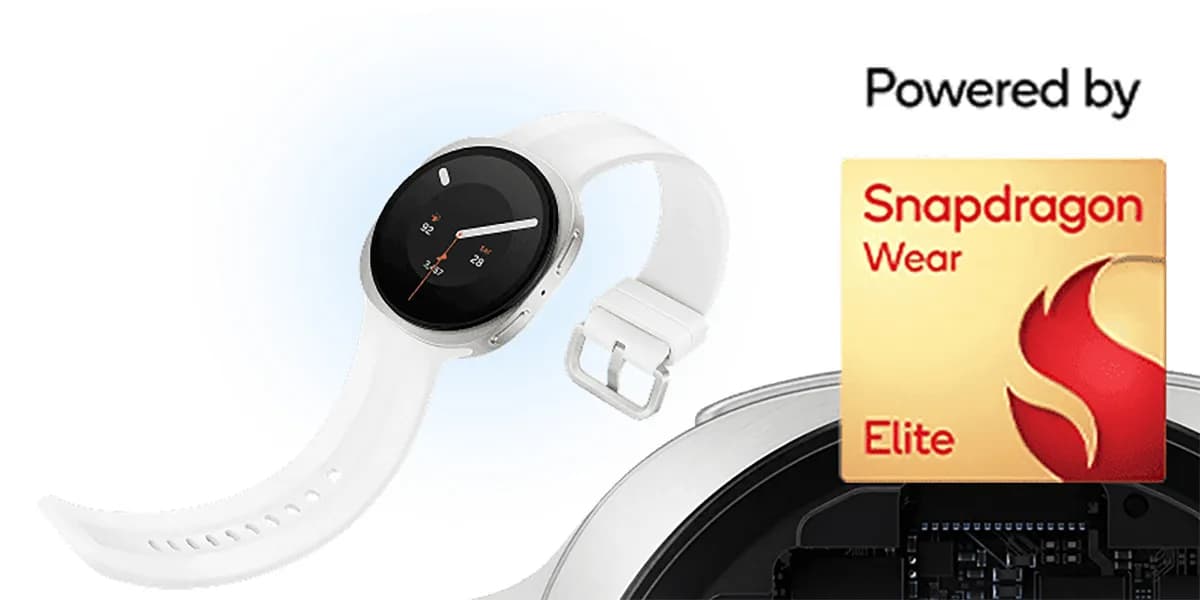
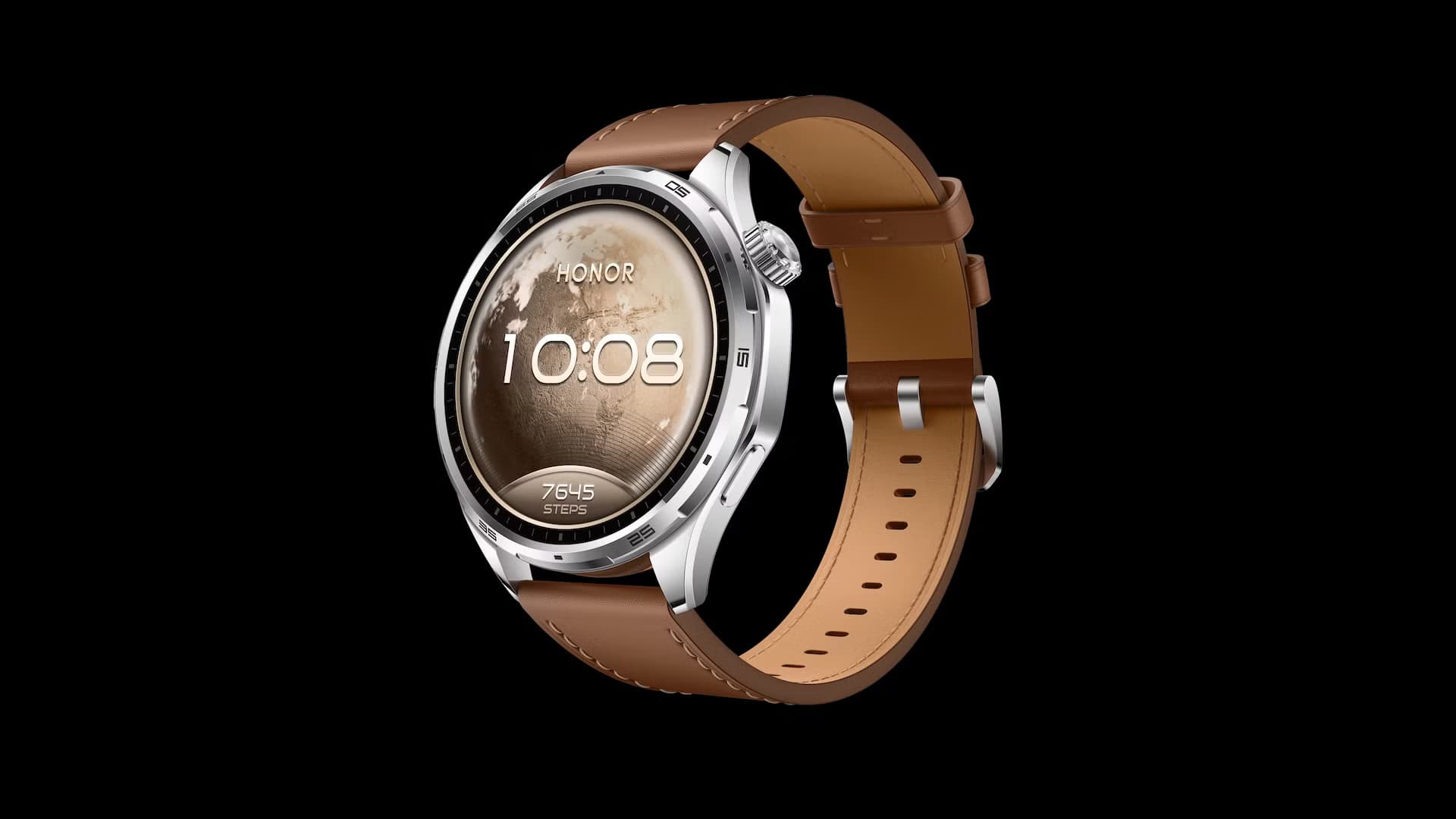
Honor has officially launched the Watch 6 in the global market, positioning it as a flagship wearable built around a classic design and a strong sports and health feature set. The device arrives in Twilight Brown and Shadow Black color schemes, giving it a more refined look than typical sport-focused smartwatches. The Watch 6 succeeds […]
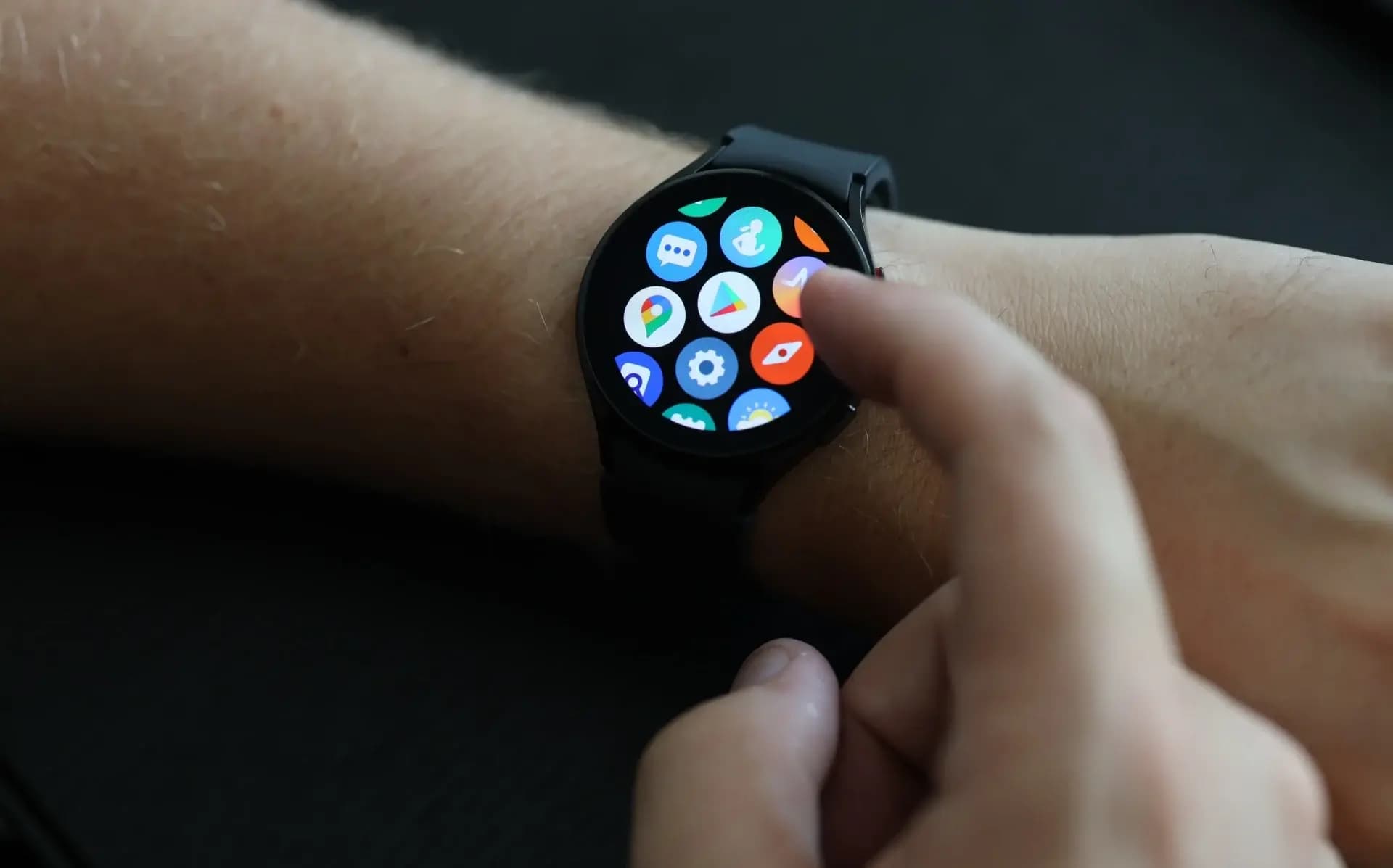
A display problem that has already plagued several smartphone brands now appears to be showing up on Samsung’s Galaxy smartwatches too. Reports of a Galaxy Watch 4 green line defect have surfaced online, raising fresh concerns about AMOLED reliability across Samsung’s wearable lineup. Reddit Reports Detail the Defect A Reddit user named HKNworld posted photos […]
Comments & Discussions
Join the conversation! We use Disqus to handle comments. Click the button below to load the comment section.