How to customize your home screen: a step-by-step guide for Android and iOS

The home screen of your smartphone serves as the entryway to your digital life, and you may personalize it to improve its usability, functionality, and aesthetic appeal. This article explains how to customize your home screen for a genuinely one-of-a-kind experience, from altering the background to adding widgets and arranging apps.
Change wallpaper
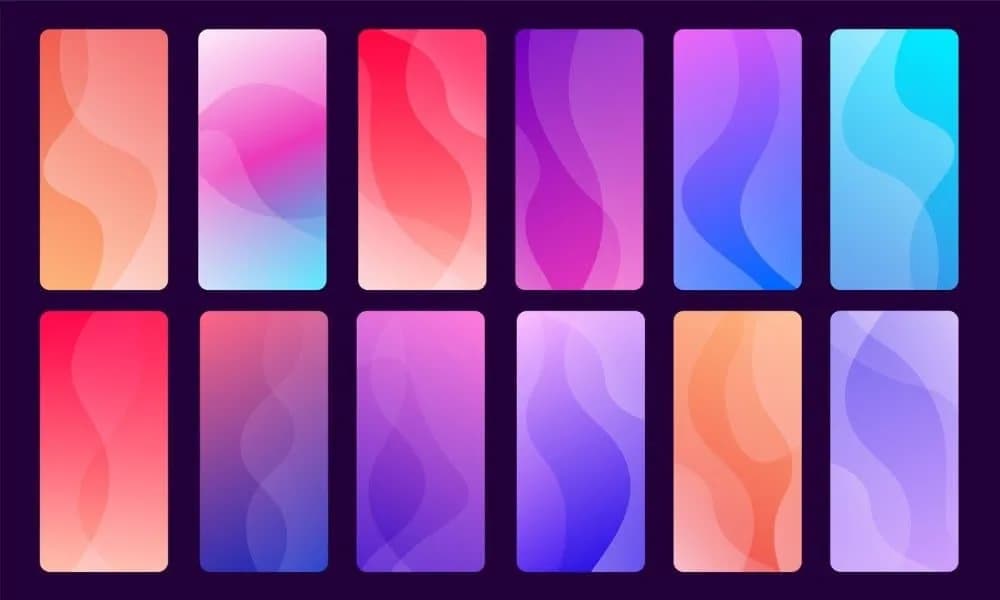
The aesthetic tone of your smartphone is established by your wallpaper. Changing your wallpaper is easy, regardless of your preference for abstract art, beautiful landscapes, or intimate portraits.
On Android:
- Long-press an empty space on the home screen.
- Select Wallpaper or Wallpaper & style from the pop-up menu.
- Choose a pre-installed wallpaper or select an image from your gallery.
- Adjust the image as needed and tap Set wallpaper.
- Decide whether to apply it to the Home screen, Lock screen, or both

On iOS:
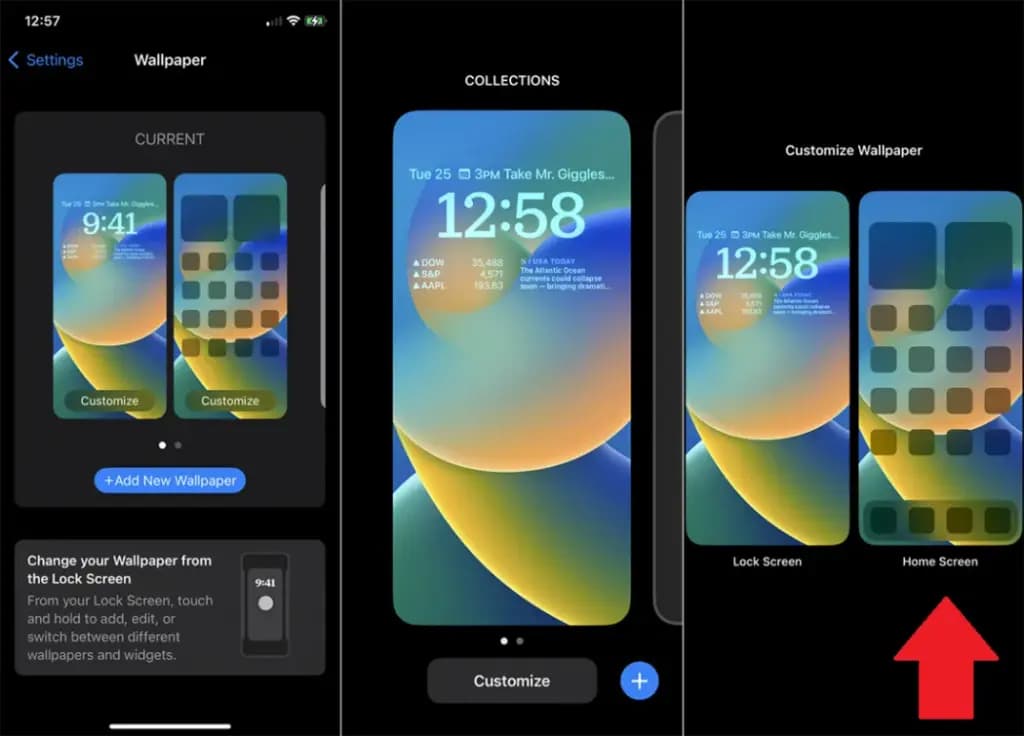
- Open Settings > Wallpaper > Choose a New Wallpaper.
- Select an image from Apple’s preloaded options or your photo library.
- Adjust and tap Set to apply it to the Home screen, Lock screen, or both9

Add widgets for quick access
Without opening apps, widgets offer functionality and information at a glance.
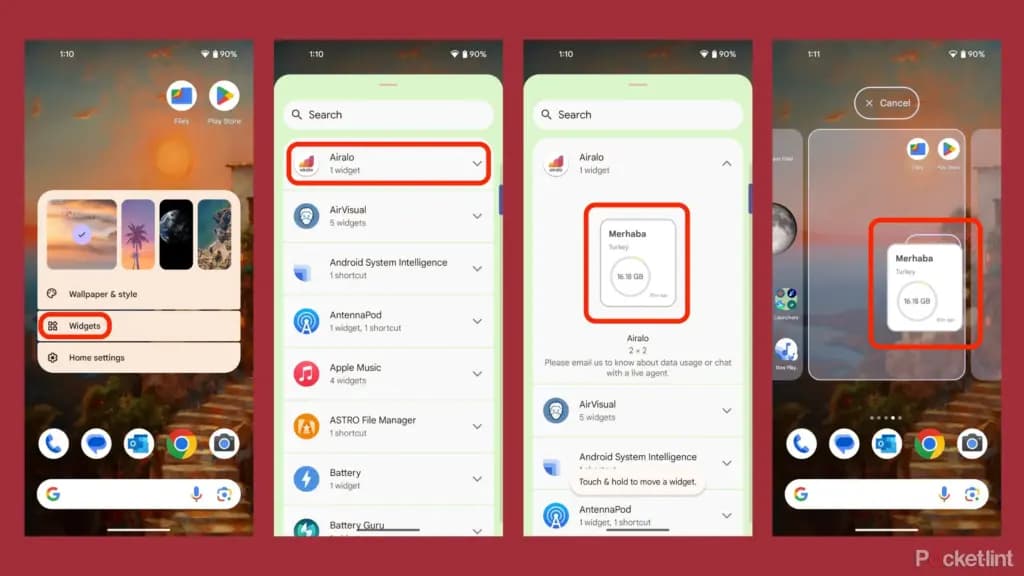
On Android:
- Long-press an empty area on the home screen and tap Widgets.
- Browse through available widgets (e.g., clock, weather, calendar).
- Select a widget and drag it to your desired location on the screen.

On iOS:
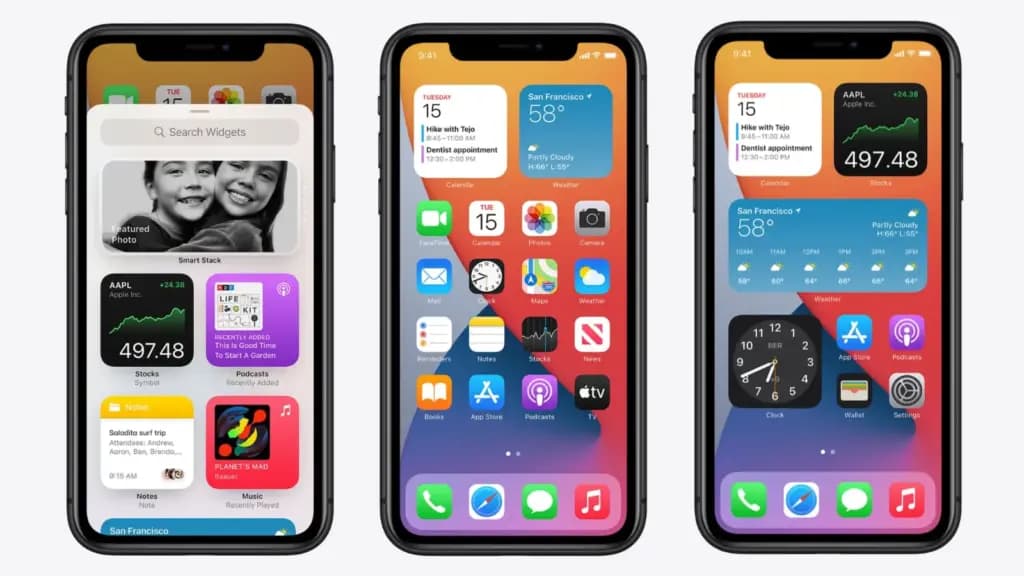
- Touch and hold the Home Screen background until apps jiggle.
- Tap the “+” icon in the upper-left corner.
- Choose a widget from the list and select its size (small, medium, large).
- Tap Add Widget, then drag it into place

Organize apps
A clutter-free home screen improves usability and makes navigation faster.
Create Folders:
- Drag one app icon onto another to create a folder.
- Add more apps by dragging them into the folder.
- Rename folders by tapping on them and selecting the name field.
Arrange Apps:
- Move frequently used apps to the first page of your home screen for quick access.
- Drag icons to different pages or positions by holding and moving them.
Advanced Organization Tips:
- Use themed rows (e.g., “Work,” “Social,” “Entertainment”).
- Sort apps by frequency of use or color coding for visual appeal.
Use customization apps
Download specialized home screen customization programs like WidgetClub or Nova Launcher for more sophisticated customization choices including unique icons, fonts, and themes.
Benefits:
- Access all-in-one themes that include wallpapers, widgets, and icons.
- Customize grid layouts for app placement flexibility

Samsung Galaxy Watch 8

Google Pixel 9
Comments & Discussions
Join the conversation! We use Disqus to handle comments. Click the button below to load the comment section.
Keep Reading
Six days after Android 17’s stable rollout began on June 16, a growing number of Pixel owners are dealing with a touchscreen bug that makes their devices genuinely unreliable. Swipes invert direction, taps either fail to register or fire multiple times, and screens go briefly unresponsive before recovering. Google has confirmed the bug and says […]

Motorola Quick Launch lets users double-tap the back of the phone to trigger a custom action without touching the screen. According to AT&T’s support documentation for the Razr+ 2025, when Quick Launch is enabled, that double-tap can perform actions like taking a screenshot or returning to the home screen. That specific wording — “certain options […]

If a Samsung phone occasionally shows a small flashing dot – or several – on the display, the proximity sensor is almost certainly the cause. These dots typically appear near the top center of the screen and become most visible during phone calls, when the under-display sensor is actively working. It’s worth distinguishing these from […]

Samsung builds the Galaxy Watch on the assumption that most people want some level of health and fitness tracking. That may be true for many users – but even if it describes you, there are several health settings running in the background that you might never actually check. If that data isn’t being used, there’s […]

Portable tech exists on a spectrum. A desktop setup stays home. A laptop travels. A phone handles the street-level stuff. And when even pulling out a phone to skip a song feels like too much effort, a smartwatch steps in. It’s the layer of tech that lives on your wrist, always available without the friction. […]

Before USB-C came along in 2014, smartphones relied on mini USB, micro USB, or Apple’s proprietary Lightning port. Android devices made the switch to USB-C early on — the Nokia N1 tablet was one of the first devices to feature the reversible connector — and Apple eventually followed suit, dropping Lightning with the iPhone 15 […]