Android 12 Developer Preview 1 is here, but it's not exactly easy to get. Because this first Android 12 version is meant for developers, Google isn't just making it an opt-in process like later beta versions will be. But, if you're willing to take the risk (and not get upset if and when things go ...
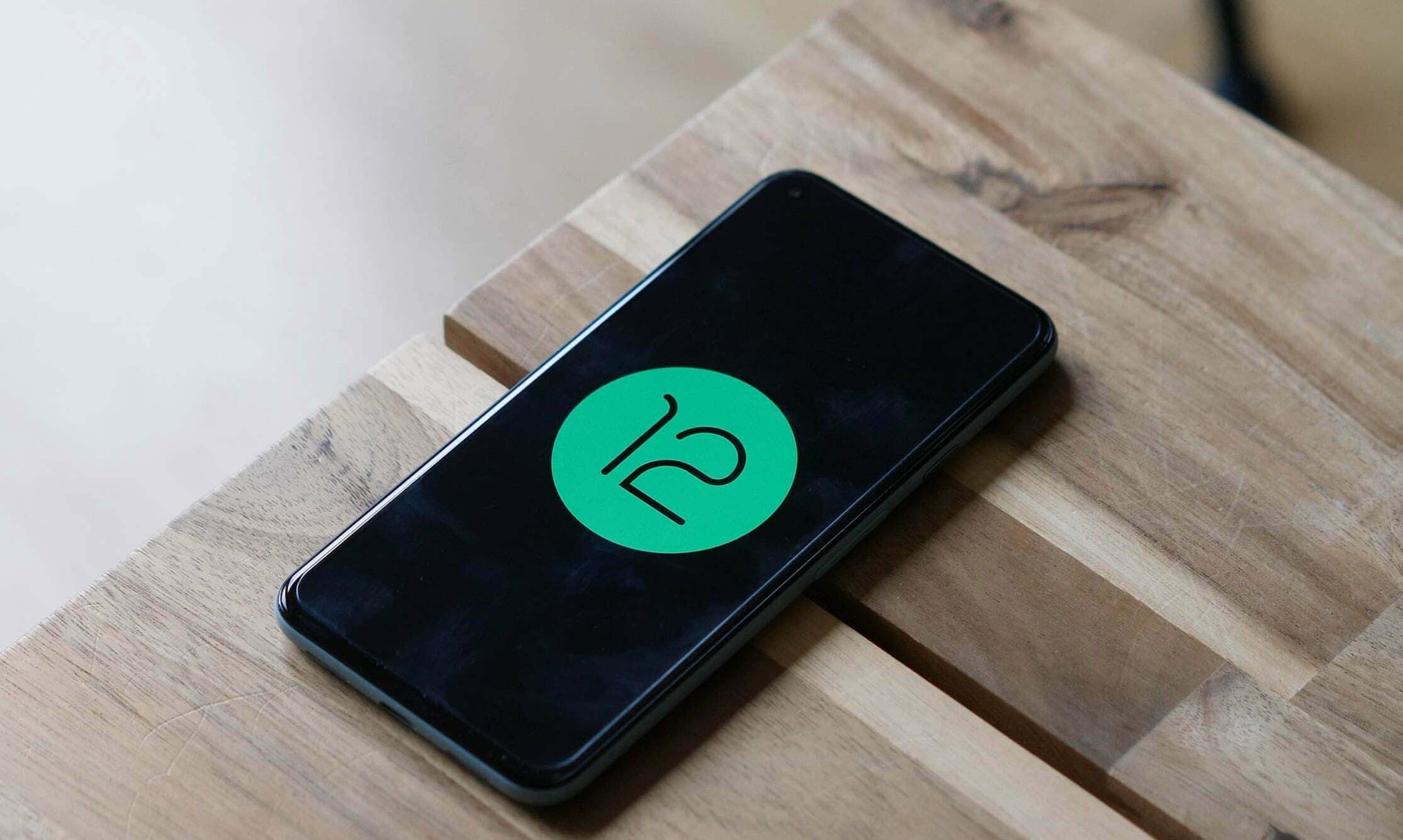
Android 12 Developer Preview 1 is here, but it’s not exactly easy to get. Because this first Android 12 version is meant for developers, Google isn’t just making it an opt-in process like later beta versions will be. But, if you’re willing to take the risk (and not get upset if and when things go wrong), here’s where to get it.
Google’s developer site has been updated today with a whole host of Android 12-related details, and among them are a pair of download pages for full factory images and sideloadable OTA files. In the future, installing Android 12 will be a snap: Just register for the Android Beta Program. But right now, that program is closed, so the only way to install this preview is manually by using those files.
Although you can unlock your bootloader and flash the complete factory picture, we don’t recommend it because it’s a hassle, potentially dangerous, can break SafetyNet attestation, and needs wiping your phone. Consider sideloading the OTA file for your computer instead, which does not require an unlocked bootloader and does not necessitate a scrub. However, if you aren’t prepared, you may need to do some preliminary work.
Google’s stock OTA images site has instructions for the process, and the same details apply to these preview releases.
If you are unfamiliar with the method, you can study a comprehensive walkthrough for your computer platform before attempting it on your own. Installing the required software and drivers is a simpler process on some operating systems than on others.
Prerequisites:
Google has made DP1 available with the Android Flash Tool, which makes the process pretty simple and linear, with no tools to install. Just fire up the site at the link below, plug in, and follow the instructions:
This is our recommended route. However, as a backup, you can also install it manually.

Once you have the preview installed, future Android 12 updates and releases will be delivered like any other normal system update, without requiring that you hit all these steps again, and your phone will automatically end up in the beta track later.
Google Pixel 11 Pro

Robert Haba is the founder and editor-in-chief of Droid Tools. A lifelong gadget enthusiast with over a decade following the Android ecosystem, he built this publication to cut through the noise and give readers honest, real-world coverage of the tech they actually use.

Google phone number verification reportedly links saved phone numbers across all signed-in Google accounts on an Android device without prompts.

Leaked Android code shows Google may bring cloud-rendered animated video wallpapers to Pixel devices, though official launch plans remain unannounced.

Early reports show isolated One UI 9 battery drain on the Galaxy S24 Ultra, though most users appear unaffected following the October update.
Pixel notification badges may soon display unread counts, based on hidden settings uncovered in the Android 17 QPR3 Beta 2 release.
The next story loads as you reach the end. You can also load it using the button.


Comments & Discussions
Join the conversation! We use Disqus to handle comments. Click the button below to load the comment section.