




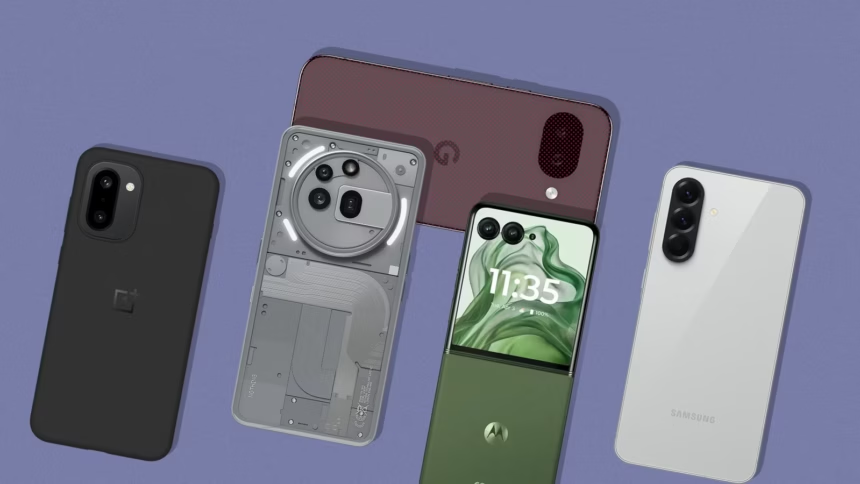
Google’s Pixel smartphones offer one of the cleanest Android experiences available. Current-gen models ship with the latest version of Android, get updates before anyone else, and enjoy seven years of software support — a level of longevity that makes them a genuine alternative to the iPhone, which similarly prioritizes long-term support. For a direct comparison with Apple’s best, the Pixel 10 Pro is the model to consider if you’re chasing an experience comparable to the iPhone 17 Pro.
That said, Google also plays in the budget space, and its answer to the sub-$500 market is the Pixel 10a. Powered by last year’s Tensor G4 SoC with 8GB of RAM and a capable dual-camera system on the back — as explored in a full review of the Pixel 10a — it’s a reasonable choice for cost-conscious shoppers. But it does make compromises to hit that price, and raw performance is one of the more noticeable ones. There are several compelling alternatives that outpace it in that department. Five of them are highlighted below. A few of these picks aren’t officially sold in the U.S., and while importing through trusted channels is an option, carrier compatibility isn’t guaranteed.
Samsung Galaxy S25 FE
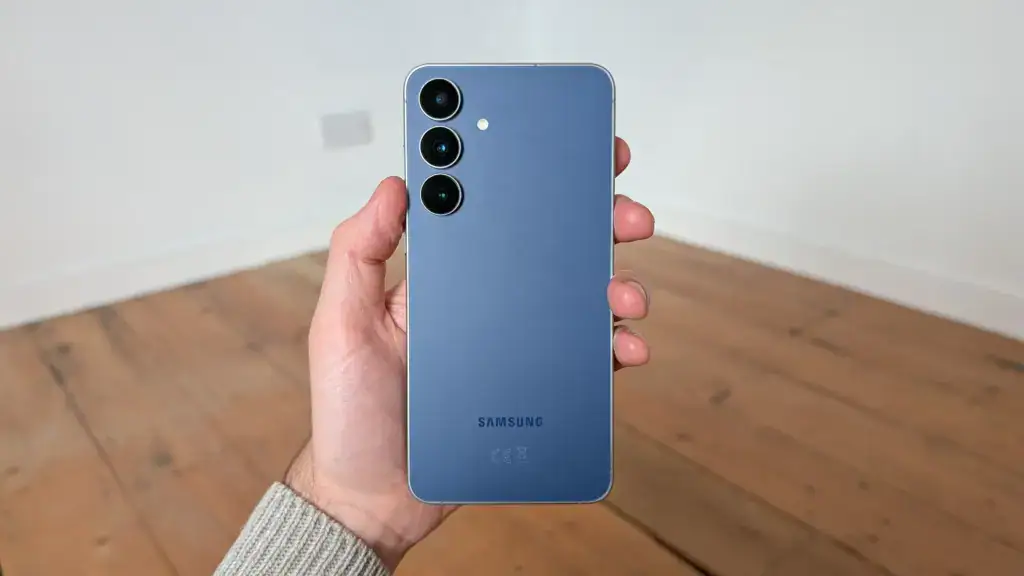
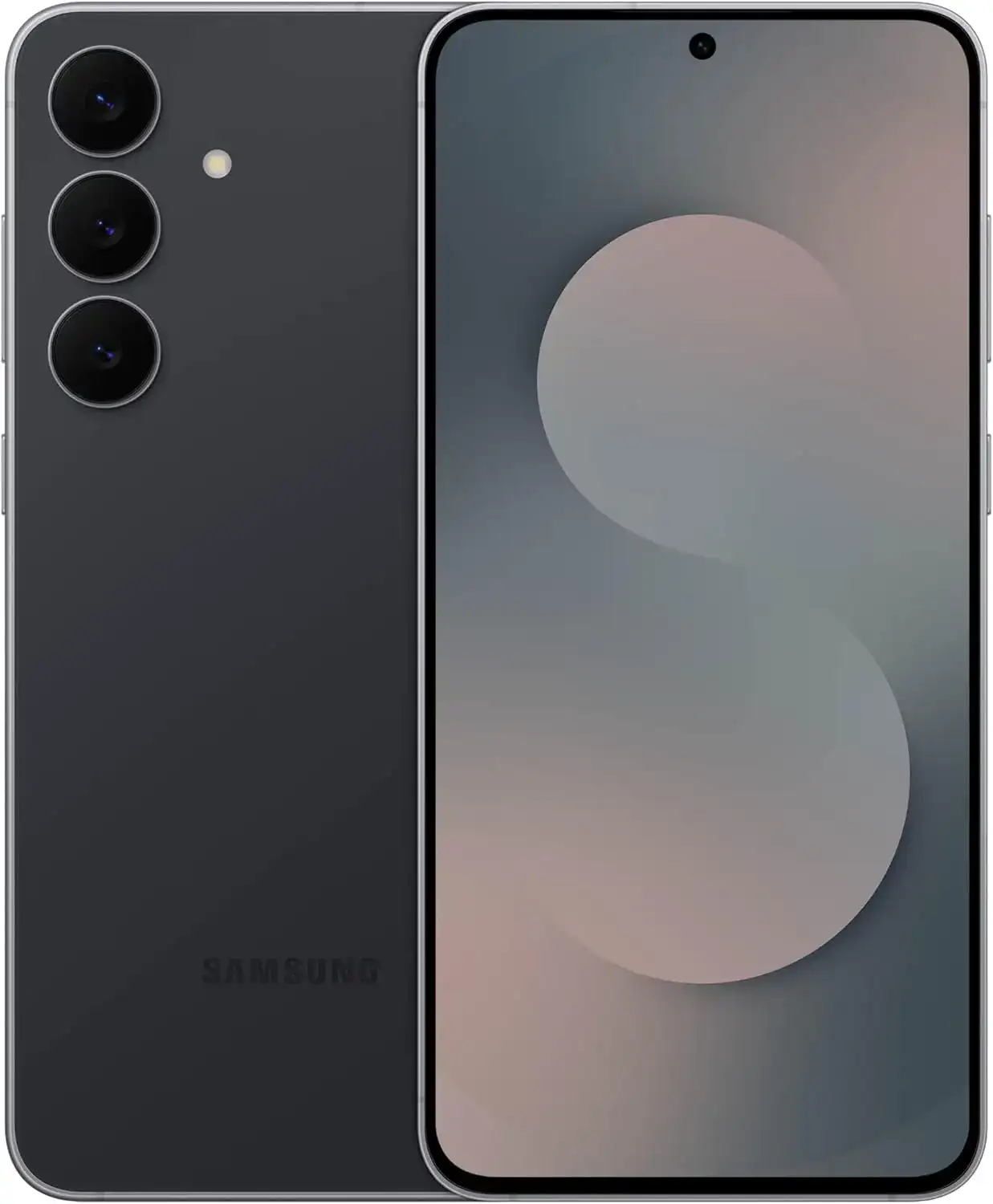
Samsung Galaxy S25 FE
Enjoy every scroll, swipe and stream on a stunning 6.7” wide display that’s as smooth for scrolling as it is immersive.
Samsung is the world’s largest Android manufacturer, and while the flagship Galaxy S series gets most of the spotlight, the company’s mid-range catalog is equally well-stocked. The Galaxy S25 FE sits in the upper mid-range tier, delivering a near-flagship experience by trimming a select few premium extras to land at a lower price point.
Under the hood is Samsung’s in-house Exynos 2400 SoC, which according to NanoReview offers noticeably better performance than the Tensor G4 inside the Pixel 10a. RAM is matched at 8GB, and the suite of AI features remains intact. One UI, which previously had a reputation for being bloated, has grown considerably leaner over the years and now runs without any real sluggishness. The display is a 6.7-inch LTPO AMOLED with a 120Hz refresh rate and up to 1,900 nits of peak brightness.
Samsung matches Google’s seven-year OS update promise on the S25 FE. The camera system includes a 50-megapixel wide, a 12-megapixel ultrawide, and an 8-megapixel 3x telephoto lens. Wired charging maxes out at 45W, which handles the 4,900mAh battery reasonably quickly. The base 128GB model retails at $650, though it can regularly be found under $600 through deals on Amazon and similar marketplaces.
OnePlus 15R
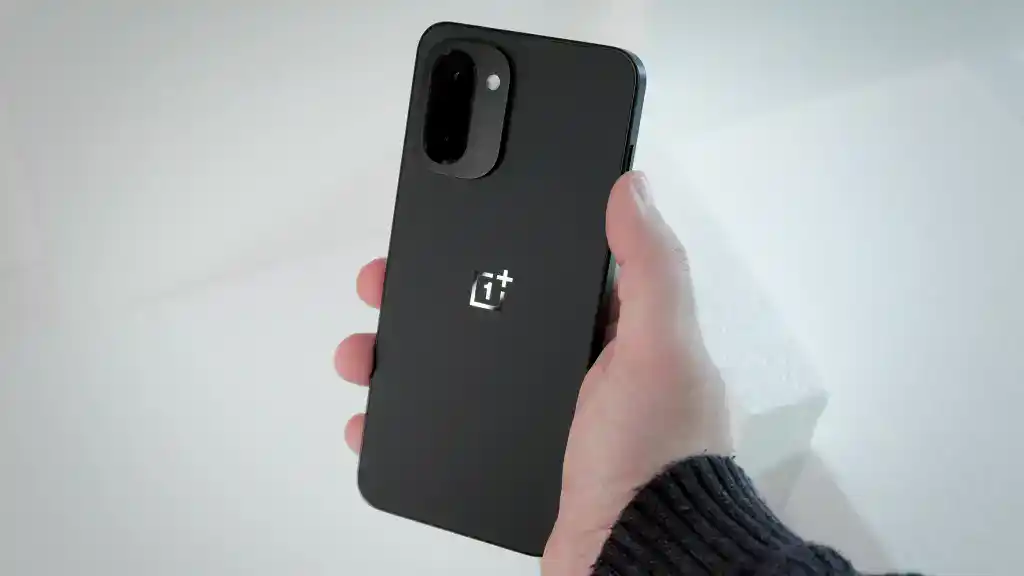
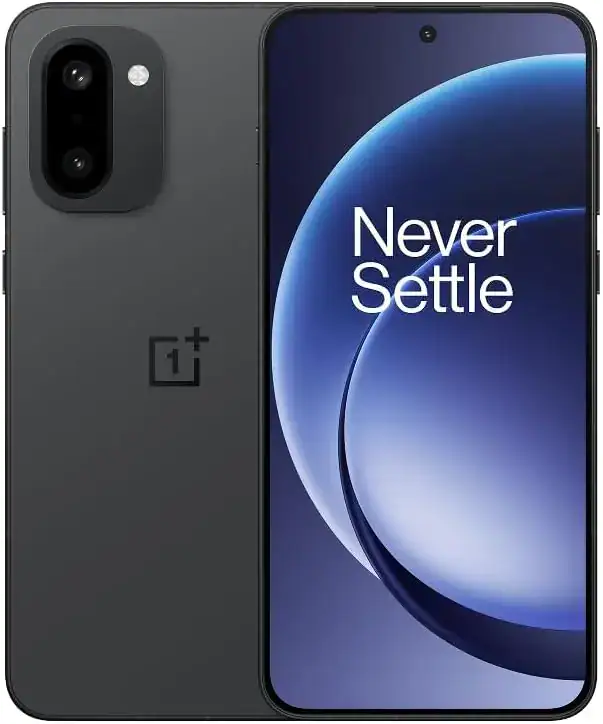
OnePlus 15R
Powered by the Snapdragon 8 Gen 5, plus a custom Wi-Fi chip and dedicated Touch Response chip, you get lightning-fast speeds, stable connections, and ultra-responsive touch control.
At $700, the OnePlus 15R costs more than the 256GB Pixel 10a — but considering what it delivers, that $100 premium is hard to argue with. The phone runs on the Snapdragon 8 Gen 5, which sits just below the 8 Elite Gen 5 in Qualcomm’s hierarchy and comfortably outpaces the Tensor G4, a chip that was already trailing the competition at launch. The performance gap here is substantial.


RAM steps up to 12GB, which keeps more apps active in the background and handles AI-driven tasks more effectively over time. The screen is a 6.83-inch AMOLED panel with up to 165Hz in supported games and a peak brightness of 3,600 nits in HDR scenarios. Slimmer bezels and a smaller hole-punch cutout make for a noticeably better multimedia display than the Pixel 10a.
Battery life is where the OnePlus 15R really pulls ahead. Its 7,400mAh cell offers roughly 50% more capacity than mainstream flagships, and the review of the OnePlus 15R confirmed the exceptional endurance that capacity suggests. Charging tops out at 80W with the included adapter, so refueling is fast when needed.
OnePlus Nord 6
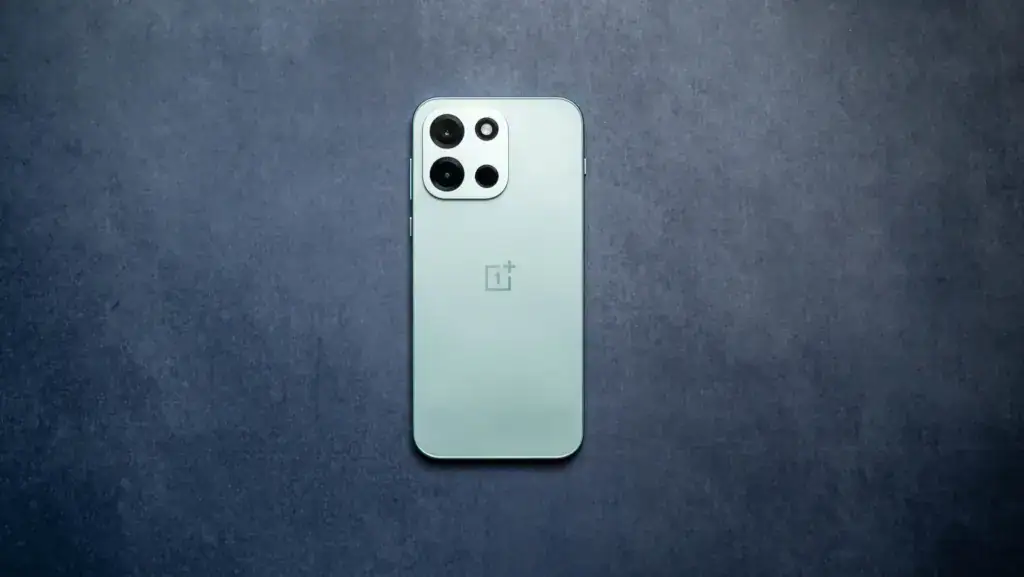
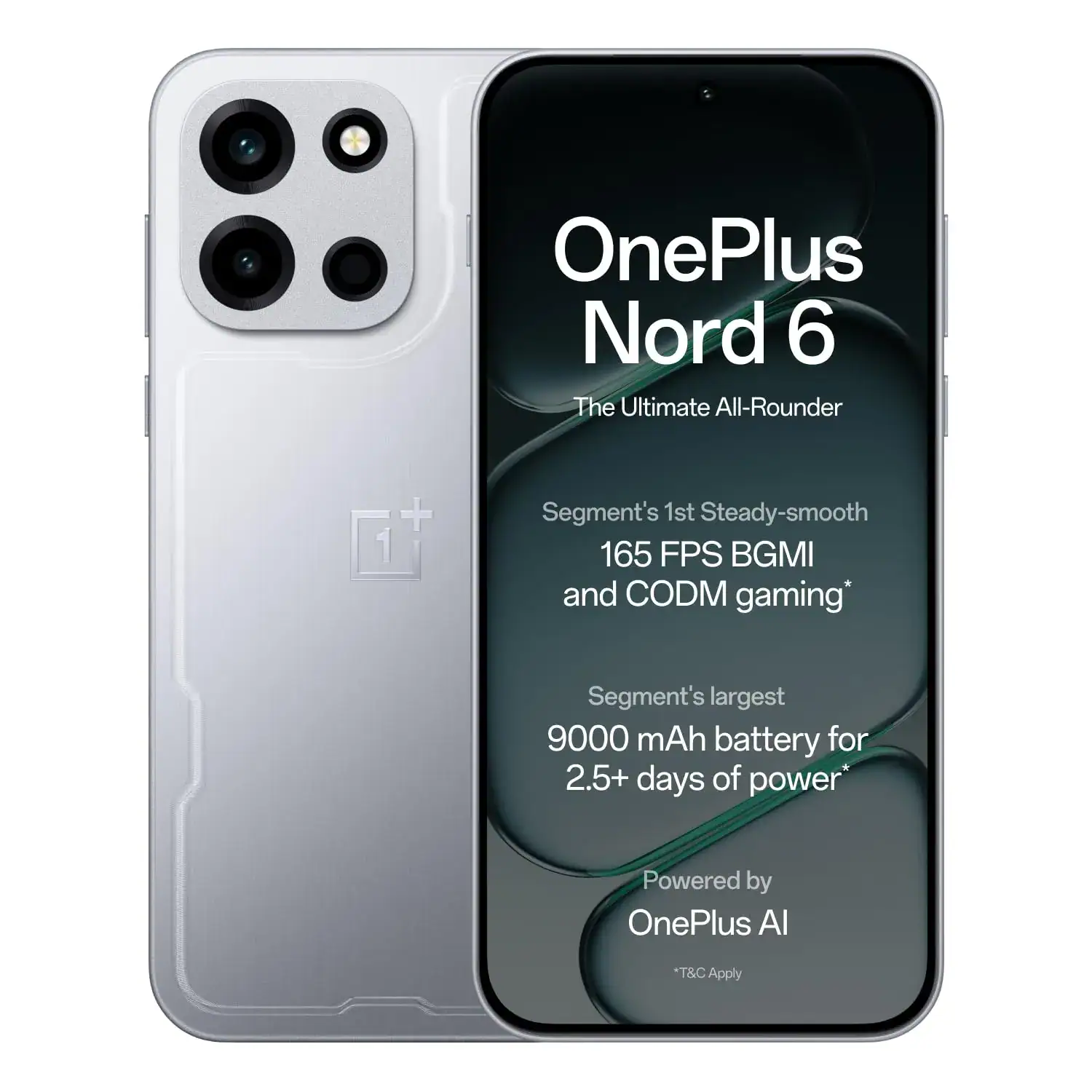
OnePlus Nord 6
Flagship Performance with Snapdragon 8s Gen 4/: Couple this with the latest LPDDR5X RAM and UFS 4.1 ROM storage, Nord 6 is engineered to outperform nearly every flagship, allowing unprecedented ‘Gaming PC-level’ 165 FPS BGMI, CODM and Free Fire MAX steady-smooth gaming, and relentless everyday speed for the next 6 years.
Despite recent speculation about market exits and a potential global pullback, OnePlus has continued shipping competitive hardware. The Nord 6 is the latest from the brand’s budget-focused lineup, and it brings serious performance for the price. The Snapdragon 8s Gen 4 SoC comfortably outperforms the Tensor G4 across the board, and configurations go up to 12GB of RAM with 256GB of UFS 4.1 storage.
Gaming is clearly a core target for the Nord 6. Its 6.78-inch AMOLED display supports refresh rates up to 165Hz in compatible titles — similar to what the OnePlus 15 offers — and a 3,840Hz touch sampling rate makes on-screen input feel exceptionally sharp. The dual rear camera covers wide and ultrawide angles, but the real talking point is the 9,000mAh silicon carbon battery with 80W wired charging support, which is a remarkable combination at this price.
OxygenOS handles the software side, with OnePlus committing to four years of OS updates. Pricing converts to roughly $415 for the 8GB RAM variant. The catch: the Nord 6 is an India-exclusive. In China, the same device is sold under the OnePlus Turbo 6 name. U.S. buyers would need to import it, with carrier compatibility being a potential sticking point.
RedMagic 11 Air
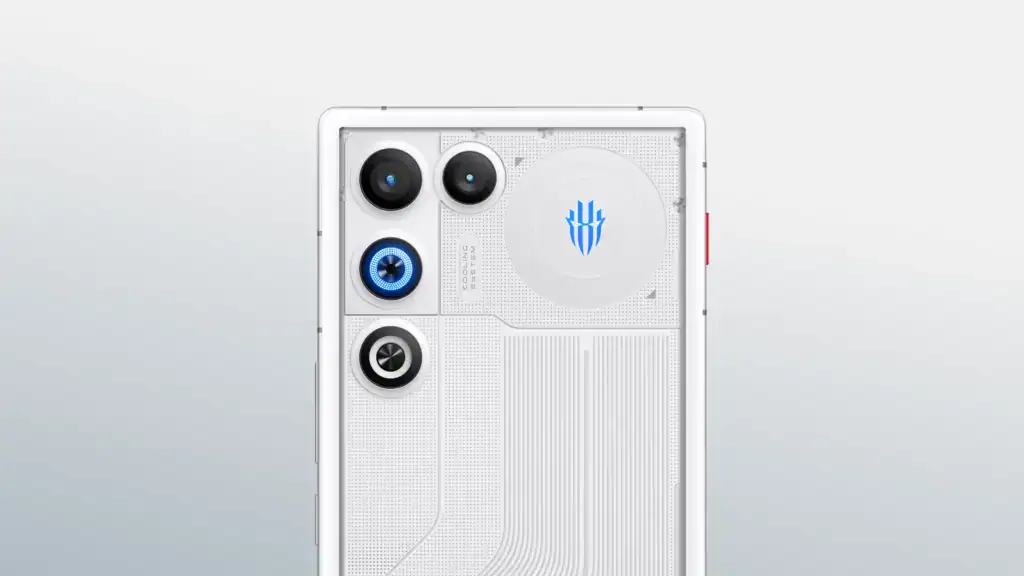
For those specifically after a gaming phone that’s actually available in the U.S., RedMagic is the go-to. The RedMagic 11 Air matches the Pixel 10a’s $500 price tag but packs considerably more horsepower. The Snapdragon 8 Elite SoC powering it is, on paper, more than twice as fast as the Tensor G4. Even as a generation-old chip at this point, it handles any modern mobile title at maxed settings with high frame rates without breaking a sweat.
A few hardware touches set it apart from the standard mid-range crowd. Capacitive shoulder triggers on the frame offer additional physical controls in supported games. The 6.8-inch 144Hz AMOLED display is completely notch-free, providing an uninterrupted viewing surface — a trade-off that costs the phone a front camera, which may or may not matter depending on priorities. Active cooling via a built-in fan and vapor chamber keeps thermals in check during extended sessions.
RAM comes in at 12GB, and storage doubles what the Pixel 10a offers in its base configuration. The 7,000mAh silicon carbon battery earned a multi-day usage assessment from TechRadar’s review under moderate conditions, and an 80W adapter is included in the box. An 80W adapter is also included. Stepping up to 16GB of RAM and 512GB of storage adds just $100 to the asking price, and the RedMagic 11 Air’s distinctive design language makes it one of the more visually interesting options on this list.
Poco X7 Pro
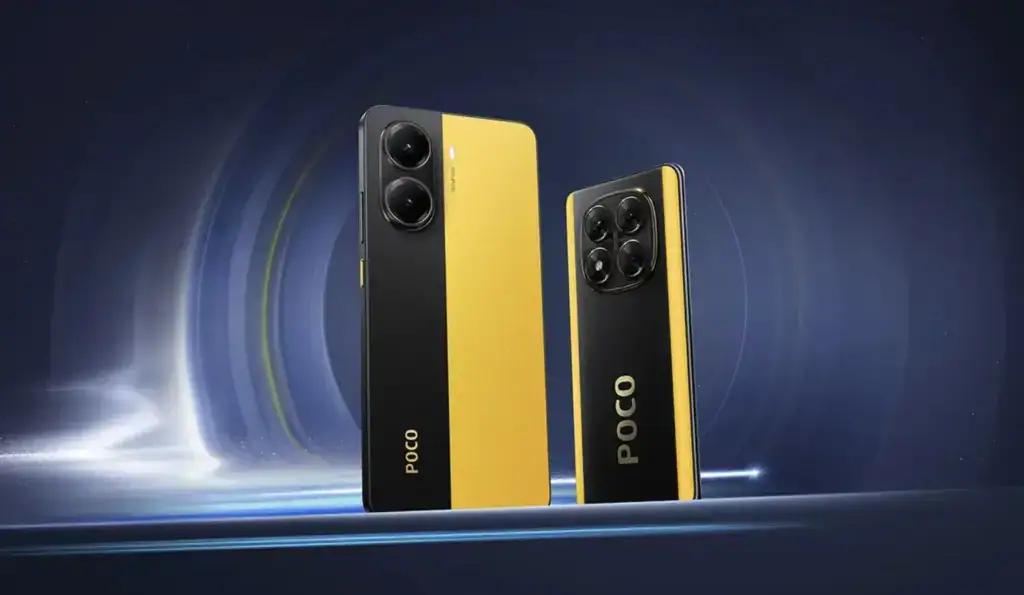
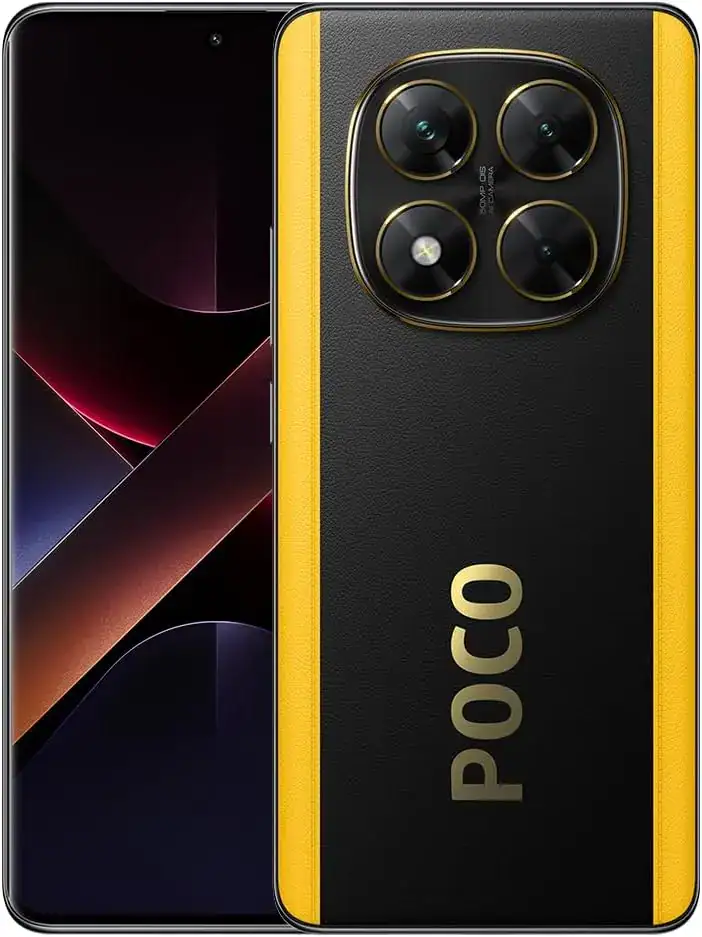
Poco X7
Full speed ahead
Powerful Dimensity 7300-Ultra
CrystalRes 1.5K 120Hz AMOLED curved display
50MP main camera with OIS
IP68 dust and water resistance
5110mAh (typ) large battery
Xiaomi has built a reputation for delivering strong value in the flagship space, and its Poco sub-brand attacks the mid-range segment with the same aggression. The Poco X7 Pro is a gaming-focused device powered by the MediaTek Dimensity 8400 Ultra SoC, posting AnTuTu benchmark scores roughly 40% higher than the Tensor G4.
The display is a 6.67-inch AMOLED panel with a 120Hz refresh rate and an impressive 1,920Hz touch sampling rate. Camera hardware consists of a 50-megapixel wide and an 8-megapixel ultrawide – GSMArena described the imaging output as “mostly mediocre,” though the same review awarded the phone 4.2 stars overall and called it the most powerful device in its price category. The global variant carries a 6,000mAh silicon carbon battery with 90W wired charging.
Software is HyperOS, Xiaomi’s customized take on Android 15, with at least three major OS updates and four years of security patches promised. At $410, the phone ships with 12GB of RAM and 256GB of storage. While Xiaomi’s retail presence in the U.S. is limited, the Poco X7 Pro is available through Amazon. Carrier support exists for select networks, but verifying band compatibility with a specific provider before purchasing is strongly recommended.