





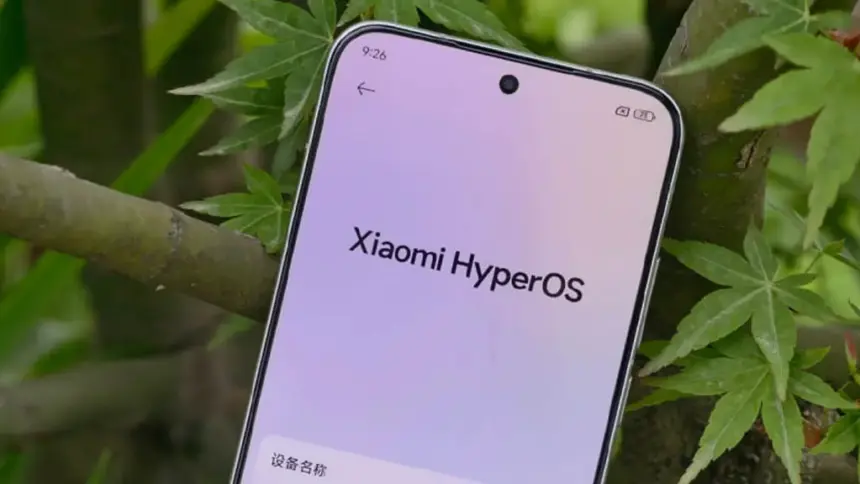
The long-awaited Android 16 phase has now officially started for Xiaomi’s flagship family. Today, the stable Xiaomi HyperOS 3.1 update began rolling out to Xiaomi 15 users in the European Economic Area (EEA). This major release is an important step in Xiaomi’s software progress, moving beyond earlier beta builds and delivering a fully public, stable version directly through the Updater app.
System Architecture & New Features
This update brings a major refresh to the system interface, the underlying code structure, and the company’s cross-platform ecosystem features. Here is the technical breakdown of the main additions in HyperOS 3.1:
- Advanced Hyper Island System: The dynamic notification and system status area has been noticeably refined, with smoother animations and richer, more interactive live activities around the camera cutout.
- Enhanced iOS Connectivity: Xiaomi has significantly improved its cross-platform workflow, making it easier to share files, sync clipboards, and interact between the Xiaomi 15 and Apple’s iOS ecosystem.
- iOS-Style Stacked Recent Apps: The multitasking menu has been redesigned with a stacked, card-based layout similar to iOS, making background app navigation quicker and the visual presentation more intuitive.
- Rust-Based System Applications: In a major move toward security and memory safety, several core system applications have been rewritten entirely in the Rust programming language, cutting system overhead and reducing the risk of memory leak vulnerabilities.
Update Details
Device Name: Xiaomi 15
Device Codename: dada
Target Region: EEA (Europe)
OS Version: OS3.0.301.0.WOCEUXM
Android Version: Android 16
Release Type: Stable (Publicly available via the system Updater)
For everyday users, the move to Android 16 and HyperOS 3.1 should make the phone feel noticeably smoother and more responsive. The Rust-based system apps help memory allocation work more efficiently, which should reduce the chances of the UI dropping frames during heavy multitasking.
The upgraded iOS connectivity is also likely to be especially useful for users working across mixed-device setups. It removes much of the friction involved in moving media or documents between a Xiaomi flagship and an iPad or Mac, which should make day-to-day file sharing feel far less tedious.