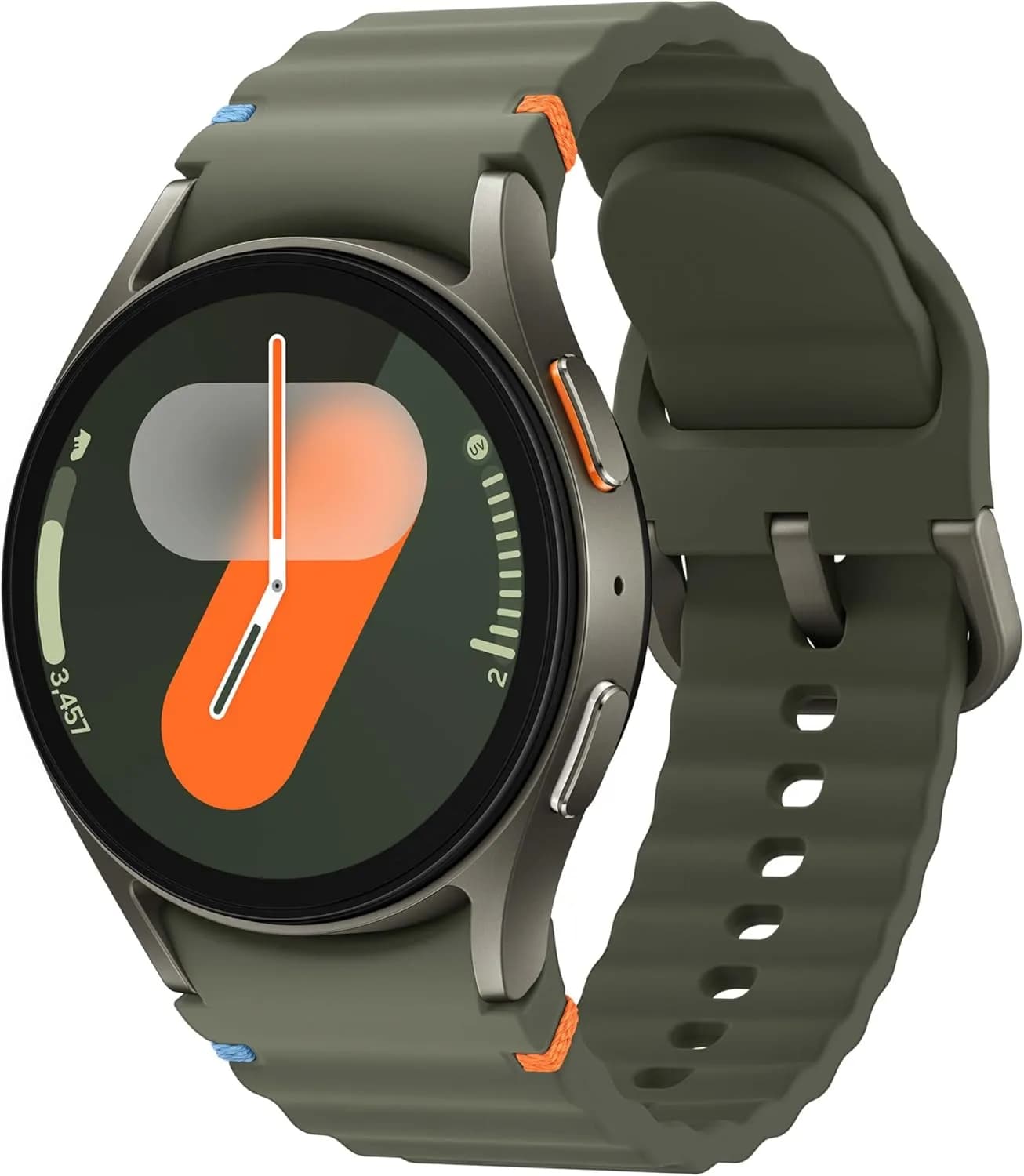
A Samsung patent titled 'Method and system for estimation of abdominal fat' describes using ultra-wideband radar and bioelectrical impedance data to measure visceral fat. While existing Galaxy Watches track standard subcutaneous body fat, Samsung could potentially integrate this radar system into future wearables to measure deeper abdominal fat.

A new Samsung patent filing suggests that the company could introduce visceral body fat tracking on its wearables. The application outlines a method to estimate deep abdominal fat by combining ultra-wideband (UWB) radar with Bioelectrical Impedance (BIA) data and basic metrics. While Samsung smartwatches currently track standard body fat, deep body fat tracking remains an unmastered area for the lineup. The patent does not specify a target device, but future Galaxy Watch models are considered the primary candidate.
The filing is titled “Method and system for estimation of abdominal fat.” According to the patent description, “the technical result is reduced complexity and increased accuracy and speed of estimation of the abdominal subcutaneous fat area and the abdominal visceral fat area with portable devices.” Samsung wearables have measured body fat since the release of the Galaxy Watch 4 in 2021. Those devices use BIA sensors to track patterns and changes in body fat percentage, skeletal mass, BMI, and other metrics.

Visceral fat differs from standard subcutaneous body fat, which sits directly beneath the skin. Visceral fat sits much deeper, primarily around internal organs, and can only be read with the help of clinical technology such as MRI and CT scans. Visceral fat is also much more difficult to burn than regular body fat. Smart scales can provide estimated visceral fat readings, but those measurements can come with inaccuracies. If Samsung implements this technology, it could become one of the first consumer tech companies to embed a capability into a wearable that has historically been controlled by medical professionals.
Under the patented system, a UWB radar emits radiation into the abdominal region and measures reflected signals. The system combines these reflected signals with Bioelectrical Impedance (BIA) data and basic metrics, including weight, height, age, and gender, to generate a reading.
The patent does not mention which device Samsung plans to use to introduce visceral fat tracking, though the Galaxy Watch is the safest bet because it already includes BIA sensors. To implement this capability, Samsung would need to integrate a UWB sensor into the wearable. Whether the company intends to include such hardware on a future device like the Galaxy Watch 10 remains speculation.

Luiza Mosneagu is Reviews Editor at Droid Tools. A psychologist by training and tech writer by passion, she has tested over 60 Android devices since 2020 - always for a minimum of two weeks before writing a word. Her focus is camera quality, everyday usability, and cutting through marketing claims to tell you what a device is actually like to live with.

Huawei revealed details for the Sense G1 continuous glucose monitor ahead of its expected debut alongside the MateBook Fold S and Mate X8 foldable.
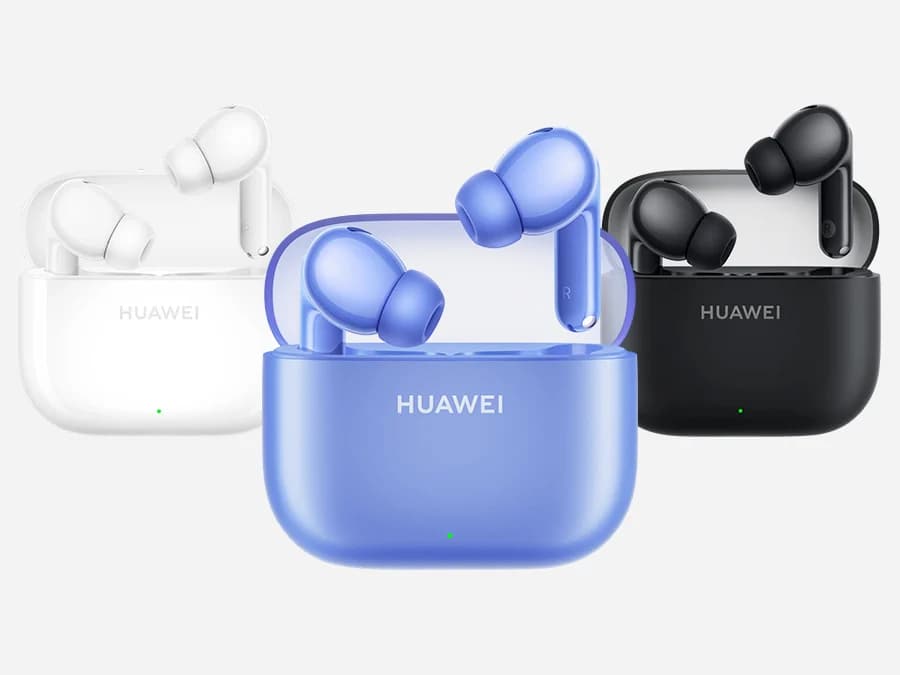
The Huawei FreeBuds SE 5 Max arrives in Malaysia with up to 80 hours of battery life, 52dB active noise cancellation, and Bluetooth 6.0 at RM 159.
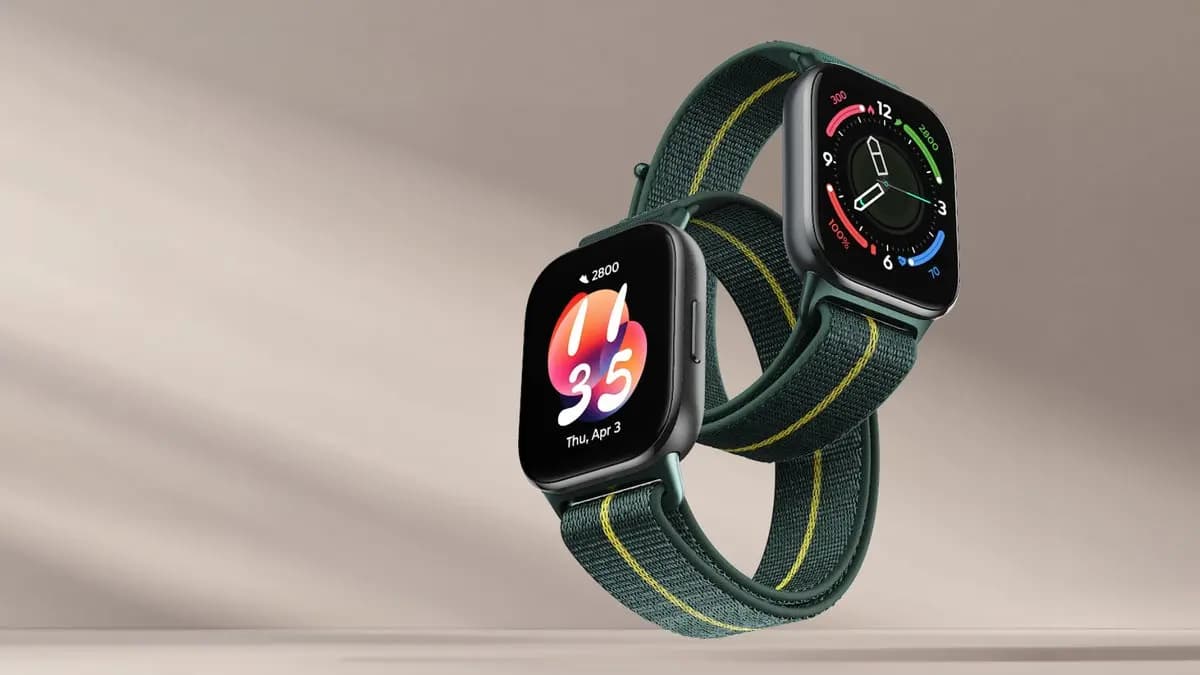
Motorola introduced the Moto Watch 2 Fit with Polar tracking and Moto Buds 2 Ultra with Bose audio, arriving in multiple regions starting at €119.

Samsung has started rolling out the stable One UI 9 Watch update to the Galaxy Watch 8 and Galaxy Watch 8 Classic with new firmware builds.
The next story loads as you reach the end. You can also load it using the button.


Comments & Discussions
Join the conversation! We use Disqus to handle comments. Click the button below to load the comment section.