Samsung's first AI glasses are now a step closer to reaching store shelves. According to The Korea Herald, a Samsung official has confirmed the company plans to launch its Intelligent Eyewear in November, though pricing remains unannounced. Digital Trends first saw the glasses at Google I/O in May, where Google showcased the Android XR platform ...

Samsung’s first AI glasses are now a step closer to reaching store shelves. According to The Korea Herald, a Samsung official has confirmed the company plans to launch its Intelligent Eyewear in November, though pricing remains unannounced.
Digital Trends first saw the glasses at Google I/O in May, where Google showcased the Android XR platform alongside its work with Samsung, Qualcomm, Gentle Monster, and Warby Parker. Samsung later offered a much closer look at the hardware during Galaxy Unpacked in July, but until now the company had only committed to a fall release window.
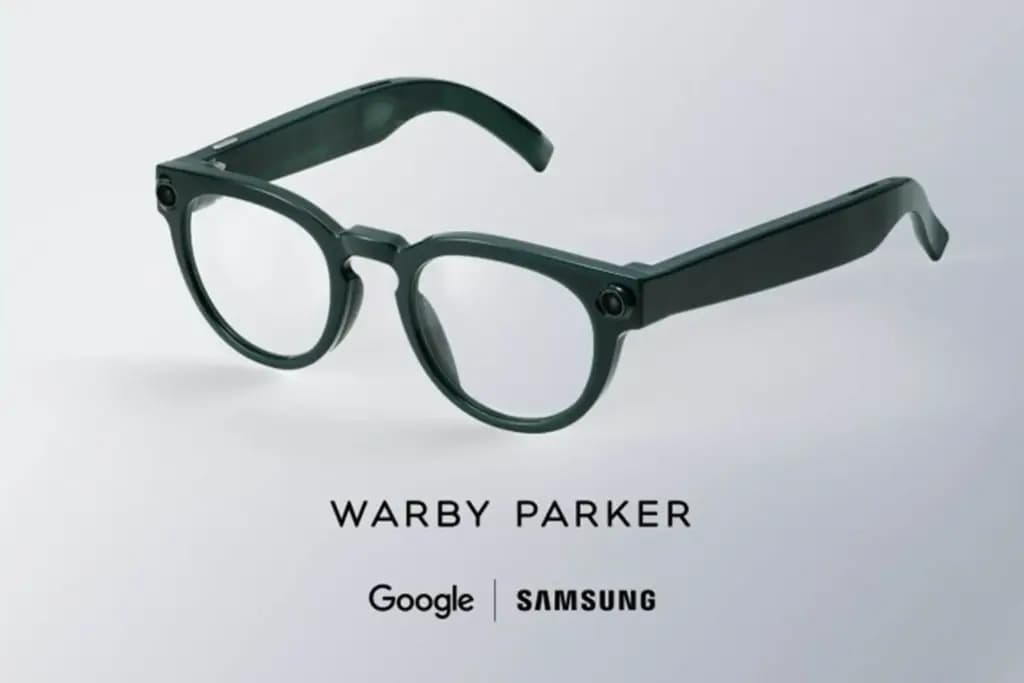
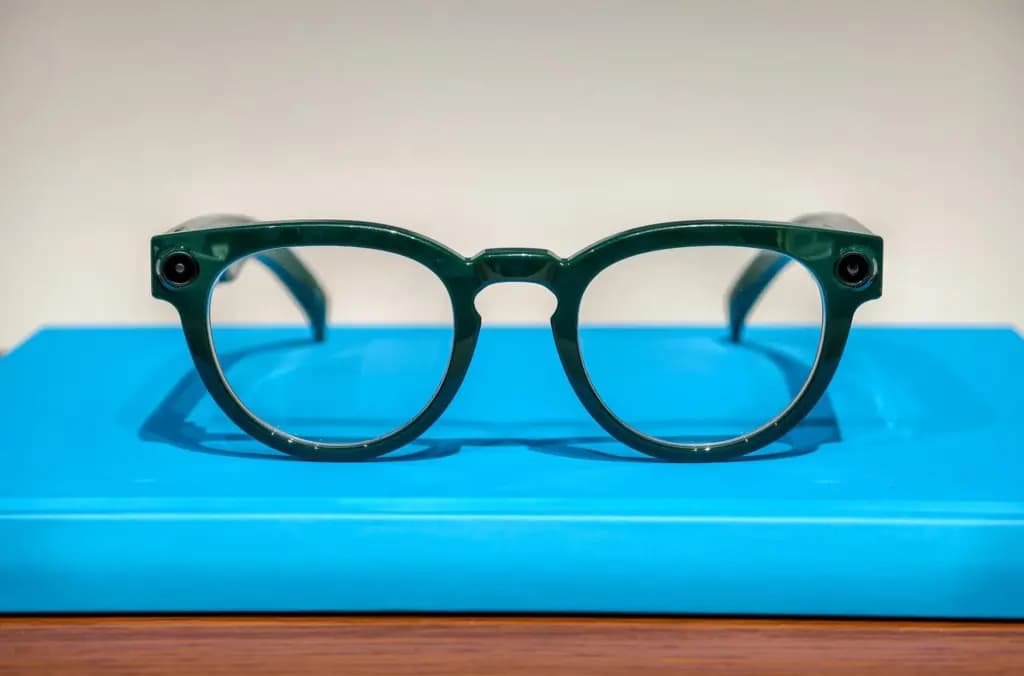
The first model skips a built-in display entirely. Cameras and microphones capture what’s happening around the wearer, while Gemini handles the AI processing through a connected Galaxy phone, with responses delivered through speakers built into the frame.
Gemini can answer questions about what the wearer is looking at, provide navigation help, translate conversations, summarize messages, and assist with calls. Samsung has also shown off Gentle Monster and Warby Parker frame designs. Weight is another part of Samsung’s pitch: the company has called the glasses lighter than most AI eyewear on the market, and Korean reports suggest they could undercut the 51-gram base Ray-Ban Meta model by up to 5 grams.
Camera-equipped smart glasses continue to make people uncomfortable. An iPhone app built to warn users when smart glasses may be nearby climbed to No. 3 on the U.S. paid App Store chart earlier this year, and a YouGov survey found that 54% of Americans consider filming and sharing strangers in public without consent usually or always unacceptable.

Even Meta has started exploring what AI glasses look like without a camera, recently introducing the Ray-Ban Meta Audio, which drops the camera entirely while keeping features like audio, calls, and AI assistance.
Samsung, by contrast, is keeping the camera and trying to address the privacy concerns with built-in safeguards. An external LED indicates when recording is active, and the camera can shut down if that light is obscured. Wear detection can also disable the camera once the glasses are removed. Meta has already adopted similar protections after people found ways to tamper with the recording light on its own camera-equipped glasses, while Apple has reportedly spent extra time refining its smart glasses partly out of similar privacy concerns.
Google Pixel 11 Pro

Robert Haba is the founder and editor-in-chief of Droid Tools. A lifelong gadget enthusiast with over a decade following the Android ecosystem, he built this publication to cut through the noise and give readers honest, real-world coverage of the tech they actually use.
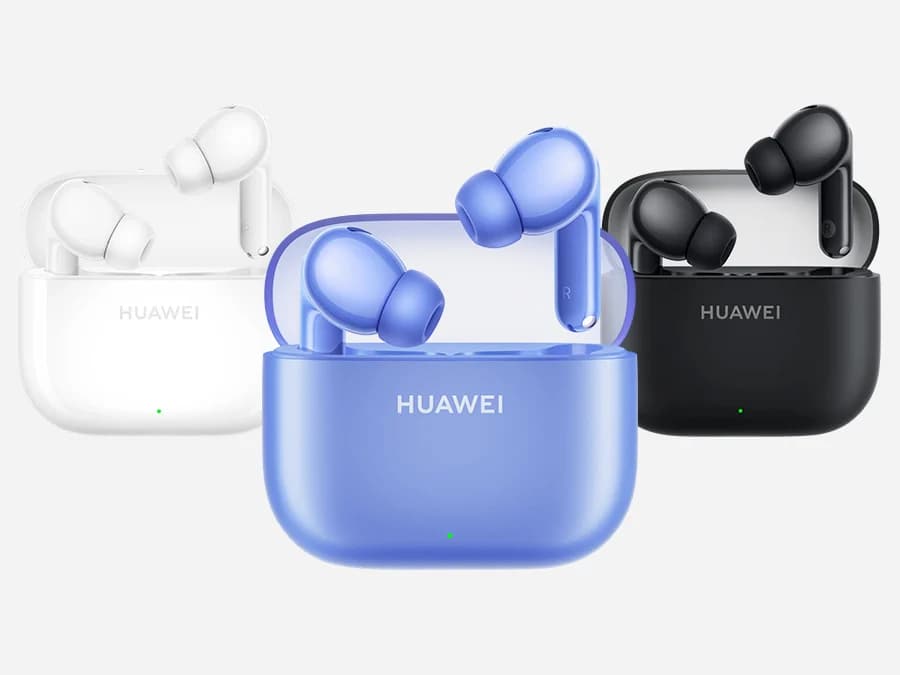
The Huawei FreeBuds SE 5 Max arrives in Malaysia with up to 80 hours of battery life, 52dB active noise cancellation, and Bluetooth 6.0 at RM 159.
Motorola introduced the Moto Watch 2 Fit with Polar tracking and Moto Buds 2 Ultra with Bose audio, arriving in multiple regions starting at €119.

Samsung has started rolling out the stable One UI 9 Watch update to the Galaxy Watch 8 and Galaxy Watch 8 Classic with new firmware builds.
A Galaxy Store app listing hints that the Samsung Galaxy Fit 4 may include NFC payments through Samsung Wallet, a feature rival trackers still lack.
The next story loads as you reach the end. You can also load it using the button.


Comments & Discussions
Join the conversation! We use Disqus to handle comments. Click the button below to load the comment section.