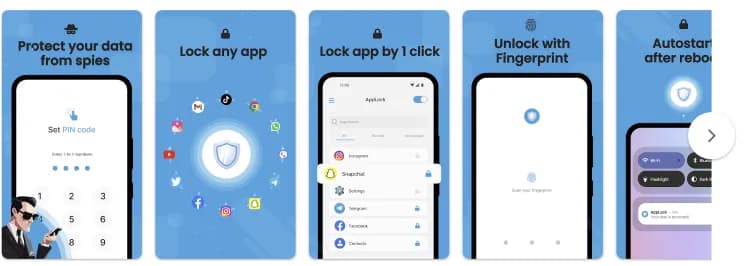

Want to lock apps without downloading extra software? Learn how to use built-in tools on Samsung, Xiaomi, OnePlus, and other Android phones to secure your apps with passwords or biometrics – no third-party apps required.
Your smartphone contains plenty of personal information, including images, bank accounts, social network profiles, and private messages. Locking specific apps provides an additional layer of security, particularly when sharing your device or preventing unintentional snooping.
Most people jump straight to third-party app lockers. But these:
That’s why using built-in features is often the smarter, safer move.
Samsung includes a powerful privacy tool called Secure Folder, protected by Samsung Knox.
Bonus Tip: You can also hide the Secure Folder icon from the app drawer to keep it totally invisible.
MIUI has a built-in App Lock feature that is super easy to set up.
This works for apps like WhatsApp, Facebook, Instagram, Gmail, and more.
OnePlus provides App Locker, a native feature that locks your apps and hides their notifications.
App Locker can even keep apps locked in the background, offering persistent protection.
These brands offer similar features under the Privacy menu.
You’ll be asked for verification each time the app is opened.
Huawei’s App Lock is baked into the EMUI interface.
This feature integrates well with fingerprint unlock, so you won’t have to type the password every time.
If your phone’s Android version or manufacturer doesn’t include app locking, here are a few alternatives:
If you go this route, always read reviews and limit permissions.
Locking apps without third-party apps is easier, more effective, and safer than you might expect. Whether you utilize Samsung’s Secure Folder, Xiaomi’s App Lock, or OnePlus’ App Locker, you can protect your important data with a few touches.
So, before you download another app, check your phone’s settings as you may already have all you need to keep your digital life private and secure.
Google Pixel Watch 5 (45mm)

Cristian Penisoara is a Guides Writer and Android specialist at Droid Tools. An Android user since version 2 and a professional event photographer, he combines technical curiosity with a detail-oriented approach - every guide he publishes is tested step-by-step on a real device before it goes live.

Quick Share for Windows transfers files from Android to your PC over Wi-Fi at rates up to 100MB/s, bypassing email and third-party cloud uploads.

Overnight charging exposes phone batteries to sustained high voltage and heat. Learn how Google Pixel and Samsung Galaxy settings stop cell degradation.
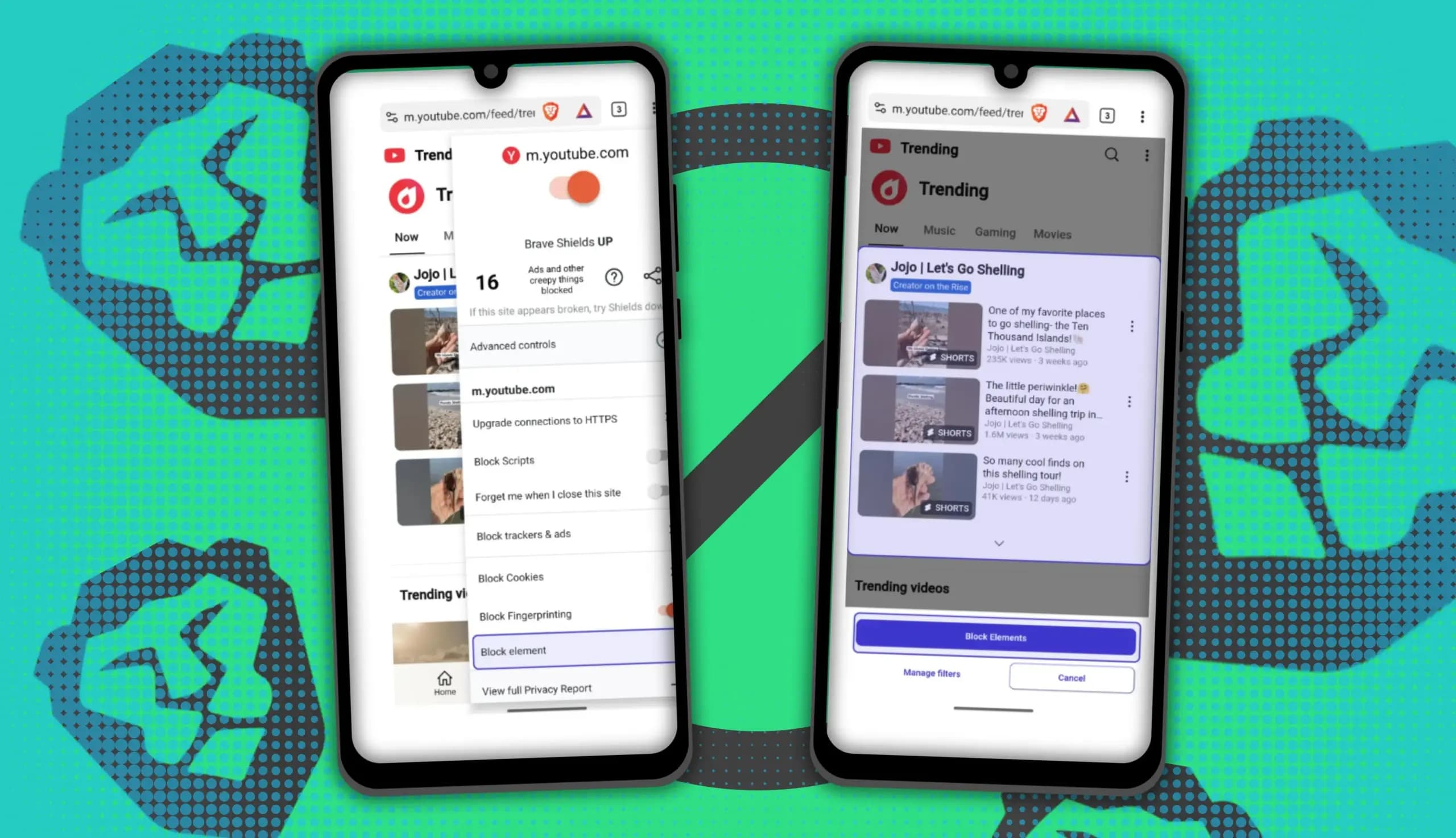
You can block ads on Android more effectively by pairing Brave’s Aggressive Shields setting with the system’s Private DNS feature. The setup filters ads at both the browser and system levels, takes only a few minutes to configure, and avoids the battery drain and VPN conflicts that come with dedicated ad-blocking apps. Why one ad […]

Behind a two-tap recharge sits a surprising amount of plumbing. Every prepaid network has its own rules about what can be topped up, in which denominations, and how quickly credit posts to a SIM. MobileTopUP hides that complexity behind a single form: pick a country, enter a number, choose an amount. What the coverage map actually covers […]
The next story loads as you reach the end. You can also load it using the button.


Comments & Discussions
Join the conversation! We use Disqus to handle comments. Click the button below to load the comment section.