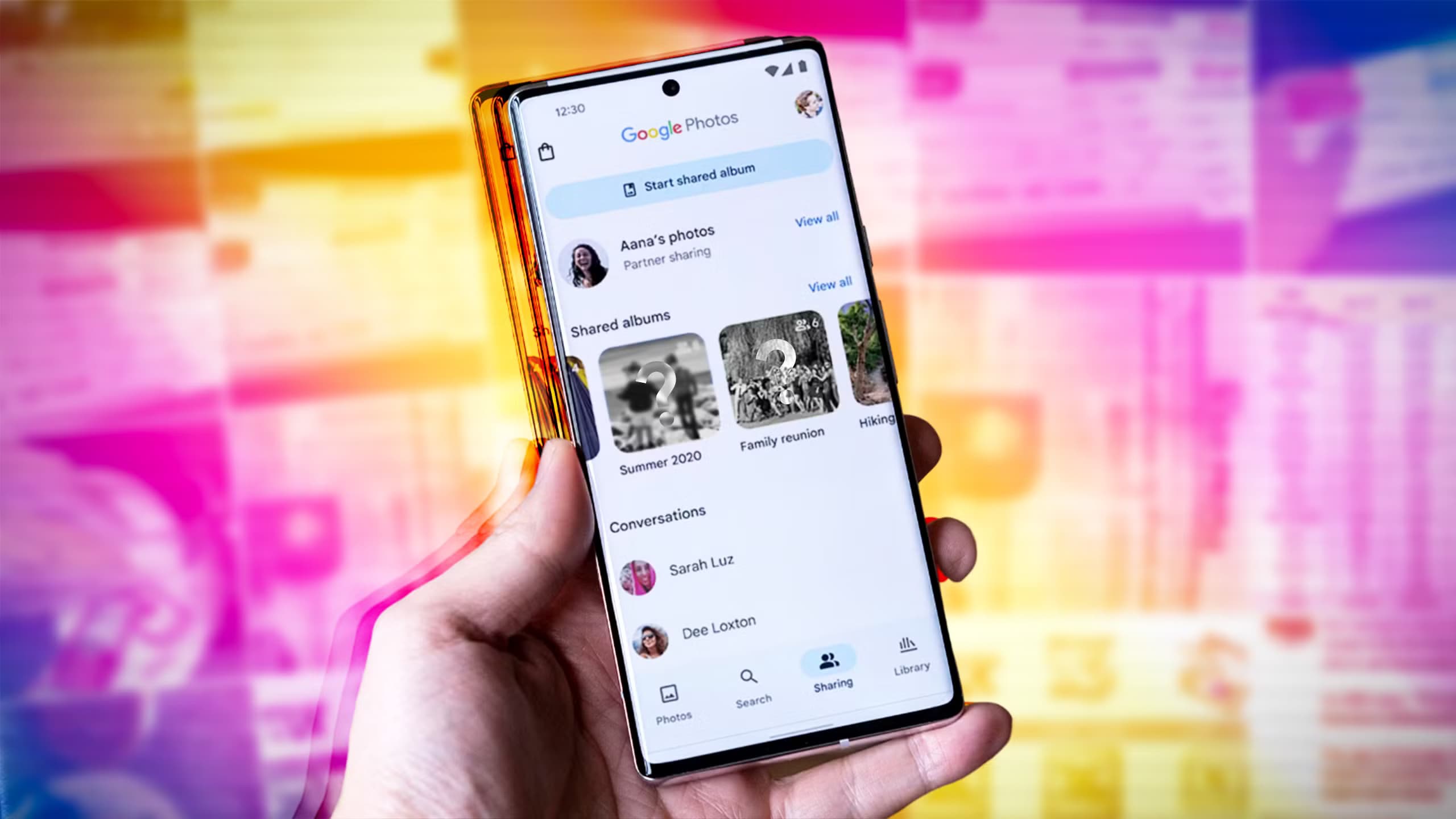

Do you want to protect specific images and videos without downloading additional apps? Android offers you multiple options to conceal your media, whether it be private memories, sensitive work material, or sensitive information – no dangerous tools or third-party apps are needed.
Using built-in capabilities like Google Photos, File Manager, and brand-specific tools like Samsung‘s Secure Folder or Xiaomi’s Hidden Album, you will discover various ways to conceal images and videos on Android in this guide.
Privacy isn’t just about hiding things from others – it’s also about peace of mind. You might want to hide photos or videos that are:
And the good news? You don’t need to install any shady apps to protect your content.
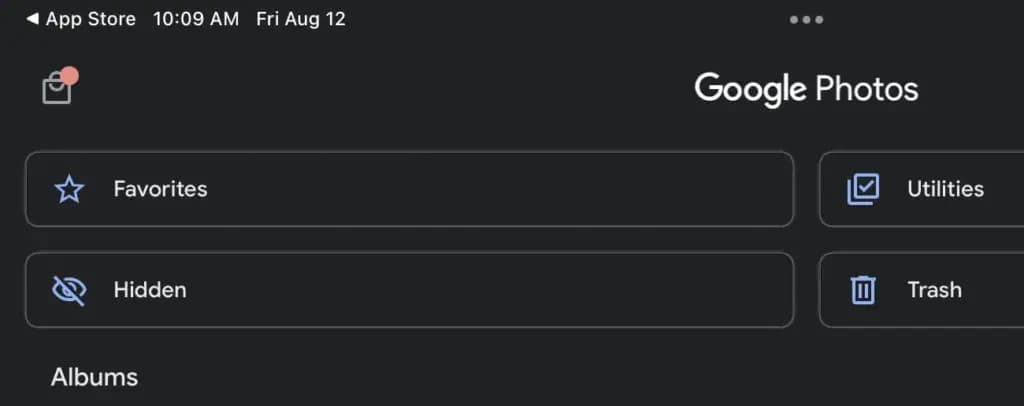
If you’re using Google Photos (which is pre-installed on most Android devices), archiving is the quickest and safest way to hide images from your main gallery view – all without deleting them or moving files around manually.
These files will now disappear from your main timeline but stay safely stored in the “Archive” section.
Note: Archived photos still appear in albums or search results unless you manually remove them from those albums.
📌 Best for: Casual privacy without breaking anything or hiding files completely.

Regardless of brand or Android version, this is a universal solution that works with almost all Android phones. You will make a hidden folder that will be automatically ignored by the Android operating system and media scanning applications.
.HiddenMedia or .SecretFolderOnce done, your Gallery and Google Photos app will no longer detect those files — making them invisible unless you go looking.
To view them again: enable “Show hidden files” in your file manager’s settings
Best for: Total manual control over media hiding
This method only hides files so they will not open in photo or video apps; it does not actually hide them.
.jpg → .xyz)At this point, the file will show up as an unopenable generic document. Just change the extension to its original format to get access again.
Caution: Make sure you remember the original extension (.jpg, .png, .mp4, etc.) so you can restore it!
Best for: Hiding media from gallery apps without deleting it
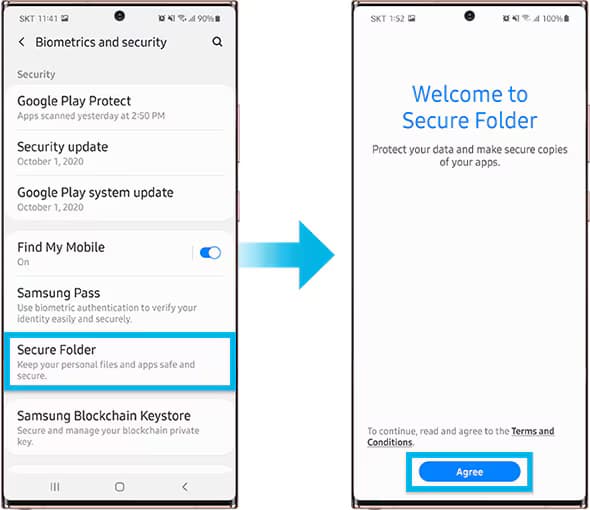
Nowadays, a lot of oems include built-in safe storage options that enable you to conceal documents, programs, and media using password or biometric security.
With Samsung’s Secure Folder, your phone has a private, encrypted area. It is secured by a distinct passcode or fingerprint, which is distinct from the lock on your phone.
Even the application’s access is limited without unlocking the folder, and these files are totally concealed from the main gallery and file manager.
The Hidden Album function in Xiaomi’s Gallery app makes it quick and easy to conceal private material.
Content in the Hidden Album is protected and will not appear elsewhere unless explicitly restored.
Use PrivateSpace (Huawei) or App Lock & Hidden Space (OnePlus). These offer similar levels of privacy and allow photos/videos to be locked with additional credentials.
Best for: Maximum privacy with encryption and authentication — perfect for work or highly sensitive media.
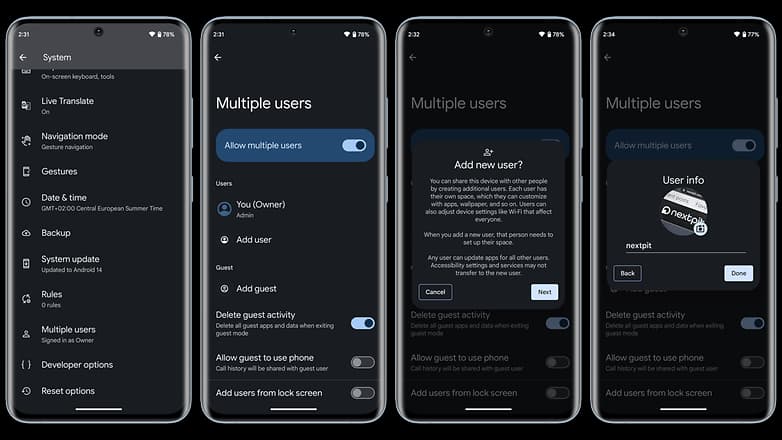
Another sneaky method is to create a Guest account on your phone:
Like a computer, Android allows for many user profiles. You can set up a Guest Mode on your phone to keep other users from seeing your messages, apps, or pictures.
Switch to Guest mode when someone else wants to use your phone. This keeps all your media, apps, and settings hidden by default.
Bonus Tip: Some phones allow locking the switch between users with a password or fingerprint.
Best for: Sharing your phone without giving others access to your personal content.
While hiding media is easy, here are some common mistakes to avoid:
You don’t need to clutter your phone with apps just to hide a few private photos. Android gives you several easy, built-in ways to hide images and videos safely:
Choose the method that best fits your comfort level and device brand—and enjoy peace of mind knowing your private media stays private.
Google Pixel Watch 5 (45mm)
Cristian Penisoara is a Guides Writer and Android specialist at Droid Tools. An Android user since version 2 and a professional event photographer, he combines technical curiosity with a detail-oriented approach - every guide he publishes is tested step-by-step on a real device before it goes live.
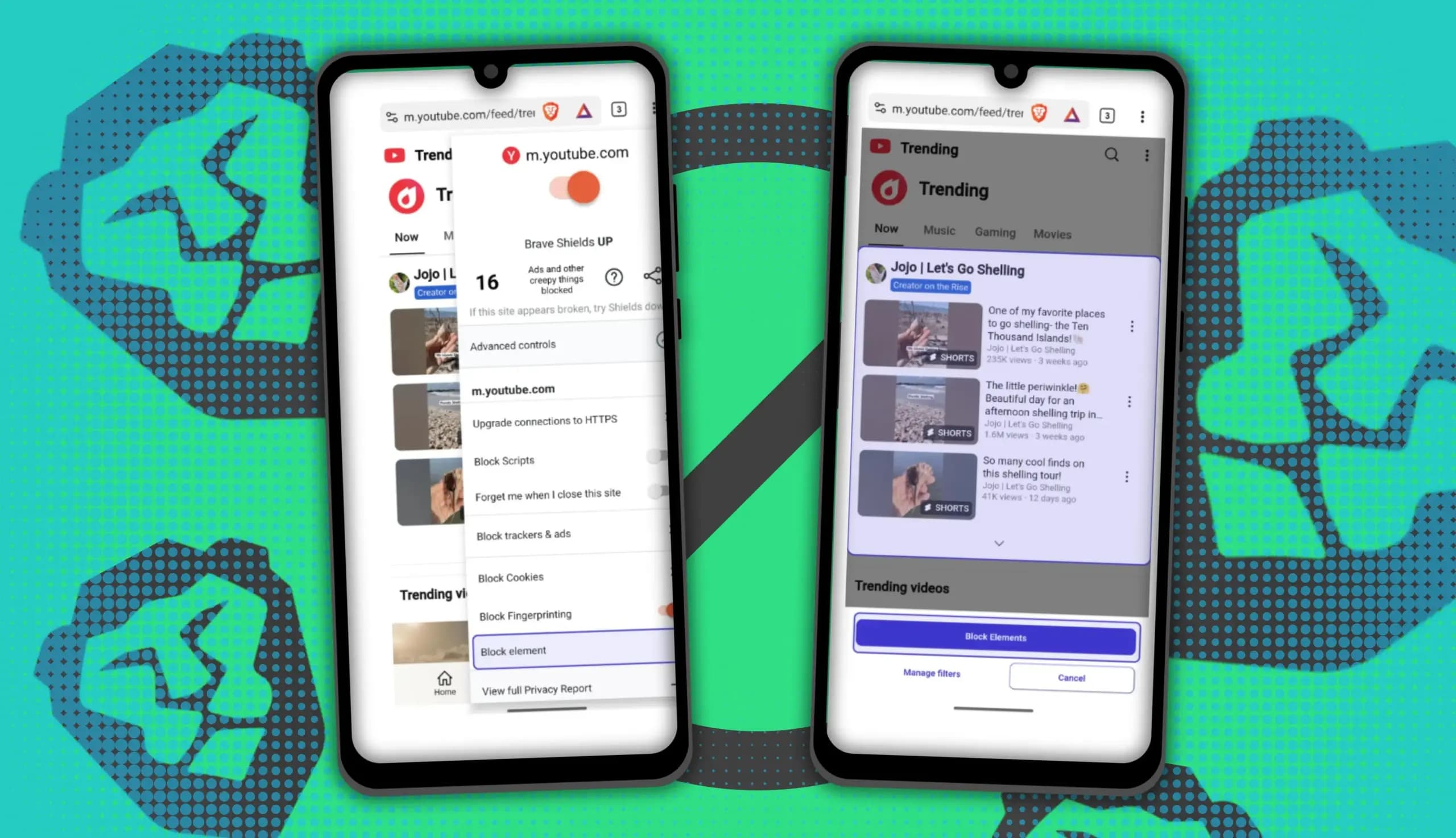
You can block ads on Android more effectively by pairing Brave’s Aggressive Shields setting with the system’s Private DNS feature. The setup filters ads at both the browser and system levels, takes only a few minutes to configure, and avoids the battery drain and VPN conflicts that come with dedicated ad-blocking apps. Why one ad […]

Behind a two-tap recharge sits a surprising amount of plumbing. Every prepaid network has its own rules about what can be topped up, in which denominations, and how quickly credit posts to a SIM. MobileTopUP hides that complexity behind a single form: pick a country, enter a number, choose an amount. What the coverage map actually covers […]
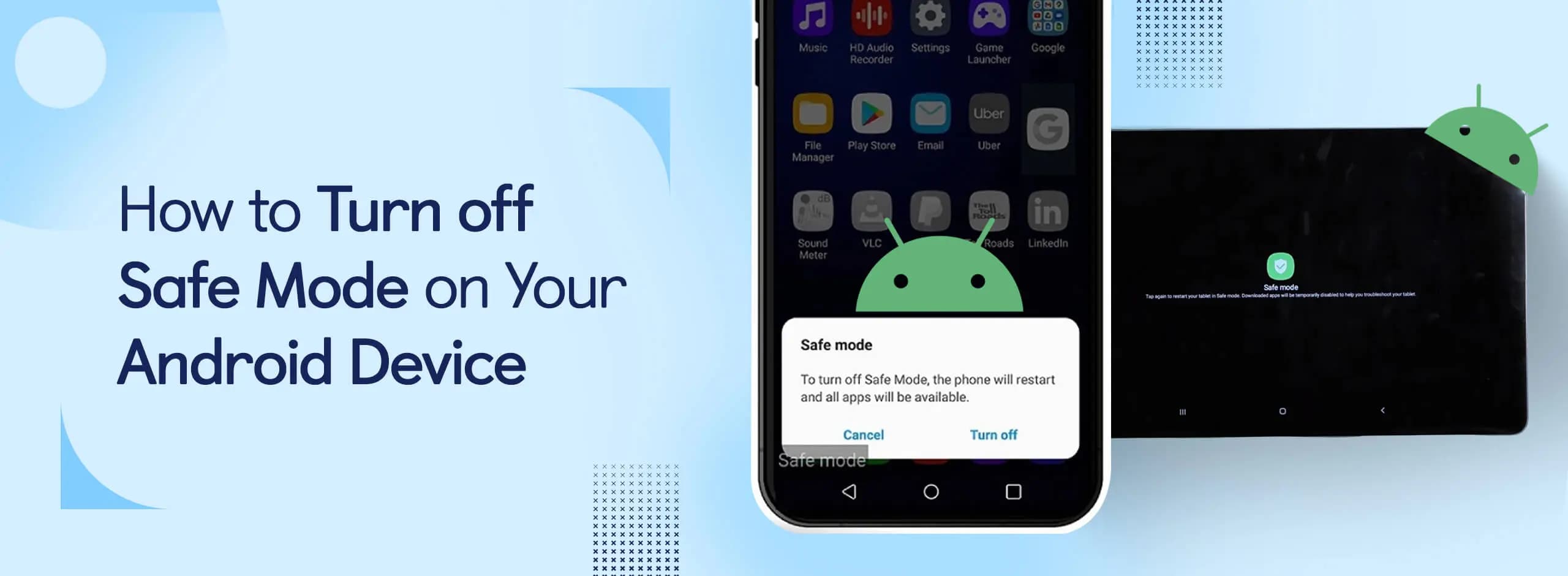
Knowing how to turn off Safe Mode on Android comes in handy, since Safe Mode is a built-in troubleshooting tool that disables every third-party app on a phone and switches on Airplane Mode, making it easier to isolate an app causing lag, battery drain, or other issues. It's also useful for safely deleting a suspected […]
Opening a brand-new phone has a particular excitement. After removing the plastic, you move your pictures, log into your Google account, and begin taking your first snapshot. However, we frequently overlook a few crucial settings that can improve our phone in all that excitement. I looked at a few options on my current phone, a […]
The next story loads as you reach the end. You can also load it using the button.


Comments & Discussions
Join the conversation! We use Disqus to handle comments. Click the button below to load the comment section.