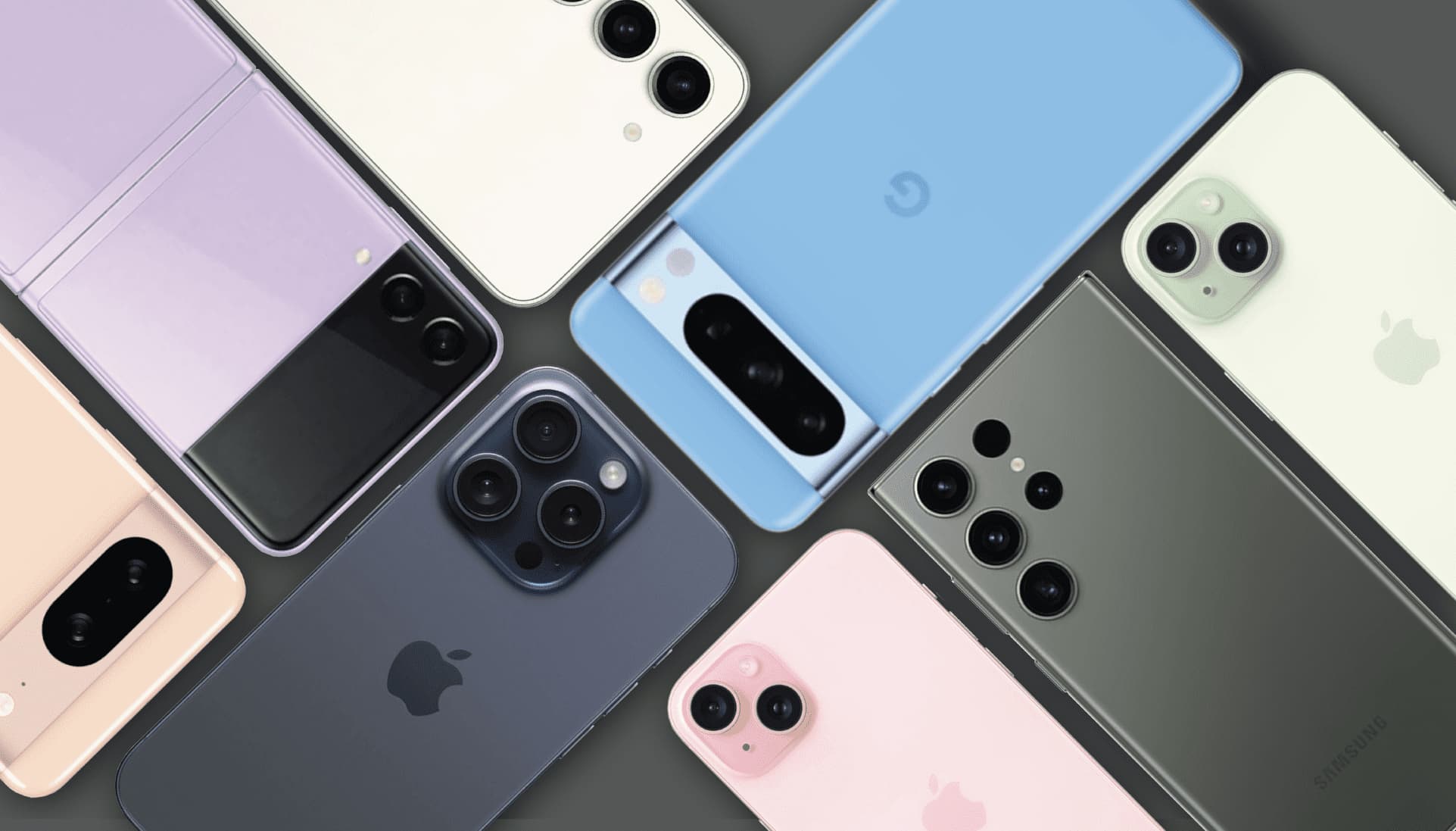
We are especially concerned about battery health because Google recently announced that its Battery Performance Program for the Pixel 6a will begin next week. Although it may seem strange to consider your smartphone a consumable, that is essentially what it is, and each time we put one of our gadgets through a complete charge cycle, the batteries get a little worse for wear. You’ll start to notice those losses if you repeat that process hundreds and hundreds of times.
Not all batteries are made equal, which is something that the whole controversy surrounding the Pixel 4a and now Pixel 6a has really brought home to us. The issue is that we typically only hear about battery-operated devices that cause issues years later. When you first buy a phone, isn’t there a good way to set your expectations for battery life? We recently received one, as expected.
The European Union, and more especially its new energy label program, is to thank for this regulation, as it is for many other recent consumer-benefitting smartphone laws. These marks help convey power efficiency, hardware durability, and—most importantly for today’s discussion—a rating for the number of charge cycles the phone should be able to withstand, just like you might see an Energy Star rating on a new appliance.
Are you curious about how the battery life of your phone stacks up against the competition? We created this graphic to illustrate how many charge cycles these labels promote for a few well-known products because we have been curious ourselves.

All of these numbers have been confirmed by the European Product Registry for Energy Labeling of the EU. We’ve gone through the entire database and included even more gadgets you might find useful, thanks to Reddit user FragmentedChicken for compiling an early version of this list.
Wondering how things stand with the batteries on the other side of the platform fence? We also looked up the ratings for Apple products, and every device in the EU system, including the iPad Air M3 and iPhone 16 Pro Max, has a 1,000 charge cycle rating.
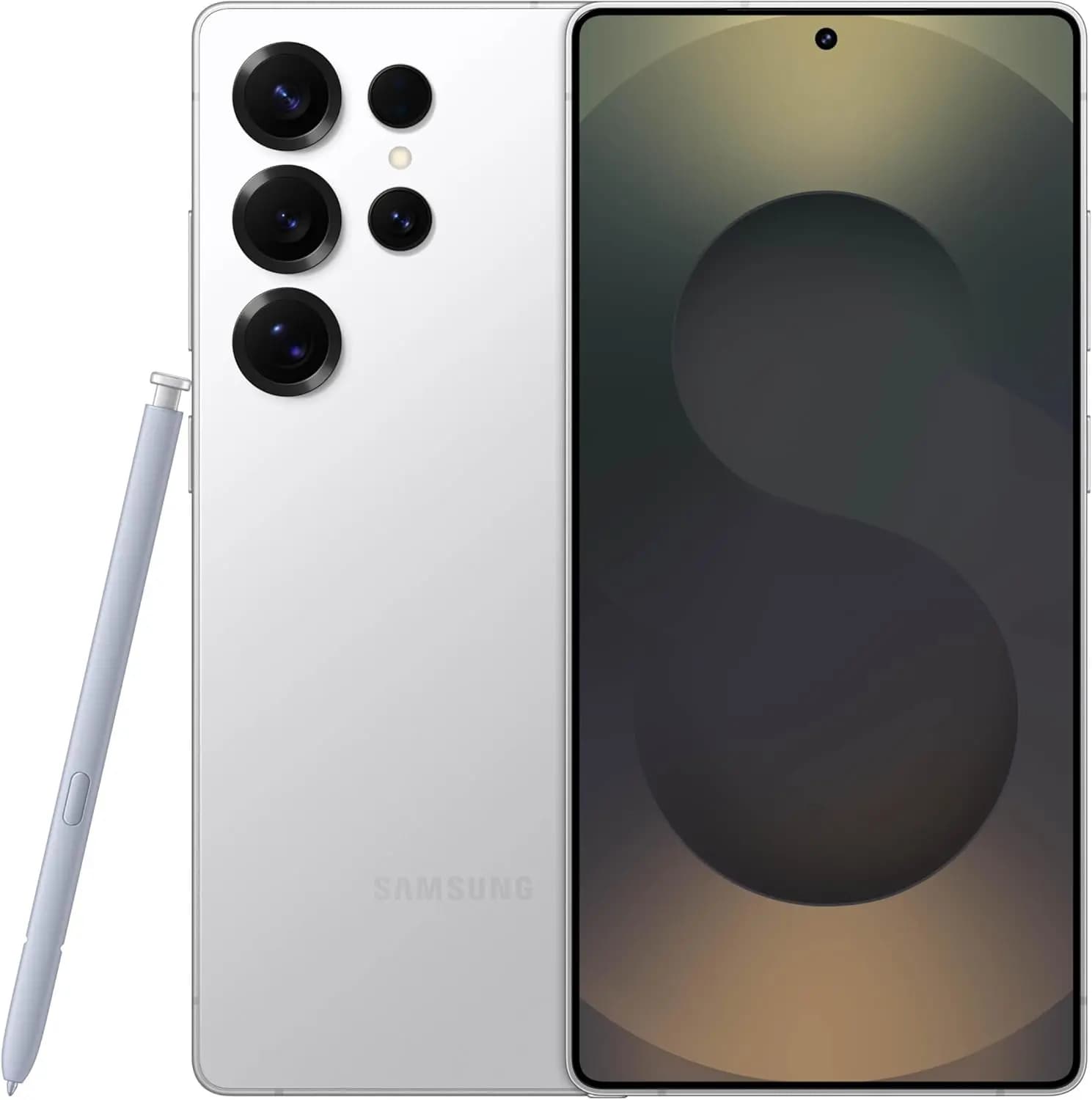
Right now, the vast majority of devices fall in the 1,000–1,400 cycle range. So how did Samsung manage to push so many of its phones and tablets up to 2,000 cycles? That is a very, very good question, and we would love to see a more technical analysis into how these numbers are put together, and just how accurately they may reflect real-world conditions. And what impact does different battery chemistry, like the silicon-carbon battery in the OnePlus 13, have on the cycle count?
This database offers a great jumping-off point, but we would sure love to see a whole lot more battery information provided by the manufacturers behind these devices.
Stay connected with the latest from Droid Tools—follow us on X @droid_tools, like our page on Facebook, check out our updates on Instagram, and follow us on Google News for real-time news, device tips, and mobile tech insights.
Google Pixel Watch 5 (45mm)

Robert Haba is the founder and editor-in-chief of Droid Tools. A lifelong gadget enthusiast with over a decade following the Android ecosystem, he built this publication to cut through the noise and give readers honest, real-world coverage of the tech they actually use.
WhatsApp message scheduling has appeared in an Android beta build, allowing users to queue encrypted messages and media up to two weeks in advance.
Global smartphone shipments dropped 20% in Q3 2026 to a 14-year low as memory costs rose, though Samsung retained its top spot with foldables.

Google is emailing a 30% Pixel 11 discount code to select Google AI Pro members, cutting up to $570 off the Pixel 11 Pro Fold without a trade-in.

Google is upgrading Android scam detection across Messages and calls, using Gemini models and new on-device checks to flag suspicious links and phone scams.
The next story loads as you reach the end. You can also load it using the button.


Comments & Discussions
Join the conversation! We use Disqus to handle comments. Click the button below to load the comment section.