Due to limits in its actual “always-on” functioning, the always-on display (AOD) mode on Android smartwatches hasn't always been the smoothest feature. This seems to be fixed in Wear OS 6, which would allow for more usage even when the watch's display is off. Wear OS's always-on display mode hasn't changed much. At the moment, ...

Due to limits in its actual “always-on” functioning, the always-on display (AOD) mode on Android smartwatches hasn’t always been the smoothest feature. This seems to be fixed in Wear OS 6, which would allow for more usage even when the watch’s display is off.
Wear OS’s always-on display mode hasn’t changed much. At the moment, the majority of apps only show the clock; only Spotify and Maps completely adjust to the mode. This is a major reduction in productivity, particularly when you want to control or modify something on your watch without waking the screen completely.

In Wear OS 5.1, Google is already developing a feature dubbed “Force Global AOD” that, as the name implies, attempts to compel active app displays to switch to an always-on display state. Although it is presently undergoing developer testing, the firm has started to share updates regarding the feature, so we can now anticipate its arrival with Wear OS 6.
Google claims to be offering a complete solution with seamless cross-device integration of this capability as part of Wear OS 6. Google gave an example of the existing music control interface, which will change to a black-and-white user interface in AOD mode when utilizing the Material 3 Expressive design. Importantly, the rich and whimsical shapes of many elements, including text and navigational buttons, will be preserved in this AOD version.
How this will seem in other apps that eventually make use of Google’s Material 3 Expressive’s “glanceable UI” is yet unknown. For apps that don’t support always-on display natively, there might be a default screen.
Google Pixel Watches and Samsung Galaxy Watches stand to gain the most from this improved always-on display, which will significantly improve Wear OS user experience. With this enhancement, Wear OS smartwatches may even surpass Apple’s watchOS, which does not yet have a real always-on display mode.
Later this year, Wear OS 6 is anticipated to be made available to compatible Android smartwatches. Improved battery life and performance are two of the improvements in the upcoming main Android wristwatch OS, in addition to the actual AOD. In keeping with Google’s long-term strategy, Gemini will also become more deeply integrated into the system.
Stay connected with the latest from Droid Tools—follow us on X @droid_tools, like our page on Facebook, check out our updates on Instagram, and follow us on Google News for real-time news, device tips, and mobile tech insights.

Robert Haba is the founder and editor-in-chief of Droid Tools. A lifelong gadget enthusiast with over a decade following the Android ecosystem, he built this publication to cut through the noise and give readers honest, real-world coverage of the tech they actually use.

Samsung sleep apnea detection now tracks breathing interruption severity on Galaxy Ring and Galaxy Watch following US FDA and South Korean clearances.
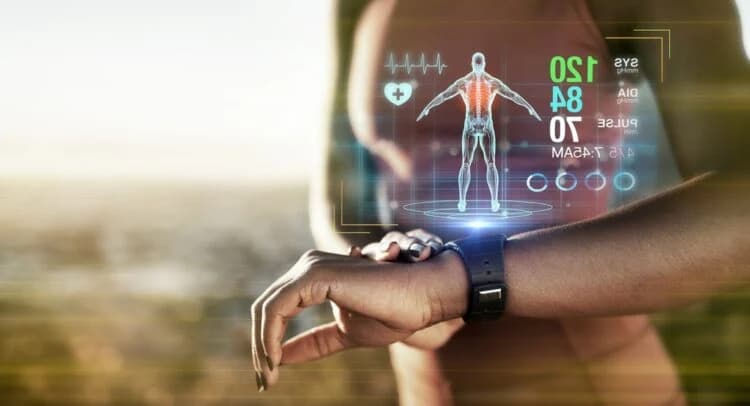
An AHA study finds wearables and AI can predict hypertensive crises days early, with prompt medication reducing emergency hospital visits by 45%.

Google is rolling out a Pixel Watch battery drain fix via app updates after battery life dropped to roughly 12 hours across multiple watch generations.
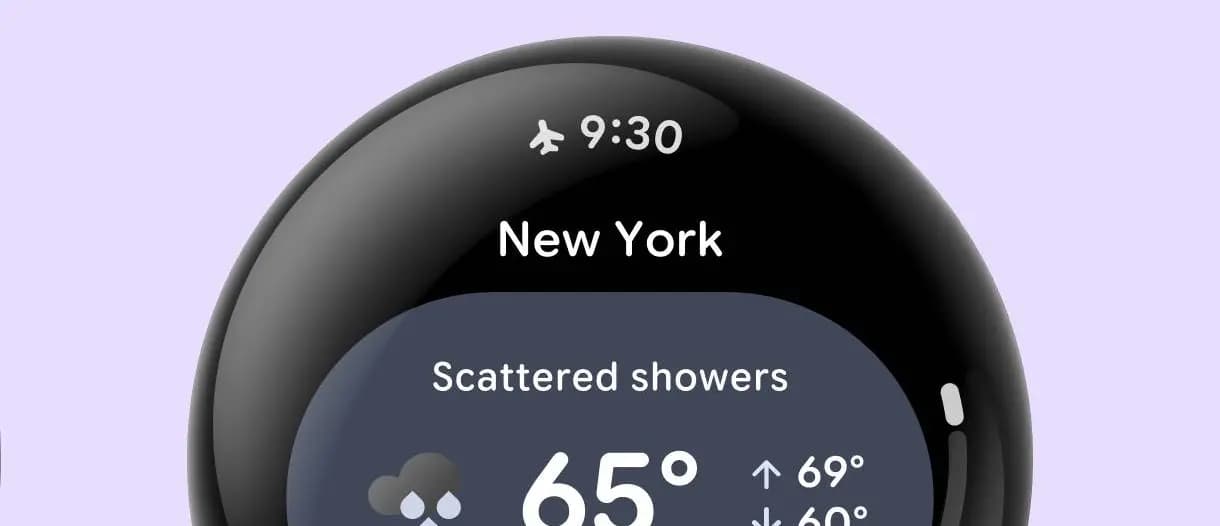
Google confirmed that the Wear OS 8 status bar will display the time and system icons in smartwatch apps, with one indicator shown at a time by priority.
The next story loads as you reach the end. You can also load it using the button.


Comments & Discussions
Join the conversation! We use Disqus to handle comments. Click the button below to load the comment section.