

Samsung is expanding its stable One UI 9 rollout, built on Android 17, beyond top flagships to mid-range phones like the Galaxy A56 and older models including the Galaxy S23 series and foldables in select regions. Regional availability continues to arrive in batches.
The stable Samsung One UI 9 update, built on Google’s Android 17 framework, is expanding to a broader selection of mid-range smartphones and earlier flagship devices. Samsung first deployed the software to top-tier models in the Galaxy S26 and Galaxy S25 lineups. Stable firmware builds have now begun arriving on high-volume mid-range phones, including the Galaxy A56 and the Galaxy A36 5G (E models) across select international markets.
Samsung has also initiated releases for older premium hardware. Galaxy S23 series devices in Europe are receiving builds ending in GZIF, while foldables such as the Galaxy Z Fold5 and Galaxy Z Flip5 are picking up the update in markets like Indonesia. Galaxy owners in other territories, including India and North America, continue checking regional rollout status and waiting for their carrier-specific releases.

The stable release of One UI 9 introduces interface adjustments, performance optimizations, and tighter privacy controls across supported devices. The Quick Panel and Control Center features redesigned card layouts that provide deeper customization, accompanied by interactive sliders for volume and screen brightness.
Animation physics and system fluidity receive notable attention through an overhauled background render pipeline. This structure produces smoother 120Hz refresh rate transitions, quicker application launches, and more responsive home gesture navigation. In multitasking, Samsung DeX gains productivity upgrades, while Samsung Notes adds new annotation options such as the Tape masking tool. On the privacy side, a blue indicator icon appears dynamically in the top status bar whenever an application requests background location data.
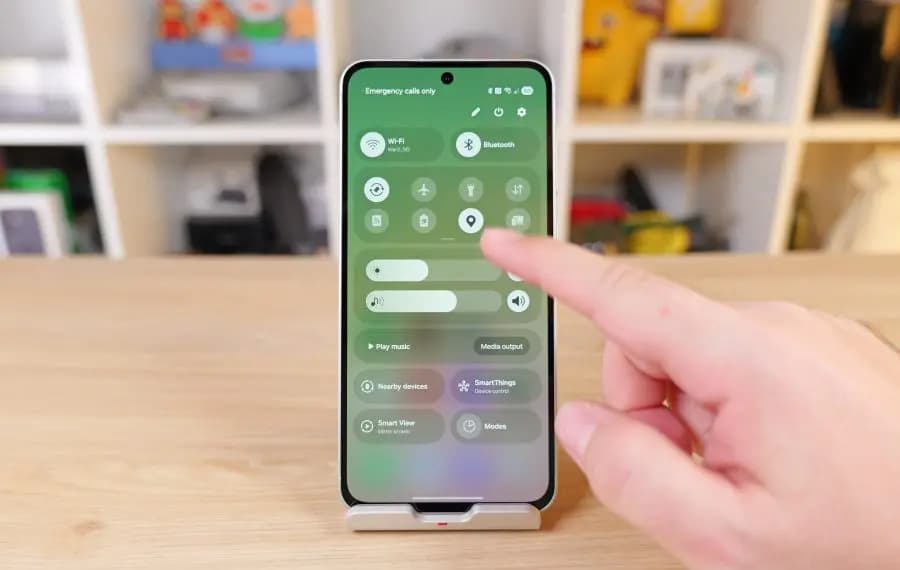
Samsung also incorporated system-wide accessibility adjustments, smart conversation suggestions, and connectivity improvements for SmartThings Now. Early adopters upgrading from older firmware report solid software stability, fluid motion graphics, and reliable power management. Several users have pointed out that the overall responsiveness compares favorably with iOS 27.
Samsung distributes over-the-air updates in stages based on carrier agreements, hardware variants, and target markets. Galaxy owners can check for the software manually by following these steps:
Before downloading the update, ensure the battery has at least a 50 percent charge. Backing up critical files and personal data before starting the installation is also strongly recommended.

Apple AirPods Pro 3

Robert Haba is the founder and editor-in-chief of Droid Tools. A lifelong gadget enthusiast with over a decade following the Android ecosystem, he built this publication to cut through the noise and give readers honest, real-world coverage of the tech they actually use.

Google launched Android 17 QPR2 Beta 7.1 for Pixel devices to resolve severe UI stuttering and multi-second system freezes.
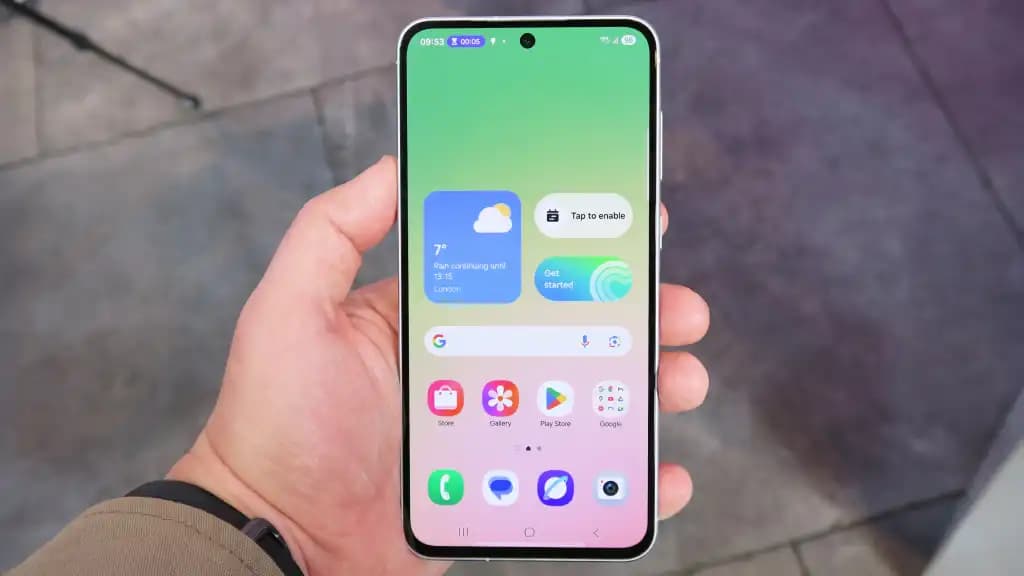
Samsung is rolling out the One UI 9.0 update globally for the Galaxy A56, Galaxy A27, and Galaxy A37, bringing Quick Panel changes and DeX improvements.

The Honor MagicOS 11 global rollout brings Android 17 to eligible phones and tablets, with stable updates scheduled through March 2027.

Samsung is testing One UI 9.5 internally on Galaxy S26, Z Fold 8, and select A-series models as new test builds surface with widget and debugging updates.
The next story loads as you reach the end. You can also load it using the button.


Comments & Discussions
Join the conversation! We use Disqus to handle comments. Click the button below to load the comment section.