Developers can now run iOS on Android phones using a modified XNU kernel, though key features like cellular data and cameras remain broken on early ports.
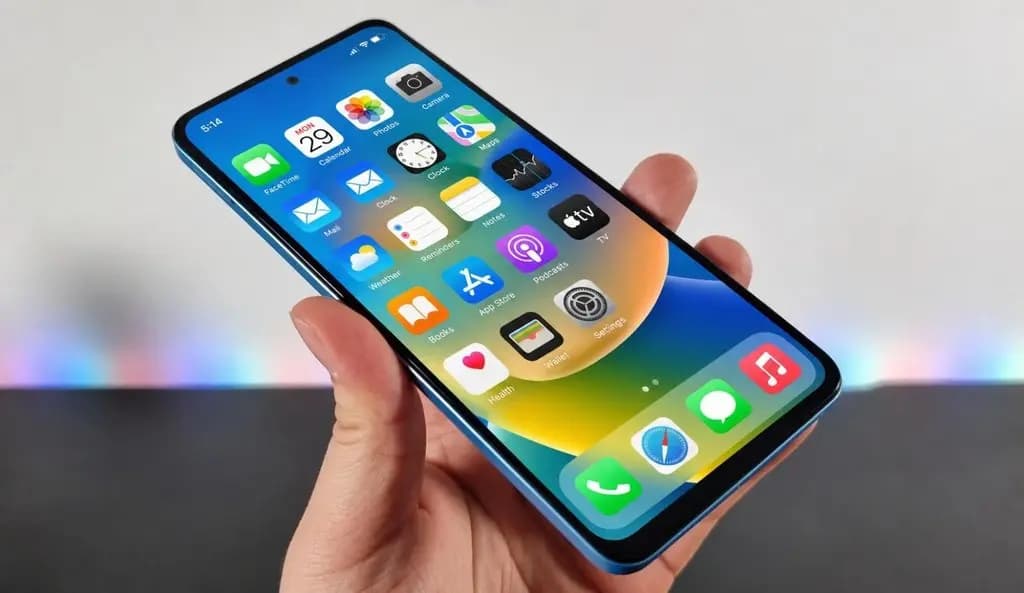
Independent developers have booted genuine iOS installations on standard Android hardware. The development is part of an enthusiast movement known as Hackios, modeled after the Hackintosh practice of running macOS on non-Apple computers. Work centers on a GitHub repository called ios-sweet, which replaces Android’s stock Linux kernel with Apple’s XNU kernel. An operating system kernel provides the low-level instructions connecting physical hardware with running software. Demonstrations show Apple’s mobile platform starting on multiple retail handsets, allowing users to run iOS on Android devices under specific hardware conditions.

Commercial Android skins frequently copy Apple visual styling, but this project boots Apple’s compiled operating system directly. Early reports of the port were initially met with widespread skepticism, yet documented video demonstrations confirmed that the software successfully reaches an interactive lock screen. The technical foundation relies on open components from Apple’s desktop operating system, paired with spoofed device descriptors that satisfy the kernel during initialization on non-Apple hardware.
Apple maintains iOS as closed-source software, but it publishes the source code for the XNU kernel powering macOS. Contributors to the ios-sweet project backport this desktop code to run iOS. A dedicated website details the boot chain, explaining how developers bypass Android’s Linux startup sequence to let Apple software execute on foreign hardware.
During standard startup, an Android device passes its Linux kernel a device tree describing hardware components. For standard hardware, this description is compiled specifically for the Linux kernel to recognize system chips. The ios-sweet project replaces that description with a spoofed device tree derived from an iPhone X. This substitution deceives XNU into treating the Android handset as an authentic iPhone, allowing kernel initialization to finish without immediate hardware rejections.
According to the developer, the iPhone X remains the only viable target because it was Apple’s last smartphone without pointer authentication, or PAC. Qualcomm processors, including the Snapdragon 732 in the Redmi Note 10 Pro, lack PAC support. Later models from the iPhone XS onward mandate PAC, making newer iOS targets incompatible. The boot sequence relies on a shim image loaded into the Android bootloader, which transfers control to XNU. After XNU accepts the hardware identity, a dedicated partition formatted to simulate Apple storage boots iOS 16.7.16, the final release supported on the iPhone X. The handset completes startup at an unlocked lock screen, granting access to sections of the operating system.
Once unlocked, the interface loads the stock home screen and default application icons. Touch tracking works alongside swipe gestures for home navigation and multitasking. Physical hardware controls respond normally, including the dedicated power and volume buttons. Testers can also open built-in utilities like Settings and access the Control Center interface.
The list of nonfunctional features is substantially longer. Wireless radios do not work, leaving devices without Bluetooth, Wi-Fi, or cellular data. Sound hardware remains dead because speakers do not operate, and cameras stay offline. Integrated sensors are nonfunctional, disabling fingerprint readers and facial recognition. Several core applications, including Phone, Messages, and Photos, load only a blank black screen.
Software security presents another concern. Apple’s proprietary encryption systems do not function in this environment. Because Apple’s local storage encryption remains inactive, the developer explicitly advises against storing personal files or entering private credentials on these builds. The system operates as an experimental demonstration lacking daily usability.

The project initially booted on the Redmi Note 10 Pro, but enthusiasts have since attempted to port the code to other phones. Because initial instructions targeted Snapdragon silicon, working community forks remain restricted to Snapdragon handsets. Developers have attempted boots on the Google Pixel 6 with its Tensor processor, along with a decade-old Samsung Galaxy S7 using the Exynos 8890. Neither non-Snapdragon trial has produced a working iPhone X installation.
Official GitHub repositories include public forks for the Redmi Note 12 Pro and LG V60. Additional models, including the OnePlus 7T, Redmi 5 Plus, and Samsung Galaxy S23 Ultra, have reportedly booted the software, though their underlying code remains closed. Hardware stability and feature progress vary significantly by device. The developer of the Redmi Note 12 fork claims working sound, Wi-Fi, and wallpaper, although the build remains unstable. The display also refreshes slowly, producing visible stutter.
A NOTES.md file in the primary repository includes guidance for AI assistants, naming Claude Code, ChatGPT Codex, and Gemini. This indicates that contributors rely on automated tools to generate device ports. Automated workflows may produce additional experimental builds in coming days, though functional usability remains distant. Community projects built on automated coding often lose momentum after early novelty fades, leaving the future of Hackios uncertain.

Ring Indoor Cam 2K

Cristian Penisoara is a Guides Writer and Android specialist at Droid Tools. An Android user since version 2 and a professional event photographer, he combines technical curiosity with a detail-oriented approach - every guide he publishes is tested step-by-step on a real device before it goes live.

Leaked European pricing for the Xiaomi 18 Pro points to a €1,449 starting price alongside smaller battery capacities and 90W charging.

Honor AI Smart Grip adjusts incoming call buttons based on your hand position as the MagicOS feature expands to Magic 6 phones and later models.

Google phone number verification reportedly links saved phone numbers across all signed-in Google accounts on an Android device without prompts.

Leaked Android code shows Google may bring cloud-rendered animated video wallpapers to Pixel devices, though official launch plans remain unannounced.
The next story loads as you reach the end. You can also load it using the button.


Comments & Discussions
Join the conversation! We use Disqus to handle comments. Click the button below to load the comment section.